

Indonesian Petrified Wood vs Other Countries: What Makes It Special
Introduction
Petrified wood is a mesmerizing natural wonder, created when ancient wood is fossilized over millions of years under specific geological conditions. Indonesia has emerged as a global hotspot for high-quality petrified wood, attracting collectors, designers, and investors from across the world. But what exactly sets Indonesian petrified wood apart from other petrified wood sources in the world, such as the United States, Madagascar, or Brazil? This comprehensive comparison highlights the unique qualities of Indonesian petrified wood and explains why it is so sought after in international markets.
How Petrified Wood Is Formed
Petrified wood forms when trees are buried under sediment and protected from decay due to lack of oxygen. Over millions of years, mineral-laden water flows through the sediment, and minerals such as silica, quartz, or calcite slowly replace the organic material in the wood, turning it to stone while preserving the original structure. The specific minerals and conditions in each region create unique visual and structural characteristics in petrified wood, making each country’s material distinct.
Key Sources of Petrified Wood Globally
Significant deposits of petrified wood are found in several countries. The most well-known sources include:
- Indonesia — Especially Java and Sulawesi
- United States — Notably Arizona, the home of the Petrified Forest National Park
- Madagascar — Famous for its colorful, fossilized logs
- Brazil — Known for large, well-preserved fossilized trunks
- Argentina — Particularly the Petrified Forest National Monument
- Australia, Egypt, and Namibia — Other locations with unique petrified wood varieties
What Makes Indonesian Petrified Wood Special?
The global appreciation for Indonesian petrified wood is based on several distinctive factors:
1. Vibrant Colors and Dramatic Patterns
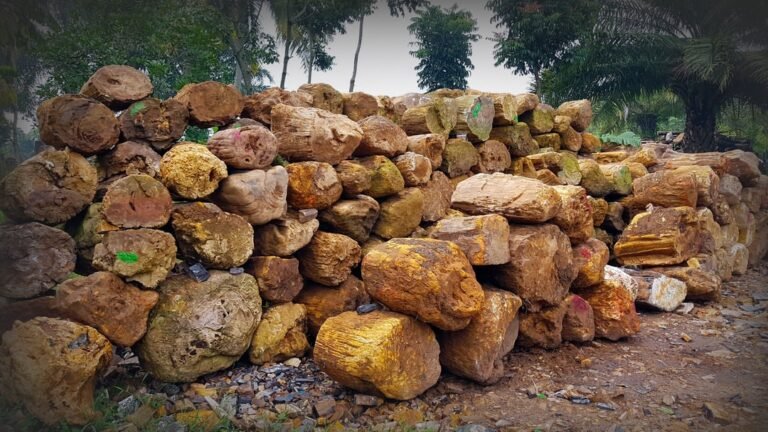
Indonesian petrified wood is renowned for its unmatched color palette. Indonesian varieties often display vibrant reds, yellows, blues, greens, blacks, and creams, sometimes within a single specimen. The presence of volcanic minerals from Indonesia’s intense geological history enhances and diversifies these colors, creating breathtaking visual effects that are rarely matched by petrified wood from other regions.
2. Superior Clarity and Preservation of Structure
Indonesian petrified wood exhibits extraordinary detail preservation— growth rings, bark texture, and even cellular-level structure can often be seen clearly. The fossilization process in Indonesia resulted in silica-rich fossil wood, offering glass-like finishes when polished and making it a favorite for decorative and luxury uses.
3. Size and Quality of Specimens
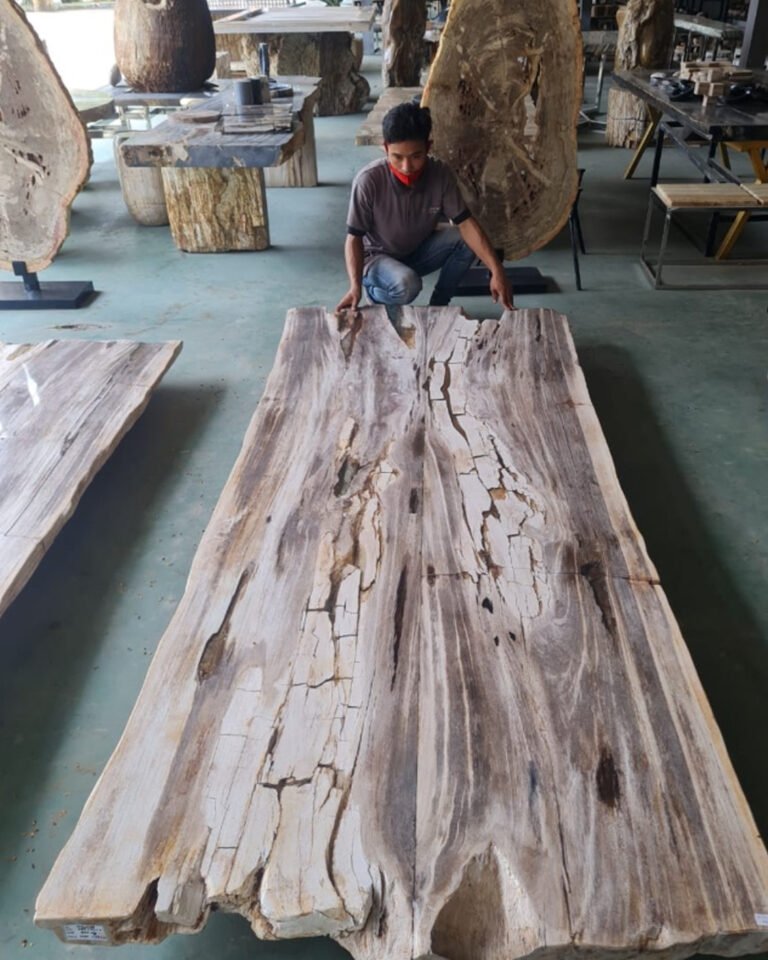
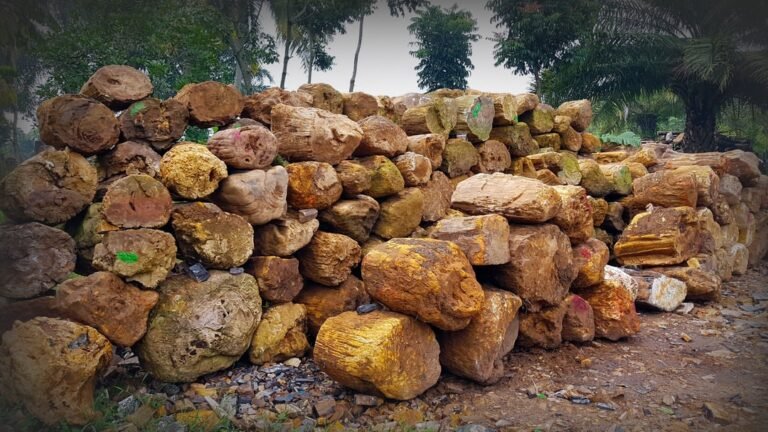
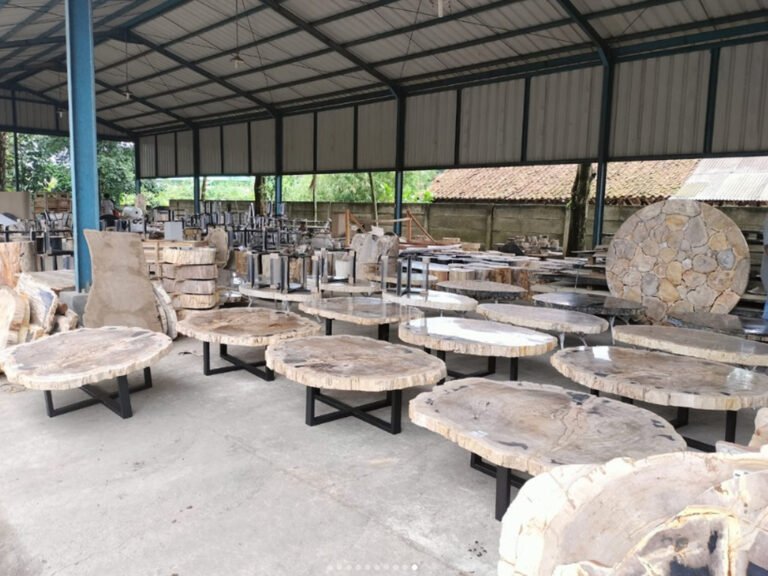
Indonesia produces some of the largest and most intact petrified wood logs and slabs available on the world market. Large, unmarred slabs are ideal for artisans and interior designers seeking statement pieces, tabletops, sinks, sculptures, and fine decor. The tropical environment and unique burial conditions helped preserve many of these logs in superb condition over millions of years.
4. Rich Volcanic Influence
The volcanic activity in Java and other Indonesian islands infused the petrified wood with a distinctive richness in minerals such as iron, copper, and manganese. These elements not only intensify the colors but also increase the stone’s hardness and polishability compared to many other sources. This makes Indonesian petrified wood both visually stunning and highly practical for luxury design and jewelry.
5. Sustainable Sourcing and Export Expertise
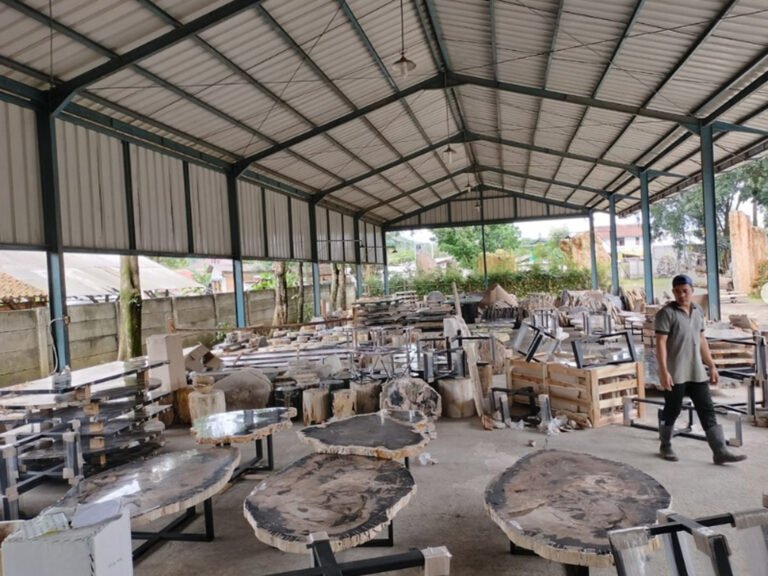
Indonesia’s petrified wood industry has developed significant expertise in extracting, processing, and exporting this remarkable material. Strict export regulations and increasing focus on sustainable practices mean that buyers can be more confident about the legal and ethical sourcing of Indonesian petrified wood, especially from reputable exporters.
Comparison: Indonesia vs Other Countries
Indonesian Petrified Wood vs US (Arizona) Petrified Wood
- Colors: Arizona’s petrified wood is famous but usually shows reddish, purplish, and yellow-brown tones. Indonesian material is more diverse, with intense and vibrant multiple hues in one slab.
- Texture: Both regions offer excellent detail, but Indonesian stone often has a glassier polish and higher clarity.
- Availability: Extraction in the US is strictly controlled; Indonesian petrified wood is more widely available for export.
Indonesian Petrified Wood vs Madagascar Petrified Wood
- Colors: Madagascar offers beautiful, pastel-like colors, sometimes with agate banding. Indonesian petrified wood generally has more vivid and contrasting colorations.
- Patterns: Indonesian material’s dramatic patterns (such as bold stripes and 3D effects) are typically more striking.
- Size and Usability: Indonesia exports larger pieces, which are ideal for furniture and art.
Indonesian Petrified Wood vs Brazilian Petrified Wood
- Hardness: Indonesian petrified wood is harder and takes a higher polish, ideal for high-end use.
- Color Range: Brazilian pieces are often brown or yellow. Indonesian pieces offer a broader spectrum.
Indonesian Petrified Wood vs Other Countries
- Rarity: Specific rare colors and patterns found in Indonesian petrified wood are nearly exclusive and highly valued by collectors worldwide.
- Global Recognition: Major designers and interior decorators around the world prefer Indonesian petrified wood for luxury projects, due to its beauty and versatility.
Popular Uses of Indonesian Petrified Wood
- Luxury home and hotel decor (tables, basins, stools, sculptures)
- Jewelry and collectible specimens
- Custom tiles and wall panels
- Garden and landscape design features
- Artistic works for galleries and museums
Conclusion: The Global Appeal of Indonesian Petrified Wood
Indonesian petrified wood, especially from Java, stands out for its dramatic coloration, exceptional preservation, and practical usability. The ability to source large, flawless slabs and unique sculptural pieces—combined with responsible export practices—gives Indonesia a clear competitive advantage in the global market. This exceptional material not only celebrates the Earth’s ancient past but also finds vibrant new life in modern design and art projects worldwide.
FAQs
- What makes Indonesian petrified wood more colorful than stones from other regions?
Rich volcanic minerals contribute to a vibrant, varied palette rarely found elsewhere. - Is Indonesian petrified wood ethically sourced?
Reputable companies adhere to strict regulations set by Indonesian authorities for ethical and sustainable sourcing. - How do I identify genuine Indonesian petrified wood?
Look for vivid, multi-hue coloration, high clarity, and well-preserved growth rings or bark texture. Buy from trusted suppliers with export expertise. - Why is Indonesian petrified wood ideal for luxury applications?
Its hardness, large sizes, beautiful patterns, and superb polishability make it perfect for high-end interiors, furniture, and art. - Can Indonesian petrified wood be customized for projects?
Yes. Skilled artisans and exporters offer custom cuts, finishes, and designs to suit creative projects worldwide.
One Comment