
Beyond the Surface: Identifying Genuine, High-Quality Indonesia Petrified Wood
Introduction: The Allure of Indonesia Petrified Wood
Indonesia is famed for its beautiful and diverse petrified wood. For international buyers and collectors, securing genuine, high-quality Indonesia petrified wood is essential – whether for fine art, interior décor, or investment. But with imitations and varying qualities in the market, how can you distinguish true quality from the rest? This guide will take you beyond the surface to confidently identify authentic, premium Indonesian petrified wood, arming you with expertise before your next purchase.
What Makes Indonesian Petrified Wood Unique?
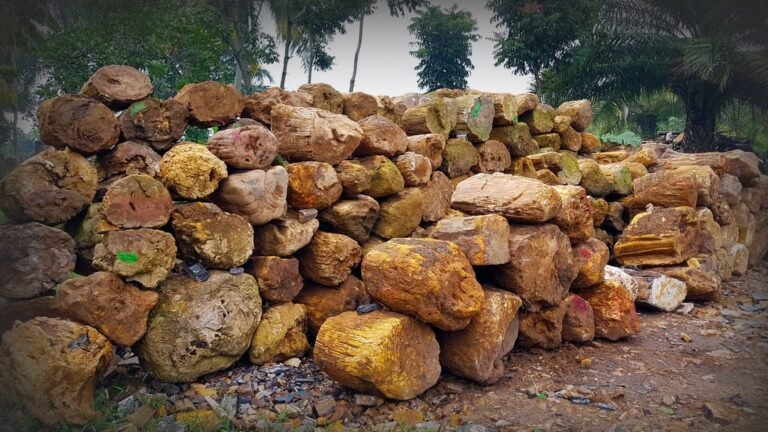
Petrified wood is formed when ancient trees underwent a mineralization process over millions of years, replacing organic material with silica and other minerals. Indonesia’s volcanic soil, rich in minerals and dynamic geological history, creates some of the world’s most vibrant, dense, and visually striking petrified wood specimens.
- Color Range: Deep browns, reds, yellows, greys, and even rare blue and green hues.
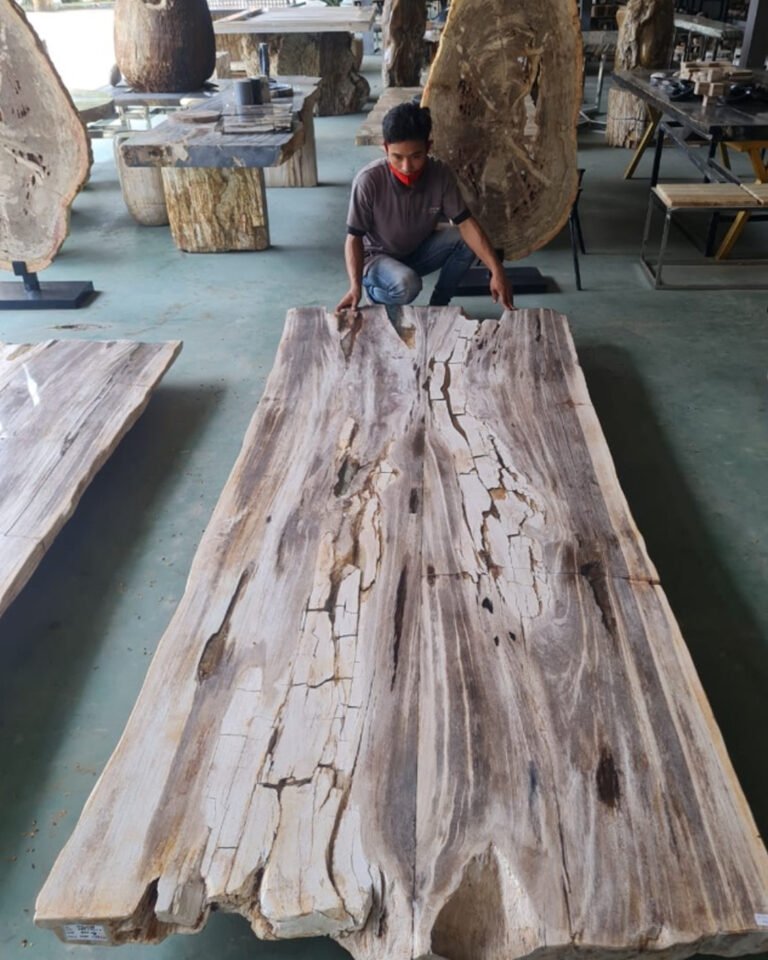
- Texture and Grain: Retains the original tree’s grain patterns, knots, and rings, transformed into stone with incredible detail.
- Hardness: High resistance to scratching and weathering, often exceeding 7 on the Mohs hardness scale.
How to Identify Genuine Indonesia Petrified Wood
1. Understand Its Origins
Ask for provenance documentation. Reputable suppliers in Indonesia provide certification or details on the location and provenance of their petrified wood. Genuine Indonesian specimens often come from Java, Sumatra, and Sulawesi.
2. Examine Visual Features
- Natural Grain: Look for preserved wood grain, growth rings, and organic patterns inside the piece.
- Color Saturation: Authentic Indonesian petrified wood displays vibrant, varied hues due to its unique mineral content.
- Surface Clarity: High-quality petrified wood shows a clear, glassy or polished surface that reveals intricate detail beneath.
- Inclusions: Natural inclusions, such as mineral streaks or small cavities, often confirm authenticity.
3. Test Weight and Density
Petrified wood is much heavier than untreated wood or resin imitations. Its density is comparable to quartz; if a piece feels surprisingly light for its size, it may not be genuine.
4. Check Hardness
Authentic petrified wood scores high on the Mohs hardness scale (typically 7 or above). It will resist scratching from a steel knife or glass. Be cautious with samples easily scratched or damaged.
5. Assess Workmanship and Finish
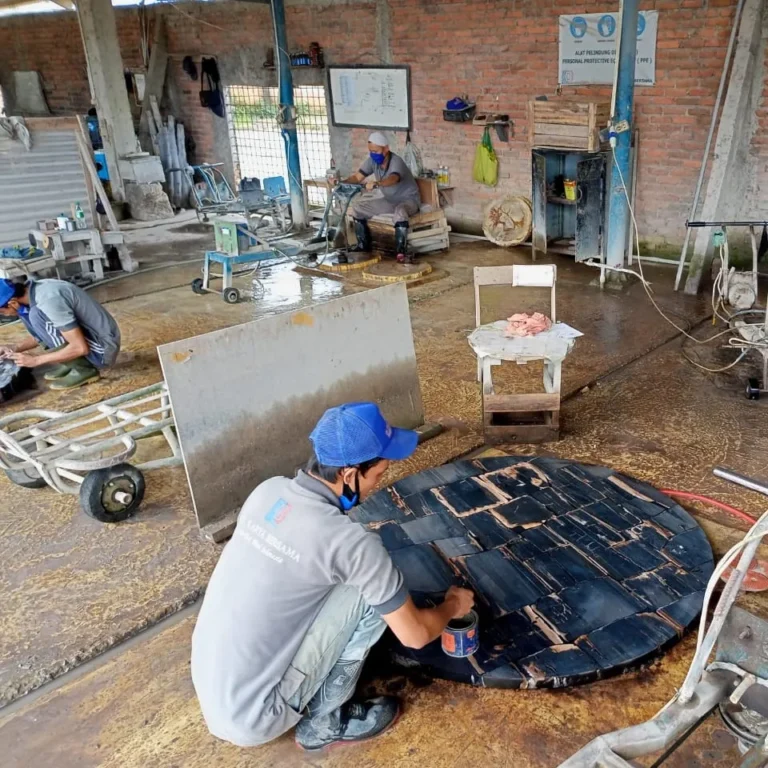
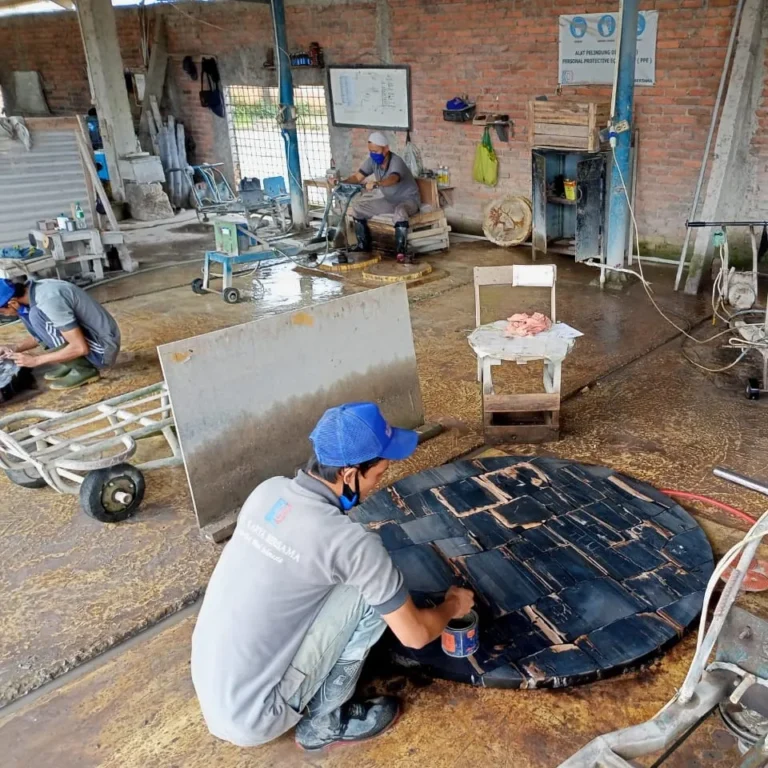
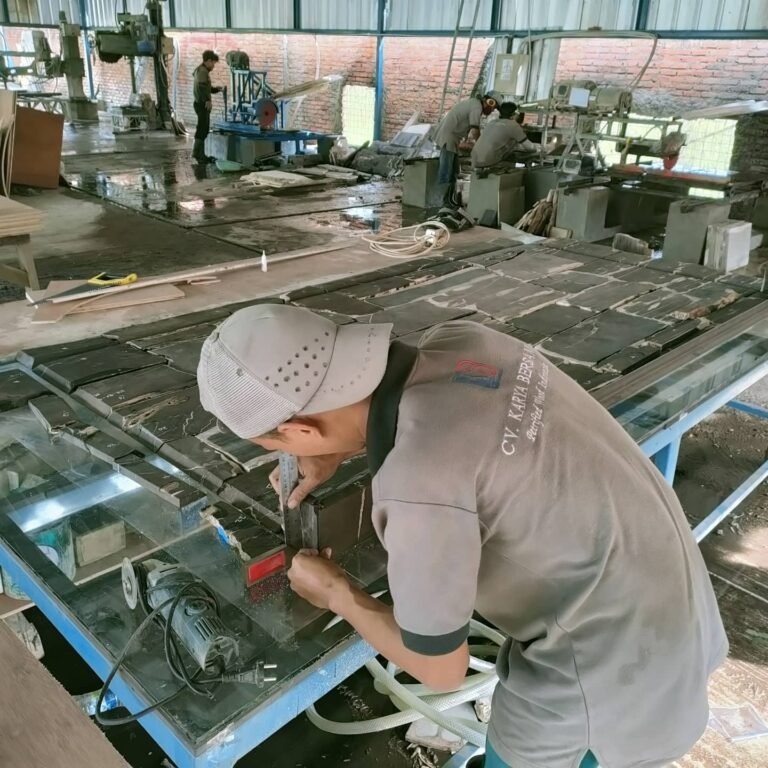
Premium petrified wood from Indonesia is expertly cut and polished to maximize natural beauty while preserving organic details. Pay attention to the quality of cuts, polish, and whether the finish enhances, rather than obscures, the stone’s natural attributes.
6. UV Light and Advanced Testing
Some collectors use ultraviolet (UV) light to inspect petrified wood, as genuine specimens may show subtle fluorescence due to mineral content. Unnatural uniformity under UV may indicate dyed or synthetic stones. For high-value deals, laboratory testing (e.g., X-ray diffraction, petrographic analysis) can further confirm authenticity.
Spotting Low-Quality or Fake Petrified Wood
- Surface Bubbles or Pits: Indicate resin or glass fakes.
- Excessive Uniformity: Natural petrified wood has irregularities; perfect uniformity can be a red flag.
- Paint or Dye: Artificial coloring may rub off or look unnatural on cut surfaces.
- Thin, Lightweight Pieces: Often signals imitation or low-grade material with significant voids.
Why Quality Matters: Value, Durability, and Beauty
High-quality Indonesia petrified wood is not only visually superior but also structurally sound. Premium-grade specimens hold their value, are less prone to damage during shipping and installation, and better showcase unique colorations and patterns that make each piece a work of natural art.
Sourcing from Reputable Indonesian Suppliers
Key Considerations
- Request reference photos and videos of actual stock, not generic images.
- Ask for certifications of origin and authenticity.
- Read independent reviews or request client references.
- Understand shipping protocols to preserve quality during transit.
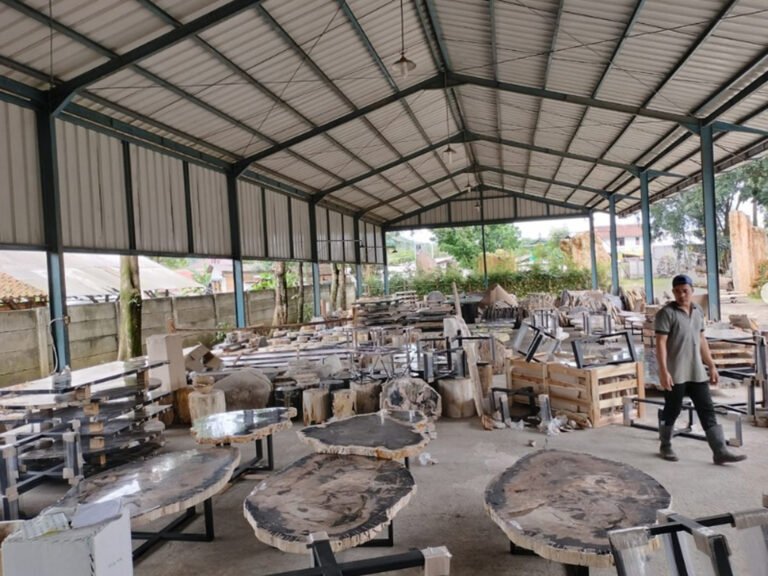
Working with trusted Indonesian petrified wood exporters ensures you receive genuine, premium pieces for your home, project, or inventory. Transparency, documentation, and expert communication are hallmarks of credible suppliers.
Using Indonesia Petrified Wood: Applications and Care
- Luxury furniture (tables, countertops, sinks, basins)
- Wall art and sculpture
- Interior and exterior flooring
- Collectibles and investment pieces
Care Tips: Use soft, non-abrasive cloths for cleaning, avoid acidic cleaners, and consider professional installation for large pieces to prevent damage.
Conclusion: Go Beyond the Surface
The market for Indonesian petrified wood is vibrant, but only informed buyers can secure truly genuine, top-grade pieces. By focusing on provenance, visual indicators, density, hardness, and working with reputable suppliers, you ensure each acquisition is both beautiful and enduring.
Embrace the natural artistry and lasting value of Indonesia petrified wood—beyond the surface.