
How to Maintain and Clean Petrified Wood Furniture
Introduction
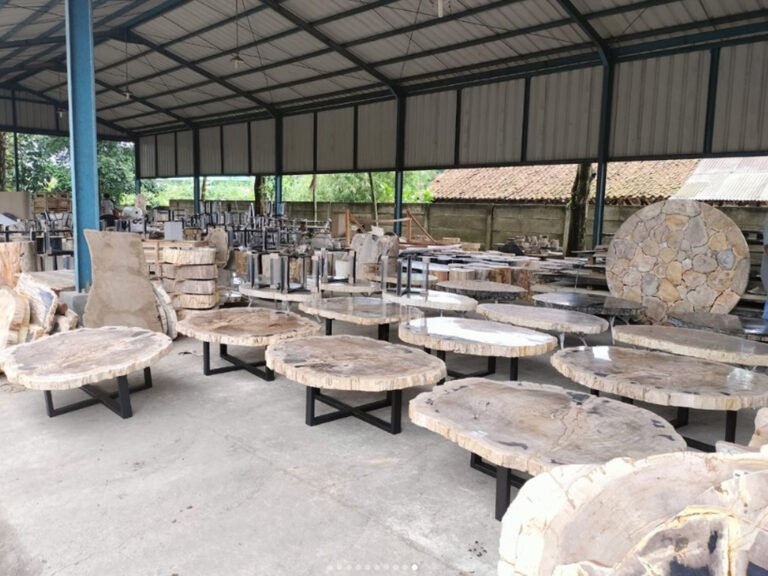
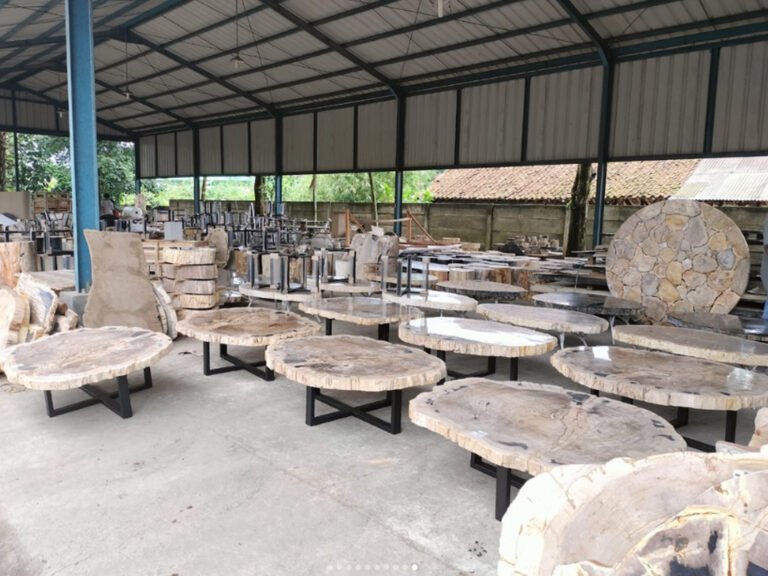
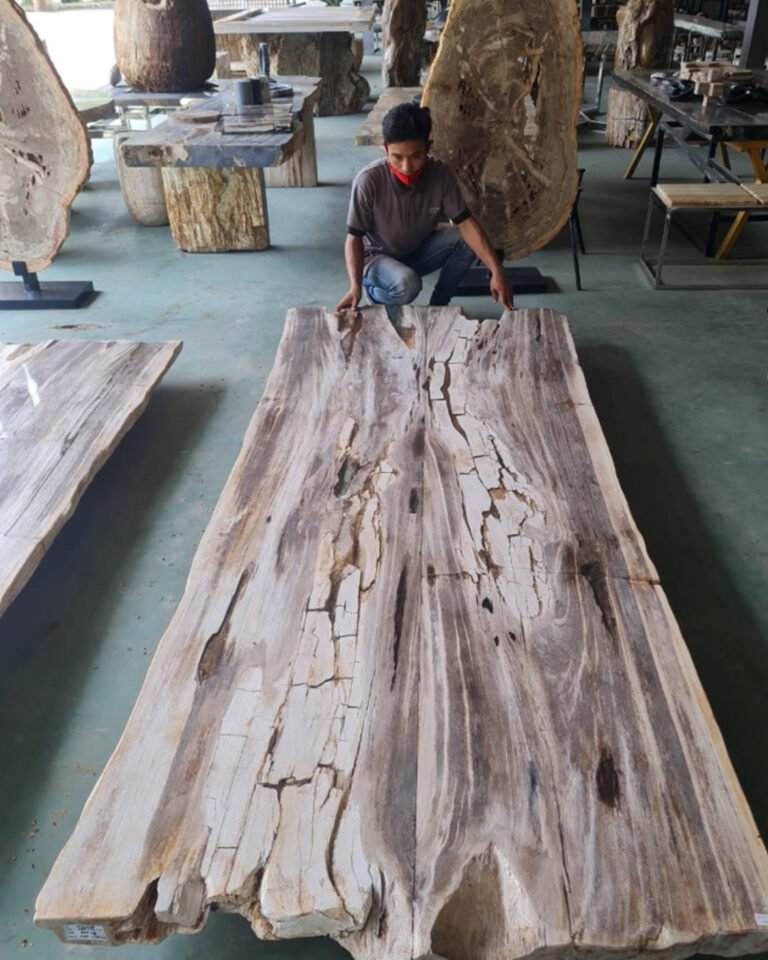
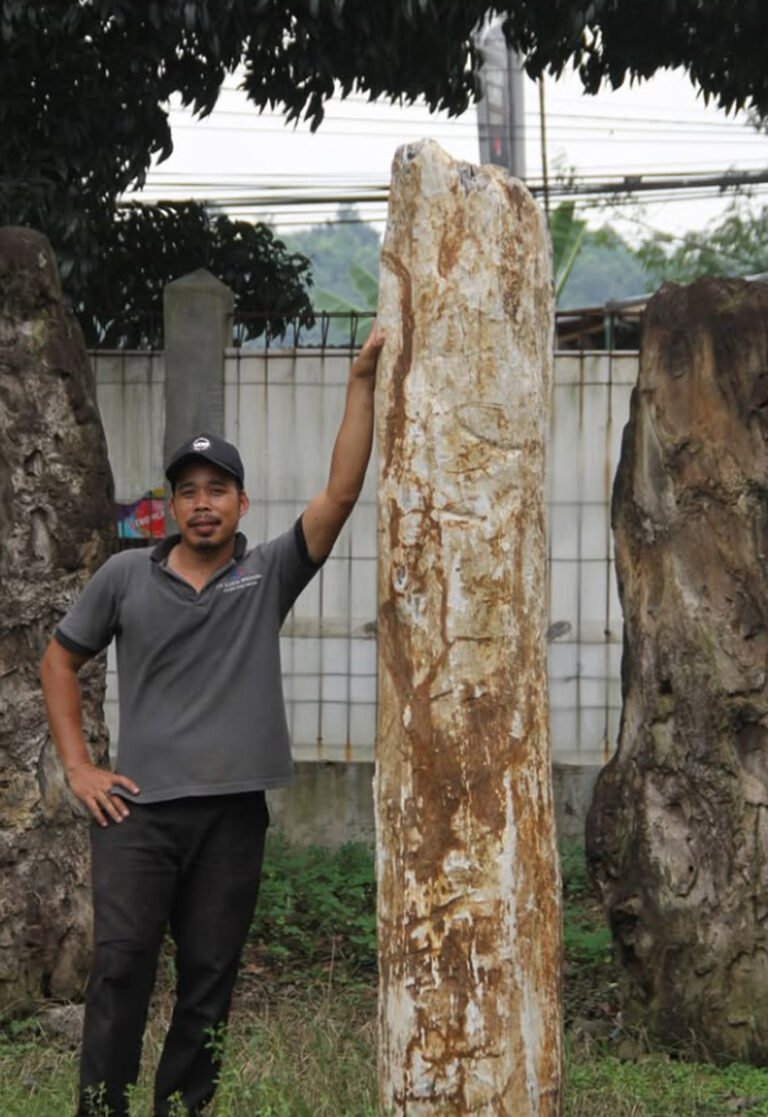
Petrified wood furniture offers a truly unique blend of natural history and stunning beauty, making it a favorite among collectors and design enthusiasts worldwide. Whether you own a petrified wood table, stool, or decorative piece, maintaining its elegance requires proper care and attention. This comprehensive guide will teach you how to maintain and clean petrified wood furniture so it remains a beautiful focal point in your home or business for generations to come.
Understanding Petrified Wood Furniture
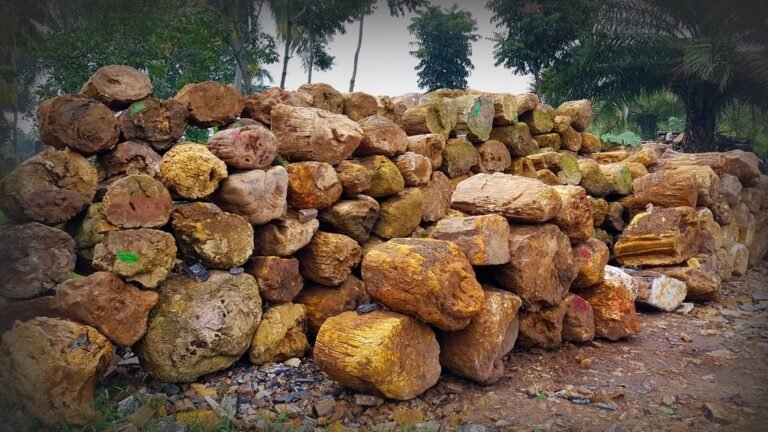
Petrified wood is the fossilized form of ancient trees, transformed over millions of years through a process called permineralization. The organic materials within the wood are replaced with minerals such as quartz, giving petrified wood its exceptional hardness and breathtaking appearance. Unlike ordinary wood, petrified wood is extremely durable, but it still requires thoughtful care to preserve its polished surface and intricate patterns.
Why Proper Care is Important
Proper maintenance of petrified wood furniture not only preserves its aesthetic value but also protects your investment. Routine cleaning prevents buildup of dust, oils, and potential stains, while adequate care ensures the furniture retains its natural shine and detail. International buyers often value their pieces as functional artworks, so long-term care is key for resale value and enjoyment.
Daily Maintenance Tips
1. Dusting with a Soft Cloth
Dust your petrified wood furniture regularly using a soft microfiber cloth. Avoid using rough materials that could scratch the surface. Gently wipe the surface to remove dust and fingerprints, keeping the natural gloss intact.
2. Avoiding Abrasive Cleaners
Never use abrasive or acidic cleaners on petrified wood. These can erode the polished layer and dull the finish. Stick with mild, pH-neutral cleaners if needed.
3. Placing Protective Pads
To prevent accidental scratches or chips, use coasters, placemats, or felt pads beneath heavy or sharp objects placed on your petrified wood furniture.
4. Regulate Humidity and Temperature
Extreme changes in temperature or humidity can stress fossilized wood pieces. Keep your furniture away from direct sunlight, fireplaces, or air conditioning vents to prevent thermal shock and preserve its structure.
How to Clean Petrified Wood Furniture
Step-by-Step Cleaning Guide
- Prepare Cleaning Materials: Use a soft, lint-free cloth, a bowl of warm water, and a mild, pH-neutral soap (such as dish soap). Avoid strong chemicals, bleach, or vinegar.
- Wipe Down Gently: Dampen the cloth with water (do not soak) and add a drop of mild soap. Gently wipe the surface, following the grain if it is visible. Remove grime, smudges, or sticky spots with slight pressure, never scrubbing harshly.
- Rinse with Clean Water: Wipe again with another clean damp cloth to remove any soapy residue. Soap left on the stone could attract dust or cause dullness over time.
- Dry Immediately: Use a dry microfiber cloth to gently buff the surface dry. Do not leave water to air-dry, as water spots can dull the polished sheen.
Deep Cleaning for Tough Stains
If you encounter stubborn stains or dried spills:
- Mix a small amount of pH-neutral stone cleaner with water.
- Apply the mixture with a soft cloth, let it sit for a minute, then gently rub in circular motions.
- For sticky residues, a plastic scraper (never metal) can gently lift the material off the surface without scratching.
- Always rinse and dry after treating stains.
Preserving the Natural Shine
Petrified wood’s natural shine can last for decades if properly maintained. To help preserve and enhance the luster:
- Buff Regularly: Use a dry, clean microfiber cloth to buff the surface every week.
- Avoid Wax and Oil: Do not apply furniture polish, oil, or wax designed for wood. These substances can cause buildup and attract dirt.
- Professional Polishing: For high-gloss finishes or to restore lost shine, consult a professional stone polisher who understands fossilized wood materials.
Protecting Against Common Hazards
Scratch and Impact Prevention
While petrified wood is harder than most natural stones, it can still chip or scratch if subjected to force. Always protect your surfaces by handling heavy items with care and using protective mats.
Spill Management
Wipe up spills promptly to avoid water/sugar stains or chemical etching from acidic liquids like wine or citrus. Though rare, certain minerals in petrified wood can react to acids.
Avoiding Direct Sunlight
Direct, intense sunlight may cause colors to fade over extended periods. Display petrified wood furniture in well-lit but shaded areas for optimal longevity.
Long-Term Care and Storage
If you need to store petrified wood furniture for an extended period:
- Wrap Properly: Use soft blankets or bubble wrap, avoiding plastic that may trap moisture against the fossil surface.
- Climate Control: Store in a stable environment, away from extreme heat, cold, or humidity.
- Check Periodically: Inspect your pieces every few months to ensure there’s no mold, excessive dust, or mechanical damage.
Conclusion
By dedicating a little time to regular maintenance, your petrified wood furniture can remain a remarkable, timeless centerpiece for many years. The combination of durability and beauty is what sets this unique material apart, making proper care all the more rewarding. Use these expert tips to preserve its story, elegance, and value—whether in your home or showroom.