
Sustainability of Petrified Wood Mining in Indonesia
The Importance of Sustainable Petrified Wood Mining
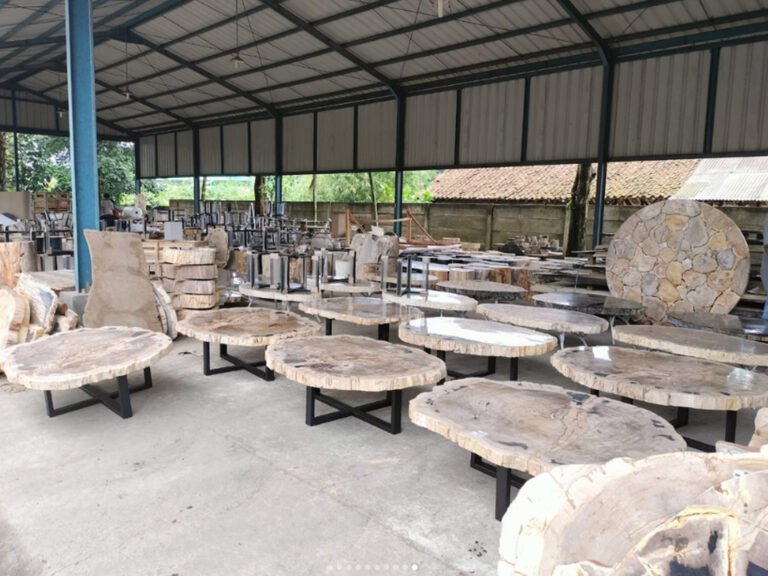
Petrified wood, prized for its unique patterns and geological history, is a natural resource abundant in Indonesia. With increasing global demand, particularly in furniture, home décor, and jewelry sectors, concerns over the environmental and ecological consequences of mining this fossilized wood have grown. Sustainability of petrified wood mining in Indonesia is a crucial concern both for local communities and international buyers seeking ethically sourced materials. This article explores Indonesia’s initiatives, challenges, and future prospects in ensuring that petrified wood is mined responsibly and sustainably.
What Is Petrified Wood and Why Is It Valued?
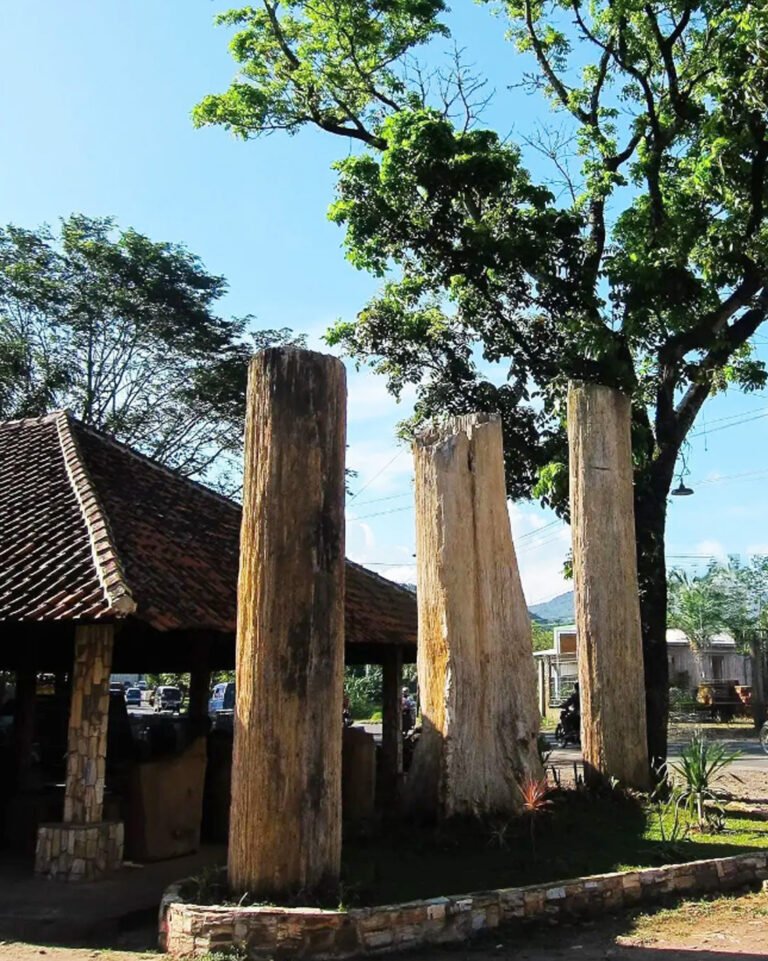
Petrified wood is a type of fossil formed when plant material is buried by sediment and protected from decay due to oxygen and organisms. Mineral-rich water flows through the sediment, replacing the original plant material with silica, calcite, pyrite, or other minerals. Over millions of years, this process creates stone-like wood that retains the original structure of the trees. Indonesia is famed for its high-quality, vibrantly colored petrified wood, especially from Java and Kalimantan. The beauty, rarity, and ancient origin make it highly sought after in global markets.
The Environmental Challenges of Petrified Wood Mining
Petrified wood extraction, unlike industrial mining, is typically smaller in scale but can still pose significant environmental risks:
- Loss of Biodiversity: Removing petrified logs can disturb local ecosystems, especially when mining occurs in or near protected areas.
- Land Degradation: Surface disruption from unregulated digging can result in soil erosion and terrain changes.
- Water Pollution: Mining activities may introduce sediments and pollutants to local water sources, impacting aquatic life.
- Waste Generation: Unused fragments and overburden material can accumulate and disrupt natural habitats.
Sustainable mining patterns are therefore essential to minimize such effects.
Regulations Governing Petrified Wood Mining in Indonesia
Indonesia has implemented several policies and regulations to safeguard petrified wood deposits and ensure responsible mining. Key regulations include:
- Mining Permits: All extraction activities require official permits from local or national authorities, ensuring compliance with environmental standards.
- Protected Sites: Certain petrified wood sites are designated as conservation zones, where mining is strictly prohibited or highly restricted.
- Export Regulations: Petrified wood intended for export must meet specific documentation and certification to prove it was harvested responsibly.
- Local Community Participation: Laws encourage involving local communities in monitoring and regulating mining to promote shared responsibility and benefits.
Responsible Sourcing and Best Practices
Responsible Mining Practices
Sustainable petrified wood mining in Indonesia often includes the following best practices:
- Site assessments to minimize habitat disturbance
- Limitation of extraction volumes to prevent resource depletion
- Restoration of mined areas through land rehabilitation and planting
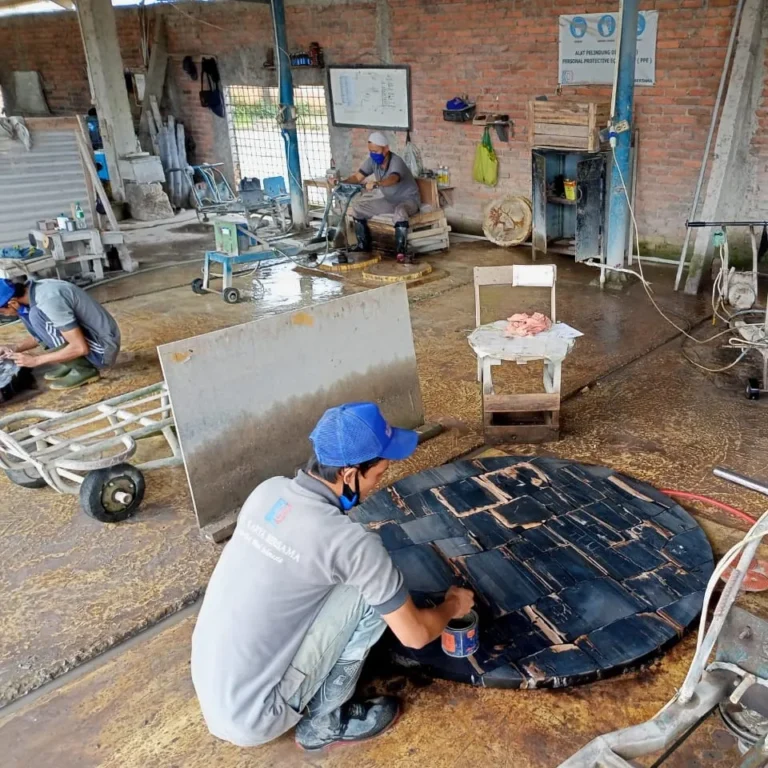
- Use of manual tools or low-impact machinery to reduce environmental footprint
- Proper waste management, including backfilling and landscaping post-extraction sites
The Role of Certification and Traceability
Certification schemes help assure buyers that petrified wood is sourced sustainably. Operators may adhere to national and international certification programs, documenting every step from extraction to export. Traceability systems allow buyers to verify the origin and ethical credentials of their petrified wood products.
The Socio-Economic Impact of Sustainable Mining
Petrified wood mining, when conducted responsibly, benefits local economies, creates jobs, and can generate revenue for village development projects. By engaging in fair trade practices and community partnerships, the industry also helps preserve traditional knowledge and empowers local stakeholders.
Export and Global Demand
Indonesia is among the world’s key suppliers of petrified wood, especially to markets in the United States, Europe, and Asia. International buyers increasingly value environmental responsibility and often require documentation ensuring that mining operations do not damage biodiversity or violate local rights. By aligning with global expectations for eco-friendly sourcing, Indonesian suppliers strengthen their market position and contribute to positive environmental outcomes.
Challenges in Achieving Full Sustainability
Despite significant progress, some challenges remain:
- Enforcement of regulations can be inconsistent in remote or unofficial mining areas.
- Illegal mining, driven by high prices and demand, still exists, sometimes leading to overexploitation and habitat loss.
- Education and awareness among miners and buyers are ongoing needs.
Stakeholders, including government agencies, miners, exporters, and buyers, must continue collaborating to close these gaps.
How Can Buyers Support Sustainability?
International customers can play a vital role by:
- Requesting traceability documentation and ethical sourcing certifications.
- Choosing suppliers that demonstrate environmental responsibility and community engagement.
- Supporting industry efforts to educate and train miners on sustainable methods.
By prioritizing sustainability, buyers encourage responsible practices along the entire supply chain.
The Future of Sustainable Petrified Wood Mining in Indonesia
Indonesia’s commitment to balancing economic opportunity with ecological stewardship is key to the continued success of its petrified wood industry. Ongoing government regulation, industry self-governance, and consumer awareness are vital in ensuring that mining not only provides economic benefit but does so without compromising natural heritage. Responsible sourcing is fast becoming not just a trend, but a standard expectation in global trade.
Conclusion
The sustainability of petrified wood mining in Indonesia is a shared responsibility, requiring ongoing collaboration, adaptation, and ethical leadership. By prioritizing responsible mining, supporting regulations, and favoring transparency, Indonesia is set to remain a premier source for beautiful petrified wood products while preserving its unique geological and ecological wealth for generations to come.