
The Complete History of Petrified Wood in Indonesia
The Geological Origins of Indonesian Petrified Wood
The story of Indonesian petrified wood is one of deep geological time, spanning millions of years. This fascinating material is not merely a piece of stone; it is the result of a slow, transformative process known as permineralization. Beneath the volcanic landscapes that define much of the Indonesian archipelago, ancient forests were buried by layers of sediment and volcanic ash, protecting them from the usual decay associated with death and decomposition.
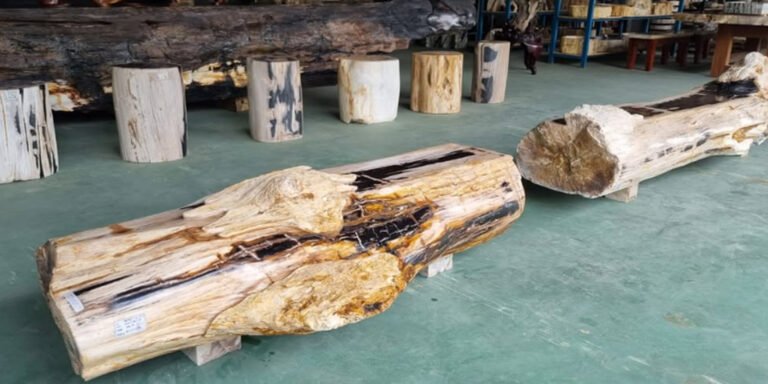
Over eons, groundwater rich in dissolved minerals—such as silica, iron, and manganese—percolated through the buried wood. As the cellular structure of the organic matter slowly broke down, these minerals took their place, molecule by molecule. The result is a perfect stone replica of the original tree, preserving every ring, knot, and bark texture. Understanding the geological story of Indonesian petrified wood is essential for appreciating the raw beauty and scientific significance that these specimens bring to modern interiors.
The Evolution of Petrified Wood in Indonesian Culture
While Western markets have only recently embraced petrified wood as a high-end luxury decor item, the material has long held a place in Indonesian culture. For generations, local communities have interacted with these “stone woods,” often regarding them with a sense of reverence. The sheer durability of these ancient remnants made them ideal for various traditional uses, serving as symbols of strength and longevity.
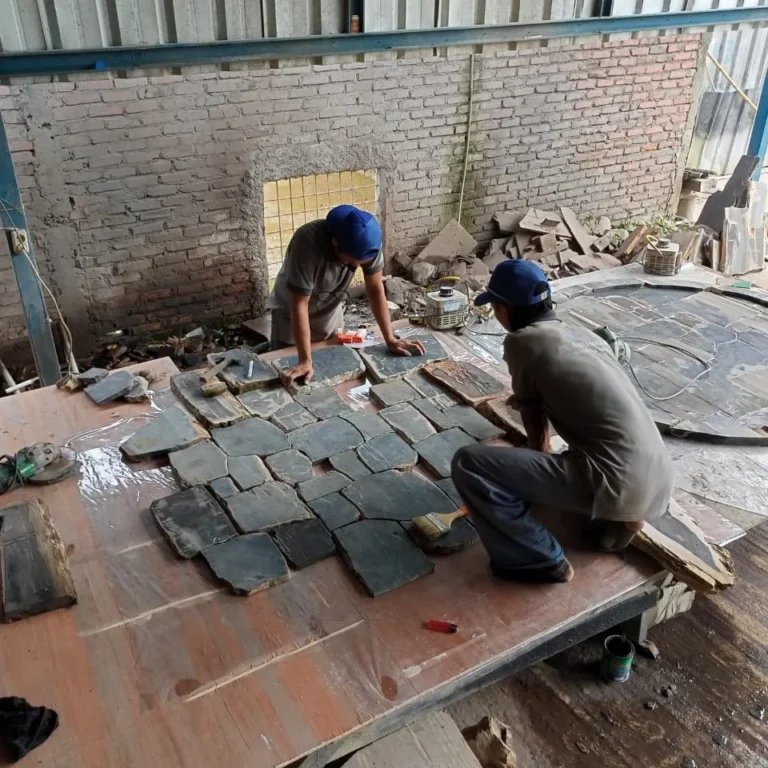
As artisans began to master the techniques required to cut, polish, and transform these heavy logs into functional objects, a new industry was born. This transition from geological curiosity to artisanal material helped preserve the history of the land while providing sustainable livelihood opportunities for local craftsmen. The cultural significance of petrified wood in Indonesia highlights how a natural relic can bridge the gap between ancient heritage and contemporary craftsmanship.
From Discovery to Global Export
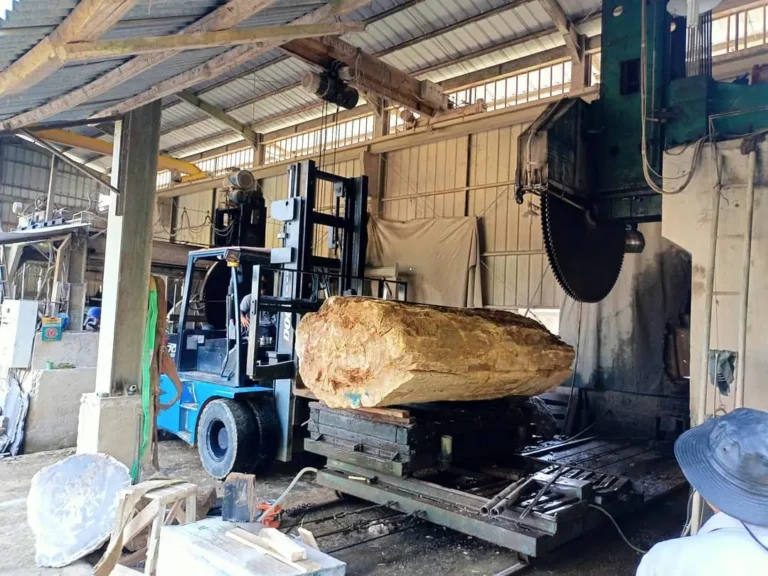
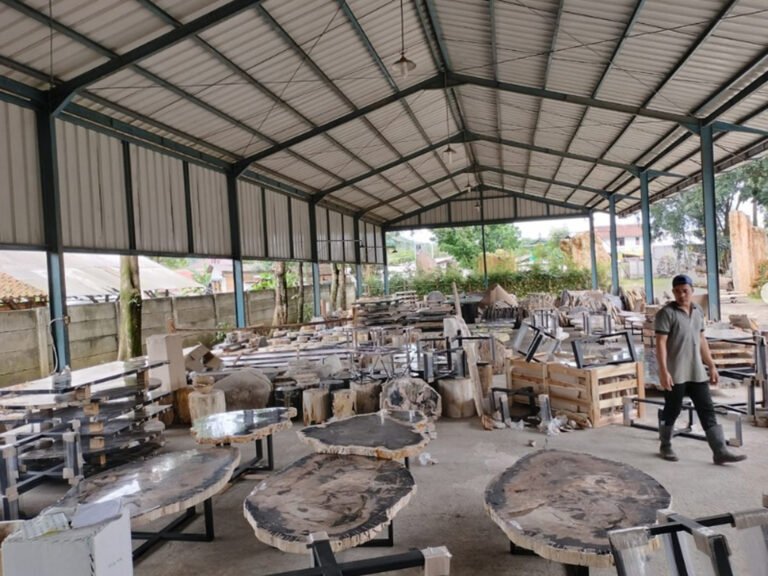
The rise of Indonesian petrified wood on the international stage was driven by the global demand for sustainable, high-end interior materials. As designers in Europe, North America, and beyond sought unique textures for luxury villas and high-end retail spaces, Indonesia emerged as a primary source of high-quality specimens. The industry has matured significantly, moving from raw extraction to sophisticated manufacturing processes.
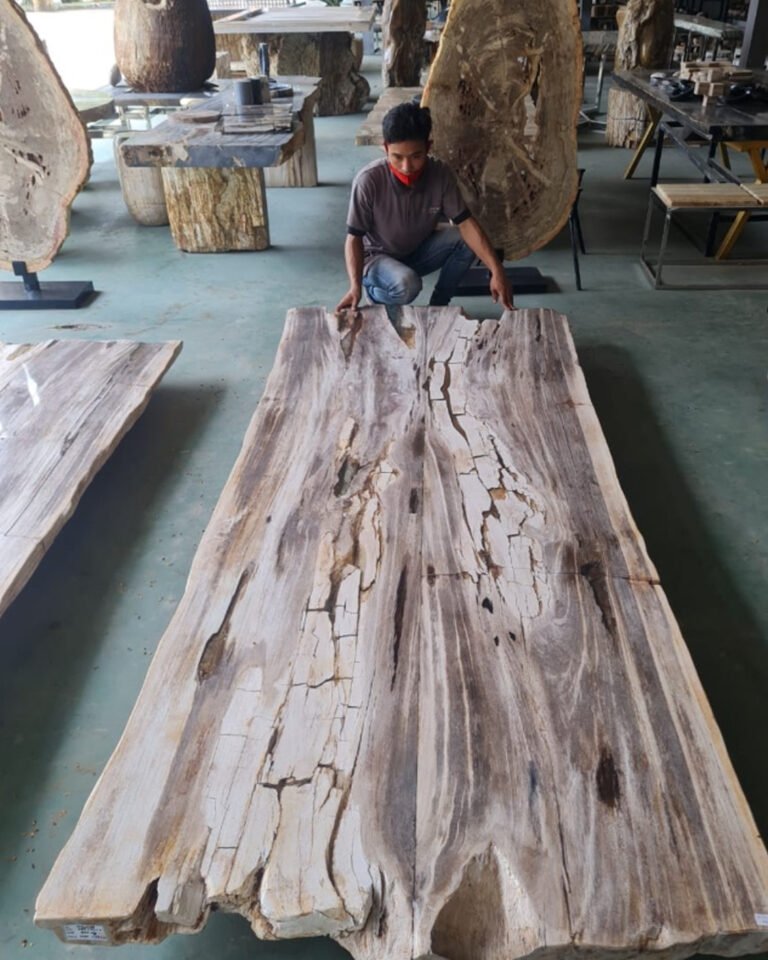
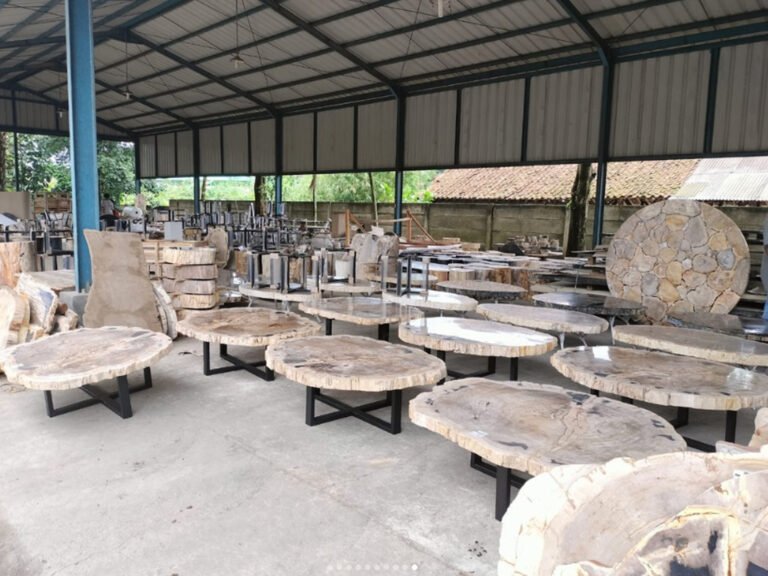
Today, Java Petrifiedwood leads the way in ensuring that each piece—whether it is a sculptural stool or a massive slab table—is processed with the respect that this ancient material deserves. By combining traditional manual techniques with modern finishing technology, the industry ensures that the history and natural beauty of every specimen are preserved for future generations. Those interested in the global impact can explore why modern restaurants and high-end projects increasingly favor these stone masterpieces for their unmatched aesthetic and durability.
Why Indonesian Petrified Wood Remains a Timeless Asset
The enduring appeal of petrified wood lies in its paradox: it is wood, yet it is rock. This unique physical property makes it one of the most versatile materials in modern architecture and design. Because it does not warp, rot, or deteriorate like conventional wood, it serves as a long-term investment for collectors and homeowners alike.
When you acquire a piece of Indonesian petrified wood, you are holding a fragment of the Earth’s history. Each piece is a unique chronicle of a forest that thrived millions of years ago, frozen in time by volcanic activity. This inherent value, combined with the skilled labor involved in its preparation, ensures that its popularity will continue to grow as we move further into the 21st century.
Frequently Asked Questions
How old is the petrified wood found in Indonesia?
Most petrified wood found in Indonesia dates back to the Miocene epoch, which occurred approximately 5 to 25 million years ago. During this time, significant volcanic activity buried vast forests under mineral-heavy ash layers.
Is the extraction of petrified wood harmful to the environment?
When managed correctly, the collection of petrified wood is a surface-level activity that does not require large-scale industrial mining. At Java Petrifiedwood, we prioritize ethical sourcing to ensure that the process respects the surrounding environment and local regulations.
Why is Indonesian petrified wood considered the best in the world?
Indonesia is home to a unique combination of ancient tropical forests and intense, mineral-rich volcanic activity. This specific geological environment leads to the creation of highly detailed fossils with vibrant, diverse color palettes that are difficult to find elsewhere.
How do I ensure the petrified wood I purchase is authentic?
Authentic petrified wood will exhibit visible organic growth rings and bark patterns under magnification. It should feel significantly heavier than wood and should feel cold to the touch like stone. Always source from reputable suppliers who provide transparency regarding their origin and processing methods.
If you are interested in incorporating a piece of geological history into your next design project, contact our team at Java Petrifiedwood today. We specialize in providing high-quality, ethically sourced petrified wood products tailored to your design requirements.