

The Cultural Significance of Petrified Wood in Indonesia
The Timeless Legacy of Petrified Wood in Indonesia
In the vast archipelago of Indonesia, petrified wood is more than just a geological curiosity or a decorative material. It is a profound bridge between the prehistoric past and contemporary artistic expression. Often referred to as ‘kayu fosil’ by local communities, these ancient remains carry a weight of history that spans millions of years, reflecting the dramatic tectonic and volcanic shifts that have shaped the Indonesian landscape. For those interested in the geological story of Indonesian petrified wood, understanding its cultural journey is essential to appreciating its true value.
For centuries, local wisdom has revered stone-like wood for its durability and unique appearance. Unlike conventional timber, which decays over time, petrified wood represents a transformation where organic beauty is preserved in stone. This inherent quality of endurance has cemented its place in local mythology and traditional craftsmanship, where it is often perceived as a symbol of longevity and ancestral connection.
Artisanship and Cultural Preservation
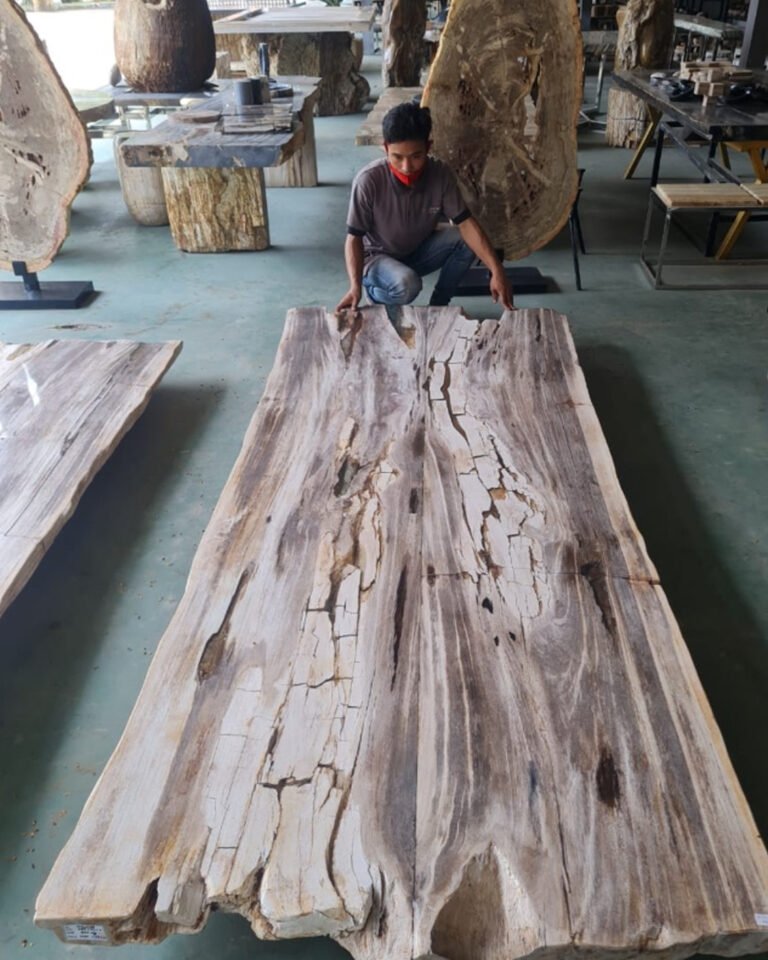
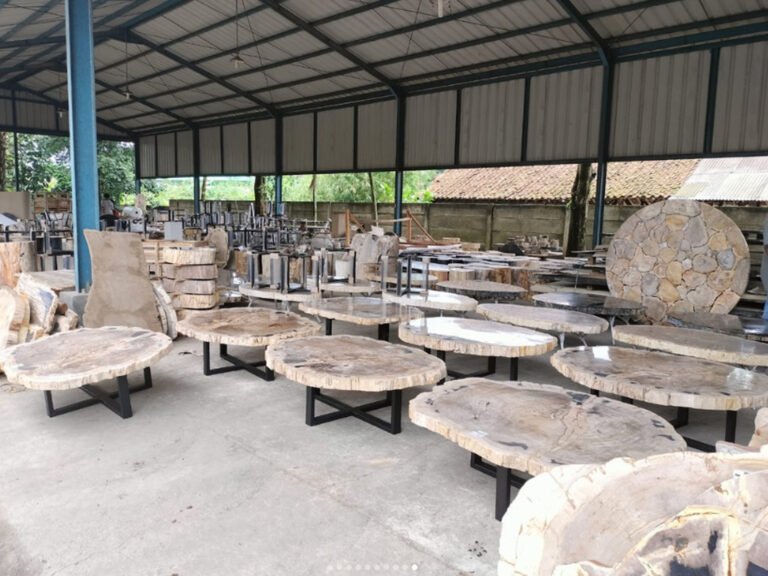
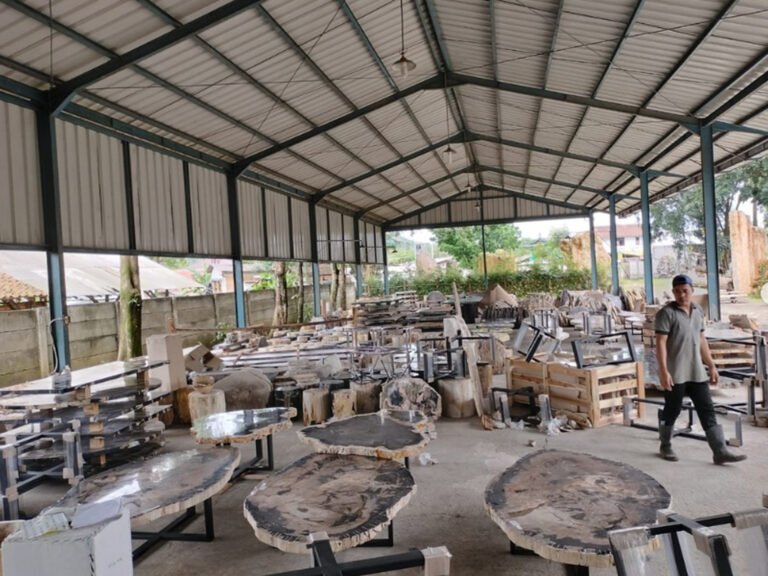
The cultural significance of petrified wood in Indonesia is deeply intertwined with the skill of local artisans. Throughout the islands, particularly in regions where these fossils are naturally occurring, traditional woodworkers have transitioned their skills to master the complex process of shaping stone. This evolution of craft demonstrates how historical techniques can be adapted to honor the material’s integrity.
When you explore how Indonesian artisans carve petrified wood by hand, you are witnessing a practice that values patience and respect for the natural patterns formed by mineral replacement. This artisanal dedication ensures that the cultural heritage embedded within each piece is maintained, creating a narrative that travels from the source to the modern living room.
Symbolism in Modern Context
In contemporary times, the appreciation for petrified wood has shifted from purely spiritual or symbolic uses to a sophisticated interior design choice. However, the cultural reverence remains. Designers and homeowners often choose this material not just for its aesthetic appeal, but for the story it tells—a story of resilience and the Earth’s enduring power. It serves as a grounding element in homes, connecting modern spaces to the ancient history of the region.
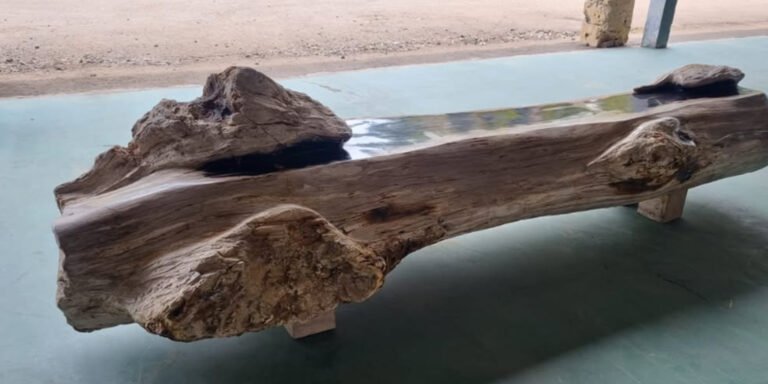
Whether it is used in a minimalist setting or a grand architectural project, the presence of petrified wood serves as a reminder of the natural world’s majesty. For those looking to incorporate this, it is fascinating to observe how Indonesian petrified wood in modern architect projects balances prestige with deep-rooted tradition, offering an authentic touch of Indonesia to international spaces.
Cultural Appreciation Through Sustainable Sourcing
The preservation of Indonesian heritage also involves responsible sourcing. By supporting ethical trade, international buyers contribute to the local economy and help preserve the artisanal knowledge passed down through generations. This responsible approach ensures that the cultural significance of petrified wood is not diminished by exploitation, but rather enhanced through fair and sustainable appreciation.
Practical Considerations for Enthusiasts
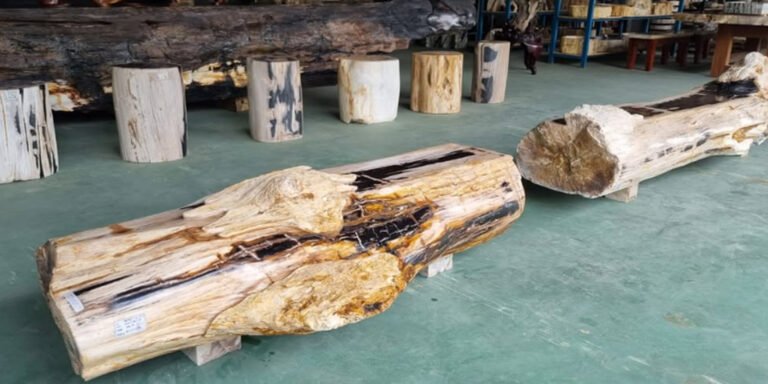
- Authenticity: Always look for natural, untreated surfaces that reveal the original cellular structure of the ancient tree.
- Artisan Story: Understanding the origin and the craftsmanship involved adds intrinsic value to your collection.
- Care: Despite its stone-like hardness, proper maintenance ensures the piece remains a timeless heirloom for future generations.
By bringing a piece of Indonesian petrified wood into your space, you are not merely purchasing furniture or decor; you are adopting a piece of geological and cultural history. We invite you to explore our collection at Java Petrifiedwood, where we curate high-quality pieces that honor the legacy of this incredible material. Contact our team today to discover how you can bring a timeless piece of Indonesian heritage into your home.
One Comment