

How Petrified Wood Forms: The Science Behind Fossilized Wood
The Geological Mystery: How Petrified Wood Forms
Petrified wood is more than just a decorative stone; it is a geological time capsule. Often referred to as “stone wood,” this remarkable material is the result of a slow, complex, and fascinating natural process that spans millions of years. Understanding how petrified wood forms allows us to appreciate the true value of these treasures found in Indonesia’s diverse landscapes.
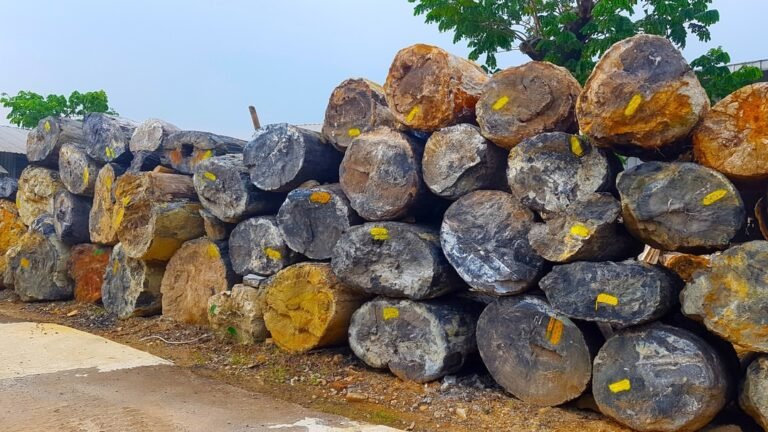
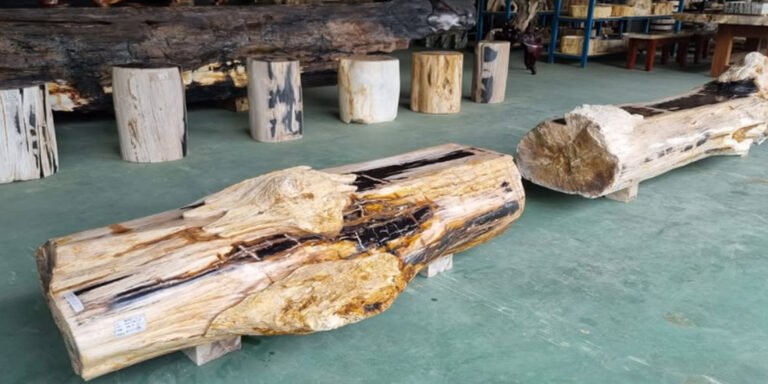
At its core, petrification is a type of fossilization. It occurs when organic plant material is replaced by minerals, essentially turning the wood into rock while preserving its original structure—including growth rings, bark texture, and even cellular details. For those interested in the geological story of Indonesian petrified wood, exploring the science behind this transformation is essential.
The Step-by-Step Process of Permineralization
The transition from a living tree to a hardened fossil involves several specific environmental conditions. The primary mechanism at work is known as permineralization.
- Rapid Burial: The process begins when a tree is buried under layers of volcanic ash, mud, or sediment. This rapid burial is critical because it protects the wood from oxygen and decay-causing bacteria, which would otherwise break down the organic tissue.
- Mineral-Rich Groundwater: Over time, groundwater rich in dissolved minerals—most commonly silica (quartz), but sometimes iron, manganese, or calcite—seeps into the buried wood.
- Cellular Replacement: As the original organic material (cellulose and lignin) slowly decays, the mineral-rich water fills the voids and eventually replaces the cell walls. This replacement happens molecule by molecule, which is why the intricate details of the tree are so perfectly preserved.
- Crystallization: After eons, the silica crystallizes within the wood, turning it into a solid, heavy, and extremely durable stone.
The Role of Minerals in Coloration
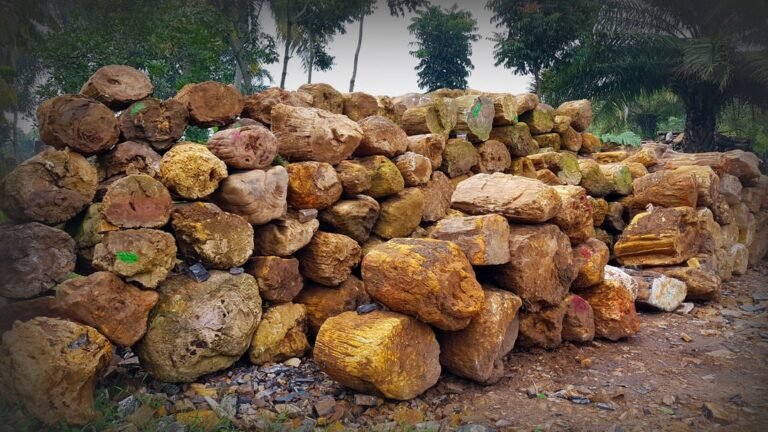
One of the most captivating aspects of Indonesian petrified wood is its spectacular range of colors. The colors are not inherent to the tree but are determined by the specific mineral composition of the surrounding sediment during the fossilization process.
| Mineral Presence | Typical Color Result |
|---|---|
| Iron Oxides | Red, brown, yellow, or orange |
| Manganese Oxides | Black, purple, or deep blue |
| Chromium or Copper | Green or blue hues |
| Pure Silica | White or clear |
Why Indonesia is a Hotspot for Petrified Wood
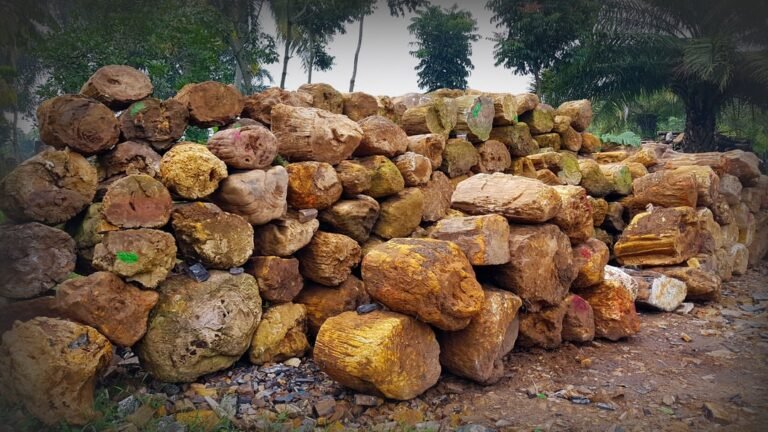
Indonesia’s unique geographical position, characterized by intense historical volcanic activity, provides the perfect environment for this process. The connection between volcanoes and petrified wood is profound; volcanic eruptions create the silica-rich ash beds necessary to trigger the permineralization process. This is why Indonesian deposits are world-renowned for their high quality, size, and stunning aesthetic variety.
Preserving Nature’s Masterpiece
Because the process takes millions of years, every piece of petrified wood is inherently unique. Whether it is being used for luxury landscaping or as a centerpiece in high-end architecture, petrified wood serves as a link to prehistoric forests. Its extreme durability and resistance to the elements make it a superior choice for both indoor and outdoor applications.
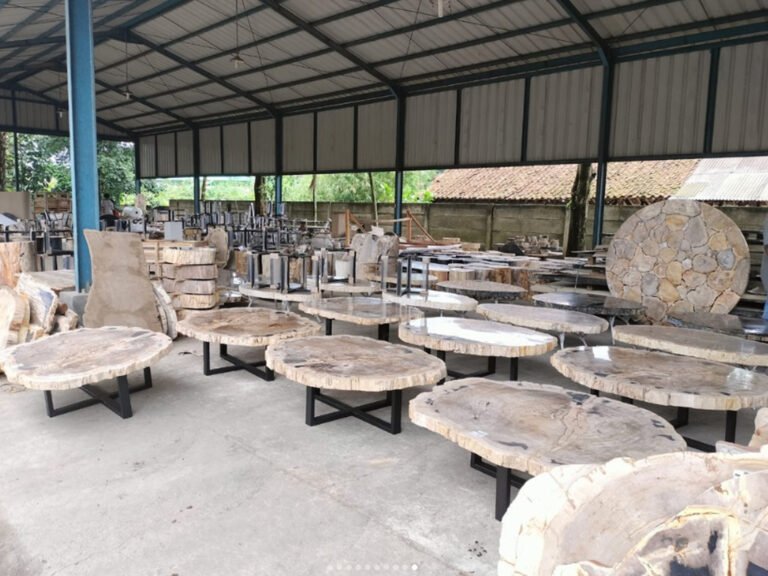
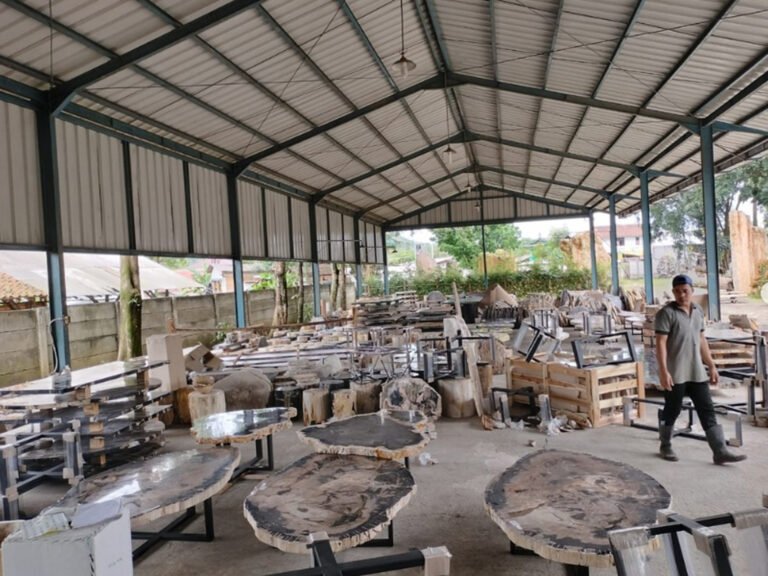
Are you looking to incorporate these natural masterpieces into your next project? At Java Petrifiedwood, we source and process high-quality, authentic fossilized wood to meet the needs of designers and collectors worldwide. Explore our collection or contact our team to learn more about how we can support your specific requirements.
FAQ: Common Questions About Petrified Wood Formation
- How long does it take for wood to petrify?
The process is extremely slow and generally takes millions of years to complete, depending on the speed of mineral replacement and the environmental conditions of the burial site. - Does all petrified wood turn into quartz?
While silica (quartz) is the most common mineral used in petrification, other minerals can also replace the wood tissue, which results in different hardness levels and color profiles. - Can you tell what kind of tree it was?
Yes. Because the mineral replacement happens at a microscopic level, paleobotanists can often identify the original tree species by examining the cellular structure preserved in the fossil. - Is petrified wood considered a stone?
Chemically, yes. Once the organic material has been fully replaced by minerals, the object is technically a stone, maintaining the hardness and density of minerals like quartz or chalcedony.
6 Comments