
Petrified Wood vs Fossilized Wood: What Is the Difference?
Understanding the Relationship Between Petrified Wood and Fossilized Wood
In the world of geology and interior design, you will often encounter the terms “petrified wood” and “fossilized wood” used in the same context. For many enthusiasts and designers, these terms might seem synonymous, but understanding the nuance between them can help you better appreciate the history behind these natural masterpieces. At what is petrified wood? A complete guide to Indonesian petrified wood, we often clarify that while all petrified wood is fossilized, not all fossilized wood is necessarily petrified.
To understand the difference, we must first look at the broader category. A fossil is any preserved evidence of ancient life. Fossilized wood, therefore, is a general term describing any organic plant material that has been preserved in the earth’s crust over millions of years. This preservation can happen in several ways, including carbonization, permineralization, or replacement.
Defining Petrified Wood: The Result of Permineralization
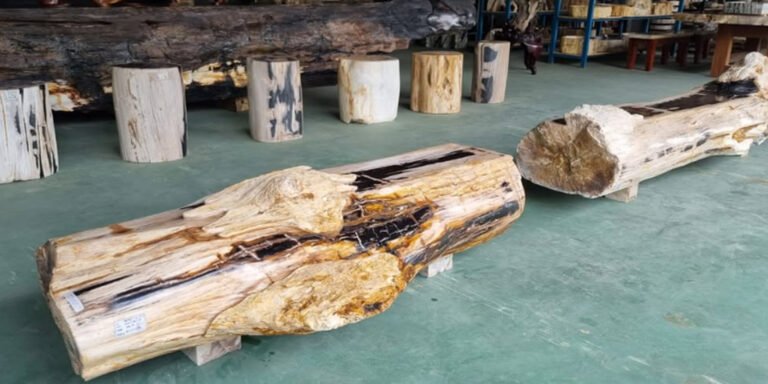
Petrified wood is a specific subset of fossilized wood. It forms through a unique process known as permineralization. When a tree falls and is quickly buried by sediment—often volcanic ash in regions like Indonesia—it is shielded from oxygen and decay. Over time, groundwater rich in dissolved minerals, such as silica or quartz, flows through the microscopic pores of the wood. These minerals slowly replace the organic cellular structure of the wood with stone.
This process is what creates the stunning, rock-hard material that is highly prized in luxury furniture. As we explore in our guide on how petrified wood forms: the science behind fossilized wood, the specific minerals present in the local environment determine the vibrant colors that make each piece of Indonesian petrified wood unique.
Comparing the Terms: Is There a Practical Difference?
For collectors, architects, and interior designers, the practical distinction usually boils down to the state of the material. When someone uses the term “fossilized wood” in a commercial setting, they are almost always referring to petrified wood. Here is a quick breakdown to help you distinguish between the two:
| Feature | Fossilized Wood | Petrified Wood |
|---|---|---|
| Definition | General term for any wood fossil. | Specific type of fossilized wood replaced by minerals. |
| Formation | Various geological preservation methods. | Permineralization via silica-rich water. |
| Common Use | Academic or broad scientific contexts. | Art, furniture, decor, and collectibles. |
Why Context Matters
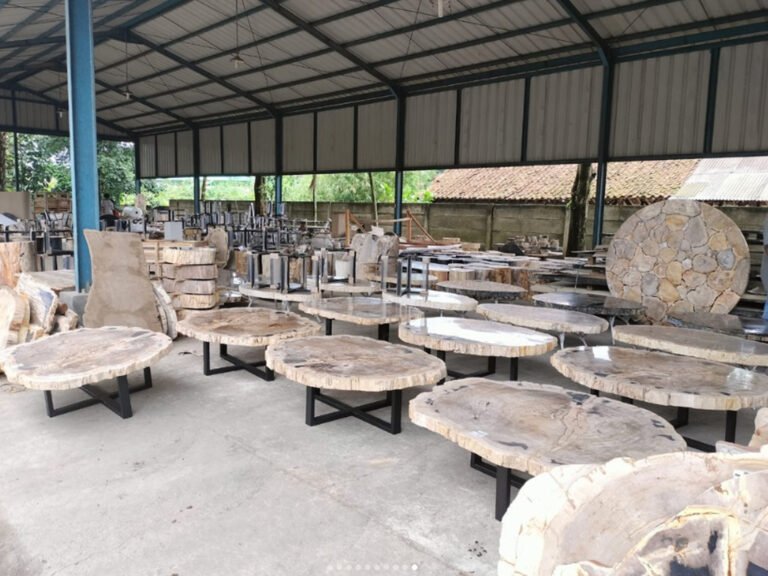
While a scientist might distinguish between a carbonized twig (which is a fossil) and a silica-replaced log (which is petrified), the marketplace uses these terms to signify different levels of durability and aesthetic value. Because petrified wood has been turned into a literal stone, it is extremely durable and suitable for heavy-duty applications like flooring, tabletops, or sculptural elements. Understanding these Indonesian petrified wood features you should know is essential for anyone looking to invest in these timeless natural treasures.
The Appeal of Indonesian Petrified Wood
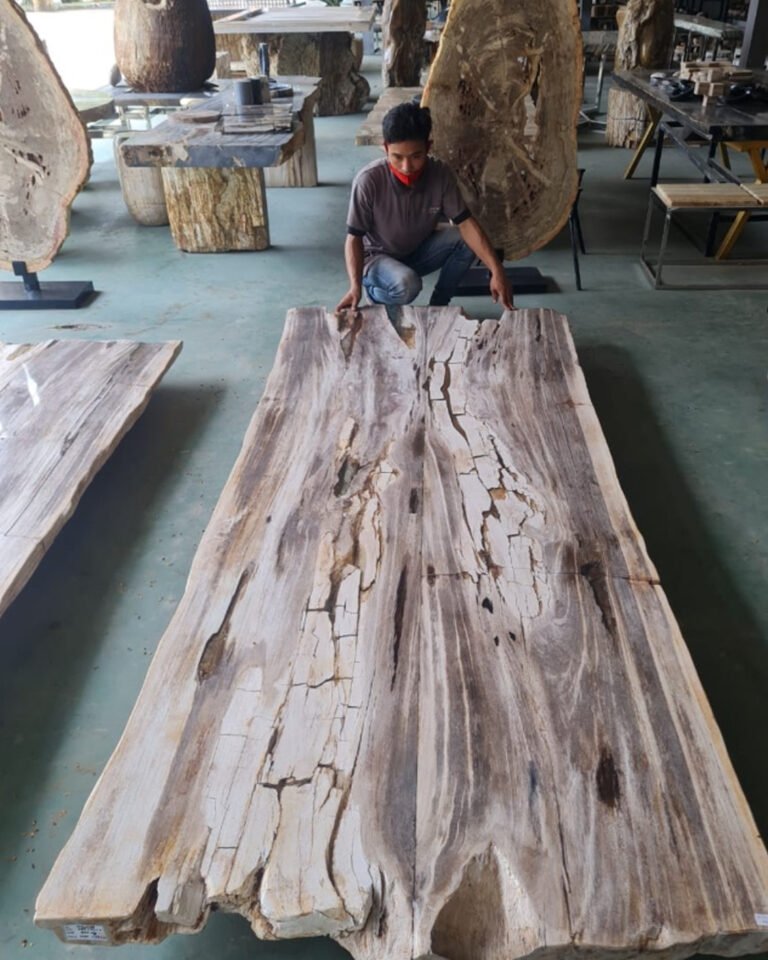
Indonesia is home to some of the most significant deposits of petrified wood in the world. Due to the archipelago’s intense volcanic history, many ancient forests were buried rapidly, leading to high-quality specimens with exceptional detail. Whether you are searching for a large slab for a dining table or a unique decorative sculpture, knowing that you are purchasing authentic petrified wood—a specific, high-mineral-content form of fossilized wood—ensures you are getting a product that will last for generations.
Final Thoughts
Whether you call it fossilized wood or petrified wood, the history contained within these specimens is truly remarkable. Petrified wood is effectively nature’s own sculpture, preserving the history of ancient ecosystems in a durable, stone-like format. If you are ready to incorporate this natural wonder into your next interior design or landscaping project, browse our collection at Java Petrifiedwood to find the perfect piece for your needs.
Frequently Asked Questions (FAQ)
- Is petrified wood heavier than regular wood? Yes, because the organic structure has been replaced by minerals like silica, petrified wood is much denser and heavier than traditional timber.
- Can fossilized wood rot? True petrified wood cannot rot because it is composed of minerals. It is as stable and long-lasting as stone.
- How can I tell if I have real petrified wood? Authentic petrified wood will feel cold to the touch, be very heavy, and usually show visible remnants of the original wood grain when inspected closely.
- Why is Indonesian petrified wood so popular? Its quality, color variation, and the sheer scale of the specimens found in Indonesia make it highly desirable for high-end furniture and architecture worldwide.