
The History of Petrified Wood in Indonesia
Introduction
Petrified wood, a unique blend of nature’s artistry and geological transformation, has a long and storied history in Indonesia. Renowned for its vibrant colors, intricate patterns, and ancient origins, Indonesian petrified wood has fascinated scientists, collectors, and artisans around the world. This article provides an in-depth exploration of the history of petrified wood in Indonesia, tracing its formation, historic uses, cultural relevance, and evolution into a global commodity.
Geological Origins: How Petrified Wood Forms
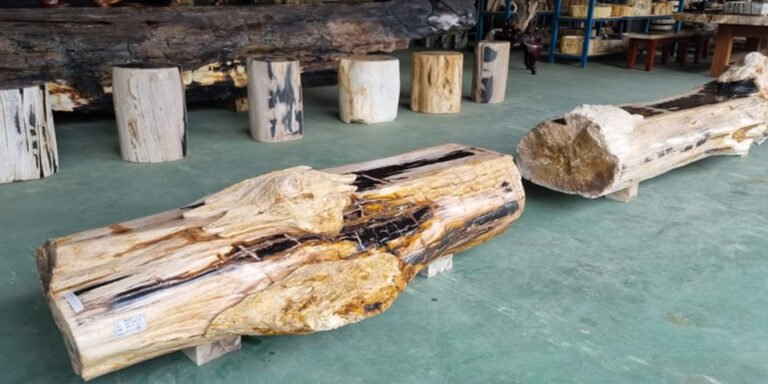
Petrified wood is the result of a natural process known as permineralization, where organic plant material is gradually replaced by minerals such as quartz over millions of years. In Indonesia, this process began during the Tertiary period, when dense ancient forests once covered regions across Java, Sumatra, and Kalimantan. Volcanic eruptions and massive floods buried trees under layers of ash and sediment, cutting off oxygen and halting decomposition. Over the next 20–30 million years, silica-rich waters permeated the buried wood, replacing organic matter and preserving the original structures in exquisite detail.
The Unique Profile of Indonesian Petrified Wood
Indonesian petrified wood is celebrated for its wide color palette, from rich browns and reds to golds and even blues. The volcanic activity that shaped Indonesia’s landscapes also contributed to the diversity of minerals responsible for these vibrant hues, setting Indonesian wood apart from specimens found in other parts of the world.
Discovery and Early Uses of Petrified Wood in Indonesia
Ancient Findings and Local Significance
The presence of fossilized wood in Indonesia has been known to local populations for centuries, with many communities regarding it as a sacred or mystical material. Archaeological excavations across Java and Sumatra have uncovered ancient tools, ritual artifacts, and decorative objects carved from petrified wood, indicating its use by early societies in spiritual and daily life.
Cultural Beliefs and Legends
In Javanese culture, petrified wood was often ascribed protective powers or healing properties. Local legends tell of ancient trees petrified by lightning or divine intervention, adding to the aura of mystique surrounding these ancient stones. Today, some rural communities still incorporate petrified wood into their rituals or home architecture for luck and protection.
Modern Rediscovery and Economic Development
Petrified Wood as a Trade Commodity
The global interest in Indonesian petrified wood surged in the late 20th century, when the gemstone and fossil trade recognized its high quality and artistic possibilities. Large deposits in East and Central Java began to be commercially excavated in the 1980s and 1990s, coinciding with a global boom in collecting natural wonders.
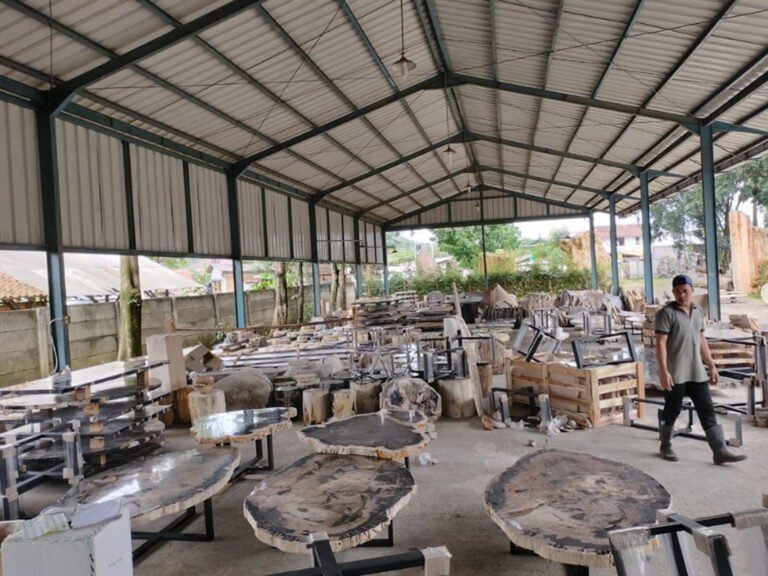
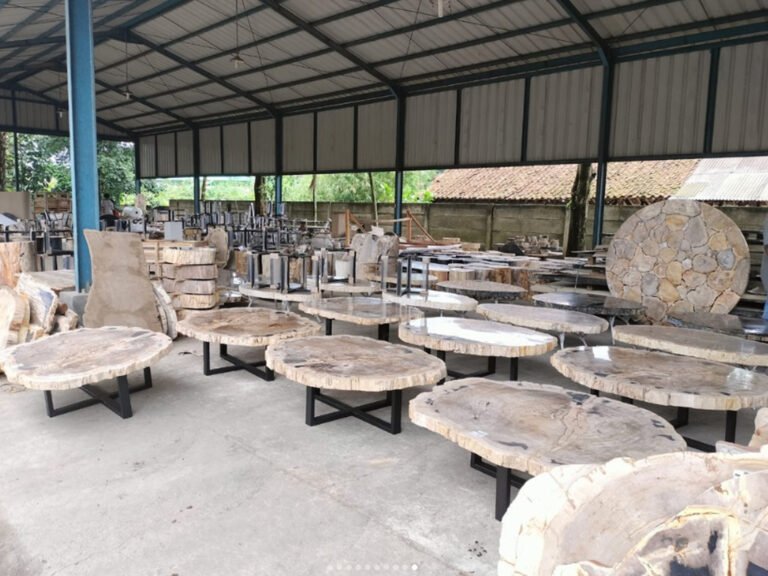
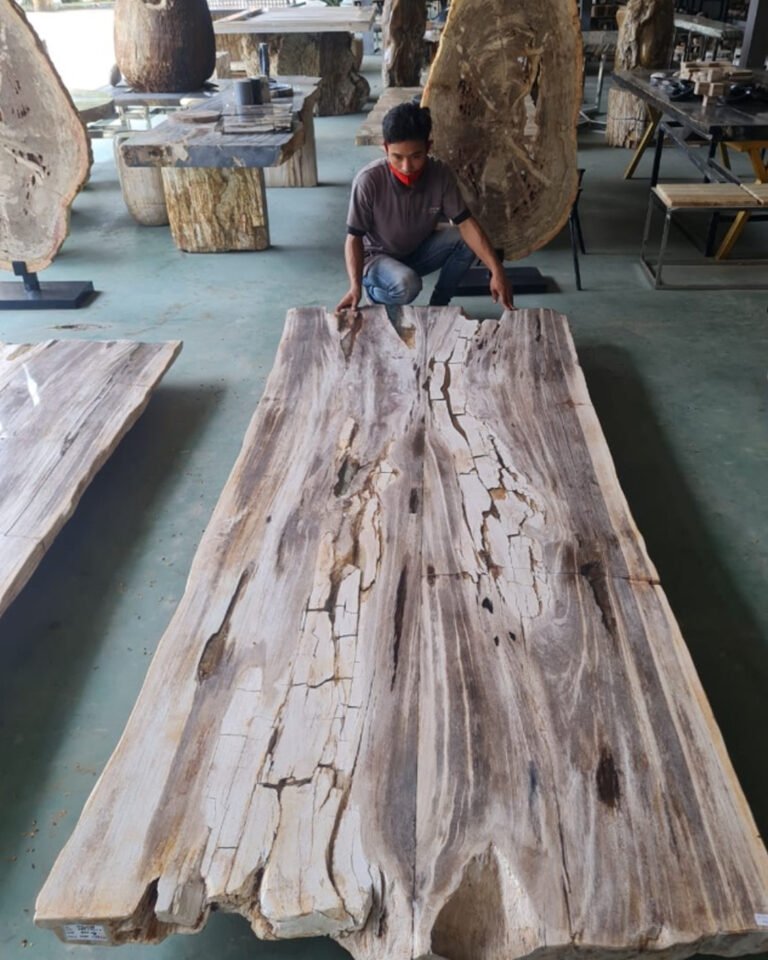
Petrified wood from Indonesia gained prominence in international markets as collectors, interior designers, and jewelers sought this rare stone for furniture, decorative items, and luxurious countertops. Indonesia quickly established itself as one of the world’s leading suppliers, exporting fossilized wood to the United States, Europe, China, and beyond.
Artisan Craft and Interior Design
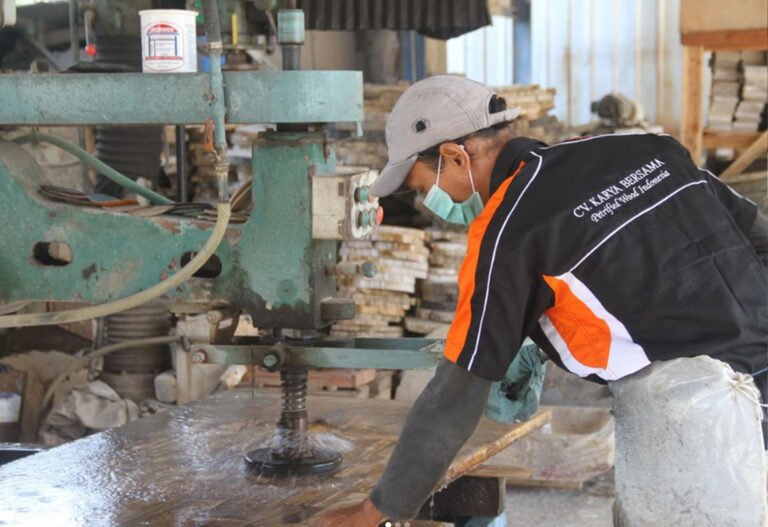
Indonesian artisans have developed a tradition of carving, polishing, and designing petrified wood into fine art pieces, tables, sinks, and sculptures. Each piece, millions of years old, becomes both an artwork and a slice of Earth’s history. Interior design trends have further popularized the use of petrified wood for both indoor and outdoor settings, prized for its durability and unique aesthetic appeal.
Cultural and Scientific Significance
Archaeological Insights
Studying petrified wood in Indonesia not only reveals information about ancient forests but also provides clues about the prehistoric climate, flora, and geological events. Fossils from Sumatra, Java, and Borneo have contributed to research on species evolution and environmental changes over millennia.
Symbolism and Heritage
Petrified wood continues to hold cultural significance in Indonesia. Museums and mineral shows across Indonesia feature impressive displays, while local artists keep traditions alive by creating new works that blend ancient materials with modern creativity.
Petrified Wood and Indonesia’s Place in the Global Market
Export Boom and International Demand
Indonesia’s high-quality petrified wood is now a sought-after material for international buyers, including gemstone collectors, furniture manufacturers, and luxury decorators. Java is particularly famous for its translucent, vividly colored pieces, making it a prime destination for exporters and buyers worldwide. The export industry not only brings economic benefits to local communities but also helps put Indonesian craftsmanship and natural heritage on the map.
Legal and Environmental Considerations
As global demand grew, Indonesian authorities have implemented regulations to ensure sustainable and legal sourcing of petrified wood. Responsible mining and export practices aim to protect remaining deposits and local ecosystems. Today, reputable suppliers provide certification and adhere to both Indonesian and international standards, ensuring buyers receive ethically sourced materials.
Conclusion: The Continuing Story of Indonesian Petrified Wood
The history of petrified wood in Indonesia is a compelling saga of natural transformation, cultural heritage, and international opportunity. From its origins in ancient rainforests to its role in today’s global market, Indonesian petrified wood remains a testament to the wonders of geological time and local artistry. As awareness of its value and beauty continues to grow, so does its status as one of Indonesia’s most remarkable natural treasures.
Frequently Asked Questions
What is Indonesian petrified wood, and what makes it unique?
Indonesian petrified wood is fossilized ancient tree material, transformed into stone over millions of years. Its vibrant colors, striking patterns, and excellent quality distinguish it from petrified wood found elsewhere in the world.
How did petrified wood form in Indonesia?
Indonesia’s petrified wood formed when fallen trees were buried under volcanic ash and sediment. Over millions of years, minerals replaced the organic material, creating stone copies of the original wood structures.
Why is Indonesian petrified wood so popular internationally?
Its unique colors, durability, and artistic value make it a favorite for collectors, designers, and jewelers worldwide. The Indonesian petrified wood market also benefits from skilled local artisans and sustainable sourcing practices.
What are the main uses of petrified wood from Indonesia?
Indonesian petrified wood is used for jewelry, decorative objects, countertops, furniture, sculptures, and architectural features. Its rarity and beauty make it suitable for luxury and bespoke design projects.
Is Indonesian petrified wood ethically sourced?
Reputable Indonesian suppliers ensure that petrified wood is mined and exported according to local regulations, supporting responsible trade and environmental stewardship. Buyers should always ask for certification and legal documentation.