

How Petrified Wood Is Formed: The Science Behind Stone Wood
Introduction: The Allure of Petrified Wood
Petrified wood, often called “stone wood,” captivates both scientists and collectors worldwide due to its extraordinary beauty and the fascinating natural process responsible for its creation. But how exactly does ordinary wood, once living and organic, transform into a fossilized stone over millions of years? In this article, we will explore how petrified wood is formed, unraveling the science and geology that underlie this remarkable transformation.
The Definition of Petrified Wood
Petrified wood is fossilized remains of terrestrial vegetation where all organic materials have been replaced with minerals—typically silicate minerals such as quartz—while retaining the original wood’s structure, grain, and even cellular details. This preservation creates a natural artwork that is millions of years old, each piece uniquely colored and patterned by its mineral content.
The Science Behind Stone Wood: The Petrification Process
The transformation from wood to stone, known as permineralization or petrification, is a complex process that unfolds over millions of years. Let’s break down the scientific steps that form petrified wood.
Step 1: Rapid Burial
The first crucial requirement for petrified wood formation is rapid burial. After a tree falls, it must be quickly covered by sediment, volcanic ash, or mud. This burial shields the wood from decay, oxygen, and micro-organisms that would otherwise decompose it.
Step 2: Saturation by Mineral-Rich Water
Once buried, groundwater rich in dissolved minerals permeates the wood. Common sources of these minerals include volcanic ash (abundant in places like Indonesia) and adjacent soils. Over time, the water carries minerals into the wood’s porous cells.
Step 3: Mineral Replacement (Permineralization)
As mineral-laden water continues to saturate the wood, organic cell walls begin to break down, and minerals start precipitating into the wood’s cellular spaces. The most common minerals involved are silica (quartz), but calcite, pyrite, and opal are also found in different localities.
Gradually, the original cellular structure is replaced with these minerals, yet the microscopic structure and even tree rings can be perfectly preserved. This process can take thousands to millions of years, depending on environmental conditions and available minerals.
Step 4: Complete Fossilization
Once all organic materials have been replaced, what remains is a solid, stone-like replica of the original tree, complete with intricate details but now composed entirely of minerals. This is the final, stunning form of petrified wood.
Key Minerals in Petrified Wood
The coloration and patterns seen in petrified wood depend on the specific minerals infiltrating the wood during fossilization. Common mineral contributors include:
- Silica (Quartz): The most prevalent mineral, giving petrified wood its hardness and glassy luster.
- Iron Oxides: Produce red, orange, or yellow hues.
- Manganese Dioxides: Create blue, black, or purple colors.
- Copper, Chromium, and Cobalt: Responsible for green and blue tones.
- Carbon: Results in black or greyish shades.
This natural mineral coloring contributes to the breathtaking appearance of Java petrified wood and other global sources.
Environmental Factors Influencing Petrified Wood Formation
The quality, size, and colors of petrified wood are influenced by multiple geological and environmental settings:
- Sediment Type: Fine volcanic ash or mud helps preserve fine details.
- Mineral Content: The minerals available in groundwater dramatically affect color and texture.
- pH and Temperature: Acidic or neutral waters speed up mineralization, as does higher temperature due to geothermal activity.
- Time: The longer the wood remains buried and exposed to mineral-rich water, the more complete the fossilization.
Petrified Wood in Indonesia: A Unique Heritage
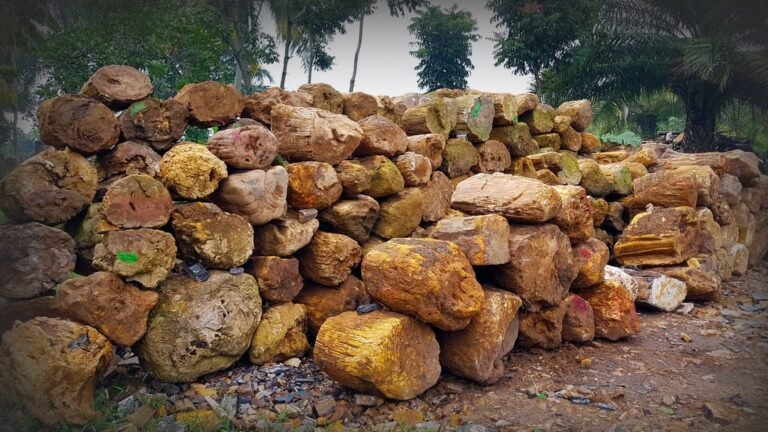
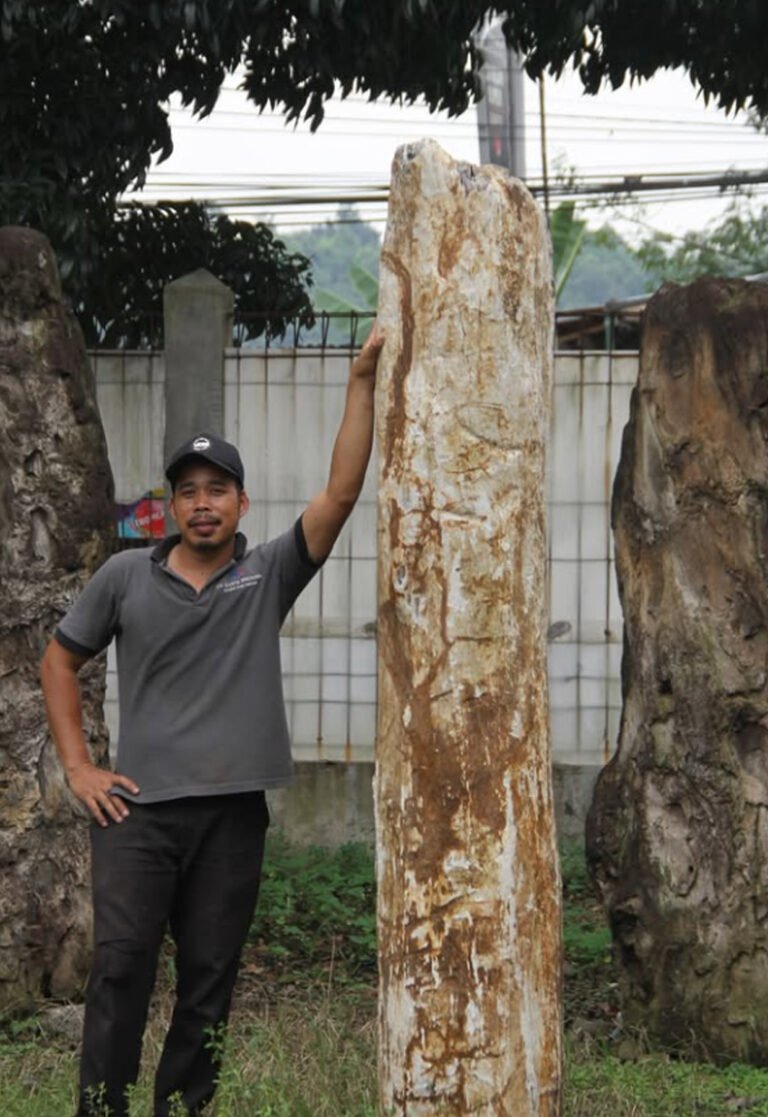
Indonesia, especially the island of Java, is world-renowned for its rich deposits of petrified wood. Here, volcanic activities furnish abundant mineral sources, and massive volcanic eruptions millions of years ago created the ideal conditions for wood to quickly become buried and fossilized. Java petrified wood is celebrated for its outstanding hardness, variety of colors, and intricate natural patterns—a true testament to the powerful geological history of the region.
The Geological Timeline of Petrified Wood
The formation of petrified wood unfolds over an astonishing period. Most pieces range from 20 million to over 200 million years old. Several geological epochs contributed to vast petrified forests, with some of the most famous specimens originating from the Late Triassic and Jurassic periods.
Why Petrified Wood Remains so Well-Preserved
It is the interplay between rapid burial, unique environmental circumstances, and the gradual yet persistent activity of mineral-rich water that sets the stage for such remarkable preservation. Unlike typical fossils, which are usually just imprints or scattered bones, petrified wood can preserve even microscopic features of the original specimen, making it a valuable research field for scientists and a sought-after material for art and décor.
Common Myths About Petrified Wood Formation
Myth 1: Petrified wood turns to stone overnight.
Fact: The process takes thousands to millions of years, requiring very specific environmental factors.
Myth 2: All petrified wood looks the same.
Fact: Variation in mineral content, original wood type, and environmental conditions means no two pieces are identical.
Applications and Value of Petrified Wood
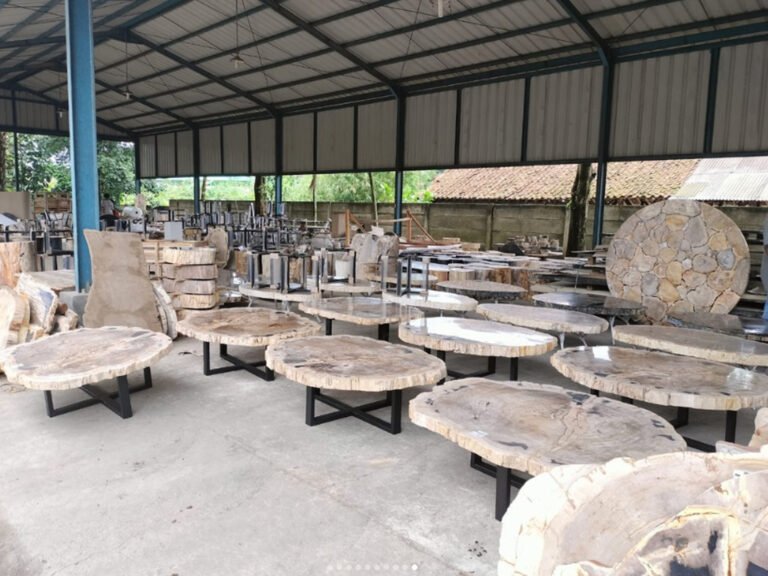
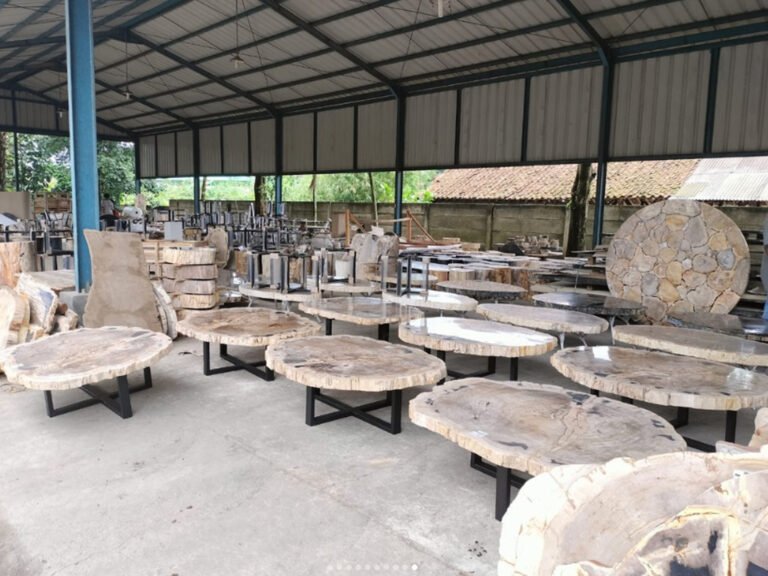
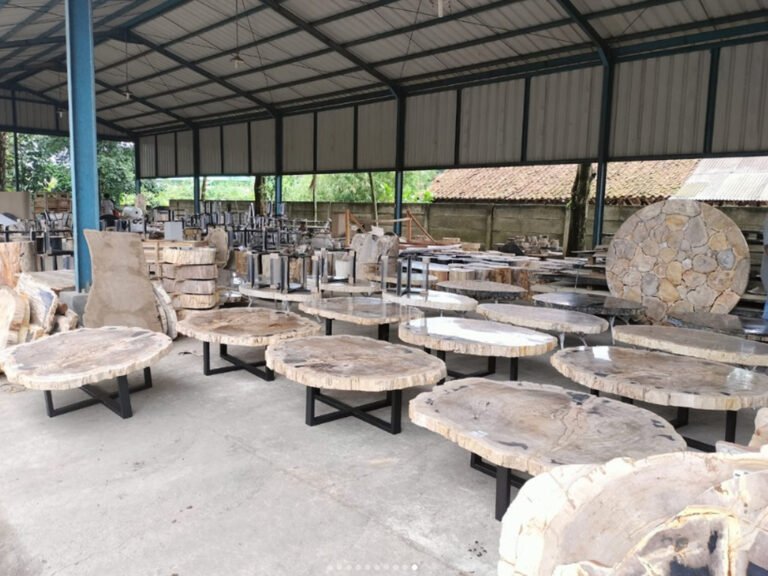
Apart from its scientific value, petrified wood is cherished worldwide for decorative items, jewelry, furniture, and even architectural uses. Its durability and unique aesthetic properties contribute to its popularity among designers and collectors.
How to Identify Genuine Petrified Wood
Authentic petrified wood is heavier than ordinary wood, often exhibits a glassy sheen, and shows clear grain and growth rings. An expert can confirm authenticity through close inspection or laboratory analysis to verify mineral content and cellular preservation.
Conclusion: Nature’s Masterpiece Set in Stone
Petrified wood is more than just a fossil—it is a testament to Earth’s dynamic history, a masterpiece forged by time, geological forces, and the wonders of mineral transformation. Whether for scientific study or as a decorative treasure, understanding how petrified wood is formed deepens our appreciation for both nature’s artistry and its enduring legacy.
3 Comments