

How to Choose High-Quality Petrified Wood from Indonesia
Why Indonesian Petrified Wood Is Highly Sought After
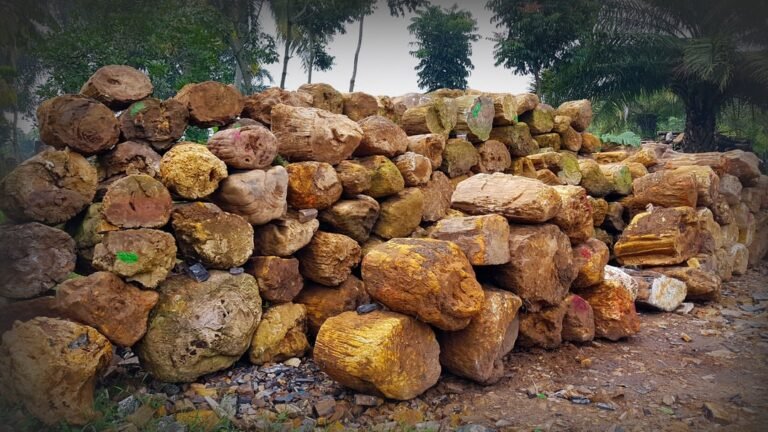
Indonesia, particularly Java, is known as one of the premier sources for petrified wood, renowned for its unique coloration, structural strength, and exceptional mineralization. Buyers around the world, from interior designers to collectors and wholesalers, often seek Indonesian petrified wood for its beauty and rare characteristics. However, knowing how to select high-quality pieces is crucial for ensuring your investment is worthwhile.
Understanding Petrified Wood: What Makes It Unique?
Petrified wood forms through a process called permineralization, where organic material is gradually replaced with minerals, often silica, over millions of years. The result is a fossilized wood that retains original structures, textures, and sometimes bark, with the added brilliance of mineral colors.
- Age: Most Indonesian petrified wood is estimated to be 20–30 million years old.
- Color: Vivid reds, browns, yellows, blues, and greens are common due to varying mineral content during fossilization.
- Hardness: It ranks high on the Mohs scale (6.5–7), indicating durability.
How to Identify High-Quality Petrified Wood
1. Examine Color and Clarity
High-quality petrified wood from Indonesia typically features vibrant, well-defined colors and patterns. Look for:
- Rich, saturated hues (no dull or washed-out appearance)
- Well-defined tree rings or cellular structure
- Uniformity or beautiful natural patterning
2. Check the Surface Finish
Top-grade pieces are often expertly polished to reveal details while maintaining the specimen’s integrity. The finish should be:
- Glossy and even, with no cloudiness
- Free of visible scratches, chips, or repairs
3. Assess Structural Integrity
Integrity is key for decorative and functional uses. Inspect for:
- No visible cracks, fractures, or weak spots
- Solid weight – should feel dense and substantial
- If sliced, the cross-section should look homogeneous and free of pores or excessive inclusions
4. Evaluate Authenticity
Ensure you’re buying genuine Indonesian petrified wood by checking:
- Origin certificates or documentation
- Supplier reputation and reviews
- Absence of synthetic treatments or color enhancements
5. Consider the Shape and Sizing
Depending on your needs (tabletops, slabs, decorative pieces, or collectibles), high-quality specimens should:
- Maintain natural contours where appropriate, preserving the wood’s original look
- Be evenly cut and shaped for functional applications
- Have appropriate thickness for intended use (thicker slabs for durability)
Quality Grading of Indonesian Petrified Wood
Petrified wood is typically classified into grades based on appearance, integrity, and size. While there is no universal grading system, most exporters and suppliers use terms like:
- Premium Grade: Highest clarity, rare colors, flawless finish, no structural defects
- AA Grade: Minor inclusions, vibrant colors, well-polished surface
- A Grade: Some visible imperfections, good color, minor surface blemishes possible
Always ask your supplier for the grading standards they use and request detailed photos or samples before finalizing a wholesale or bulk order.
Popular Types and Forms of Indonesian Petrified Wood
Depending on their intended use, petrified wood is available in several forms:
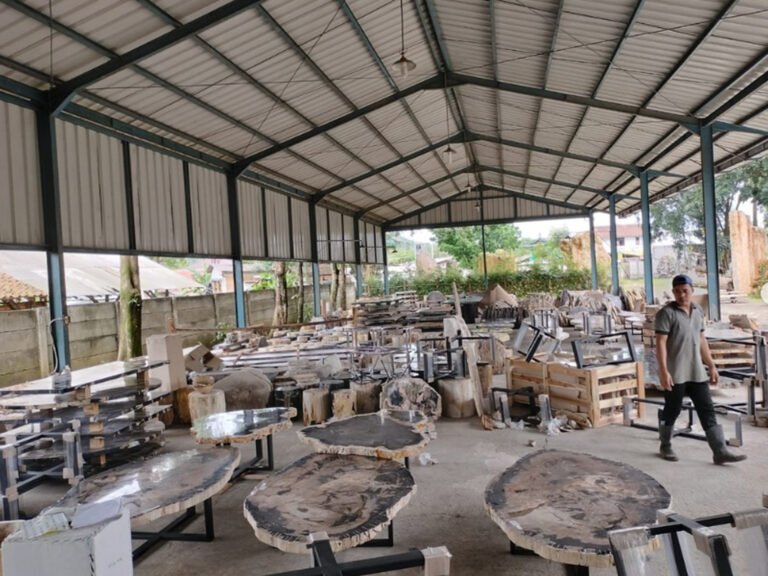
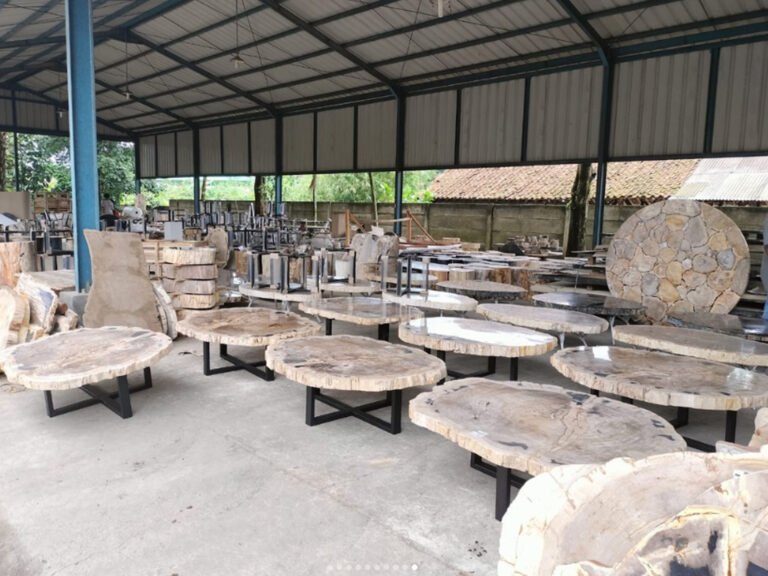
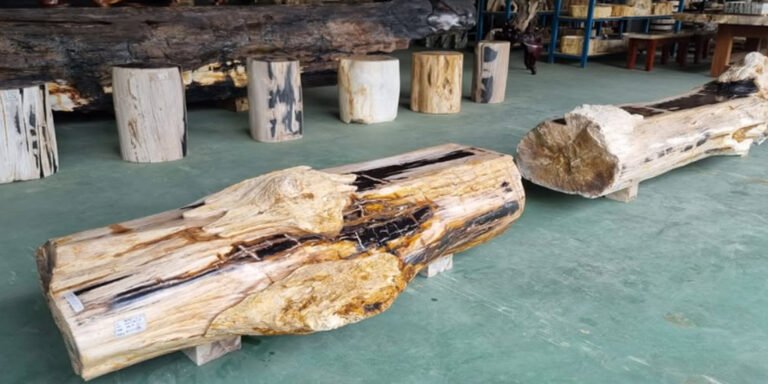
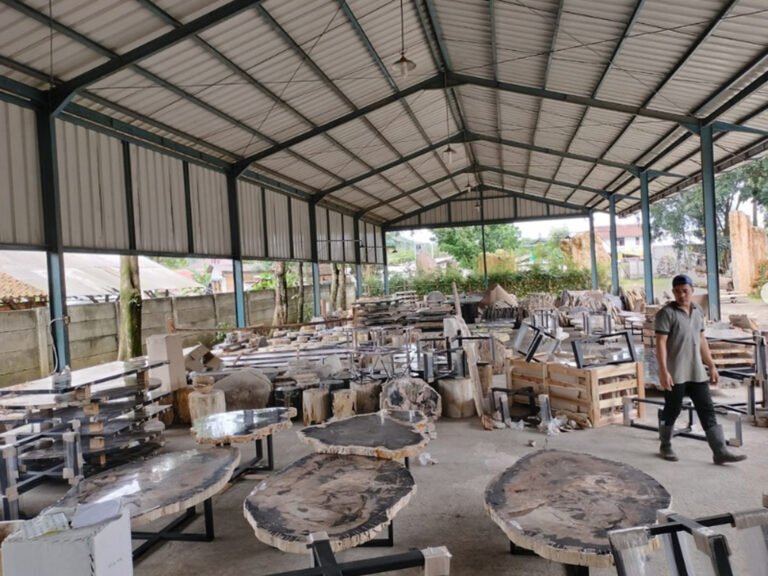
- Slabs: Used for tabletops, kitchens, or wall cladding
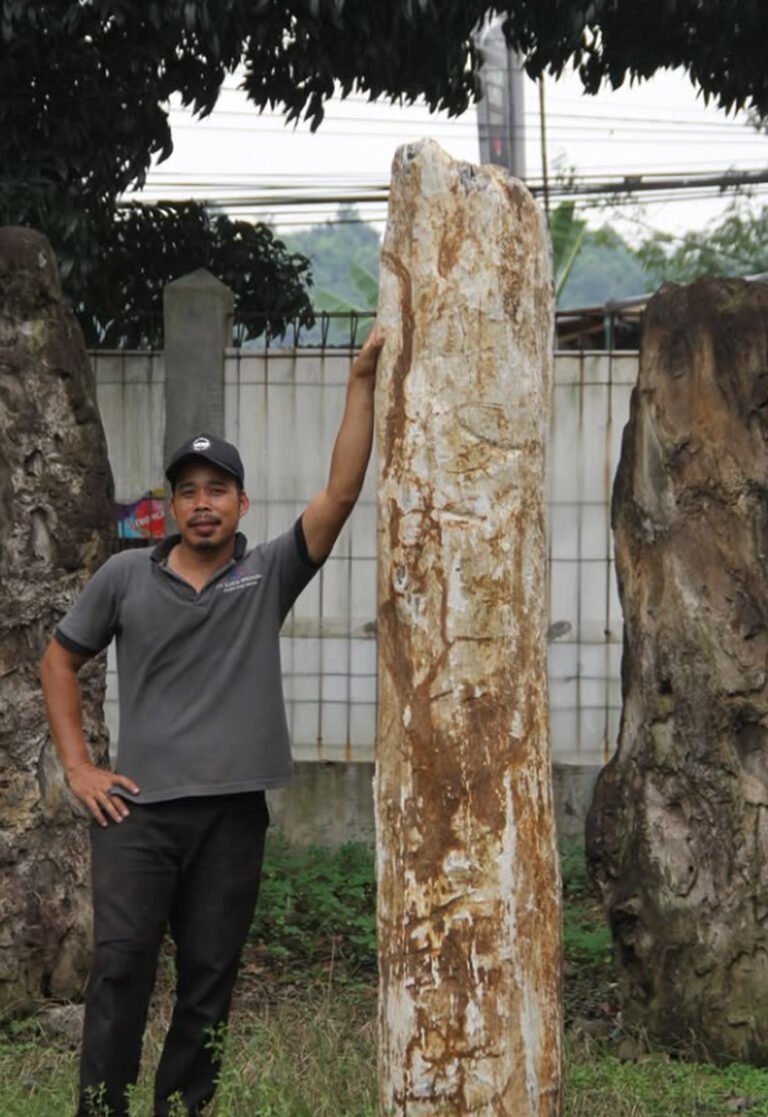
- Stumps and Rounds: Decorative accents, side tables, or collectibles
- Sculptures and Sinks: Artisan-crafted for homes and luxury interiors
Each form has quality considerations specific to its use (e.g., thickness for slabs, symmetry for rounds).
Where to Source High-Quality Petrified Wood from Indonesia
With demand rising worldwide, it’s crucial to buy from reliable, experienced Indonesian suppliers. Here are tips to ensure safe and quality purchases:
- Research supplier credentials and export licenses
- Read client testimonials and request references
- Ask for origin guarantees and authenticity certificates
- Visit supplier showrooms or request video inspections
- Understand shipping, packaging, and international logistics
Welcoming supplier transparency is a key sign of professionalism.
Common Pitfalls When Buying Petrified Wood
- Fakes and Dyed Stones: Be wary of specimens with unnatural patterns or colors
- Hidden Defects: Always check for cracks or repairs under different lighting
- Incomplete Information: Ask about origin, treatment, and export regulations
- Overpaying: Compare prices across reputable sellers; very low prices could indicate quality issues
Expert Tips for International Buyers
- Establish clear communication with your supplier regarding size, finish, grade, and application
- Request high-resolution images, videos, or online meetings before purchase
- Inquire about sustainable sourcing – Indonesian law regulates petrified wood exports to protect natural reserves
- Understand local and international regulations on fossil exports
- Partner with experienced exporters such as those with proven track records in the international market
Conclusion: Selecting the Best Indonesian Petrified Wood
Choosing high-quality petrified wood from Indonesia involves more than just visual appeal. By focusing on authenticity, grade, structural integrity, and working with reliable suppliers, you can confidently purchase stunning specimens for your needs. Whether for home decor, commercial projects, or collection, Indonesian petrified wood is an investment in natural beauty and geological history. Start your search with trusted experts to ensure your petrified wood is as valuable as it is beautiful.
Frequently Asked Questions
Check for natural wood structure under magnification, unenhanced colors, and ask the supplier for certificates of authenticity and origin. Real specimens are hard, heavy, and have tree rings or grain patterns visible.
What colors are most valuable in Indonesian petrified wood?
Vibrant reds, blues, yellows, and rare green hues tend to be the most sought-after and premium priced, especially when colors are intense and well-distributed.
How should Indonesian petrified wood be maintained?
Keep the surface clean with a soft cloth and avoid harsh chemicals. For polished pieces, occasionally use a mild stone polish to maintain shine.
Is it legal to export petrified wood from Indonesia?
Yes, but suppliers must comply with Indonesian export regulations that protect natural reserves. Always buy from certified exporters.
Can petrified wood be used outdoors?
Absolutely! Indonesian petrified wood is extremely durable and weather-resistant, making it ideal for garden art, benches, or landscape accents.
2 Comments