
Understanding the Export Regulations for Indonesian Fossil Wood
Introduction
Indonesia is renowned worldwide for its exceptionally beautiful fossil wood, often referred to as petrified wood. This ancient, fossilized timber is not only prized for its aesthetic value but has also become a sought-after commodity in the global market. However, if you are considering importing Indonesian fossil wood, it is essential to understand the complex export regulations that govern its international trade. This article provides a comprehensive guide to Indonesian fossil wood export regulations, necessary documentation, compliance requirements, and practical tips for international buyers.
What Is Indonesian Fossil Wood?
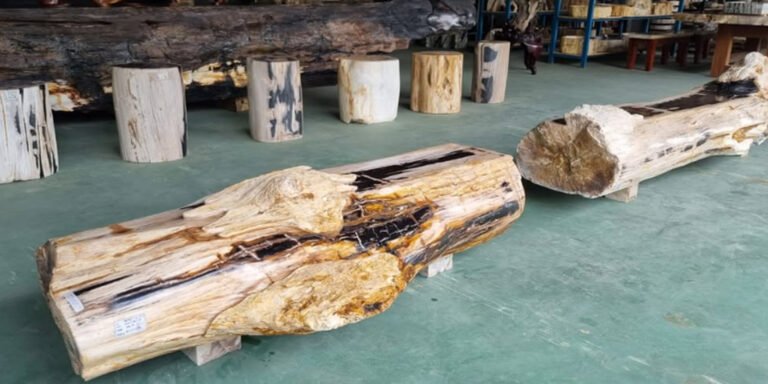
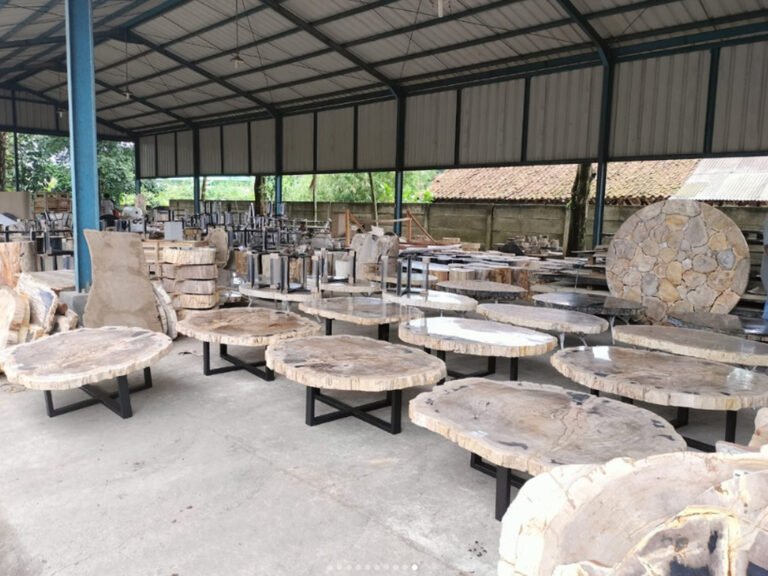
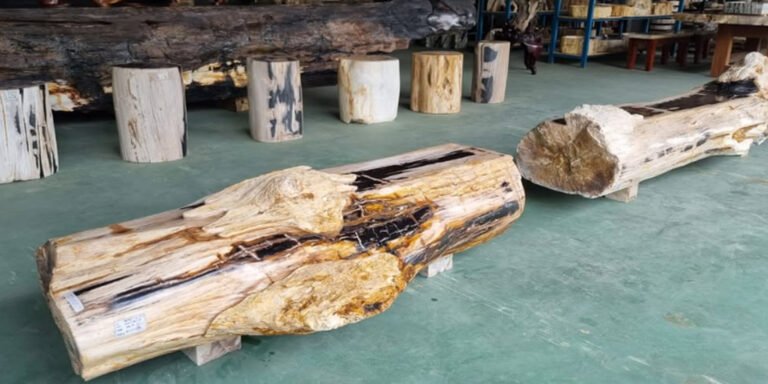
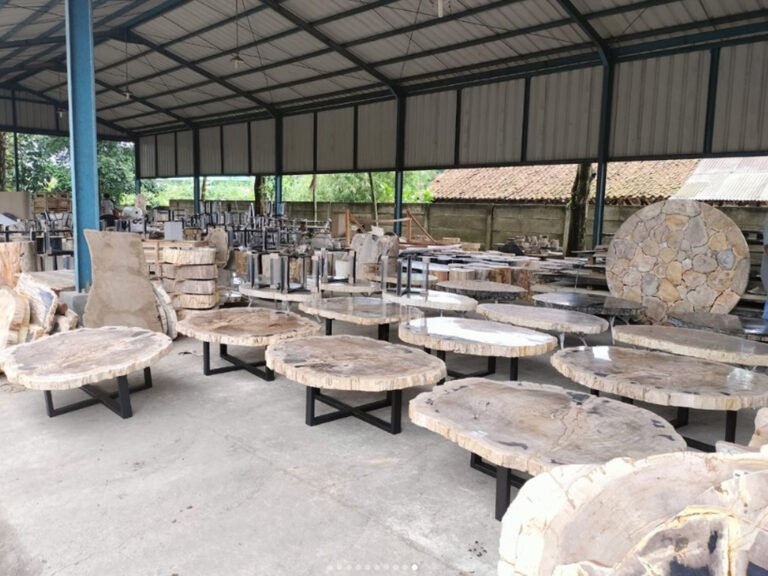
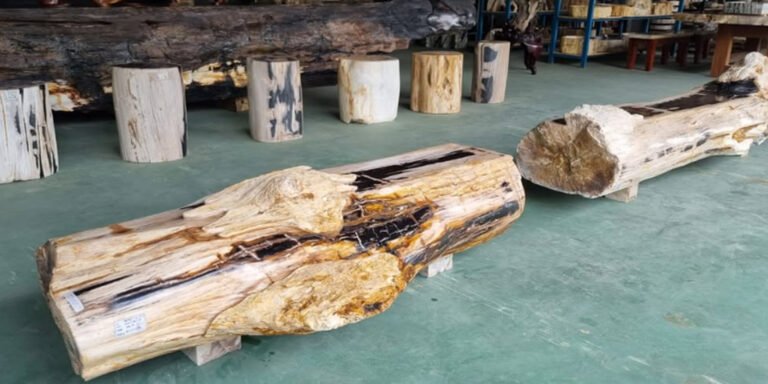
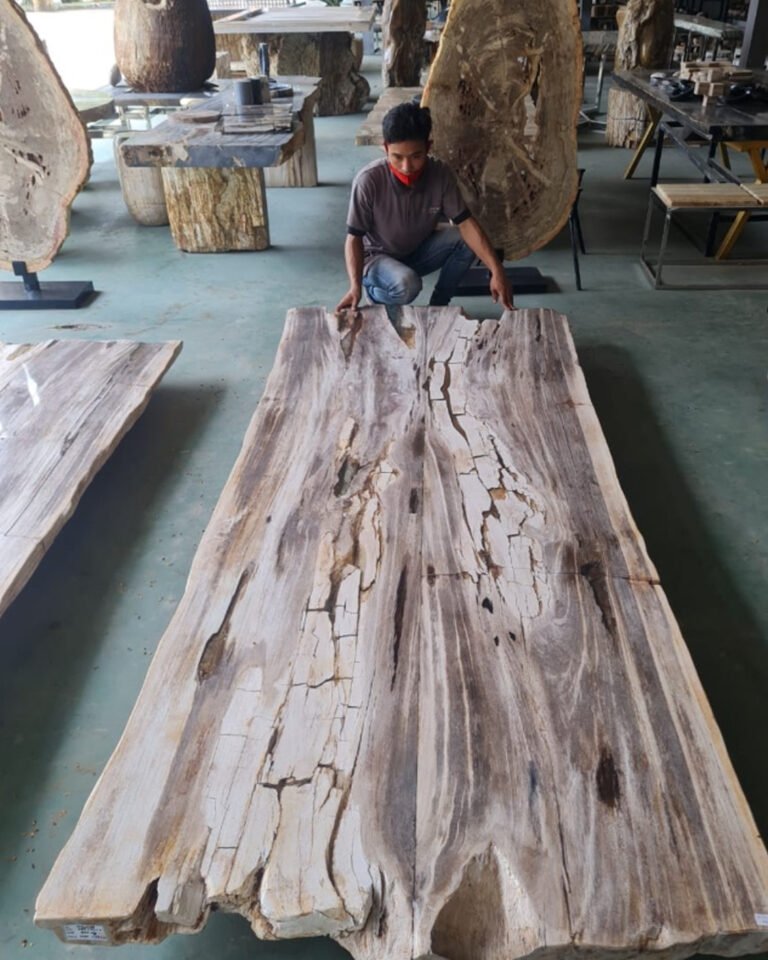
Indonesian fossil wood, also known as petrified wood, is a unique material resulting from the mineralization of wood over millions of years. Regions such as Java and Sumatra are particularly famous for producing high-quality examples, which are used for decorative items, furniture, and jewelry. The popularity of Indonesian fossil wood on the international stage has increased, making it crucial for buyers to understand the export framework.
Governing Laws and International Agreements
National Legislation
Indonesia regulates the export of fossil wood under several national laws aimed at protecting both natural resources and cultural heritage. The Ministry of Trade (Kemendag) and Ministry of Environment and Forestry (KLHK) are the principal authorities overseeing the issuing of permits and enforcement of regulations.
International Regulations: CITES
The Convention on International Trade in Endangered Species of Wild Fauna and Flora (CITES) impacts the trade of certain types of fossil wood. While typical Indonesian fossil wood is generally not considered a protected species under CITES, buyers should double-check with the relevant authorities, especially if the fossil wood contains inclusions or is mistaken for protected specimens. Indonesia is a signatory to CITES, underscoring the country’s commitment to sustainable and legal trade.
Key Export Requirements for Indonesian Fossil Wood
1. Export Permits
Exporting fossil wood from Indonesia requires a specific export permit (Surat Persetujuan Ekspor – SPE). Applicants must submit documents proving the legal and ethical sourcing of the fossil wood. The Ministry of Trade or authorized agencies issue these permits after due diligence.
2. Technical Verification (Laporan Surveyor – LS)
Every batch of fossil wood intended for export must pass technical verification by an accredited surveyor. This process verifies both the type and origin of the product and ensures it matches the export declaration.
3. Documentation and Invoices
Standard export documentation includes:
- Invoice (Faktur Ekspor)
- Packing list
- Bill of Lading/Airway Bill
- Export Declaration (PEB)
- Certificate of Origin (where applicable)
In some cases, a Material Safety Data Sheet (MSDS) or radiation certification may also be required, particularly for large or bulk shipments.
4. Customs Clearance
All fossil wood exports must be reported and inspected at Customs. Failure to declare the shipment or improper documentation can delay customs clearance or result in fines. Comprehensive customs inspections ensure that only legally sourced and properly declared fossil wood leaves Indonesia.
Understanding Legal and Ethical Sourcing
Indonesia is strict on ensuring that petrified wood is ethically sourced and not taken from protected areas or cultural heritage sites. Exporters must be able to prove legal provenance—usually supported by collecting permits from local governments or proof of purchase from licensed dealers. Engaging with reputable suppliers helps overseas buyers avoid illegally sourced fossil wood and legal complications.
Global Shipping Considerations for Fossil Wood
International buyers should be aware of import regulations in their own countries regarding fossil wood and mineral specimens. While Indonesia’s export rules are stringent, some countries may impose their own entry requirements and tariffs. It is prudent to verify with your country’s customs authority before initiating a trade.
Packaging and Handling
Petrified wood is heavy and can be fragile depending on its state; therefore, proper packaging is crucial. Exporters commonly use robust wooden crates with internal padding to protect items from damage during transit.
Recent Trends in Export Policy
Attention to environmental sustainability has increased in Indonesia in recent years. Authorities are becoming more vigilant about the illegal excavation and trade of fossil wood. Buyers are encouraged to request documentation that proves the fossil wood’s legal and ethical origin. Procuring from legal, registered suppliers is one of the best ways to conduct risk-free trade.
Digitalization of Export Processes
Indonesia is gradually moving towards digital systems for trade documentation. Online submissions for export permits, customs documents, and real-time tracking are increasingly being adopted to streamline compliance and improve transparency.
Best Practices for International Buyers
- Always ask your supplier for copies of all permits and certificates before finalizing a purchase.
- Confirm the legal status of the fossil wood in your own country.
- Use experienced, reputable shipping and customs clearing agents familiar with fossil wood.
- Stay updated on current regulations through government websites or trade associations.
- Keep thorough records of all transactions and correspondence with suppliers.
Conclusion
The international trade of Indonesian fossil wood presents a lucrative opportunity for collectors, retailers, and designers alike. However, understanding and complying with Indonesia’s export regulations are vital to ensure smooth, legal, and ethical transactions. By following the outlined steps and best practices, buyers can enjoy the diversity and beauty of fossil wood from Indonesia with confidence and peace of mind.
Frequently Asked Questions
Is a CITES permit needed for Indonesian fossil wood?
Generally, fossil wood from Indonesia is not listed as a protected species under CITES, so a CITES permit is usually not necessary. However, verification with authorities is recommended if the specimen is unusual or includes protected inclusions.
How can I ensure my Indonesian fossil wood is legally sourced?
Request official documentation and export permits from your supplier, and confirm they are licensed and registered with Indonesia’s regulatory bodies. Procuring from reputable dealers helps ensure the wood is ethically sourced.
What are the penalties for non-compliance with export laws?
Non-compliance may result in confiscation, fines, or even legal prosecution. Proper documentation and legal sourcing are crucial to avoid these risks.
What documents are crucial for fossil wood export?
Core documents include the export permit (SPE), technical verification report, invoice, packing list, certificate of origin, and customs declaration.
Are there quantity limits on fossil wood exports?
There may be volume restrictions or quotas in certain regions. Always verify the allowable quantities before committing to a purchase.