
From Prehistoric Forest to Modern Home: The Journey of Java Petrified Wood
The Ancient Origins of Java Petrified Wood
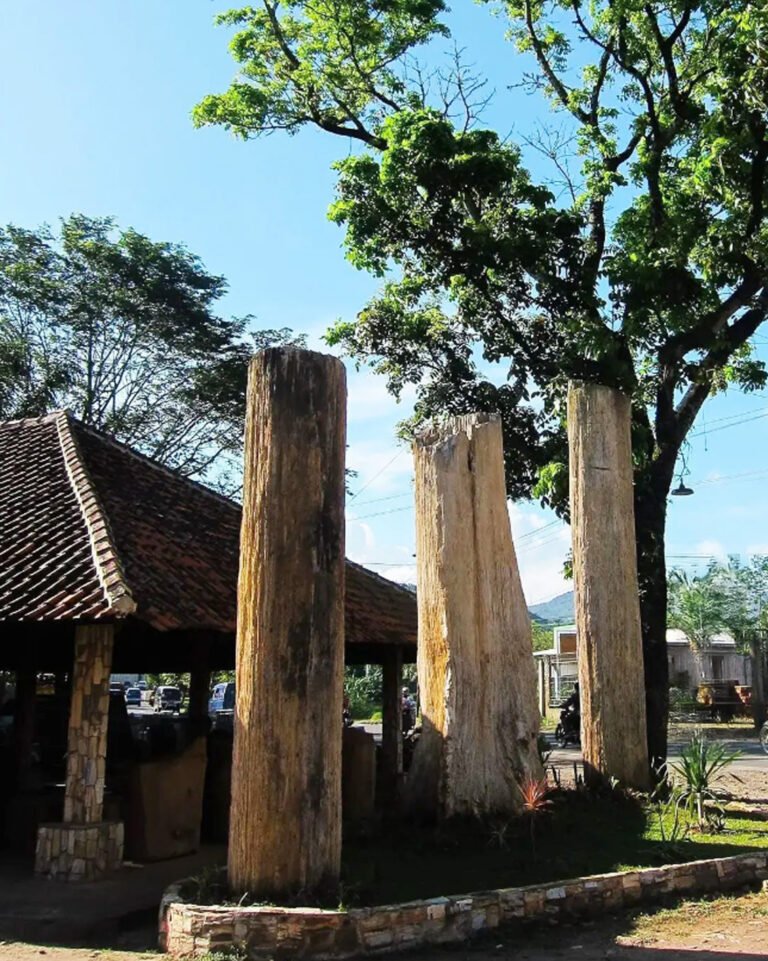
Petrified wood from Java has a story that stretches back millions of years. During the late Tertiary and early Quaternary periods, Java was covered by lush forests filled with giant trees. Catastrophic volcanic eruptions, sedimentation, and shifting landscapes led some of these trees to be quickly buried under layers of volcanic ash and sediments, creating the perfect conditions for fossilization.
Instead of decaying, the buried trees began the process of petrification. Over thousands to millions of years, mineral-rich groundwater seeped through the wood, gradually replacing the organic material with silica, chalcedony, and other minerals while retaining the original structure of the tree. The result: an extraordinary fossil—Java petrified wood—that preserves the grain, rings, and even cellular details with exquisite clarity.
Formation Process: From Living Trees to Timeless Stone
1. Rapid Burial
The journey starts with natural disasters or rapid sedimentation events that cover fallen trees, locking them away from oxygen and preventing decay.
2. Mineral Infiltration
Over time, water carrying dissolved minerals such as silica percolates through the buried wood. As the organic material breaks down, it is replaced molecule by molecule with stone-forming minerals.
3. Crystallization and Fossilization
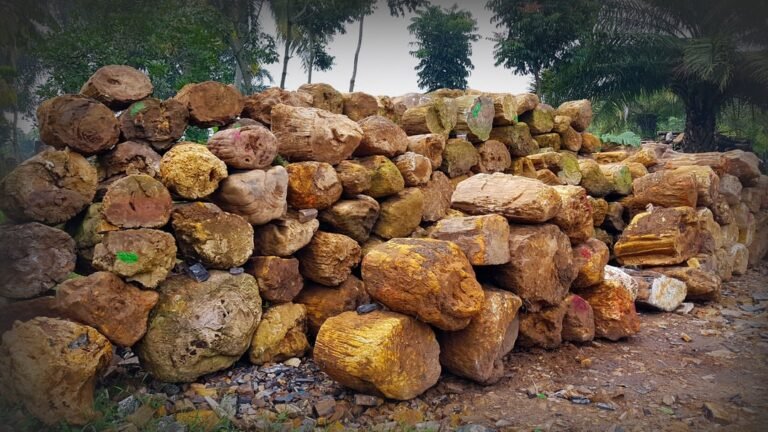
The slow infiltrating minerals crystalize, creating a vivid tapestry of colors depending on the impurities present—reds and yellows from iron oxides, blues and greens from manganese and copper, and browns from overall mineral content. Each piece becomes a unique natural artwork.
The Distinctive Qualities of Java Petrified Wood
Java’s volcanic history offers a particularly rich variety of petrified wood, noted for:
- Exceptional Hardness: Comparable to semi-precious stones, making it durable for various creative uses.
- Vivid Coloration: The island’s unique geology infuses petrified wood with vibrant hues and dramatic patterns exclusive to Indonesia.
- Large and Intact Specimens: Due to slow geological processes and gentle extraction methods, sizable pieces can be found.
- Historical and Scientific Value: Providing a tangible record of ancient flora and environmental conditions.
Java Petrified Wood through the Ages
Prehistoric Significance
For paleobotanists and geologists, Java petrified wood is a critical resource for learning about Earth’s ancient ecosystems. Each specimen holds clues to the region’s climate, flora, and volcanism millions of years ago.
Cultural and Artistic Uses
Historically, locals have prized petrified wood for its mystical qualities and beauty. Some cultures believed these ancient stones to hold spiritual power, using them in rituals, personal adornment, and sacred architecture.
From Raw Material to Stunning Masterpieces
Extraction and Responsible Sourcing
Modern quarrying efforts focus on minimizing environmental disruption. Sourcing petrified wood from Java is guided by sustainable practices, ensuring both the preservation of natural heritage and the availability of this rare material for generations to come.
Craftsmanship and Processing
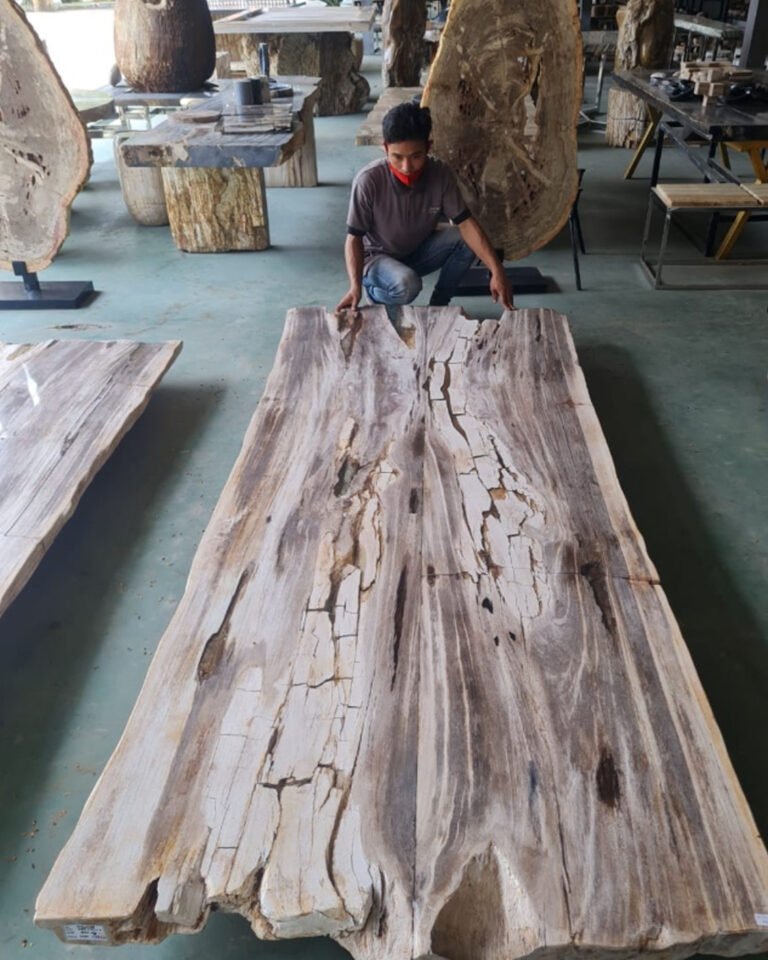
Each extracted piece starts as a raw, rugged stone. Craftspeople carefully cut, polish, and shape the slabs, bringing out their hidden colors and intricate grain patterns. The polishing process reveals a mirror-like finish, making the fossilized wood shine as if it were carved from precious gemstone.
Petrified Wood in Modern Interior Design
Aesthetic Appeal
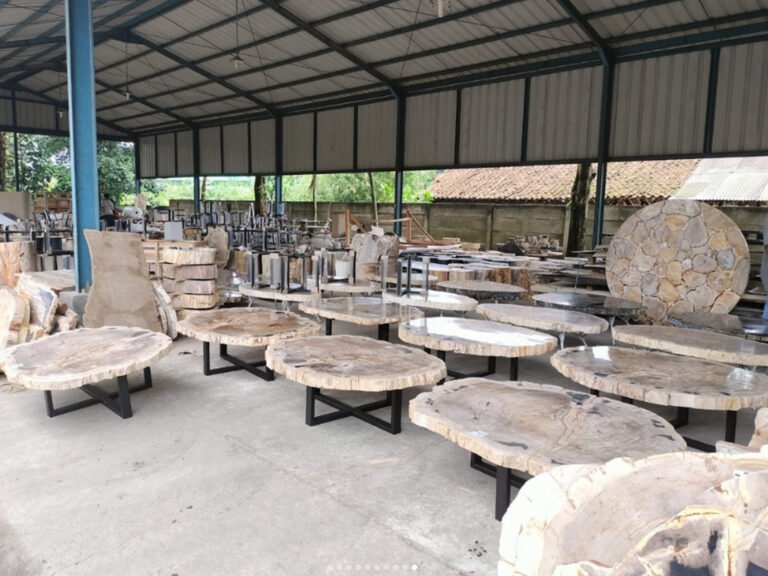
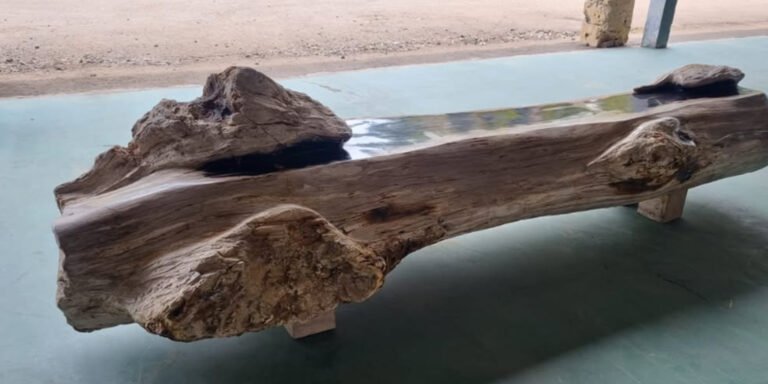
Petrified wood from Java stands out in the world of home décor. Tables, countertops, sinks, and decorative accents made from these fossilized logs add a striking blend of history, luxury, and natural beauty to any space. Each piece is unique—a geological work of art millions of years in the making.
Popular Applications
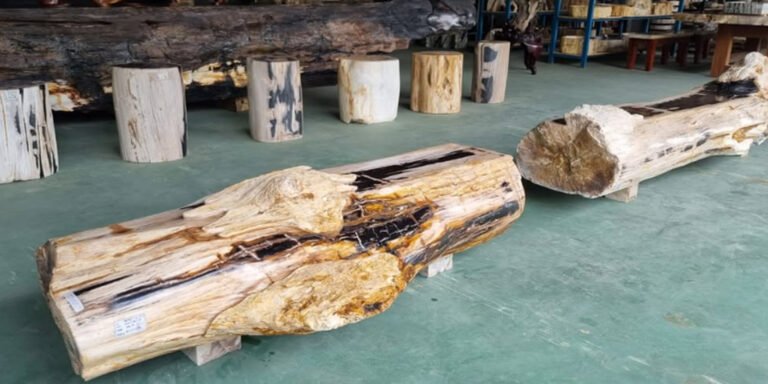
- Petrified Wood Furniture: Coffee tables, side tables, benches, and stools crafted from solid slabs or cross-sections.
- Home Accents: Sinks, vessel basins, wall panels, and flooring.
- Art Pieces: Sculptures and carvings highlighting the organic origins of the stone.
- Collectors’ Items: Sought after by collectors for their age, rarity, and aesthetic appeal.
Java petrified wood’s neutral tones and dynamic textures complement both contemporary and classic interiors, making it a favorite among designers and homeowners worldwide.
Sustainability and Ethical Considerations
As with any natural resource, responsible use and sourcing are essential. Reputable suppliers of Indonesian petrified wood adhere to guidelines that protect remaining deposits and respect the environment, ensuring this material can be enjoyed far into the future.
The Global Appeal of Indonesian Petrified Wood
The international market has recognized the allure and value of Java petrified wood. Its combination of rarity, natural artistry, and climatic storytelling has made it highly prized among decorators, architects, and collectors.
Exporters from Java work closely with designers globally, supplying custom-finished pieces for luxury residences, high-end hotels, boutiques, restaurants, and galleries. Its integration into the world’s most elegant interiors highlights how an ancient material can define modern living spaces.
Why Choose Java Petrified Wood?
- Unmatched Natural Beauty: The dramatic colors and intricate patterns are unique to Indonesia’s petrified forests.
- Durability and Versatility: As hard as quartz, suitable for both decorative and functional uses.
- Sustainable Sourcing: Many suppliers in Java are committed to responsible extraction and fair trade.
- Investment Value: With limited availability and global demand, petrified wood furnishings are often considered both art and asset.
- A Touch of Prehistoric Wonder: Owning a piece of Java petrified wood connects you directly with Earth’s ancient history.
Care and Maintenance Tips
Caring for Java petrified wood is simple, as its dense stone-like composition is highly resistant to scratches and stains. For daily cleaning, use a soft cloth and mild soap. Avoid abrasive chemicals to maintain the polished finish. With minimal care, these pieces will retain their beauty for generations.
Conclusion
Java petrified wood’s journey from a prehistoric forest to a modern home reflects both the power of nature and the skill of human craftsmanship. These extraordinary relics continue to inspire awe, serving as timeless centerpieces that blend history, geology, and luxury in the heart of contemporary interiors.