
Best Places in Indonesia to Source Petrified Wood
Introduction
Petrified wood from Indonesia is highly sought-after by collectors, interior designers, and importers worldwide due to its unique colors, high quality, and stunning patterns. Indonesia’s volcanic legacy, lush forests, and geological history have created perfect conditions for preserving wood into stone over millions of years. If you’re searching for the best places in Indonesia to source petrified wood, this guide highlights key sourcing regions, their characteristics, and offers practical tips for international buyers.
Why Indonesia is a Leader in Petrified Wood
Indonesia is among the top global sources of petrified wood thanks to its rare combination of mineral-rich soils, ancient forests, and active volcanoes. Over centuries, wood buried in volcanic ash and sediment transforms into stone through mineralization, resulting in a stunning array of colors and patterns. This process is most prominent in specific regions, each offering petrified wood with unique qualities fit for various international markets.
Top Regions to Source Petrified Wood in Indonesia
1. Java: The Heart of Indonesian Petrified Wood
Java stands out as Indonesia’s premier region for sourcing petrified wood. Areas in Central Java (such as Banten, Banjarnegara, and Klaten), and East Java (notably Blitar and Tulungagung) are famous for their extensive fossil wood deposits.
- Characteristics: Java petrified wood often boasts rich earth tones, detailed tree rings, and great hardness, making it ideal for high-end decor, furniture, and collectible items.
- Accessibility: Java’s infrastructure supports mining and export logistics, making it easier for international buyers to arrange large shipments and custom orders.
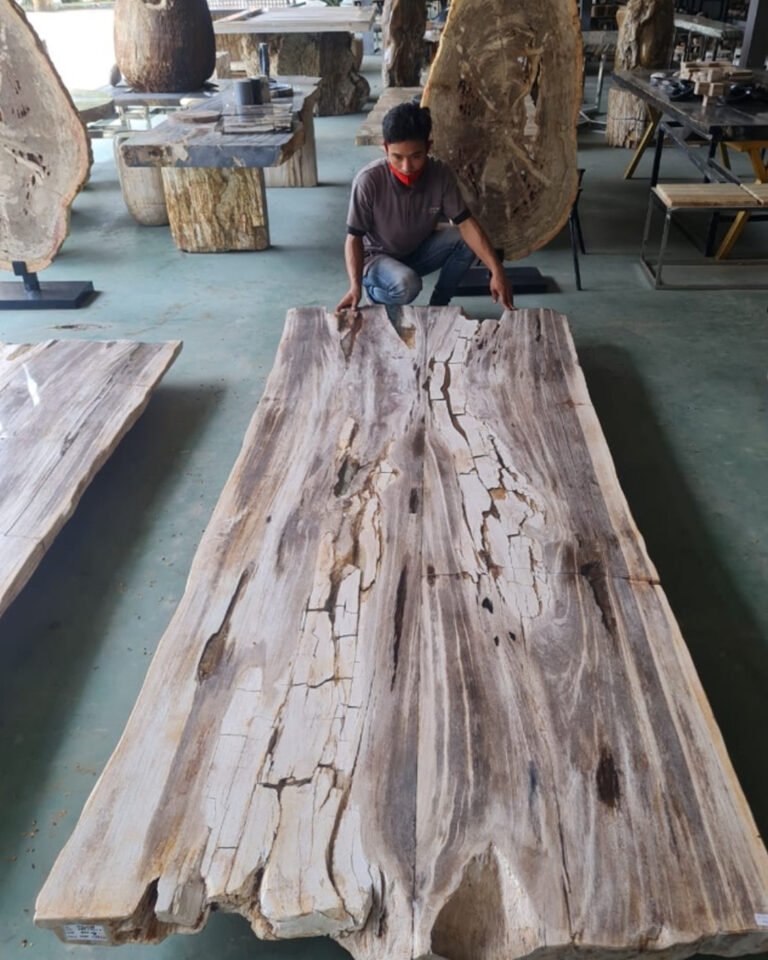
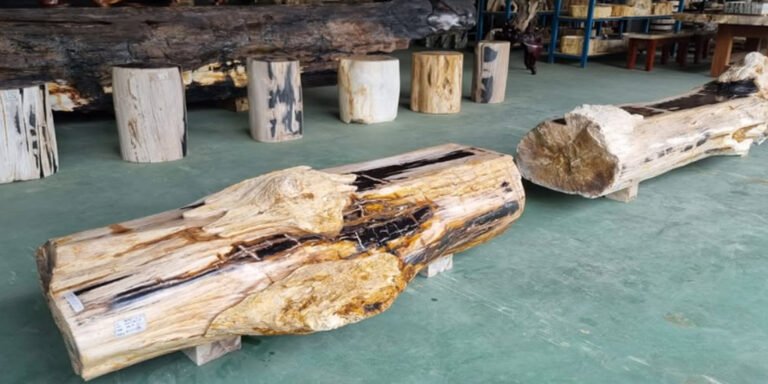
- Variety: From small fossilized branches to massive logs and table slabs, Java provides a broad spectrum of sizes and finishes.
2. Kalimantan (Borneo): Unique Colors and Large Specimens
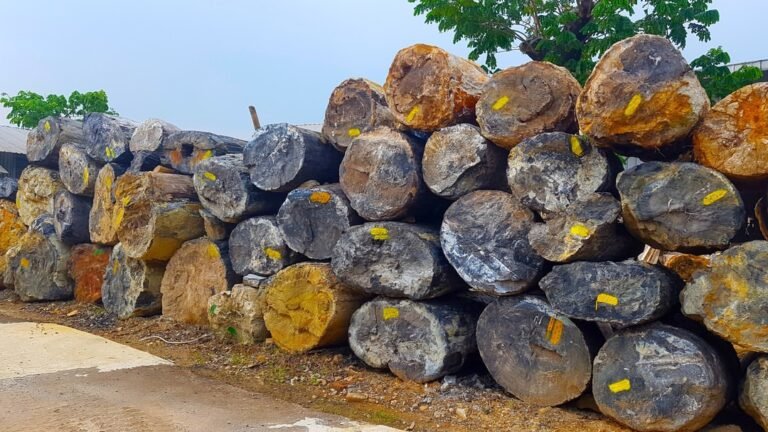
Kalimantan, the Indonesian part of Borneo, offers another prolific source of petrified wood. This region is well-known among collectors for its sizable logs and unique colors, often displaying rare blacks, reds, and even vibrant blues due to mineral content.
- Specific Areas: Central Kalimantan and East Kalimantan provinces are hotspots for fossil wood mining.
- Export Quality: Kalimantan’s petrified wood is often sought for large outdoor sculptures, garden furniture, and substantial decor pieces for luxury properties.
- Distinctiveness: The fossil wood here may contain traces of tropical hardwood species, adding to its rarity and appeal.
3. Sumatra: Ancient Fossilized Forests
Sumatra, especially the southern and western regions, is home to some of the oldest petrified wood in Indonesia. The petrification here has been shaped by ancient volcanic activity and major river systems, yielding striking mineral replacement and color diversity.
- Main Locations: Lampung and Bengkulu are renowned for yielding premium quality pieces, including both logs and polished slabs.
- Features: Many Sumatra pieces have dramatic contrasts of light and dark, and some contain crystal inclusions or opalization.
- Market: Popular for collectors, high-value tabletops, and gemstone applications.
4. Sulawesi: Emerging Source with Unique Fossils
Sulawesi is gaining attention as new sites are discovered. While not as established as Java or Kalimantan, Sulawesi produces unusual petrified wood with rare fossilized details and lighter color palettes.
- Potential: Great for unique or custom projects that seek out less common appearance and emerging fossil types.
- Distinctive Look: Pieces may feature subtle, creamy hues and occasionally fossilize prehistoric palm species.
What Makes Each Region’s Petrified Wood Unique?
- Color Range: Influenced by unique mineral profiles in each region’s soil and volcanic ash, resulting in browns, greys, reds, yellows, and rare blues or greens.
- Hardness: Some regions (notably Java) produce more quartz-rich, hard fossil wood, ideal for polishing and high-impact uses.
- Distinct Fossil Features: Tree rings, bark texture, and preserved cell structure can vary by origin, making each piece a geological work of art.
Tips for International Buyers: Sourcing and Exporting Indonesian Petrified Wood
- Work with Reliable Exporters: Partner with exporters or manufacturers familiar with international requirements and sustainable mining practices.
- Understand CITES and Indonesian Regulations: Although petrified wood is generally not a protected species, it’s important to comply with any Indonesian laws governing fossil exports and ensure proper documentation for customs.
- Quality Inspection: Examine photographs or samples before purchase. Reputable suppliers typically provide detailed images and may arrange video inspections.
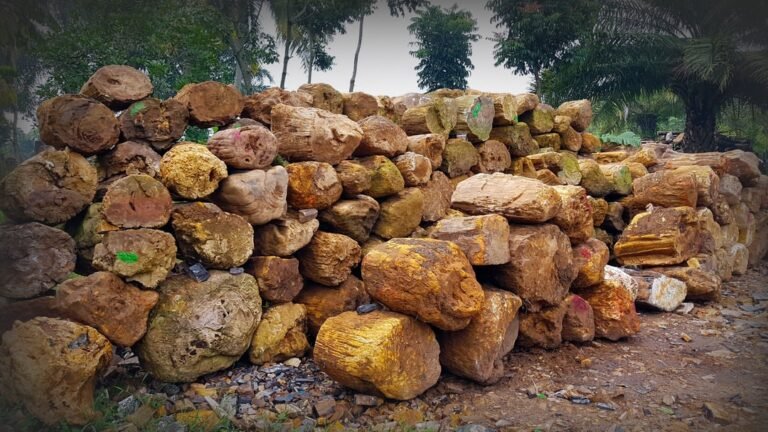
- Shipping Logistics: Opt for exporters who have experience with crating, containerization, and safe packing for heavy and fragile stones.
Environmental and Ethical Considerations
Responsible sourcing is crucial for preserving Indonesia’s unique geological heritage. Many reputable suppliers operate within regulated zones and follow mining guidelines that rehabilitate sites, avoid illegal excavation, and support local communities.
Why Source Petrified Wood from Indonesia?
- Diversity: Indonesia offers an unrivaled range of petrified wood types and appearances.
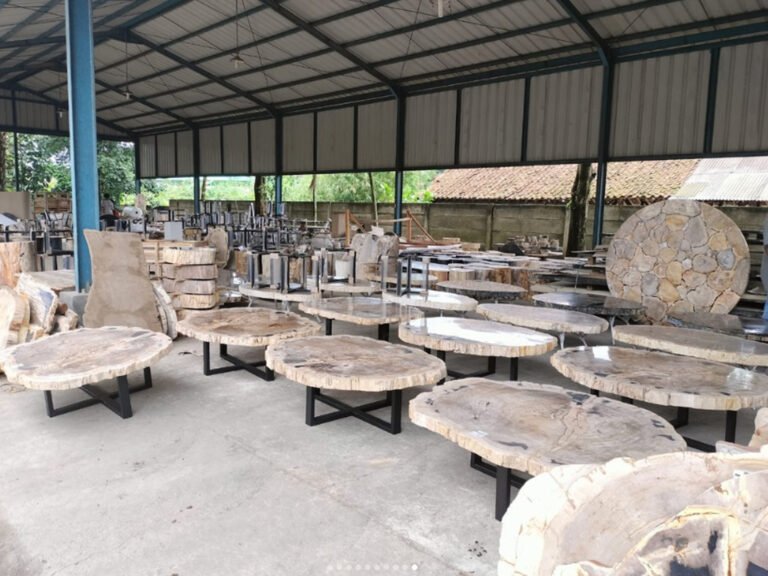
- Expertise: Decades of experience and a strong artisan tradition ensure high-quality finishing, from raw blocks to polished slabs and fine carvings.
- Competitive Pricing: Direct access to mining regions keeps sourcing costs favorable for overseas buyers, from wholesalers to luxury retailers.
Conclusion
Indonesia’s geological history and natural diversity have created some of the world’s most beautiful petrified wood. With the right local partner and region-specific knowledge, international buyers can access a rich selection of fossil wood for any market—from luxurious decorating to prestigious collections. Java, Kalimantan, Sumatra, and Sulawesi each offer their own unique varieties to explore. Whether you’re a seasoned importer or an avid collector, sourcing from Indonesia’s best regions ensures both beauty and enduring value.
One Comment