

How to Identify Authentic Petrified Wood
Introduction
Petrified wood is a captivating natural wonder, prized by collectors and designers alike for its beauty and historical significance. However, with its growing popularity, the market has seen a rise in imitation and treated products. For buyers—especially international enthusiasts and importers—it is fundamental to understand how to identify authentic petrified wood. This guide offers reliable, expert-backed techniques to help you discern genuine pieces from fakes and make informed purchases.
What is Petrified Wood?
Petrified wood forms when trees buried under sediment are protected from decay due to oxygen deprivation and are then mineralized over millions of years. The process replaces organic material with silicate minerals, typically quartz, preserving the original structure of the wood down to microscopic detail. Authentic petrified wood is both a scientific marvel and a prized decorative material used worldwide.
Why Authenticity Matters
Purchasing real petrified wood ensures you own a true piece of ancient history, revered for its natural patterns and durability. Fake or misrepresented specimens can lack both value and authenticity, potentially disrupting your business or collection. Thus, learning how to identify authentic petrified wood is essential for ethical, high-value acquisition.
Key Characteristics of Authentic Petrified Wood
1. Structure and Texture
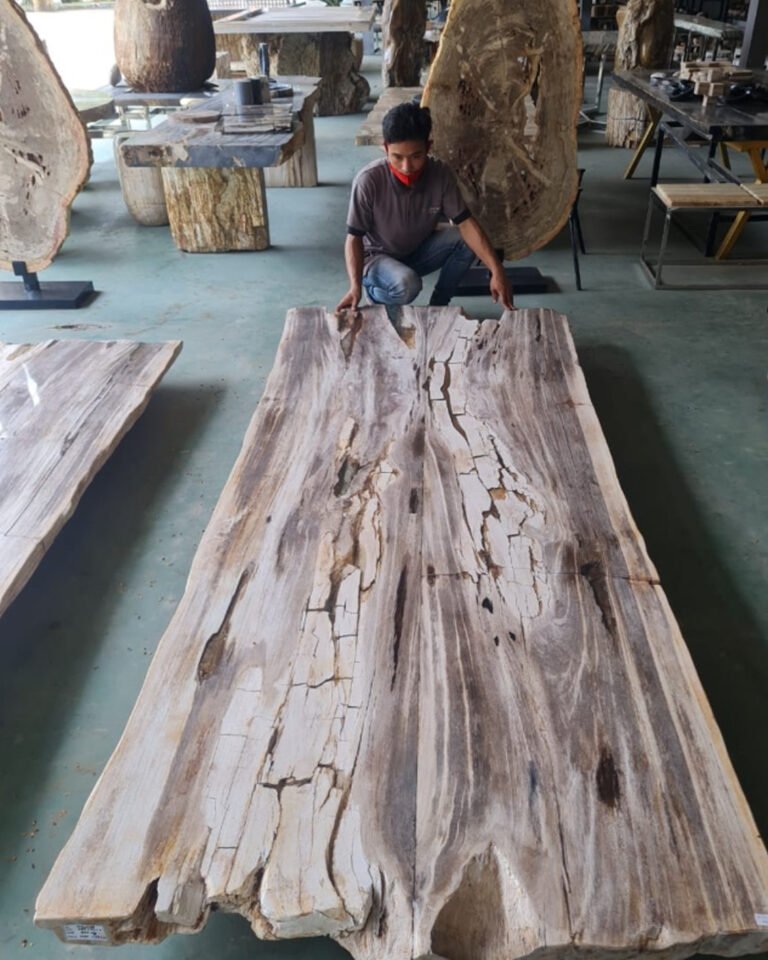
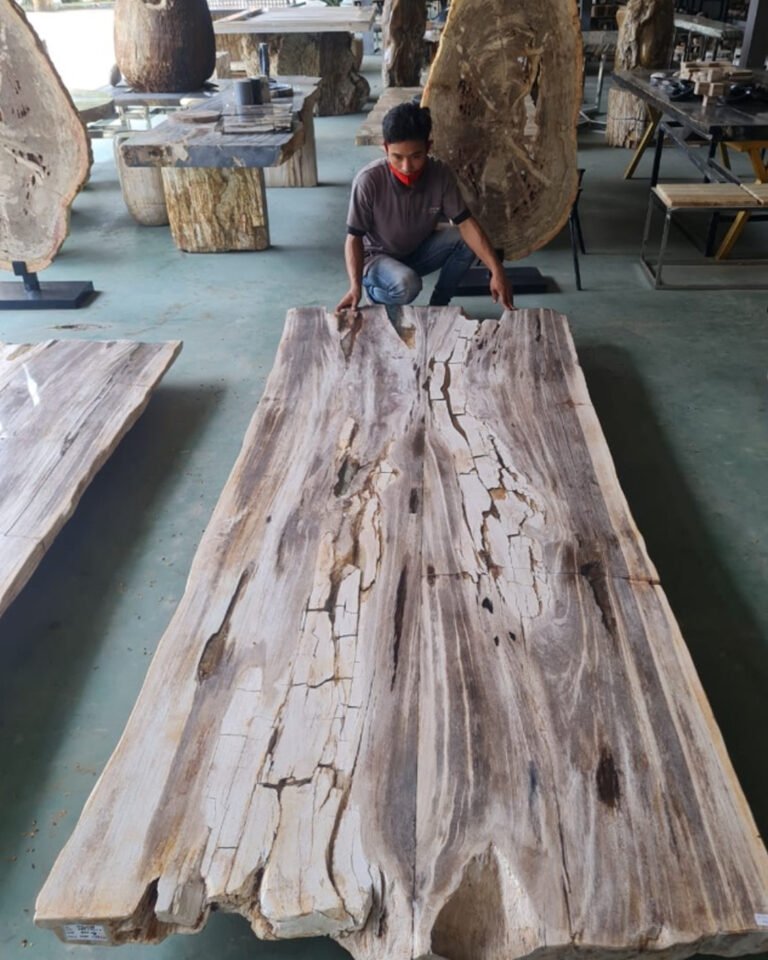
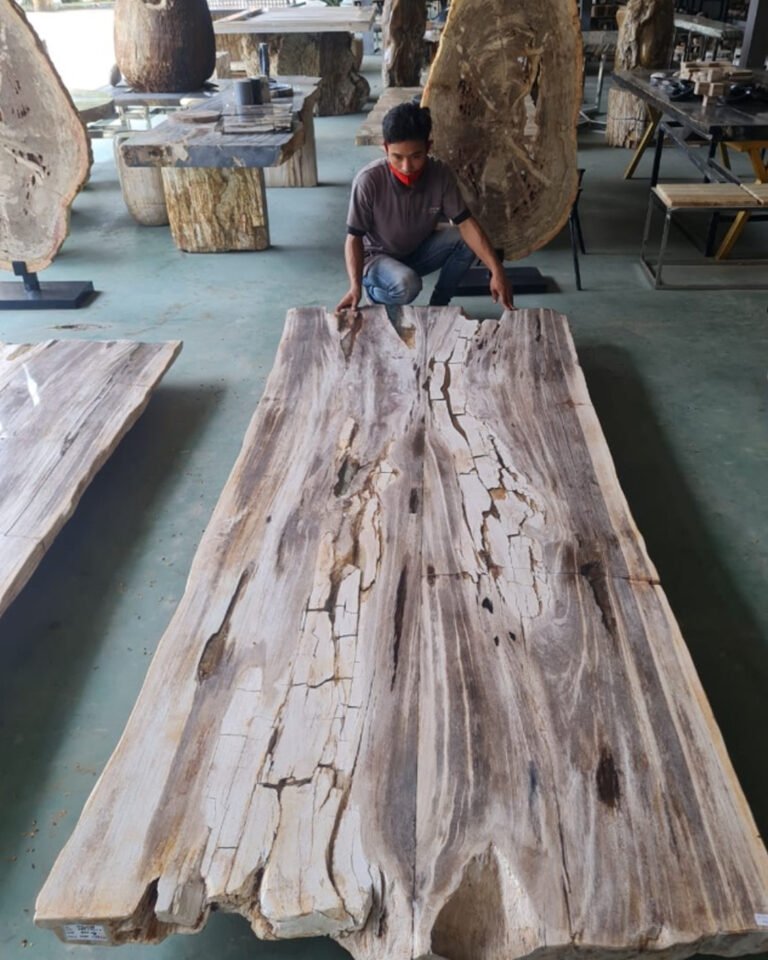
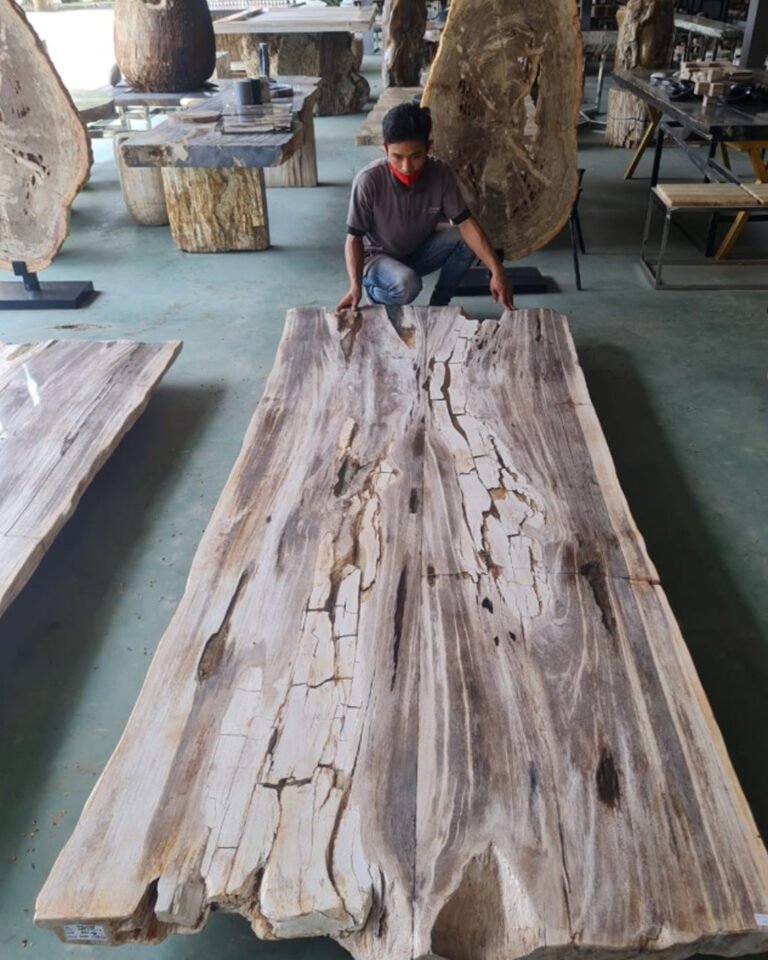
- Visible tree rings and cellular structure: Authentic petrified wood retains visible growth rings, knots, and sometimes even microscopic plant cell details. These features are often replicated poorly in imitation materials.
- Weight and hardness: Genuine petrified wood is significantly heavier and harder than regular wood due to silica replacement. It cannot be scratched with a knife and is more akin to quartz or agate in feel.
2. Color Variations
- Natural vs. artificial coloration: Petrified wood displays natural earthy hues—browns, reds, yellows, sometimes blues and greens—depending on mineral content. Artificially colored fakes often exhibit uniform, bright, or neon tones not found in nature.
- Patterns: Look for irregular color zoning, blending, and natural banding. Real specimens rarely have consistent colors.
3. Surface Features
- Exterior appearance: Unpolished slabs or logs still show original bark impression or rough wooden texture. Polished surfaces, meanwhile, reveal mineral layers but should still conform to natural wood grain patterns.
- No air bubbles or resin lines: Fakes made from resin, glass, or other manufactured materials may contain air bubbles or mold lines—features never present in genuine petrified wood.
Testing Methods for Identification
Physical Tests
- Scratch Test: Try scratching the specimen with a knife or steel. Real petrified wood, as hard as quartz (rating 6.5–7 on the Mohs scale), will resist the metal with ease.
- Weight Test: Authentic petrified wood is heavy for its size due to full mineralization. Imitations made from plastic or resin feel much lighter.
Visual Examination
- Magnification: Use a magnifying glass or jeweler’s loupe to examine cell details; genuine specimens retain the microscopic structure of wood.
- UV Light: Some resins glow under UV light, while petrified wood typically does not. However, this is not a definitive test, so it should be used alongside other methods.
Professional or Laboratory Methods
- Thin Section Analysis: Geologists use thin section analysis under a microscope to confirm fossilization and mineral content, though this is rarely needed for buyers but invaluable for academic studies.
- Infrared or X-ray Spectroscopy: These tests can reveal mineral composition, distinguishing real from synthetic or altered specimens. For valuable or rare pieces, this can provide peace of mind.
Common Types of Petrified Wood Imitations
Understanding the types of fake petrified wood helps avoid potential pitfalls:
- Resin replicas: Made from molded epoxy or polyester resin, these are often colored to mimic real specimens. Look for air bubbles, mold seams, or unnaturally uniform coloration.
- Modern fossilized wood: Some treated woods are sold as ancient. Always ask about provenience and get certificates from trusted suppliers.
- Stone look-alikes: Some stones or agates are carved and dyed to resemble petrified wood, lacking any real woody structure or cell detail.
Expert Tips for Buyers
- Request documentation: Reputable sellers offer details about the origin, age, and mineral content of their pieces. Insist on certificates or provenance records for high-value acquisitions.
- Buy from trusted sources: Always purchase from experienced, reputable dealers or companies specializing in petrified wood, such as Java Petrified Wood.
- Study reference specimens: Compare your finds with images and descriptions from museums, universities, or recognized online resources.
- Don’t hesitate to consult an expert: When in doubt, ask a local geologist, gemologist, or fossil specialist to help verify the authenticity of your specimen.
Case Study: Indonesian Petrified Wood
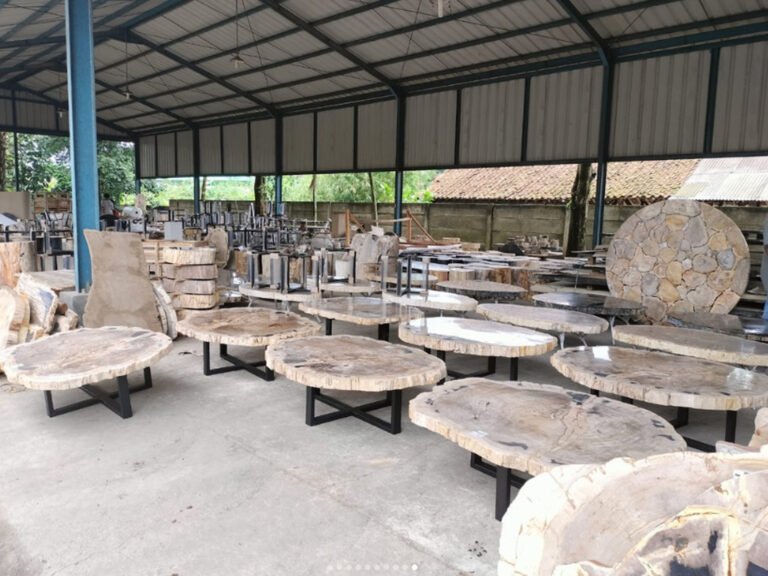
Indonesia, especially Java, is one of the world’s most important sources of petrified wood. Java Petrified Wood is highly valued for its distinct coloration, exceptional preservation, and robust mineralization. When buying Indonesian specimens, ensure your supplier adheres to ethical sourcing standards and can provide clear information about their products.
Summary Checklist: How to Identify Authentic Petrified Wood
- Check for visible wood structure – rings, cells, and grain.
- Perform scratch and weight tests to assess mineralization.
- Examine colors and surface features for signs of artificial treatment.
- Verify provenance, especially for high-value items.
- Consult experts with any uncertainty.
Conclusion
Authentic petrified wood is a treasure both for collectors and design professionals. With the right knowledge and careful observation, you can confidently distinguish genuine pieces from imitations. Protect your investment and enjoy the beauty of true petrified wood by shopping wisely and always verifying your sources.
One Comment