

The Future of Petrified Wood in Global Interior Design
The Evolution of Petrified Wood in Modern Spaces
For centuries, petrified wood has been admired by collectors and geologists alike for its stunning colors and structural integrity. However, in recent years, this ancient material has transitioned from a niche collector’s item to a centerpiece of global interior design. As we look toward the future, petrified wood is poised to become a staple in luxury homes, high-end hospitality projects, and sustainable architectural designs.
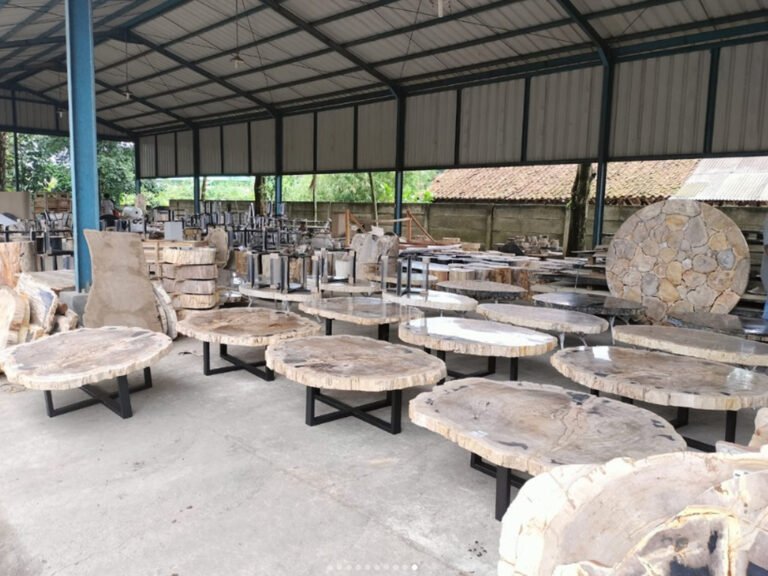
The shift is driven by a growing desire for authentic, natural materials that tell a story. Unlike mass-produced furniture, each piece of fossilized wood is a unique geological artifact, offering a depth of color and pattern that synthetic materials simply cannot replicate. As the growing demand for petrified wood in global markets continues to rise, designers are increasingly turning to Indonesian sources, known for their exceptional quality and diverse mineral compositions.
Sustainable Luxury: Why Designers Are Choosing Fossilized Wood
The future of interior design is undeniably tied to sustainability. Modern consumers are moving away from disposable, trend-based furniture and toward pieces that offer longevity and ethical sourcing. Petrified wood fits perfectly into this paradigm. Because it is a natural stone-like material, it is incredibly durable, resistant to decay, and requires minimal chemical treatment compared to traditional timber.
Moreover, the incorporation of ancient materials into contemporary spaces provides a grounding element in an increasingly digitized world. As homeowners look to create sanctuaries of calm, the use of organic, fossilized elements provides a tangible link to history. For those interested in how this translates to practical application, understanding the benefits of using petrified wood in eco-friendly homes is essential for architects and interior designers aiming for LEED certification or biophilic design standards.
The Future Design Trends for Petrified Wood
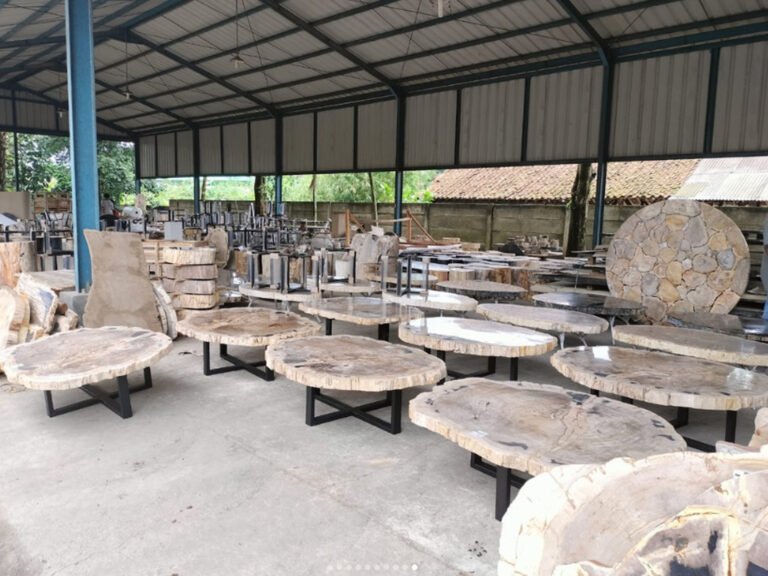
Looking ahead, we expect to see a move toward more integrated uses of petrified wood. While coffee tables and statement sculptures remain popular, new design trends include:
- Architectural Cladding: Using thin-cut fossilized wood tiles for feature walls in residential and commercial lobbies.
- Integrated Technology: Bespoke furniture designs that incorporate smart home tech, such as backlit petrified wood slabs that serve as ambient light fixtures.
- Mixed-Media Aesthetics: Pairing the raw, rugged edges of petrified wood with ultra-modern metals like brushed gold, stainless steel, or matte-black aluminum.
These innovative approaches demonstrate that the material is versatile enough to transcend traditional rustic aesthetics. By observing how Indonesian petrified wood in modern architect projects is being utilized, it is clear that we are only scratching the surface of its potential in the global design market.
Practical Considerations for Future Projects
As global designers adopt petrified wood, the focus will increasingly shift toward sourcing and authenticity. Because each piece is unique, procurement requires a deep understanding of geological provenance and craftsmanship. Future-proof design projects rely on partnerships with reliable manufacturers who prioritize ethical extraction and high-standard finishing processes. When planning your next interior design project, consider the specific environmental conditions of your space to ensure the wood remains a timeless feature for years to come.
Looking for Authentic Indonesian Petrified Wood?
Java Petrifiedwood provides a curated selection of premium fossilized wood, sourced and processed by skilled Indonesian artisans. Whether you are an interior designer working on a luxury villa or a homeowner looking for a unique centerpiece, our team is ready to support your project. Contact us today to explore our current inventory and learn how we can help you integrate the timeless beauty of petrified wood into your next design concept.
One Comment