

The Growing Demand for Petrified Wood in Global Markets
The Growing Demand for Petrified Wood in Global Markets
Petrified wood is no longer a niche collectible or a museum artifact. Today, it’s a highly sought-after material in interior design, luxury home decor, and specialty construction markets worldwide. As interest in unique, eco-friendly, and naturally beautiful materials rises, so does the demand for petrified wood—especially premium-quality specimens from Indonesia. This article explores the key factors driving the growing international appetite for petrified wood, the dominant trends, and what global buyers need to know.
Understanding Petrified Wood: From Prehistoric Forests to Modern Homes
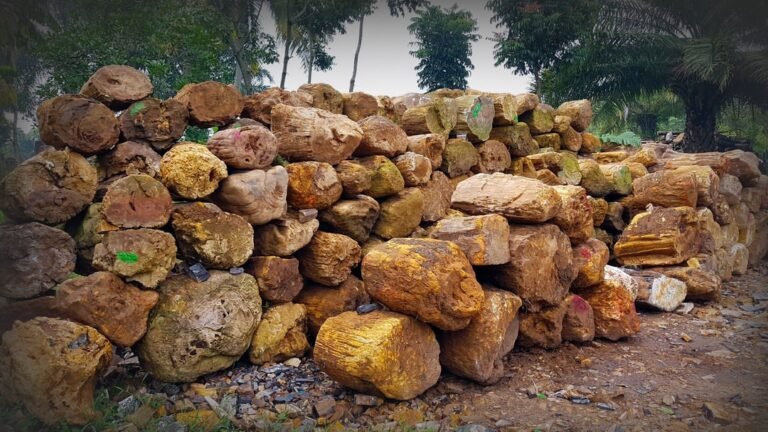
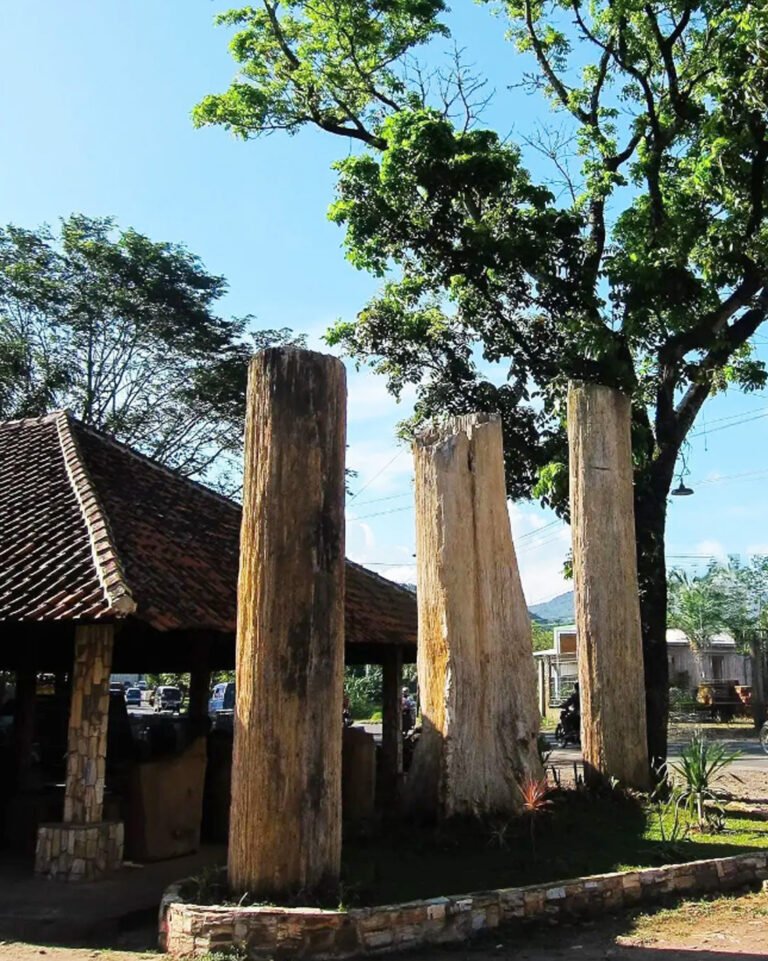
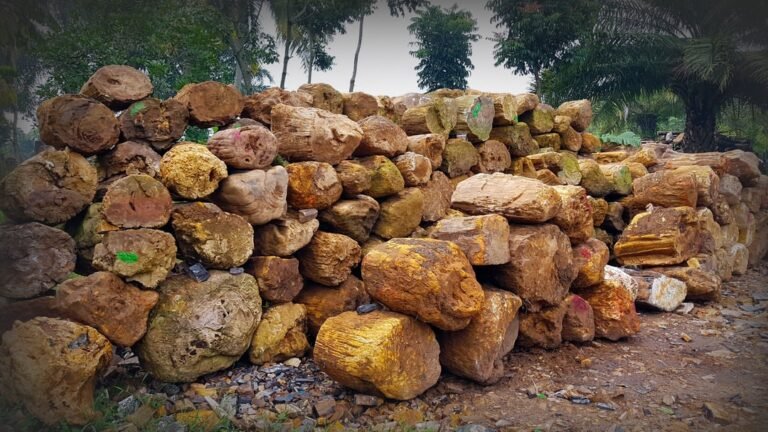
Petrified wood, also known as fossilized wood, is formed over millions of years when wood is buried by sediment and then mineral-rich water flows through it, transforming the organic material into stone. Each piece tells a unique geological story, with vibrant colors and intricate grain patterns preserved eternally in quartz, jasper, or chalcedony. This natural process makes every specimen one-of-a-kind, coveted by collectors and designers alike.
Key Characteristics Making Petrified Wood Desirable
- Durability and strength rivaling other natural stones.
- Unique colors and patterns due to minerals present during fossilization, offering endless design possibilities.
- Eco-conscious appeal: Naturally formed, non-renewable but sustainably harvested when responsibly sourced.
- Historical and cultural value, making each piece both an artifact and a design element.
Why the Global Demand for Petrified Wood is Soaring
Several trends contribute to the increasing global demand for petrified wood:
1. Growth in Luxury Interior Design
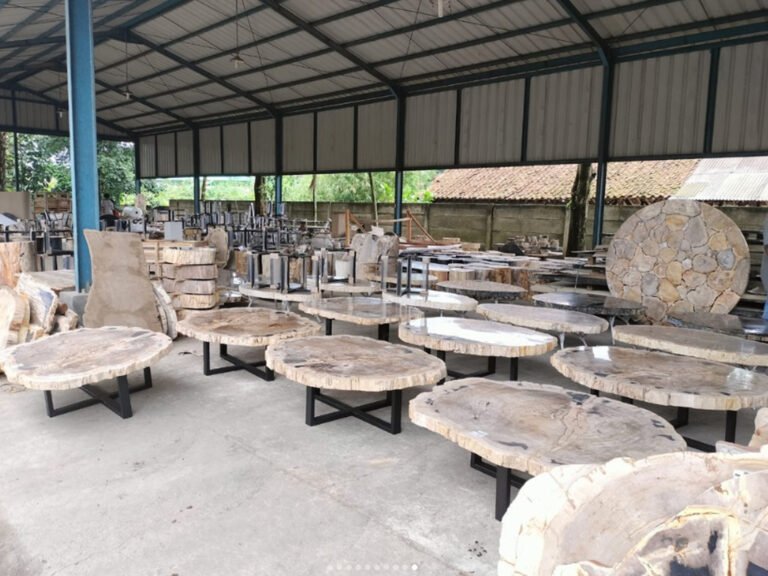
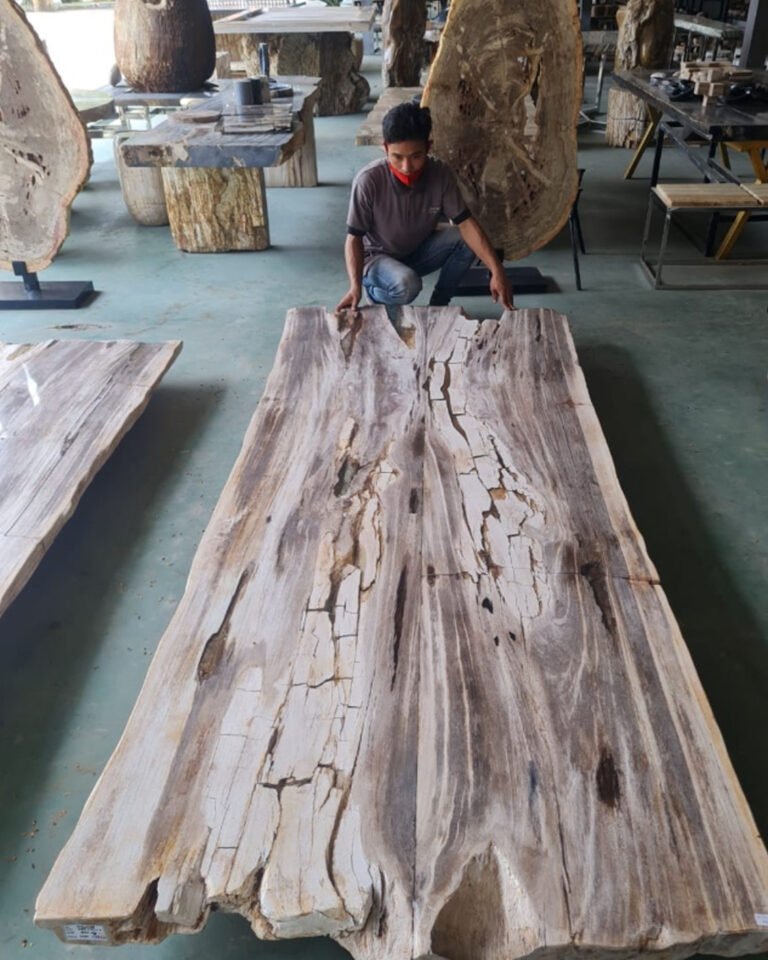
High-end residential and commercial interior designers are constantly searching for unique statement pieces. Petrified wood’s natural elegance and exclusivity have made it a favorite for tabletops, sinks, feature walls, and even flooring. The unpredictability of its structure and hues means no two installations look alike, which is highly valued in luxury projects.
2. Eco-Friendly and Sustainable Design Movement
The trend towards sustainability in design has led buyers to seek materials with minimal environmental impact. Responsibly sourced petrified wood aligns with eco-conscious values, especially when harvesting practices protect fossil sites and local ecosystems. Buyers increasingly inquire about the provenance and certification of petrified wood before purchase.
3. Investment and Collectible Value
Petrified wood, particularly premium specimens from renowned deposits, is now recognized as a collectible and investment asset. Rare colors, large pieces, and ancient woods command high prices at auctions and among private collectors, especially as top sources become harder to access.
4. Expanding Applications
- Furniture design: From coffee tables to countertops, petrified wood is both aesthetic and functional.
- Art installations: Artists incorporate polished slabs or cross-sections for gallery and public art.
- Jewelry and decor: Smaller specimens are used for unique accessories and accent pieces.
- Building materials: A growing trend in luxury real estate and boutique hotels.
Indonesia’s Leading Role in the Petrified Wood Trade
Indonesia, especially the islands of Java and Sumatra, is the world’s top source of high-quality petrified wood. The country’s unique volcanic activity and historical forests have produced an extraordinary diversity of fossilized species and breathtakingly beautiful colors—from jet black to warm reds and golden tones.
Why Buy Indonesian Petrified Wood?
- Superior quality: Indonesian petrified wood is globally renowned for its high density, clarity, and vivid coloration.
- Variety: The region offers one of the broadest selections in terms of size, color, and species type.
- Export expertise: Indonesian suppliers are experienced in handling international orders, with established logistics and compliance with global trade regulations.
- Ethical harvesting: Reputable Indonesian exporters source petrified wood responsibly, preserving natural sites and fostering community engagement.
Key Global Markets for Petrified Wood
The demand for petrified wood extends across continents. Here are the main international markets contributing to its growth:
- United States: The largest importer, especially for luxury homes, hotels, and landscape architecture.
- European Union: Italy, Germany, and France have strong markets for high-end interior applications.
- China and East Asia: Growing appreciation among collectors and investors, as well as use in commercial developments.
- Middle East: Demand for exclusive, natural materials in luxury real estate and design projects.
Trends Shaping the Future of Petrified Wood Demand
Rising Use in Hospitality and Public Spaces
Upscale hotels, resorts, and boutique businesses are increasingly incorporating petrified wood into communal spaces, lobbies, spa areas, and outdoor landscaping. The material’s combination of natural history and luxury design creates memorable experiences for guests.
Enhanced Processing and Customization
Innovations in stone cutting and finishing allow for greater customization in thickness, shape, and surface polish. This expands the range of possible applications, from artistic wall panels to functional architectural features.
Digital Marketplaces and Global Supply Chains
Advancements in e-commerce and global shipping have made it easier for buyers in any country to source petrified wood directly from Indonesian suppliers, increasing accessibility and transparency in the trade.
Increasing Awareness of Sustainability
Buyers prioritize ethically sourced, certified petrified wood. Responsible suppliers openly share their harvesting practices and provide documentation, building trust and encouraging long-term business relationships.
Considerations for International Buyers
- Quality assurance: Work directly with reputable, export-experienced suppliers who offer guarantees on authenticity and quality.
- Documentation: Ensure all necessary permits, phytosanitary certificates, and CITES regulations are met.
- Sample evaluation: Request samples to assess color, pattern, and finish before placing larger orders.
- Logistics: Discuss packaging, freight, and insurance options to minimize risk during international shipping.
Conclusion: Petrified Wood’s Bright Future in Global Markets
As appreciation for natural beauty, luxury interiors, and unique materials continues to rise, the demand for petrified wood shows no signs of slowing. Indonesian petrified wood stands at the forefront, prized for its beauty, durability, and ethical sourcing. For international buyers, partnering with established Indonesian exporters offers access to a rich marketplace shaped by both tradition and innovation. As trends evolve, petrified wood remains at the pinnacle of sustainable luxury and timeless design.
4 Comments