

Best Petrified Wood Colors and Patterns to Look For
Introduction
Petrified wood, with its remarkable transformation from ancient tree to stone, stands as one of nature’s most exquisite works of art. What sets each piece apart is its unique color and pattern, influenced by mineral content, regional geology, and the original tree species. For collectors, interior designers, and enthusiasts, understanding the best petrified wood colors and patterns is essential for making informed acquisitions.
Factors Influencing Petrified Wood Colors and Patterns
The mesmerizing colors and patterns found in petrified wood are primarily the result of different minerals replacing the organic material over millions of years. Common minerals include silica, iron, manganese, and copper, each imparting distinct hues:
- Silica (Quartz): Clear to white base, enabling vibrant patterns.
- Iron Oxides: Reds, yellows, and oranges.
- Manganese: Pinks, purples, and deep black patterns.
- Copper: Greens and turquoise tones.
The interplay of these minerals not only colors the stone but also forms intricate patterns, often mirroring the original grain and growth rings of the ancient tree.
Most Desirable Petrified Wood Colors
While tastes may vary, there are several colors that consistently stand out for their beauty and rarity in the petrified wood market:
1. Deep Reds and Burgundies
Iron oxide creates striking shades of red, from brick to cherry and even deep burgundy. These intense colors are particularly popular in decorative pieces and jewelry-grade slabs. The vibrant hue is a mark of significant iron presence during fossilization.
2. Golden Yellows and Oranges
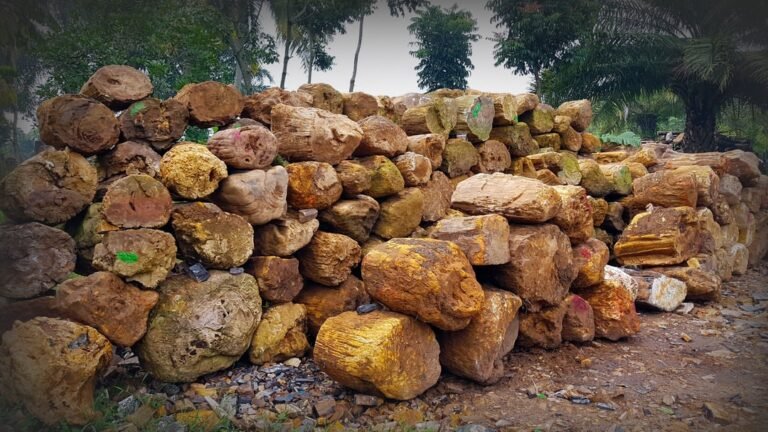
Yellow and orange shades, also caused by iron, evoke warmth and luxury. These sunny tones are frequently found in Indonesian and American petrified wood, often mixed with lighter bands for dramatic contrast.
3. Purples and Lavenders
Relatively rare, purple and lavender petrified wood is colored by manganese and sometimes titanium. These hues are extremely sought after due to their scarcity and the elegant effect they create.
4. Jet Blacks and Deep Browns
Dark petrified wood, featuring blacks and browns, results from high organic carbon content. Black petrified wood with high polish is prized for its dramatic and sophisticated appearance in modern interiors.
5. White and Cream
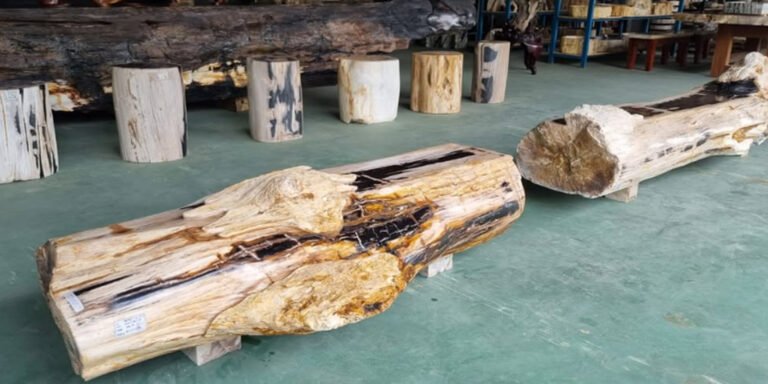
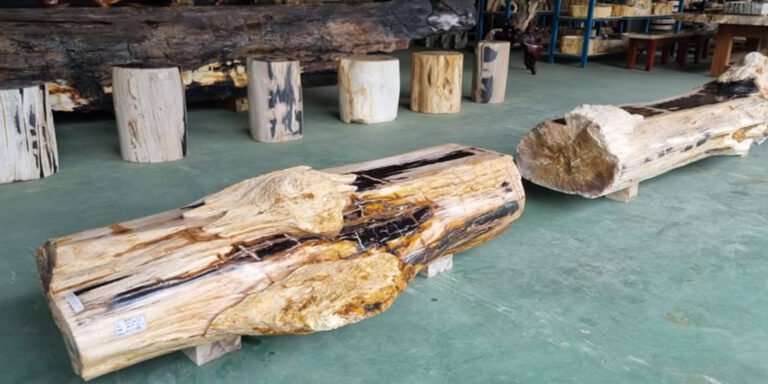
Silica-rich specimens often appear in pale whites or creams, sometimes with translucent qualities. These neutral tones provide versatility and are highly valued for bespoke interior décor.
6. Green and Blue Greens
Greens and blue-greens, colored by copper minerals, are some of the rarest finds. Green petrified wood is especially treasured by collectors for its exotic and unusual appeal.
7. Multicolor and Rainbow Petrified Wood
Some locations, especially in Indonesia and Arizona, yield petrified wood with multiple colors in one specimen. These rainbow pieces are highly collectible because they showcase the full spectrum of mineral-induced colors in dynamic bands or swirls.
The Best Petrified Wood Patterns
Beyond color, pattern plays a crucial role in the value and visual appeal of petrified wood. Here are the most prized patterns:
1. Growth Rings and Tree Grain
Pieces showing clear, concentric tree rings or wood grain are especially desirable. These patterns connect the stone directly to its living past. High-contrast rings can become mesmerizing focal points in tabletops or display pieces.
2. Banded and Striated Patterns
Banded patterns formed by alternating mineral layers give a sense of movement and depth. Striated and layered specimens are often found in larger cross-sectional slabs, ideal for statement art and interior accents.
3. Swirled and Abstract Patterns
Some petrified wood exhibits abstract, swirling mineral deposits, especially in areas where multiple mineral sources intersected. These create dramatic, one-of-a-kind pieces perfect for collectors seeking uniqueness.
4. Crystal Inclusions and Geode Centers
Occasionally, petrified wood contains pockets of quartz crystals or even miniature geodes. These patterns add sparkle and intrigue, making specimens not only beautiful but also interesting geological artifacts.
What Makes Certain Colors and Patterns More Valuable?
Several factors affect the value of petrified wood:
- Rarity: Unique colors like purple, green, or multicolor patterns fetch higher prices.
- Pattern clarity: Well-defined rings, bands, or crystal inclusions are highly desirable.
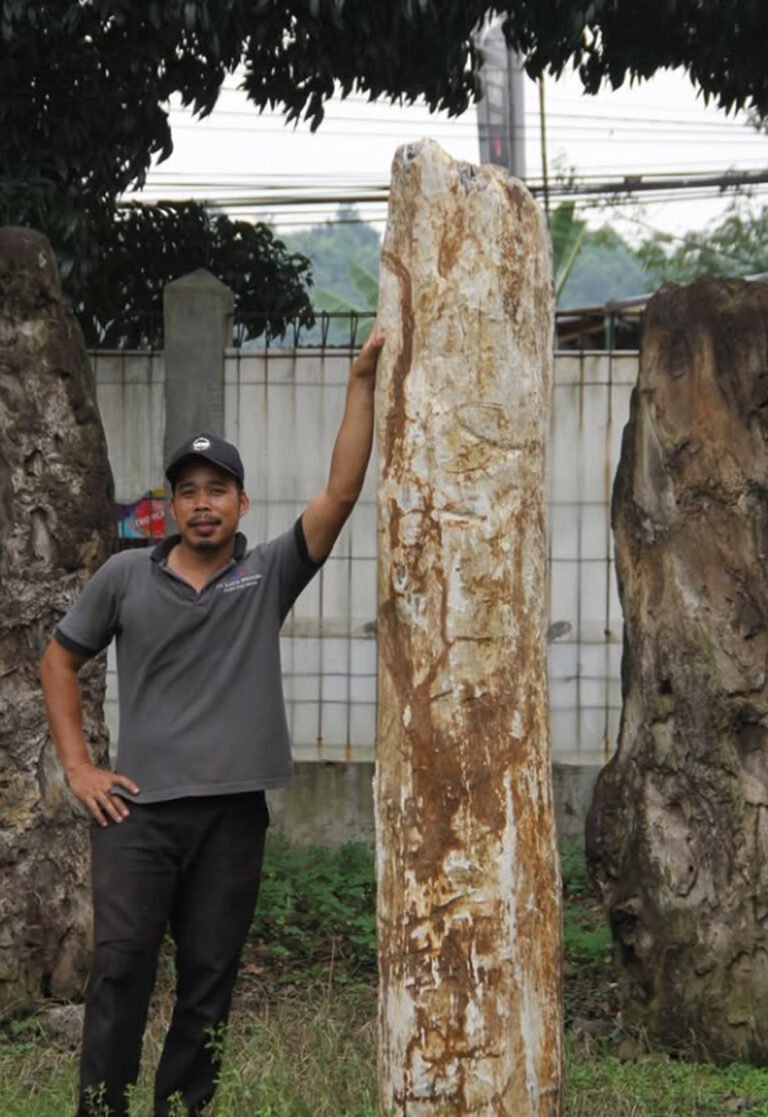
- Size and Condition: Larger, intact slabs with vivid colors and minimal fractures are most valuable.
- Origin: Certain regions, such as Indonesia or Arizona, are known for particularly striking specimens.
How to Identify Quality Petrified Wood Colors and Patterns
When shopping for petrified wood, consider the following tips:
- Look for vibrant, saturated colors and clear contrast between bands or grains.
- Inspect for surface polish and clarity, which enhance both color and pattern visibility.
- Ask about the source and authenticity of the piece, as some colors are prone to artificial enhancement.
- Examine for natural features like geode inclusions or detailed tree ring markings.
Applications for Beautiful Petrified Wood
Collectors and designers increasingly use striking petrified wood in:
- Statement furniture, such as coffee tables or countertops
- Decorative wall art or sculptures
- Jewelry and gemstone carvings
- Landscape and garden accents
Vivid colors and dramatic patterns not only add value but also make each piece a talking point in any setting.
Conclusion
The world of petrified wood is as varied and colorful as nature itself. Whether you’re a seasoned collector or searching for the perfect decorative accent, knowing which colors and patterns are considered the best helps guide your choices. Look for saturated hues, well-defined patterns, and one-of-a-kind features—a combination that yields both beauty and value.
Explore Unique Indonesian Petrified Wood
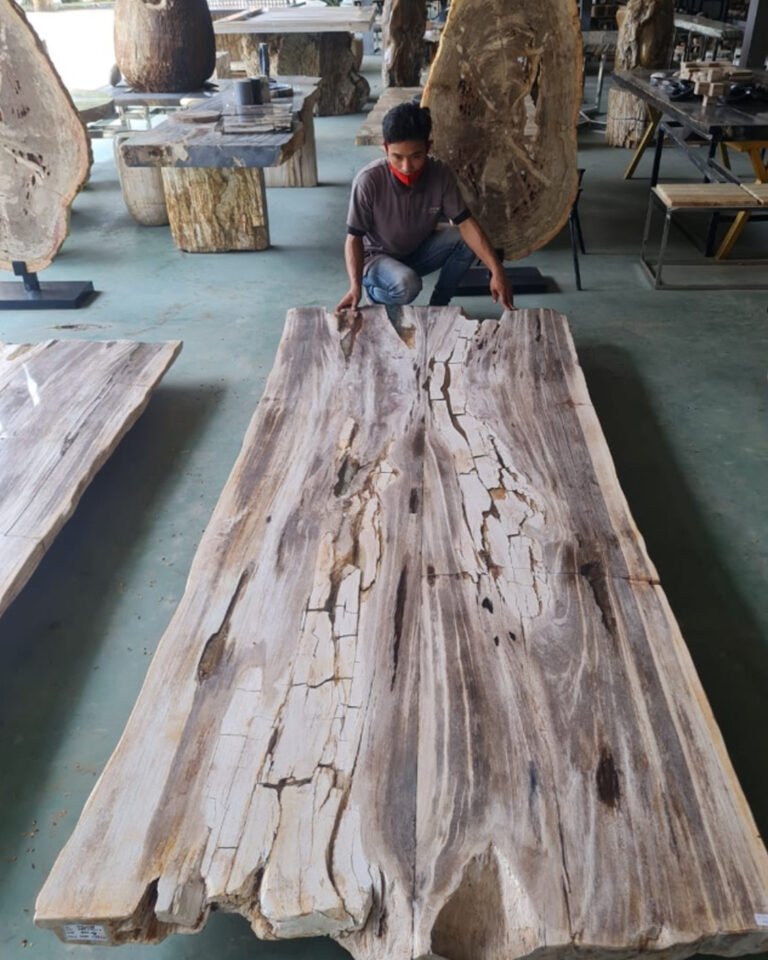
Indonesia is renowned for its vibrant and multicolored petrified wood, offering collectors and designers an unmatched palette. Explore Java Petrified Wood for authentic, ethically sourced specimens that showcase the very best petrified wood colors and patterns.
2 Comments