
The Export Process for Indonesian Petrified Wood Explained
Introduction
Indonesian petrified wood has attracted attention worldwide for its unparalleled beauty, durability, and unique geological origin. As demand rises, the export process for Indonesian petrified wood has become more relevant than ever for international buyers, importers, and resellers. Understanding each step in this journey—from site to showroom—is crucial for a smooth, legal, and successful transaction.
Why Indonesian Petrified Wood Is Sought After
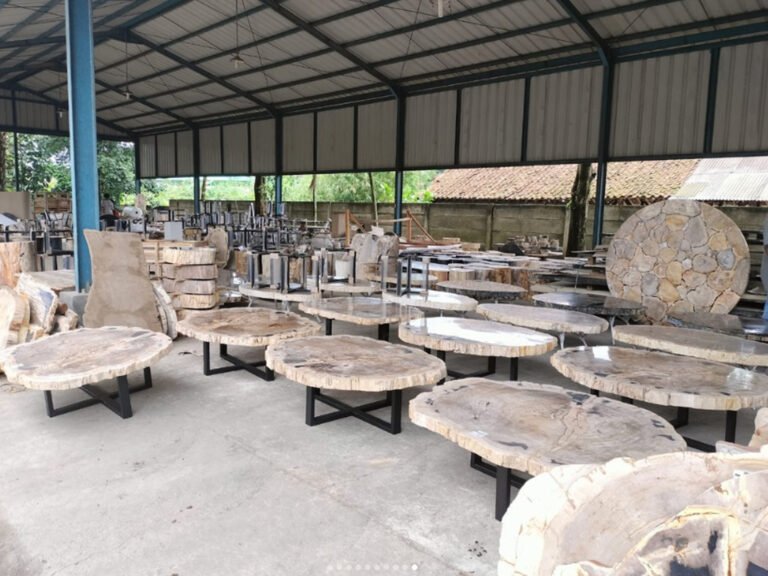
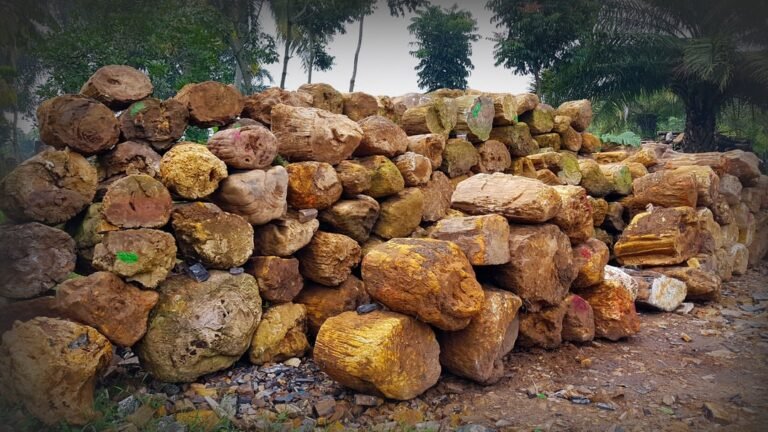
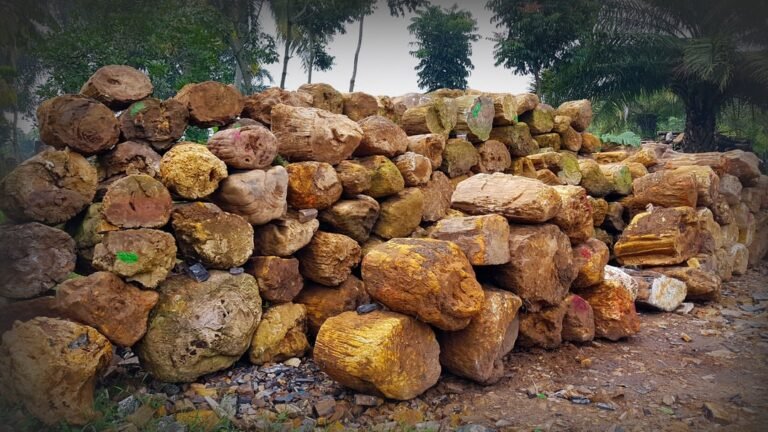
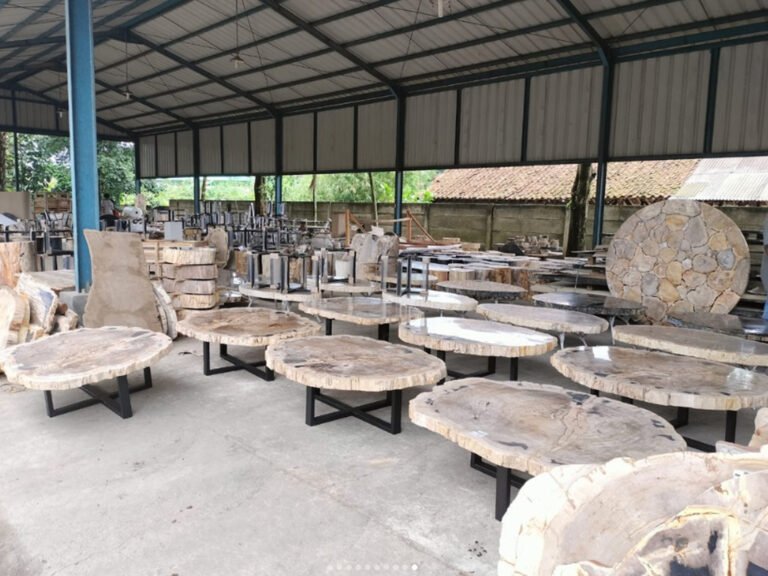
Petrified wood from Indonesia, especially Java, is renowned for its vibrant colors, intricate patterns, and exceptional hardness. Formed millions of years ago, these fossilized trees have transformed into semi-precious stone, making them ideal for luxury furniture, decor, jewelry, and unique collector’s bones. Their natural beauty and durability make them a top choice for designers, architects, and collectors around the globe.
The Legal Foundations: Export Regulations and Compliance
Before exporting Indonesian petrified wood, it is vital to understand the legal framework involved. The Indonesian government strictly regulates the extraction and export of petrified wood to ensure both environmental protection and compliance with international trade standards.
Key Regulations
- Export Permits: Only registered companies with proper mining and export licenses are permitted to ship petrified wood.
- SNI Standards: Exports must comply with the Indonesian National Standard (SNI) for petrified wood, ensuring authenticity and quality.
- Environmental Guidelines: Exporters must prove that the sourcing of petrified wood does not harm local ecosystems and adheres to environmental conservation laws.
Sourcing and Selection
The export journey begins with the responsible sourcing of petrified wood. Trusted Indonesian suppliers carefully select and categorize petrified wood pieces based on quality, coloration, size, and intended use, whether for slabs, furniture, or decorative items.
Quality Control
Before export, each piece undergoes strict quality control. Specialists inspect the material for cracks, coloration, finishing, and authenticity, ensuring only top-grade products reach international markets.
Preparing for Export: Documentation and Certification
Proper documentation is essential for smooth overseas shipping. This step determines how efficiently the petrified wood will pass through customs at both ends.
- Commercial Invoice: Specifies quantity, description, and value.
- Packing List: Detailed breakdown by size, weight, and package content.
- Certificate of Origin: Verifies the wood’s Indonesian origin for customs and preferential tariffs.
- Export License: Issued by Indonesian authorities to validate legal exportation.
- SNI and Quality Certificates: Confirming authenticity, physical properties, and compliance with both local and international standards.
Packaging and Handling
Petrified wood is dense, heavy, and valuable; thus, appropriate packaging is critical. Exporters use reinforced wooden crates, padded interiors, and moisture-barrier materials to prevent breakage and surface damage during transit.
Labeling
Every crate is meticulously labeled with unique identifiers, description, gross/net weights, and handling instructions to facilitate easy clearance and reduce the risk of mishandling.
Arranging International Shipment
Depending on the destination and order volume, petrified wood can be shipped by ocean freight (FCL or LCL containers) or air freight for smaller, high-value shipments.
Key Steps in Shipment
- Coordination with international freight forwarders for booking space and scheduling shipment.
- Compliance with destination country requirements, such as fumigation or additional certification.
- Insurance coverage to protect against shipping risks.
- Tracking and real-time updates for buyers.
Customs Clearance: Indonesia and Destination Country
Efficient customs clearance is critical in the export process for Indonesian petrified wood. Exporters provide all relevant documentation and certificates to government agents for inspection. On arrival, the importing country’s authorities check for compliance with local regulations, sometimes requiring additional testing or certification.
Factors Affecting Clearance
- Documentation Accuracy: Even minor errors can delay clearance.
- Import Duties & Taxes: Buyers are responsible for paying any applicable tariffs or fees.
- Restricted Species: Some countries have extra requirements for fossilized materials.
Last-Mile Delivery and Customer Support
Upon successful customs clearance, the shipment is delivered to the buyer’s specified location, whether warehouse, showroom, or project site. Exporters often assist with after-sales support, such as installation advice, maintenance guidelines, and warranty documentation.
Choosing a Reliable Indonesian Petrified Wood Exporter
To avoid legal, logistical, and quality issues, international buyers should partner with reputable Indonesian petrified wood suppliers. Look for companies with a proven export track record, transparent processes, compliance with Indonesian and international laws, and positive client reviews.
Conclusion
The export process for Indonesian petrified wood encompasses several regulated, sequential steps that guarantee the protection of resources, legality of trade, and satisfaction of international buyers. By understanding this process, buyers can ensure they receive authentic, high-quality petrified wood products delivered efficiently and legally to their destination.
One Comment