
Petrified Wood vs Regular Wood: Understanding the Differences
Understanding the Core Differences
For interior designers, collectors, and homeowners, the choice between organic timber and fossilized materials often comes down to aesthetics and functionality. While both materials originate from ancient trees, they exist in entirely different states of matter. Comparing petrified wood vs regular wood is essentially an exploration of how time and geology transform organic matter into stone.
Regular wood is a biological material—a fibrous, structural tissue found in the stems and roots of trees. In contrast, petrified wood is a fossil. It is the result of a process where organic material is completely replaced by minerals over millions of years, maintaining the original structure of the wood while taking on the hardness and characteristics of rock.
The Formation Process: Biological vs. Geological
Regular wood is defined by its cellular structure, consisting primarily of cellulose and lignin. It is renewable, flexible to a degree, and subject to decay, moisture, and pests. It requires constant maintenance to remain in peak condition.
Petrified wood, however, undergoes a process known as permineralization. When a tree is buried under layers of volcanic ash or sediment, it is shielded from oxygen, which prevents the usual decay process. Over millennia, mineral-rich water flows through the wood’s cellular structure, depositing silica, iron, and manganese into the gaps. Eventually, the wood becomes a replica of stone. To learn more about this incredible geological transformation, read our guide on how petrified wood forms.
Comparing Physical Properties
The differences in physical properties make these two materials suitable for very different applications. Use the table below to understand their distinct characteristics:
| Feature | Regular Wood | Petrified Wood |
|---|---|---|
| Composition | Organic Fiber (Cellulose/Lignin) | Mineral (Quartz/Silica) |
| Hardness | Soft to Hard (Mohs scale 1-4) | Very Hard (Mohs scale 7) |
| Durability | Subject to rot, termites, and fire | Weather-resistant and fireproof |
| Maintenance | Requires oiling, staining, and sealing | Low maintenance; easy to clean |
Durability and Long-Term Value
When considering furniture or decor, the durability factor is paramount. Traditional timber is prone to warping, shrinking, or expanding based on humidity levels. Petrified wood, being essentially a stone, remains stable in almost any environment. This inherent strength is a major reason why the long-term durability of petrified wood furniture makes it such a prized investment for luxury interiors.
Unlike regular timber, which may need to be replaced or refinished after a few years of heavy use, petrified wood surfaces—such as tabletops or bathroom counters—are incredibly resistant to scratches and heat. They are the perfect choice for those seeking a natural, lasting alternative to traditional wood.
Aesthetic Versatility
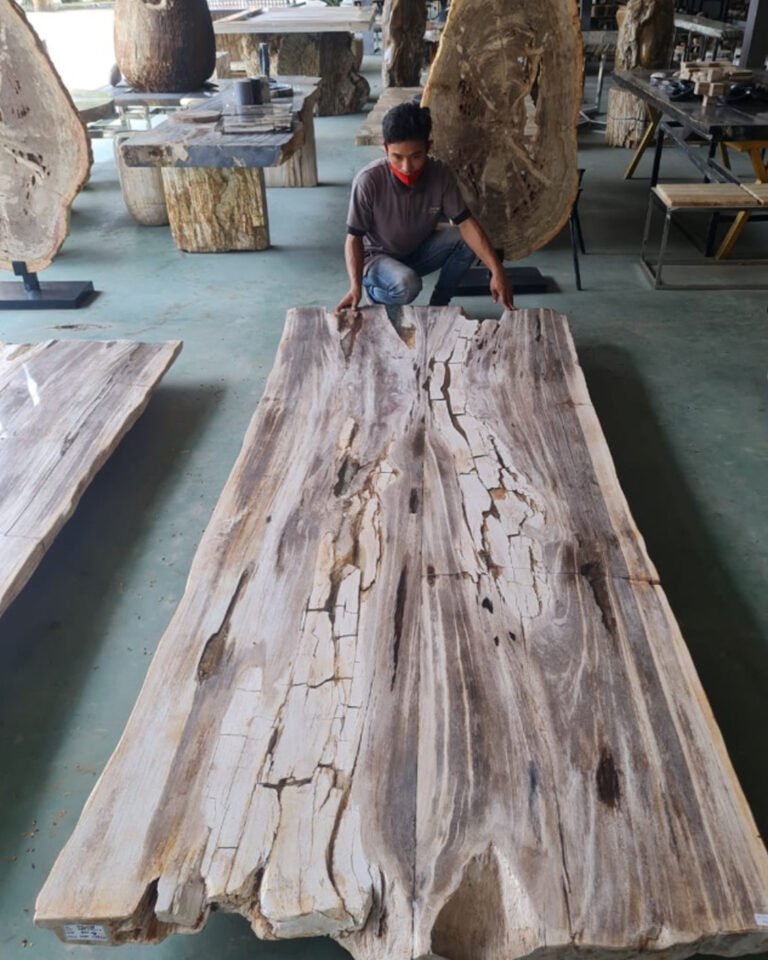
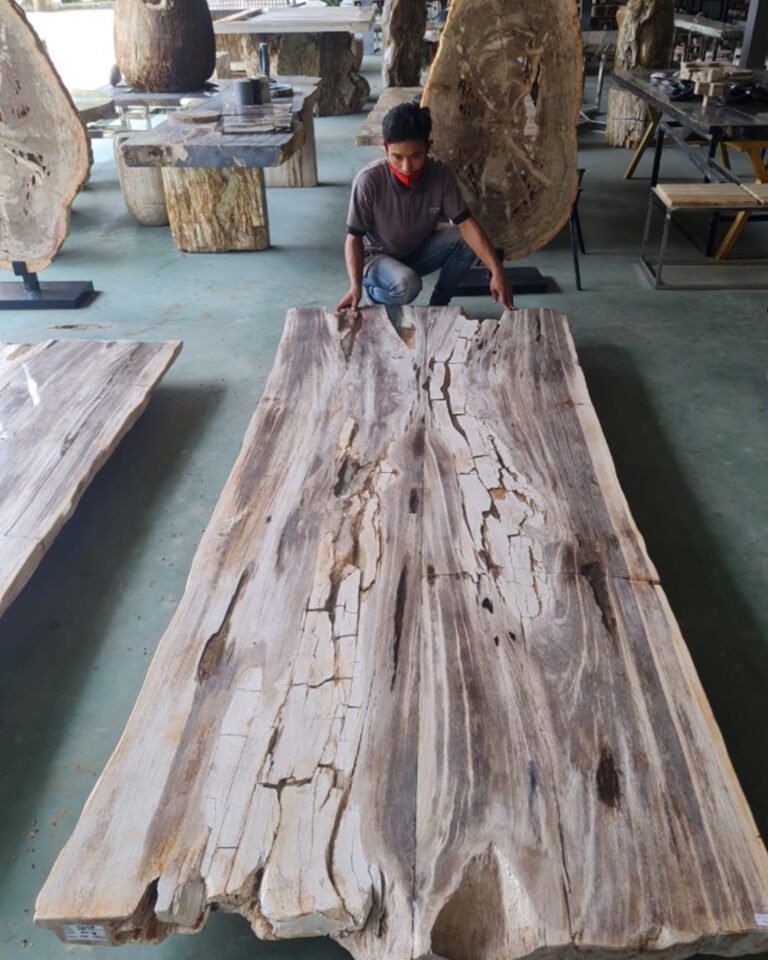
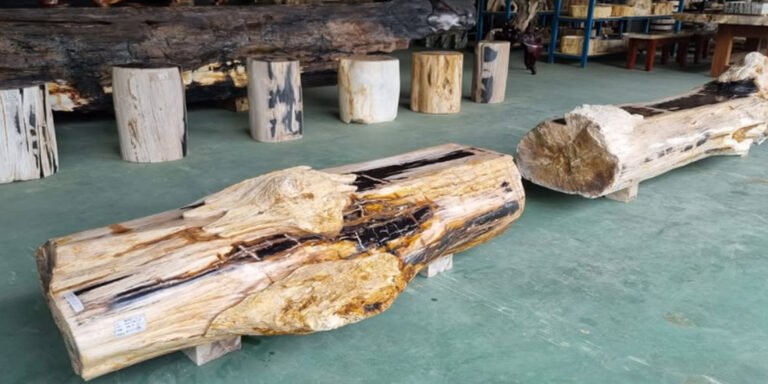
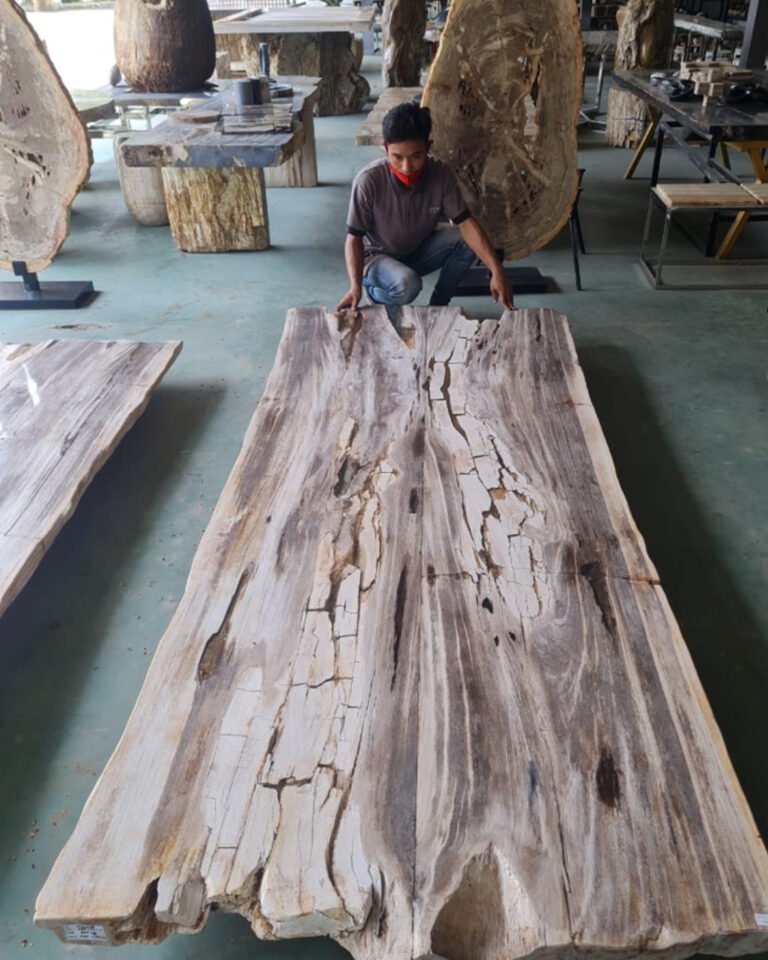
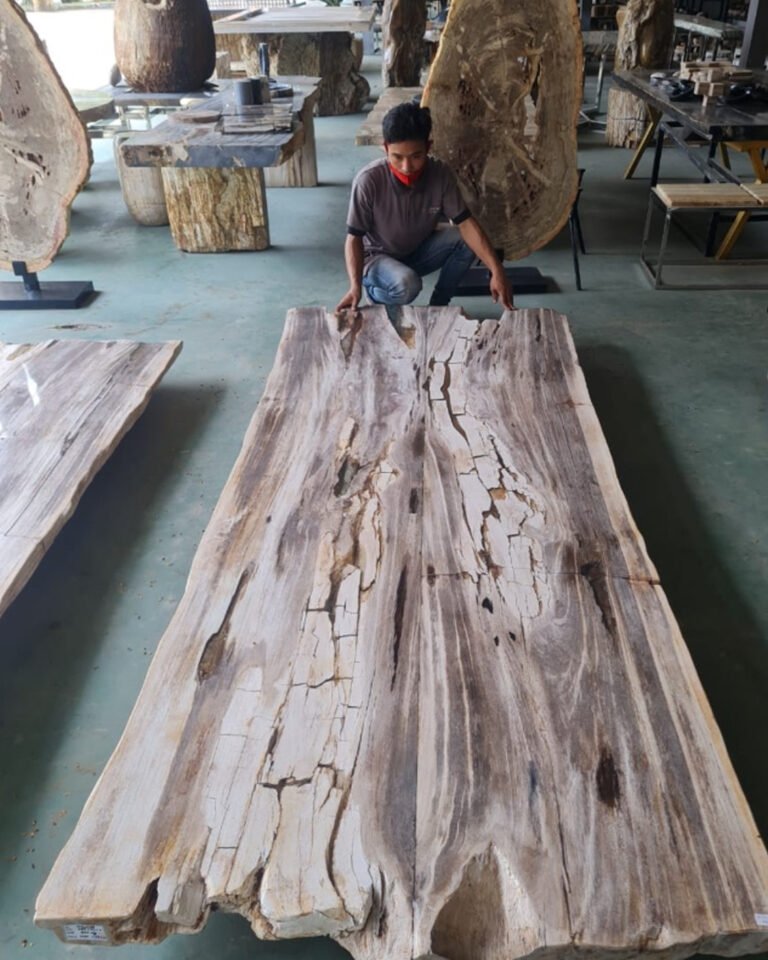
Regular wood provides a warm, classic aesthetic favored in traditional design. However, petrified wood offers a visual depth that no modern wood can replicate. Because it is mineralized, it often displays vibrant colors, ranging from deep blacks and browns to subtle reds and yellows. This unique appearance makes it a centerpiece in modern, high-end designs.
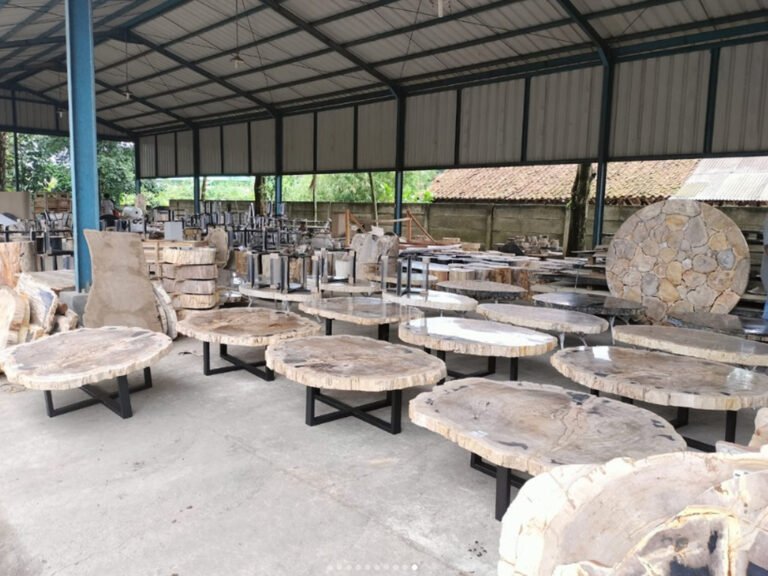
Whether you are looking to create an art installation or a luxury dining table, the fossilized patterns within the stone create a sense of history and prestige. If you are interested in incorporating these natural masterpieces into your next project, explore our collection at Java Petrifiedwood. Our team is dedicated to providing high-quality, ethically sourced fossilized wood for your unique interior needs.
FAQ
Is petrified wood actually wood?
In its original state, yes. However, after the permineralization process, the organic wood tissue has been replaced by silica, making it technically a rock or fossil.
Can I use petrified wood for outdoor furniture?
Yes, absolutely. Because it is made of mineralized stone, it is far more resistant to the elements than regular wood, making it an excellent choice for luxury outdoor landscaping and furniture.
Is petrified wood heavier than regular wood?
Yes, significantly heavier. Because it is essentially solid stone, petrified wood products require careful handling and robust support structures compared to lightweight traditional timber furniture.
Does petrified wood require special cleaning?
No. You can clean it just like you would clean granite or marble. Avoid acidic cleaners, and use a damp cloth to maintain its natural luster.