
The Role of Petrified Wood in Ancient Civilizations
The Timeless Allure of Petrified Wood Through History
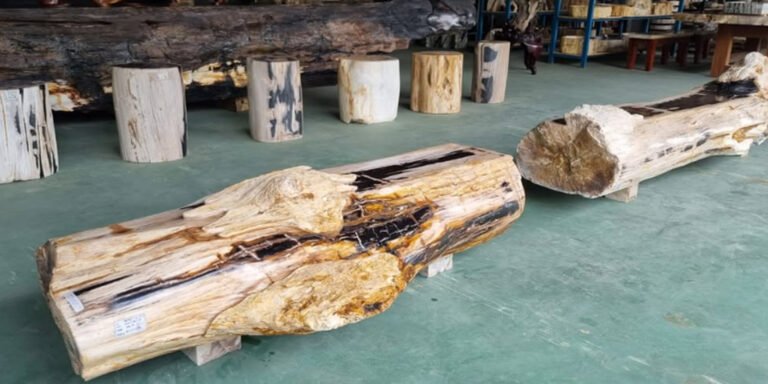
Petrified wood, a geological wonder where ancient organic material is replaced by minerals over millions of years, has long captured the human imagination. While today we celebrate this material for its role in modern luxury design, the relationship between humanity and fossilized wood dates back thousands of years. In ancient civilizations, petrified wood was not merely a decorative curiosity; it was a prized resource, a spiritual symbol, and a testament to the Earth’s enduring power.
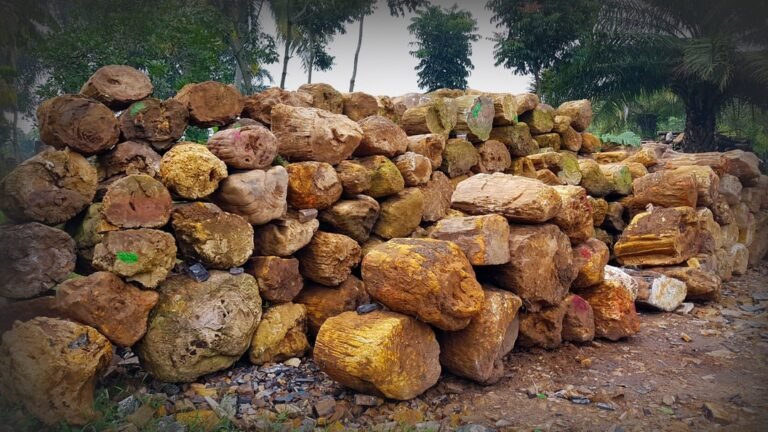
Understanding the geological story of Indonesian petrified wood allows us to appreciate why early humans were so drawn to it. The unique combination of wood-like grain and stone-like hardness made it a versatile medium for those who discovered it in riverbeds and ancient landscapes.
Ancient Tools and Weaponry
One of the earliest applications of petrified wood was in the development of primitive technology. Because of its hardness, which often ranges from 6 to 7 on the Mohs scale, ancient societies recognized that petrified wood could be knapped into sharp, durable tools. Similar to chert or obsidian, fossilized wood allowed early artisans to create:
- Cutting tools: Used for processing fibers and hides.
- Scrapers: Essential for preparing animal skins.
- Projectile points: Fashioned into arrowheads or spear tips for hunting.
Though less common than flint, petrified wood was highly valued in regions where it was abundant. It provided the necessary density to maintain an edge, proving that the strength and durability of the material were recognized long before the era of modern machinery.
Symbolism and Spiritual Significance
Beyond utility, petrified wood held profound meaning in various cultures. Its transformation from a living tree to a lasting stone was often interpreted as a miracle of nature. In many ancient traditions, objects that remained unchanged over lifetimes were believed to possess protective energies.
People often carried small, polished fragments of petrified wood as amulets. These pieces were thought to ground the wearer, connecting them to the ancient wisdom of the earth. Even today, the sentiment remains, as many people appreciate why petrified wood is a symbol of strength and timelessness in contemporary decor.
Decorative and Ceremonial Use
As civilizations became more settled and developed sophisticated artistry, petrified wood was elevated from a utility item to a prestige good. Excavations of ancient sites have revealed jewelry, beads, and inlay work made from highly silicified wood. Its array of natural colors—ranging from deep reds and browns to vibrant yellows—made it a favorite for:
- Ceremonial Ornaments: Pendants and carvings worn by tribal leaders.
- Inlay Art: Used in the decoration of wooden boxes, shrines, or furniture.
- Small Sculptures: Representing figures of nature and ancestral spirits.
The Evolution of Craftsmanship
The transition from manual shaping in ancient times to modern precision processing highlights the human fascination with this material. In places like Indonesia, this tradition of craftsmanship continues, though it is now supported by advanced cutting and polishing techniques. Those interested in how modern masters handle this ancient material can learn more about how petrified wood is cut, polished, and finished to bring out its hidden geological beauty for global collectors.
Legacy of the Stone Forest
The role of petrified wood in ancient civilizations proves that our appreciation for natural beauty is not a modern trend. It is an ancient connection to the history of our planet. Whether used as a sharp tool for survival or a sacred object of beauty, fossilized wood has served as a bridge between the living world and the geological deep time of the earth.
If you are looking to incorporate this historic, timeless material into your own space, explore our collection of artisanal pieces. From statement tables to unique decor, Java Petrifiedwood brings the beauty of millions of years into the modern home. Contact us today to find the perfect piece of natural history for your collection.