

How Weather Affects Petrified Wood Quality
Understanding the Resilience and Sensitivity of Petrified Wood
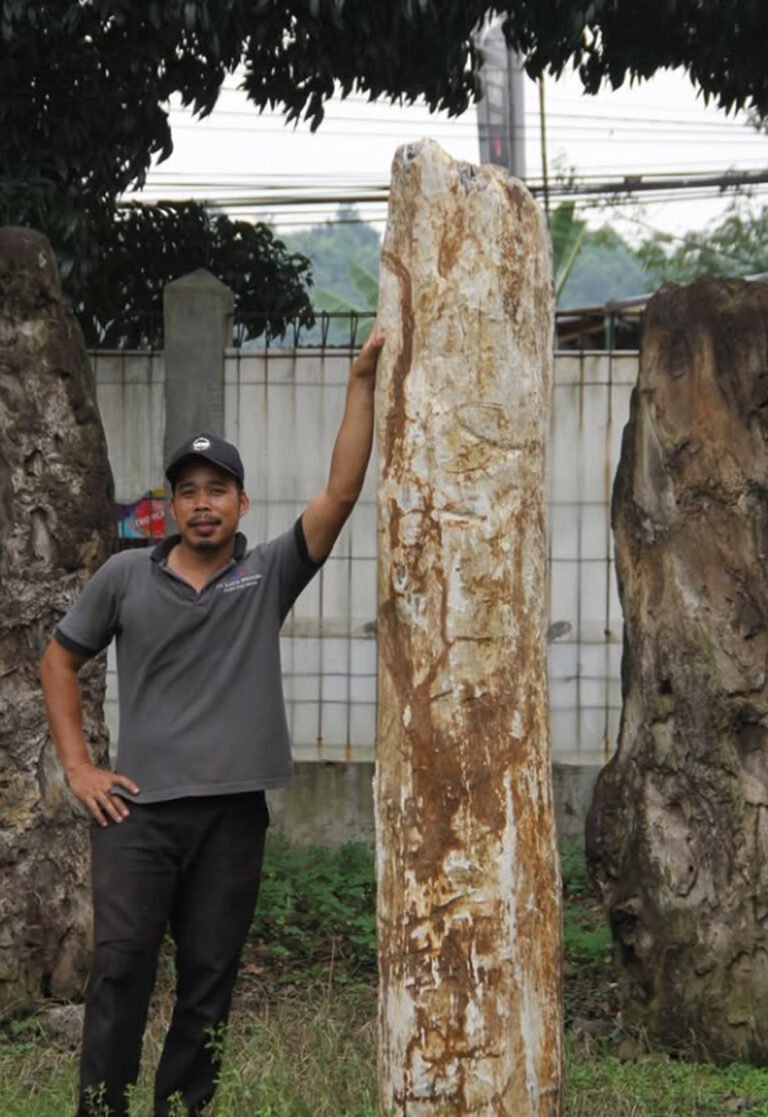
Petrified wood is often perceived as an indestructible material due to its geological origins. After millions of years of permineralization, organic wood is replaced by silica, quartz, or other minerals, resulting in a stone-like structure. While it is undeniably durable, the notion that it is entirely impervious to environmental factors is a misconception. Understanding how weather affects petrified wood quality is essential for collectors, interior designers, and homeowners who wish to preserve the longevity of these prehistoric treasures.
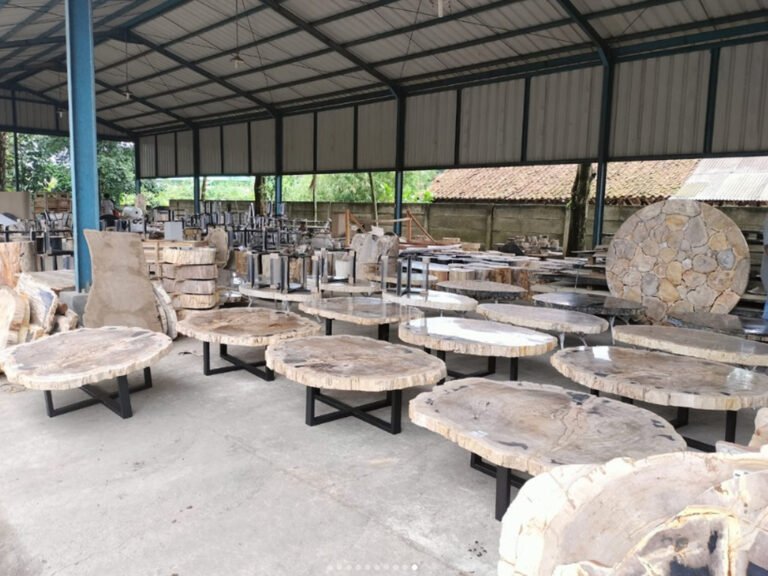
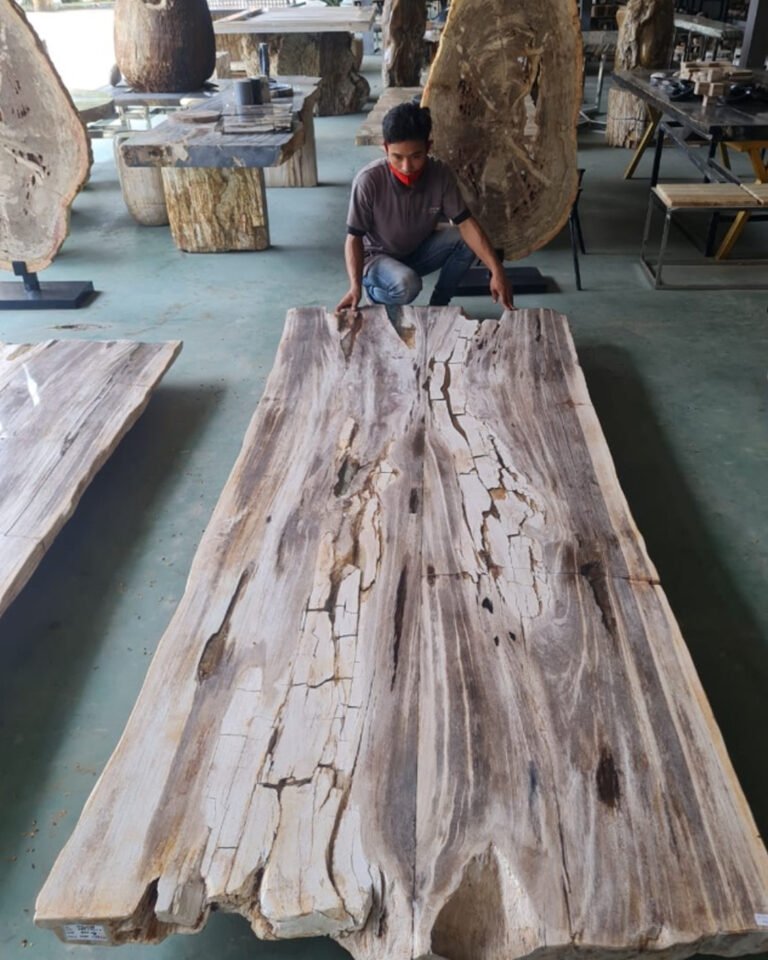
In Indonesia, the sourcing and processing of fossilized wood are handled with meticulous care to ensure the highest quality. However, once these pieces are integrated into homes or commercial spaces, they interact with their local environment. Whether used in top-tier architectural applications or as refined decorative elements, the material’s surface and structural integrity can respond to extreme fluctuations in temperature and humidity.
The Impact of Temperature Fluctuations
Extreme thermal shock is one of the primary environmental stressors for any mineral-based material. Petrified wood, while chemically stable, can contain microscopic inclusions or natural fissures from its long burial process. Rapid, extreme shifts from freezing temperatures to high heat can exert pressure on these internal structures.
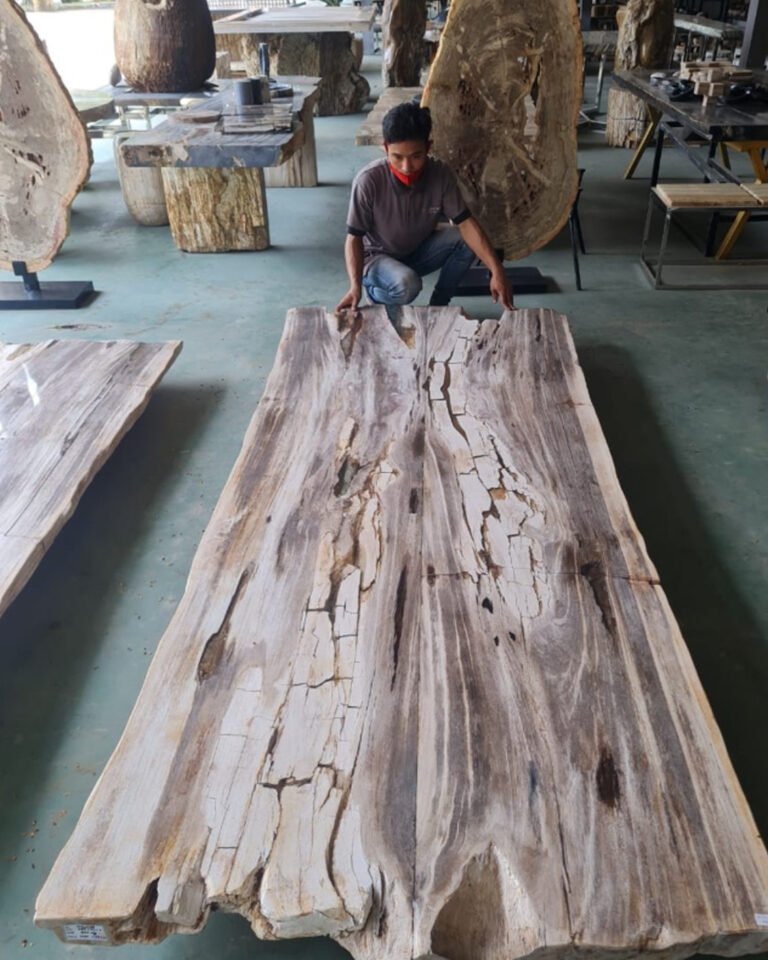
In most indoor settings, these changes are negligible. However, if a piece is placed outdoors in a climate with extreme seasonal variations, the expansion and contraction cycles can potentially exacerbate hairline cracks. For high-end furniture, such as those discussed in our guide on understanding the value of petrified wood furniture, professional finishing is crucial. Proper sealing helps mitigate the influence of ambient temperature by providing a protective barrier that stabilizes the surface.
Humidity and Moisture Considerations
While petrified wood does not rot like organic timber, moisture management remains a topic of interest for long-term maintenance. High humidity levels, when combined with temperature changes, can influence the appearance of the stone’s polished surface over many years.
- Indoor Environments: In standard interior climates, petrified wood is extremely stable and requires minimal intervention.
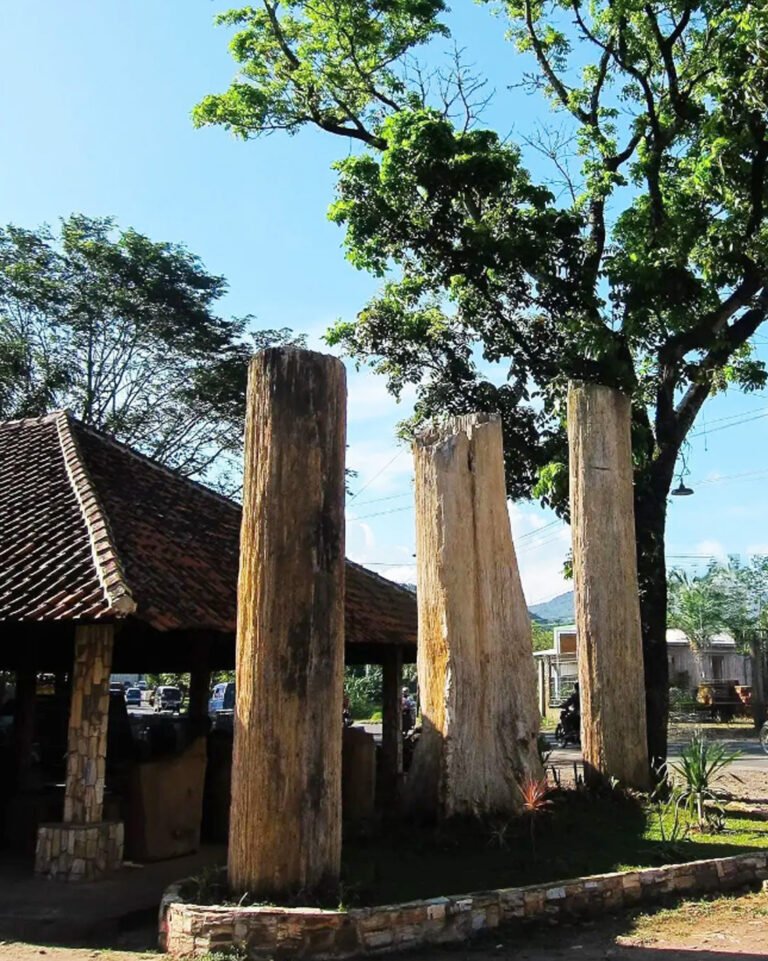
- Outdoor Environments: Direct exposure to heavy rain or prolonged standing water can cause mineral deposits to accumulate in natural crevices, potentially dulling the luster of a polished surface.
- Protection: Using a high-quality stone sealer is the best way to ensure your pieces remain vibrant and resistant to environmental moisture.
Practical Tips for Maintaining Quality
To keep your petrified wood looking as pristine as the day it was sourced from the Indonesian landscape, consider these maintenance strategies:
- Strategic Placement: If placing petrified wood furniture outdoors, opt for covered patios or areas shielded from direct, extreme weather elements to maintain its structural finish.
- Routine Cleaning: Regularly wipe surfaces with a soft, damp cloth to prevent the buildup of dust or environmental debris that can settle into the unique grain patterns of the fossil.
- Professional Sealing: Re-apply specialized stone sealers every few years, especially for items exposed to more rigorous environmental conditions.
Why Quality Sourcing Matters
The inherent quality of the petrified wood begins long before it reaches your home. The way a supplier selects and processes the raw material is paramount. At Java Petrifiedwood, we prioritize material that has undergone superior mineralization processes, resulting in a higher density and greater resistance to natural stressors. By choosing high-quality specimens, you are investing in a product that is naturally better equipped to handle the demands of various climates and environments.
For those looking to integrate these stunning natural pieces into their design, our experts can guide you through the selection process, ensuring you receive a piece that meets your specific requirements for both aesthetics and durability.
Conclusion
While petrified wood is a remarkably strong and resilient material, respecting its geological nature ensures it remains a centerpiece for generations. By understanding how the environment interacts with your pieces, you can take simple, proactive steps to protect them. Whether you are a private collector or an interior designer sourcing for a major project, selecting authentic, well-processed pieces remains the most effective strategy for ensuring long-term quality.
If you are ready to explore our collection of premium, professionally processed fossilized wood, contact the Java Petrifiedwood team today to discuss your project needs.
2 Comments