

Why Petrified Wood Is Better Than Traditional Wood
The Timeless Appeal: Petrified Wood vs. Traditional Wood
When selecting materials for high-end furniture, architectural accents, or interior decor, the choice often falls between traditional wood and more exotic, geological alternatives. While traditional timber remains a staple in global design, petrified wood has emerged as a superior choice for those seeking a blend of extreme durability and unmatched aesthetic character. Unlike organic timber that requires constant maintenance, petrified wood is a fossilized wonder that offers structural permanence.
Unmatched Durability and Longevity
One of the primary reasons homeowners and designers choose this material is its geological resilience. Traditional wood is susceptible to environmental threats such as moisture, humidity, termites, and rot. Over time, even the most durable hardwood can warp, crack, or fade. In contrast, the strength and durability of petrified wood are derived from a process of mineralization that occurs over millions of years. This transformation replaces organic tissue with silica, turning the wood into stone. As a result, it is virtually impervious to the common wear and tear that plagues standard furniture materials.
Aesthetic Diversity and Unique Patterns
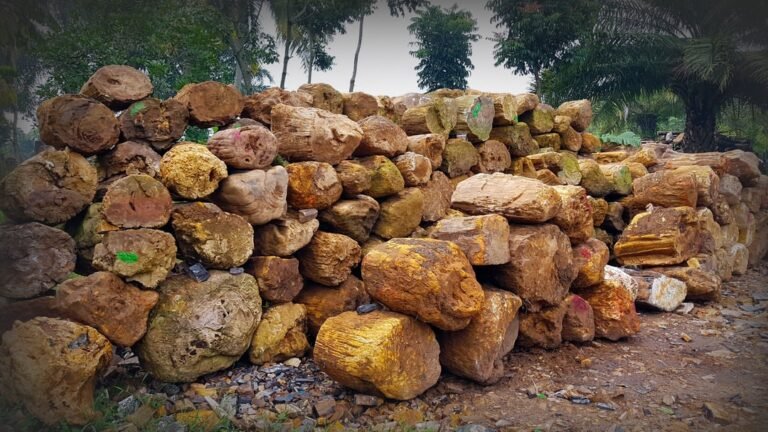
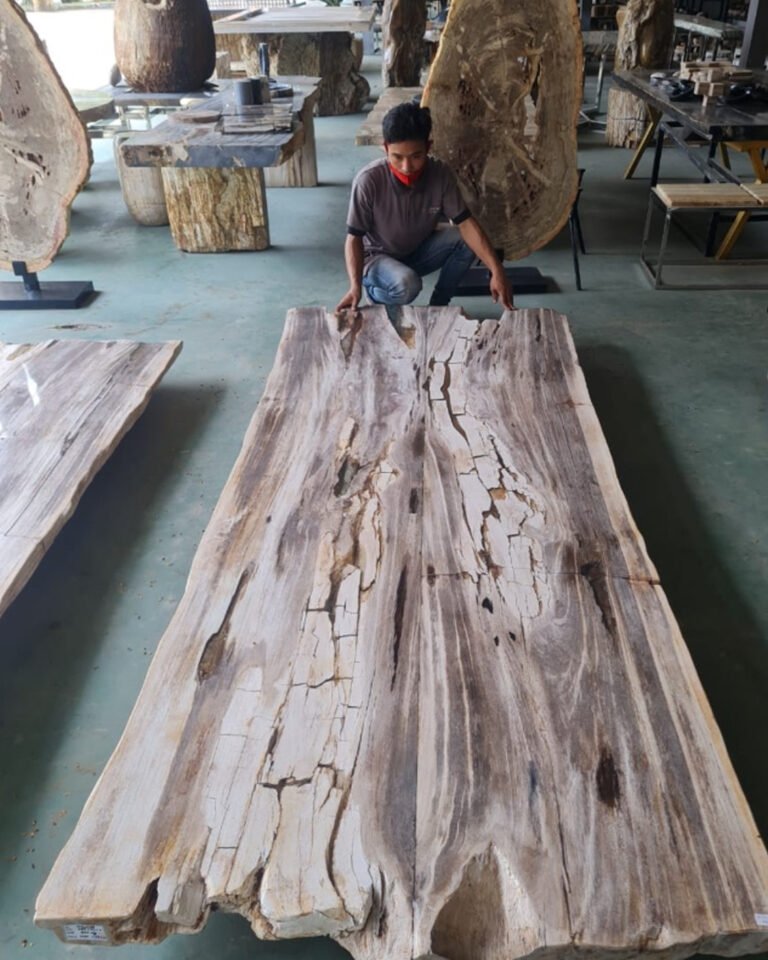
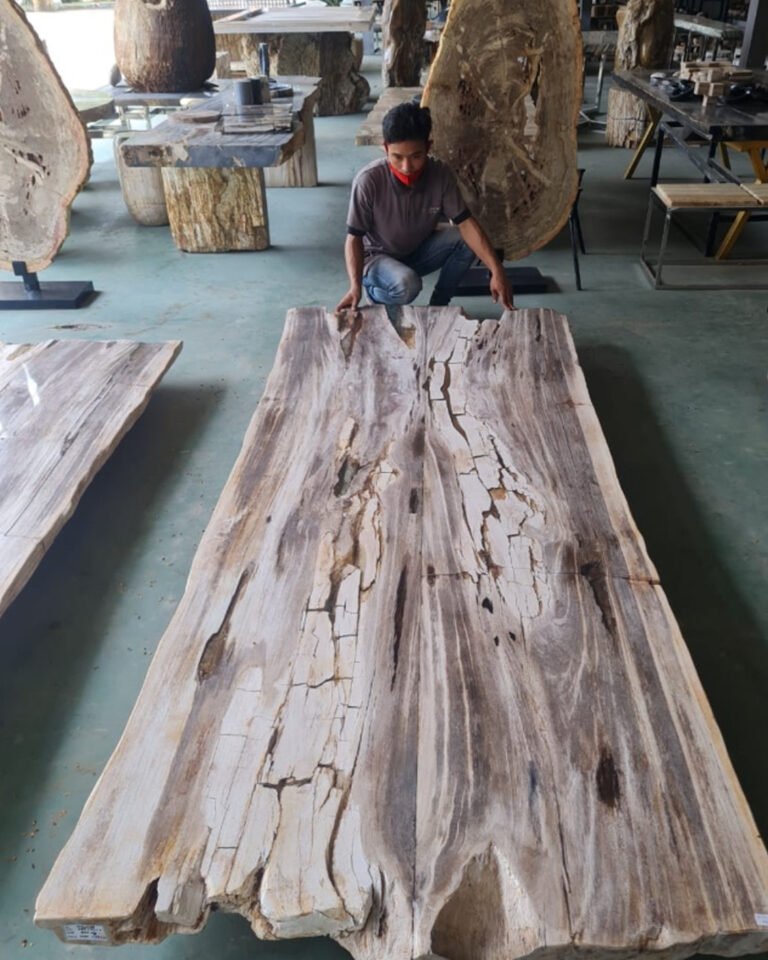
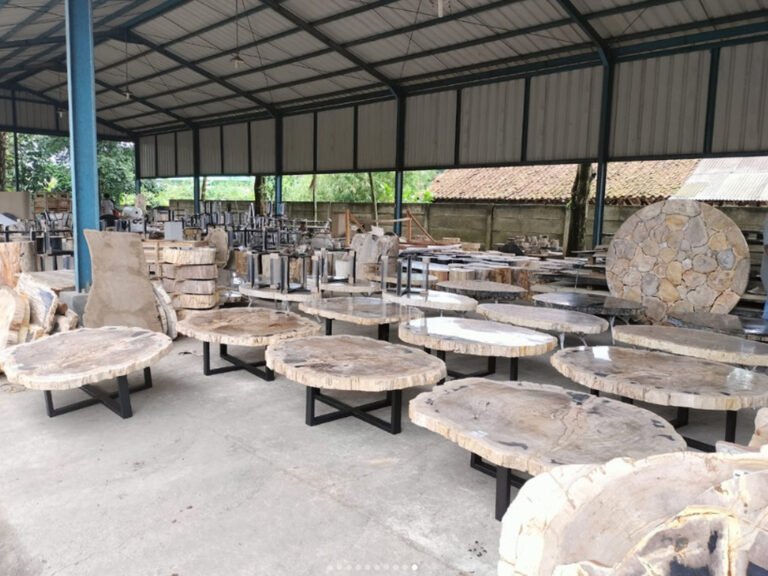
Traditional wood offers beautiful grains, but it is often uniform across a single species. Petrified wood, however, presents a kaleidoscope of colors and patterns that are impossible to replicate in modern forestry. Because the mineralization process captures the specific mineral content of the local soil and volcanic activity, each piece acts as a historical record. From deep ochres and fiery reds to subtle greys and blacks, every best petrified wood colors and patterns provides a unique visual statement that makes your interior design truly one-of-a-kind.
Comparing Material Performance
To better understand the differences, consider the following performance comparison table between fossilized wood and traditional lumber:
| Feature | Traditional Wood | Petrified Wood |
|---|---|---|
| Maintenance | Requires oiling, sanding, and sealing | Minimal; cleaning with a damp cloth |
| Durability | Susceptible to rot, pests, and moisture | Extremely hard; weather-resistant |
| Sustainability | Requires new tree harvesting | Harvested fossil; no new trees cut |
| Aesthetic | Consistent grain patterns | Unique, geological, and rare |
Sustainability in Modern Design
Choosing petrified wood is often considered a more environmentally conscious decision for luxury projects. Because it is a fossilized resource, there is no need to harvest living forests or contribute to deforestation. For those interested in sustainability of petrified wood mining in Indonesia, the responsible collection of these ancient treasures allows designers to incorporate natural elements into their work without compromising ecological ethics.
Maintenance-Free Luxury
Traditional wooden surfaces, especially dining tables or countertops, require significant upkeep to prevent staining, scratching, or drying out. Petrified wood is non-porous once properly polished and finished, making it incredibly easy to maintain. It does not require special wood oils or polishes. A simple wipe-down keeps the surface looking pristine for decades, making it an ideal choice for high-traffic areas in homes, hotels, or galleries.
Bring the History of Java to Your Home
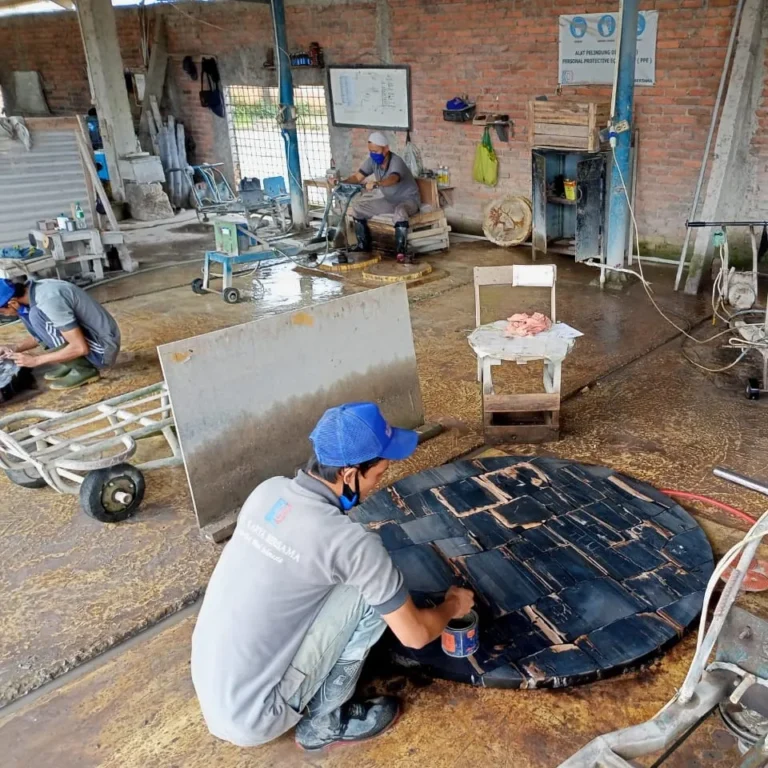
Whether you are looking for a statement dining table or an elegant side accent, Indonesian petrified wood brings a piece of earth’s history directly into your living space. If you are ready to invest in a material that outlasts traditional timber, explore our collection at Java Petrifiedwood. Our team specializes in sourcing and finishing premium, authentic pieces that elevate any interior project. Contact us today to discuss your specific requirements or to browse our latest arrivals.
2 Comments