

The Geological Formation of Petrified Wood in Indonesia
The Science Behind the Stone: Understanding Geological Formation
The transformation of organic matter into stone is one of nature’s most remarkable phenomena. When we look at Indonesian petrified wood, we are not just looking at a piece of decor; we are witnessing a geological process that spans millions of years. This process, known as permineralization, requires a specific set of environmental conditions that are abundantly present throughout the Indonesian archipelago.
Understanding the geological formation of petrified wood requires us to look back at prehistoric ecosystems. It begins when ancient trees are rapidly buried under layers of sediment—often volcanic ash or mineral-rich mud—which protects the organic material from aerobic decay, insects, and fungi that would otherwise cause the wood to rot.
The Role of Volcanic Activity in Indonesia
Indonesia’s unique geography, characterized by its position on the Pacific Ring of Fire, plays a critical role in the creation of these natural masterpieces. Volcanic eruptions have historically blanketed vast areas with ash, which is rich in silica—a vital ingredient for petrification. To learn more about the specific history behind these deposits, read our guide on the geological history of Indonesian petrified wood.
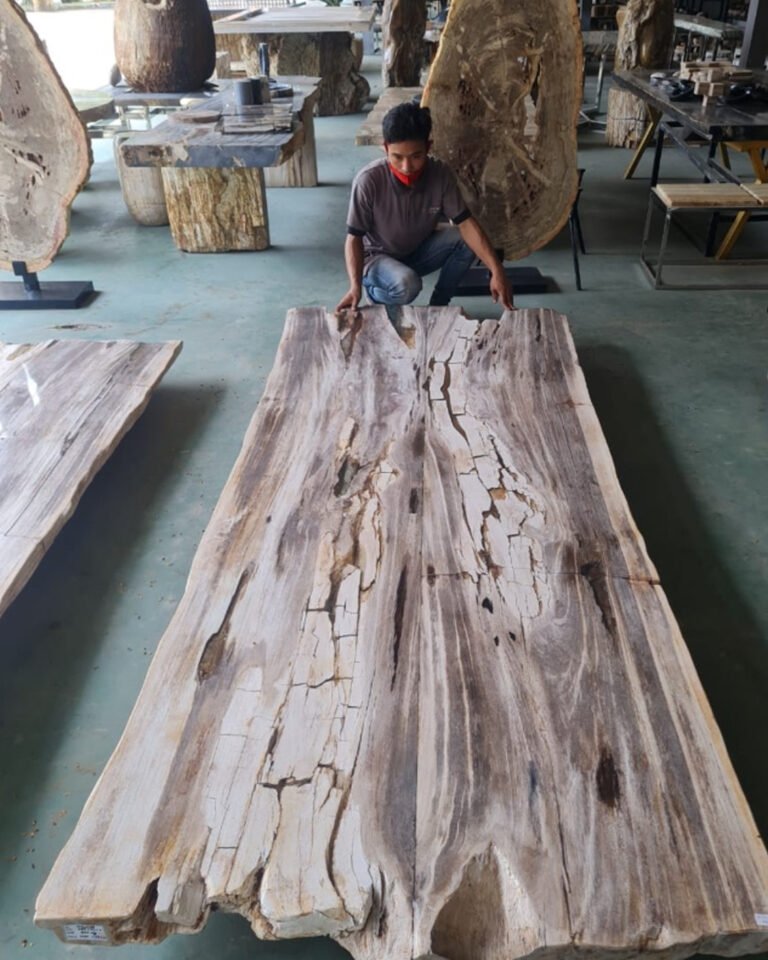
As groundwater percolates through these volcanic ash layers, it becomes saturated with dissolved minerals. When this mineral-laden water enters the buried timber, it fills the cellular spaces of the wood. Over millennia, the silica precipitates out of the water, crystallizing into quartz and replacing the organic cell walls. This replacement happens so precisely that the original structural details of the wood—such as rings, bark texture, and even knots—are preserved in stunning detail.
The Multi-Stage Process of Permineralization
The formation process is rarely instantaneous. It is a slow, methodical transformation that involves several key stages:
- Burial: Rapid covering by sediment prevents decomposition.
- Infiltration: Mineral-rich groundwater seeps into the wood’s vascular system.
- Replacement: Minerals like silica (SiO2) replace organic cellulose.
- Crystallization: Over millions of years, the structure hardens into chalcedony, jasper, or agate.
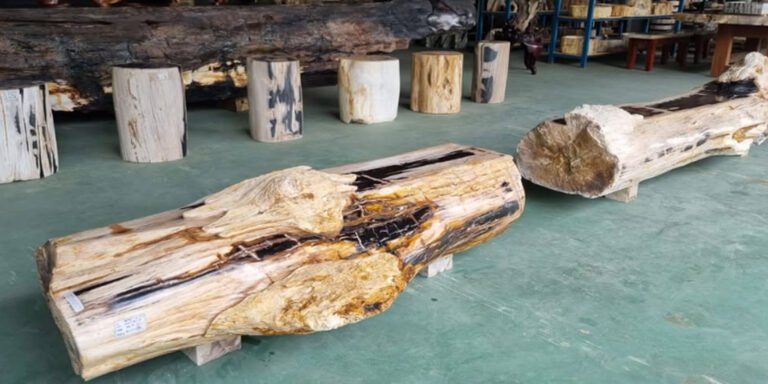
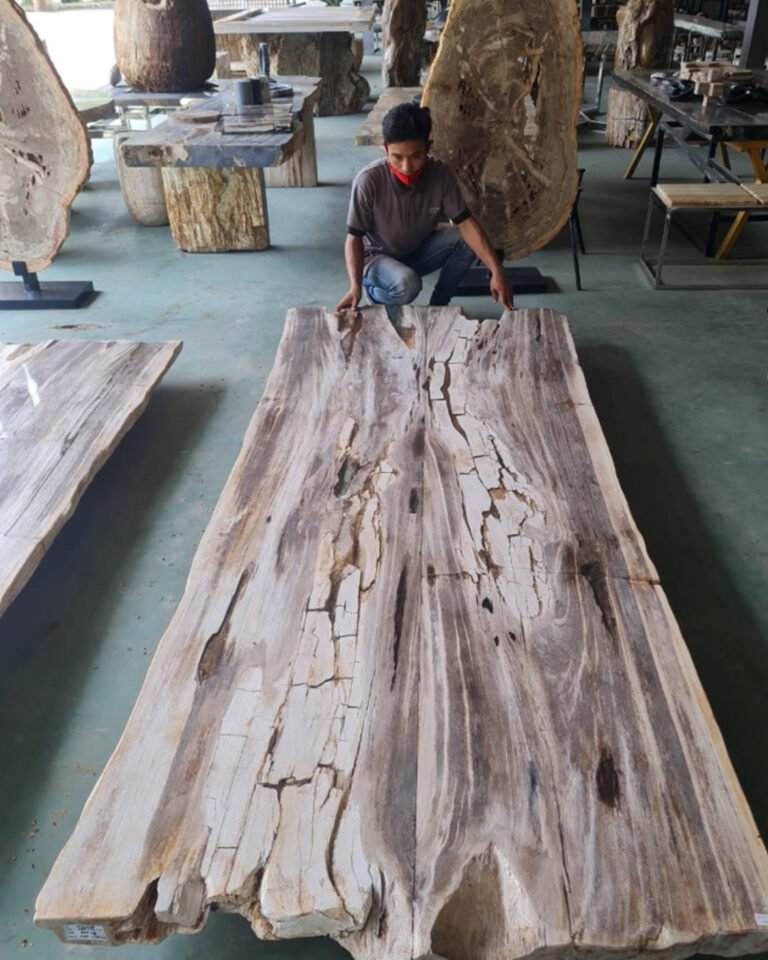
Because different minerals are present in the volcanic soils of different regions, the final appearance of the wood can vary significantly. Some specimens may exhibit vibrant reds, yellows, and browns due to iron oxides, while others may be more translucent or white due to high concentrations of pure silica.
Why Indonesia Produces Exceptional Petrified Wood
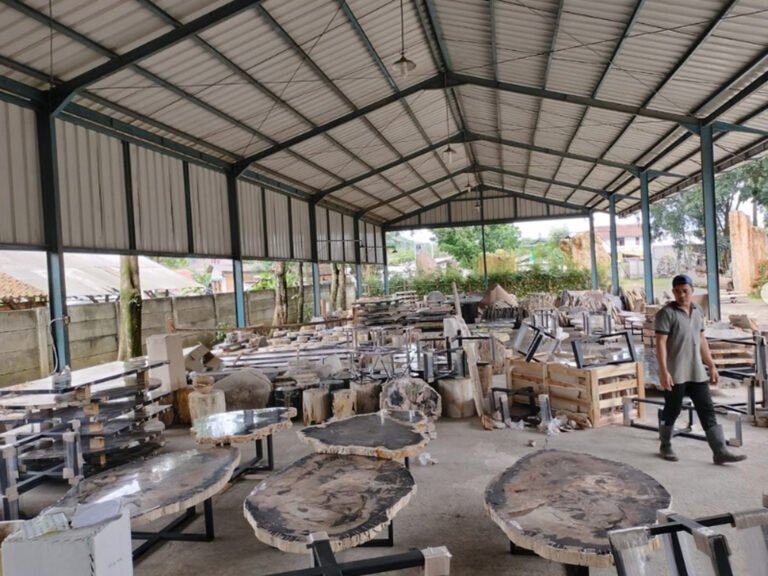
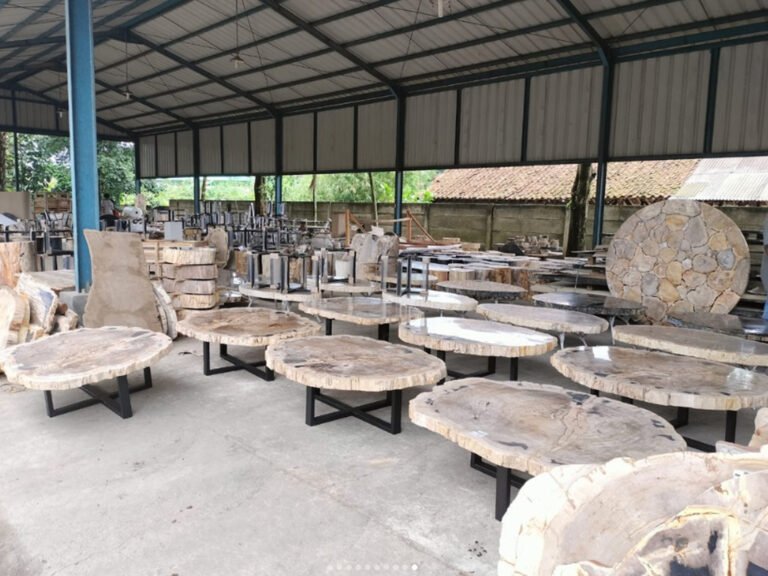
Indonesia is home to some of the most sought-after petrified wood in the world. The combination of dense, prehistoric tropical forests and the frequent, massive geological shifts associated with volcanic island building has created a perfect laboratory for fossilization. This is exactly why many collectors and interior designers seek out hand-carved fossilized wood products, as they appreciate the unique history embedded in each piece.
Practical Considerations for Collectors
When you purchase petrified wood, you are essentially acquiring a geological record. Unlike synthetic materials, each piece is entirely one-of-a-kind. Knowing that these pieces have survived intense geological pressure for millions of years adds a layer of depth to their aesthetic value. Whether you are sourcing a large slab for a boardroom table or a small decorative piece for your home, understanding its origin allows for a deeper appreciation of its durability and rarity.
If you are interested in exploring how these geological treasures are brought to the market, contact our expert team at Java Petrifiedwood to discuss your requirements for authentic, ethically sourced, and high-quality fossilized wood products for your next interior project.
FAQ
How long does it take for wood to turn into stone?
The process of permineralization is extremely slow. It typically takes millions of years for the minerals to completely replace the organic material and turn it into solid stone.
Why is Indonesian petrified wood so colorful?
The colors are determined by the mineral content in the surrounding groundwater during the fossilization process. For example, iron oxides often produce reds and yellows, while manganese can create black or purple hues.
Is petrified wood rare?
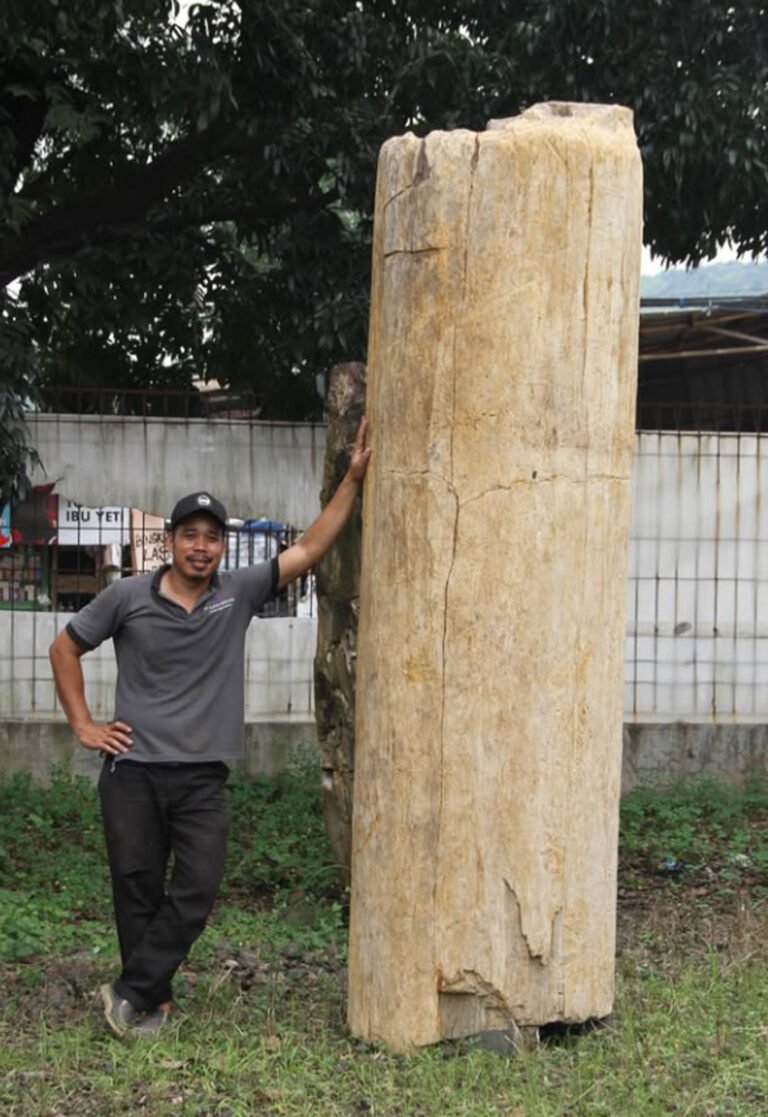
While petrified wood can be found globally, high-quality, gem-grade, or large-scale intact logs are considered rare and are highly valued by collectors for their aesthetic beauty and geological significance.
Can I find petrified wood in all parts of Indonesia?
Petrified wood deposits are concentrated in specific regions that were once covered by ancient forests and were subject to intense volcanic activity. Not every island or region in Indonesia contains these fossils.
2 Comments