

How Volcanic Activity Helped Create Indonesian Petrified Wood
The Geological Connection: Volcanoes and Ancient Forests
Indonesia is home to some of the world’s most exquisite geological formation of petrified wood in Indonesia, and the secret behind its existence lies deep within the archipelago’s turbulent volcanic history. For millions of years, the Indonesian islands have sat along the Pacific Ring of Fire, a region defined by intense tectonic and volcanic activity. This dramatic landscape provided the perfect set of conditions for what we today call petrified wood.
It is a common misconception that petrified wood is simply buried under dirt. The reality involves a precise interaction between ancient flora and volcanic byproducts. When massive volcanic eruptions occurred, they often blanketed prehistoric forests in thick layers of ash, tephra, and debris. This sudden burial served as the initial catalyst for the preservation process, shielding the organic material from the typical cycle of decay.
The Mineralization Process: How Ash Becomes Stone
Once the ancient trees were entombed in volcanic ash, the transformation from biological matter to stone began. The process of petrification, specifically permineralization, is a slow and deliberate sequence of chemical exchanges:
- Initial Burial: Volcanic ash, rich in silica and other minerals, covered fallen trees, creating a pressurized, oxygen-free environment.
- Groundwater Infusion: Over time, groundwater saturated with dissolved minerals—such as silica, iron, and manganese—seeped into the buried wood.
- Replacement: The minerals slowly replaced the original organic wood fibers on a cellular level. Because this occurred slowly, the internal structure of the tree, including its rings and bark texture, was perfectly preserved.
- Solidification: After millions of years, the silica solidified into quartz, essentially turning the wood into a gemstone-like material.
This geological history of Indonesian petrified wood explains why the material found here often displays such a diverse range of colors. The specific mineral composition of the local volcanic ash dictates whether the wood becomes red, yellow, black, or multi-colored, resulting in the high-quality pieces collectors seek today.
Why Indonesian Volcanic Activity is Unique
What sets Indonesian specimens apart is the sheer scale and intensity of the volcanic influence during the Miocene epoch. The combination of dense, prehistoric tropical forests and the frequent, mineral-rich ash falls created an ideal laboratory for petrification. Unlike wood that is fossilized in sedimentary riverbeds, the wood buried in volcanic strata often retains a higher density and a more brilliant, crystalline appearance due to the concentration of silica.
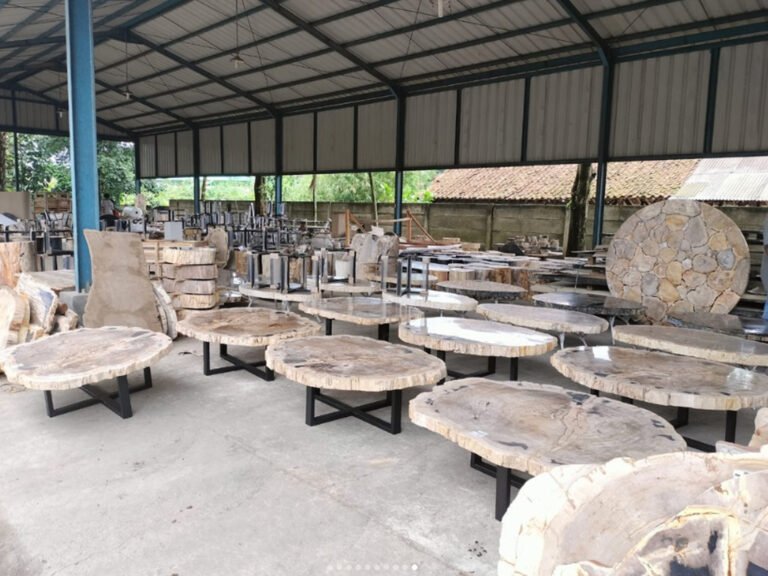
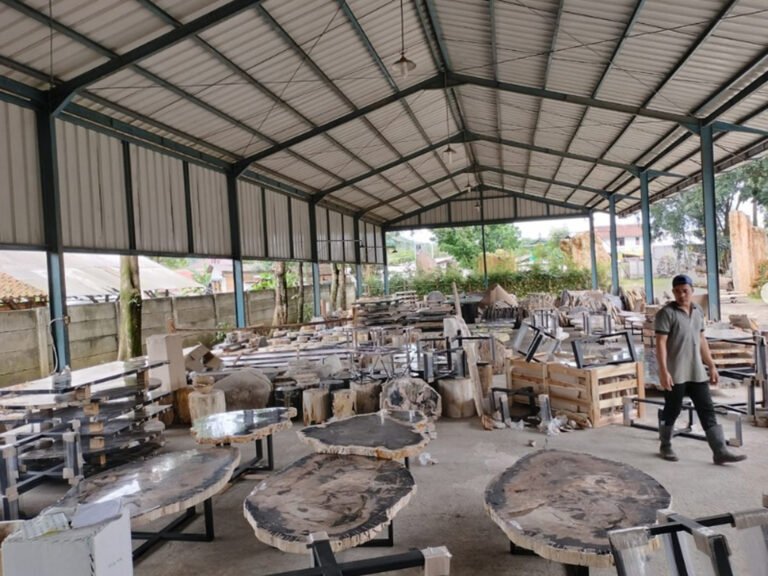
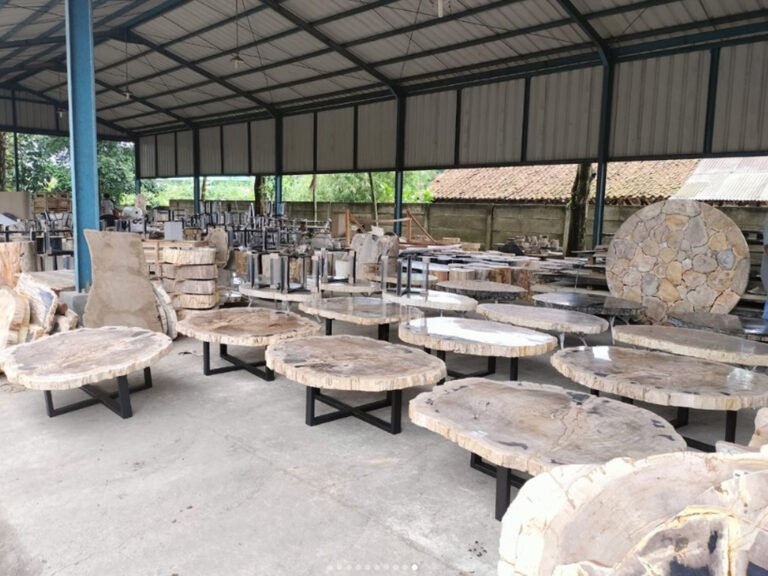
This unique heritage is why designers and collectors globally recognize the premium nature of Indonesian material. Whether it is used for the best petrified wood coffee table designs or as a standalone architectural feature, the volcanic legacy is evident in every polished surface.
Practical Considerations for Enthusiasts
If you are looking to source high-quality specimens, it is essential to appreciate that each piece tells a story of a specific volcanic event. When selecting your pieces, look for:
- Definition of Grain: Clear, distinct rings indicate a successful and thorough permineralization process.
- Color Variation: Vibrant hues are usually indicative of high mineral content, common in areas with historic volcanic activity.
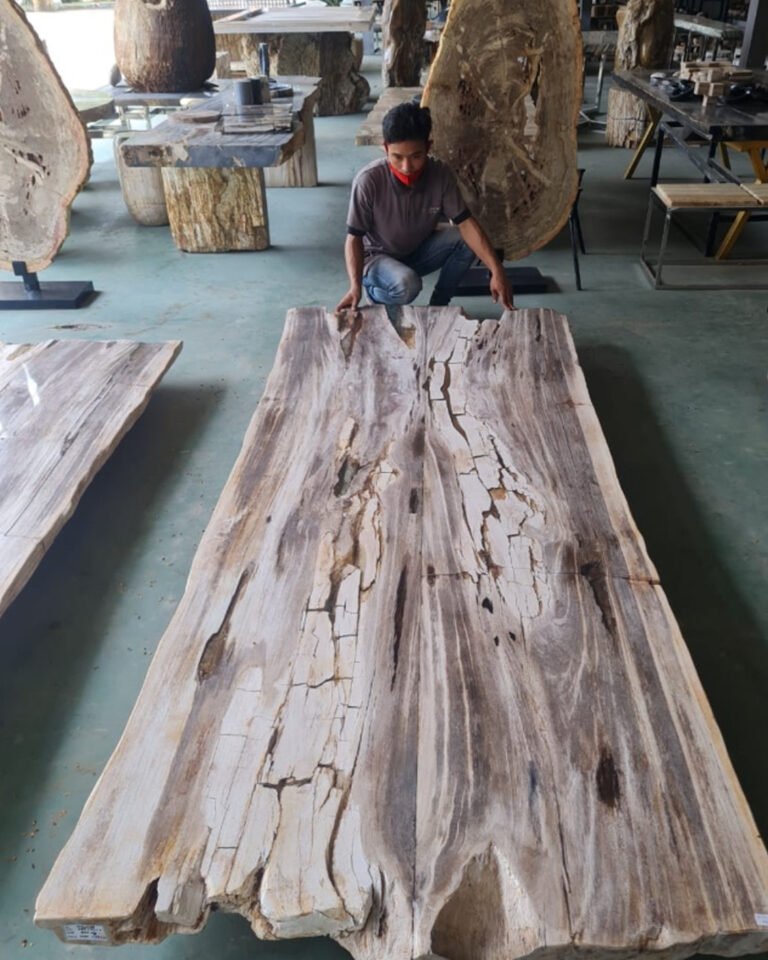
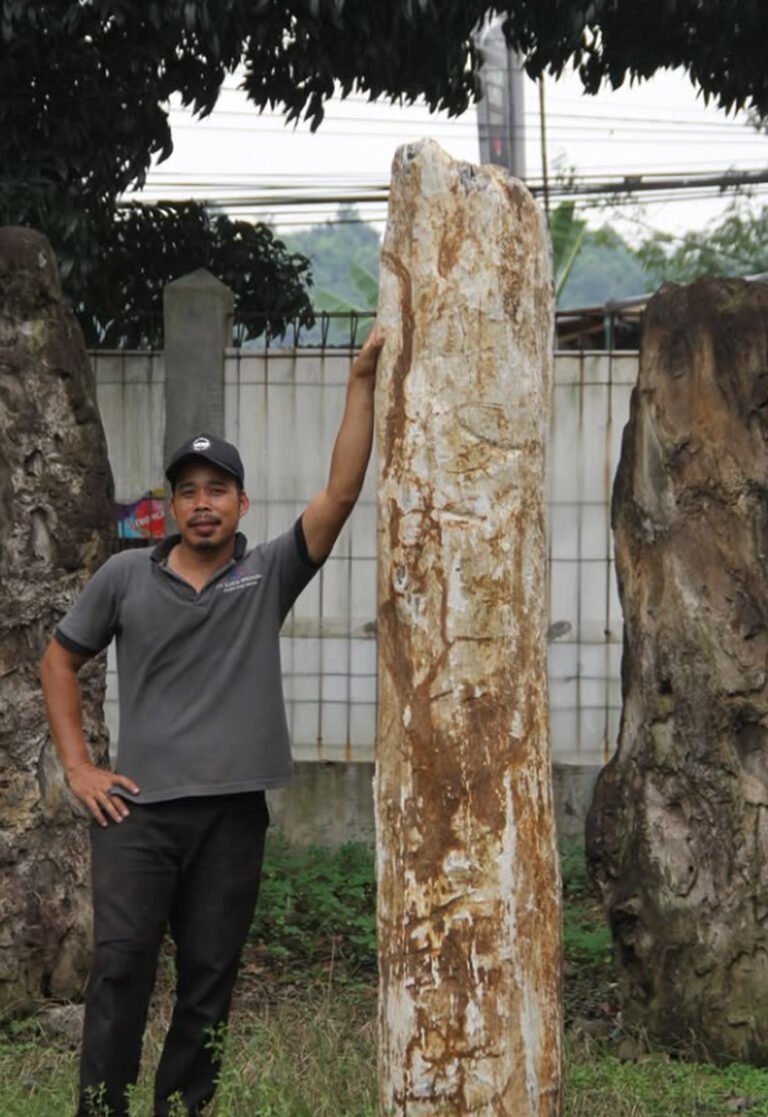
- Surface Integrity: Authentic Indonesian petrified wood should be extremely hard and heavy, reflecting its conversion into stone over millions of years.
Bring the History of Earth into Your Space
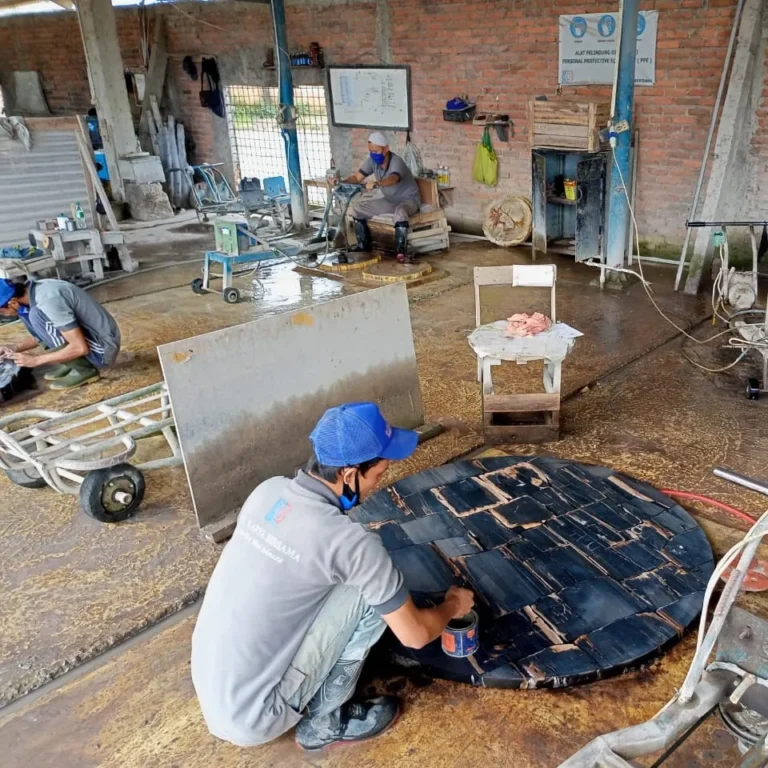
At Java Petrifiedwood, we specialize in sourcing and finishing these natural masterpieces. Our collection reflects the incredible diversity created by Indonesia’s volcanic landscapes. By integrating these pieces into your home or commercial design, you are not just choosing decor; you are choosing a piece of history that has survived the most powerful forces of nature.
Whether you are an architect, interior designer, or a private collector, we invite you to browse our inventory and discover the perfect piece to elevate your space. Contact us today to learn more about our sourcing process and available selections.
FAQ
- Does volcanic ash damage the wood during the process?
On the contrary, volcanic ash is essential. It provides the high silica content and creates an airtight seal that prevents the wood from decomposing due to bacteria or oxygen exposure.
- Why is Indonesian petrified wood often so colorful?
The variety of colors is due to trace elements in the volcanic groundwater. For example, iron oxides create reds and yellows, while manganese can produce blacks and purples.
- How long does it take for wood to petrify?
The process is incredibly slow, typically taking millions of years of steady groundwater flow and mineral replacement to achieve the high density and stone-like quality seen in Indonesian specimens.
- Is all petrified wood in Indonesia from the same time period?
No, volcanic activity in Indonesia has occurred over various epochs, meaning that petrified wood samples can vary in age, though many notable deposits date back to the Miocene period.
2 Comments