

The Geological History of Indonesian Petrified Wood
The Origins of Time: Understanding the Geological History of Indonesian Petrified Wood
Indonesian petrified wood is more than just a decorative piece; it is a profound geological record of the archipelago’s ancient past. Often sought by collectors and interior designers, these fossilized remnants offer a window into landscapes that existed millions of years ago. Understanding the geological history of Indonesian petrified wood requires looking at the intense interplay between prehistoric flora and the region’s hyper-active volcanic history.
The Primordial Landscapes of Indonesia
The story begins long before the modern Indonesian islands took their current shape. Millions of years ago, vast tropical forests thrived across areas that are now part of the Indonesian archipelago. These were lush, dense ecosystems characterized by towering trees. Because Indonesia sits at the intersection of major tectonic plates—often referred to as the Pacific Ring of Fire—the region has been characterized by consistent volcanic activity for geological eras.
For those interested in how these environments have shaped the material we see today, learning about Indonesian petrified wood and its connection to volcanoes is essential. The volcanic nature of the islands is the primary catalyst for the preservation of this wood, acting as a tomb that shielded organic matter from rapid decay.
The Fossilization Process: Turning Wood into Stone
The transformation of organic wood into stone is a complex phenomenon known as permineralization. When these ancient forests were buried by volcanic ash and debris, they were effectively removed from the oxygen-rich environment that usually causes wood to decompose. This burial created a unique chemical environment:
- Sediment Burial: Volcanic ash, rich in silica and minerals, covered the trees, creating an airtight layer.
- Mineral Infiltration: Over thousands of years, groundwater laden with dissolved minerals such as silica, iron, and manganese seeped into the wood’s cellular structure.
- Replacement: As the organic components of the wood decayed, the minerals replaced them cell by cell, perfectly preserving the original woody texture, rings, and bark patterns.
This process, often occurring over millions of years, is detailed extensively in our guide on how petrified wood forms: the science behind fossilized wood. The specific mineral content of the volcanic ash in Indonesia is what gives the petrified wood its vibrant, diverse color palette, ranging from deep blacks and browns to subtle creams and reds.
Geological Timeline and Preservation
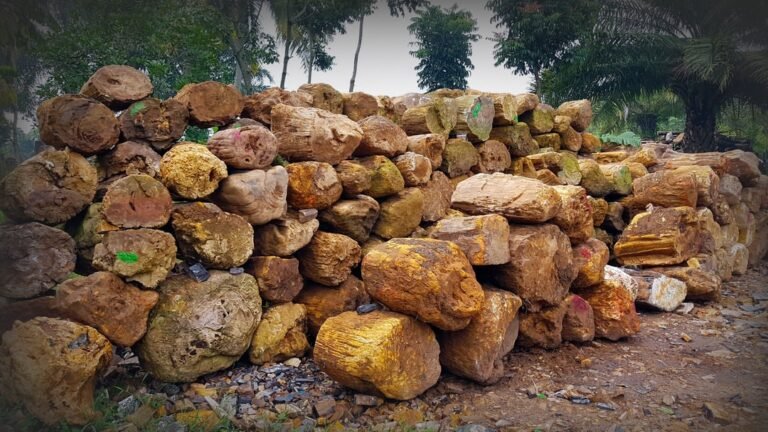
The age of Indonesian petrified wood varies by site, often dating back to the Miocene or Pliocene epochs. During these periods, shifting climates and tectonic uplift meant that forests were frequently submerged or buried. Unlike other parts of the world where petrified wood might be found in arid deserts, the Indonesian specimens were formed in a wet, tropical environment. This moisture-rich history is a defining factor in the quality and size of the logs discovered today.
The geological stability (or lack thereof) in different regions of Indonesia has determined where we find high-quality fossilized logs. Because of this, the distribution is not uniform across the archipelago. We have curated a detailed overview of the major Indonesian regions known for petrified wood, which explains how local geography dictates the variety of specimens extracted.
Why This History Matters for Collectors
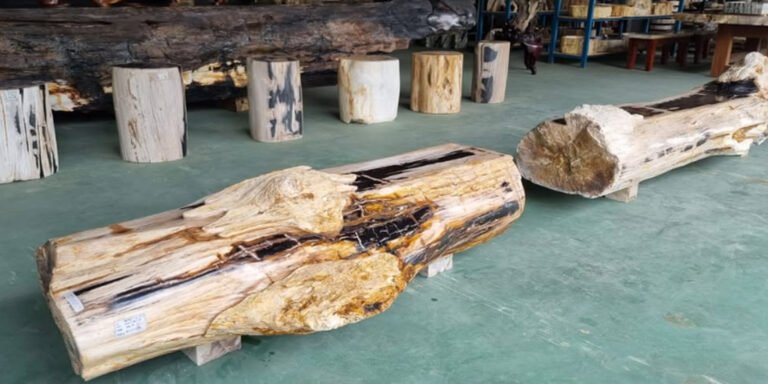
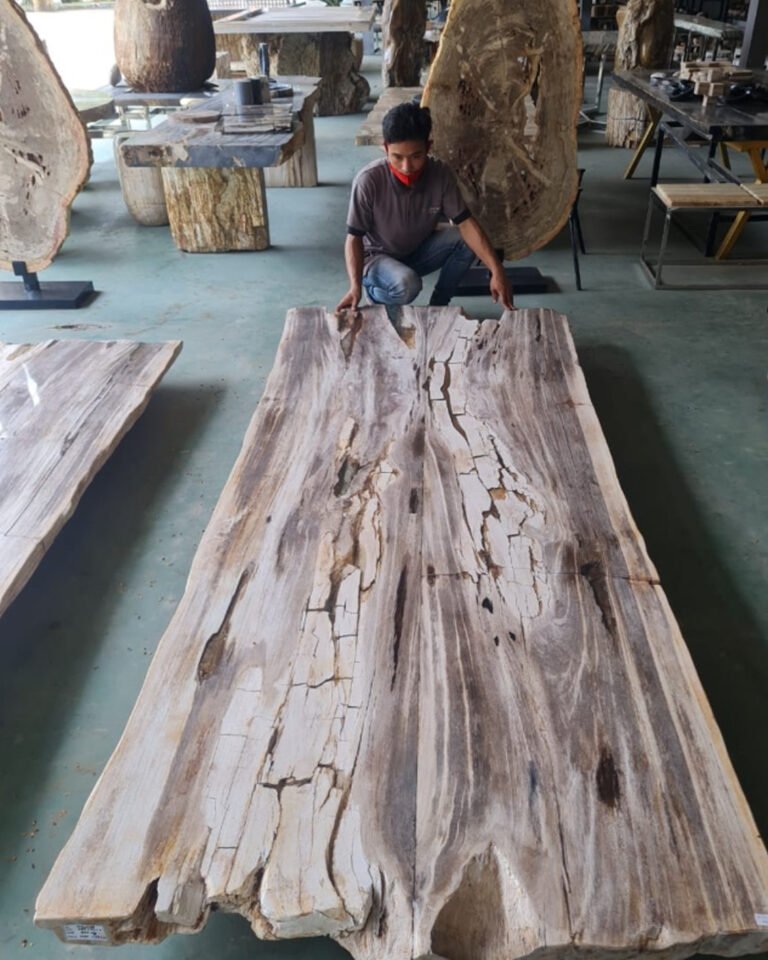
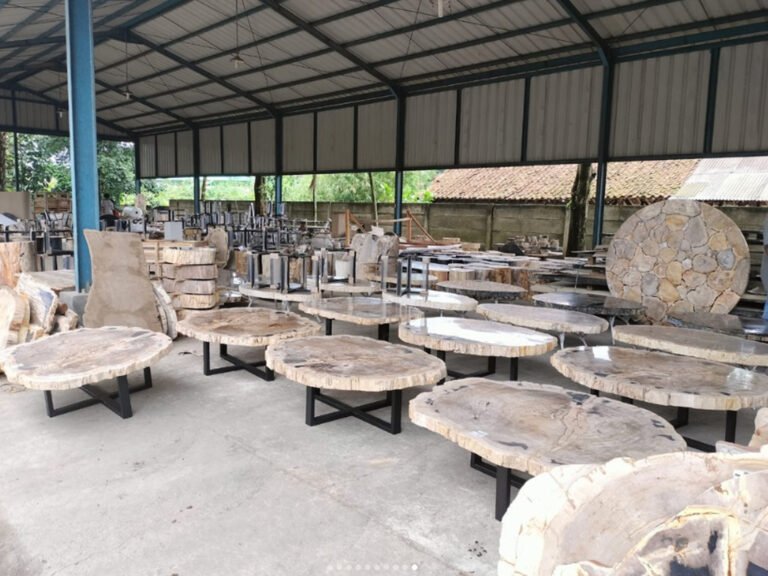
When you acquire a piece of Indonesian petrified wood, you are not just buying a piece of decor; you are acquiring a prehistoric artifact. The geological integrity of the wood determines its durability and aesthetic appeal. Because these pieces have survived millions of years of burial and mineral replacement, they are incredibly dense, heavy, and resistant to environmental stressors, making them perfect for both indoor and outdoor luxury design.
FAQ
How long does it take for wood to turn into stone?
The process of permineralization typically requires millions of years, depending on the specific environmental conditions and the rate of mineral-rich groundwater infiltration.
Why is Indonesian petrified wood so colorful?
The colors are primarily derived from various minerals present in the volcanic ash and surrounding soil, such as iron oxides (reds, yellows), manganese (pinks, oranges), and carbon (blacks, greys).
Is every piece of petrified wood the same age?
No, the age can vary depending on the specific geological strata where the wood was found. Different locations in Indonesia hold fossils from different geological eras.
Can I use petrified wood for outdoor furniture?
Absolutely. Because of its geological history, petrified wood is essentially stone, making it highly durable against the elements, including rain, sun, and humidity.
If you are looking to source high-quality, authentic petrified wood for your next architectural or interior design project, Java Petrifiedwood offers a curated selection of ethically sourced, masterfully finished pieces. Contact our team today to discuss your requirements and bring a piece of ancient geological history into your space.
2 Comments