
The Ancient Forests Behind Indonesian Petrified Wood
Unveiling the Origins of Indonesian Petrified Wood
Indonesian petrified wood is more than just a decorative element; it is a direct window into the deep geological past. The breathtaking patterns, colors, and structural integrity of these specimens are the results of complex processes that occurred within ancient ecosystems that flourished millions of years ago. Understanding the ancient forests behind Indonesian petrified wood allows collectors and designers to appreciate not just the aesthetic beauty of the material, but its historical significance as a relic of a bygone era.
The transformation from living timber to stone is a rare geological miracle. To understand how these fossils came to be, one must look at the specific environmental conditions that allowed organic matter to be preserved with such incredible detail, a process further explored in our guide on the geological formation of petrified wood in Indonesia.
The Prehistoric Landscape of the Indonesian Archipelago
Millions of years ago, the landmasses that constitute modern-day Indonesia looked vastly different. During the epochs in which these forests grew, the region was characterized by lush, tropical environments often situated near volcanic activity. These ancient forests were composed of massive, towering trees that thrived in high-humidity, sediment-rich environments.
The preservation of this wood required a delicate balance of geological events:
- Volcanic Activity: Frequent volcanic eruptions provided the silica-rich ash necessary for the permineralization process.
- Rapid Burial: The trees were often buried rapidly by volcanic mudflows or floodwaters, protecting them from oxygen and rapid decay.
- Mineralization: Over time, groundwater laden with dissolved minerals—such as quartz, iron, and manganese—percolated through the buried wood, gradually replacing the organic cellular structure with stone.
Because each forest grew under slightly different conditions, the mineral content varies, leading to the diverse range of colors and textures found in petrified wood colors and what they mean for modern interior design.
Types of Flora in the Ancient Forests
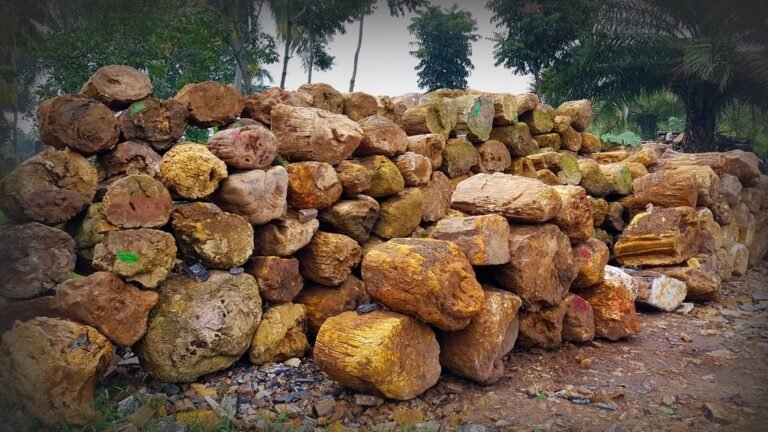
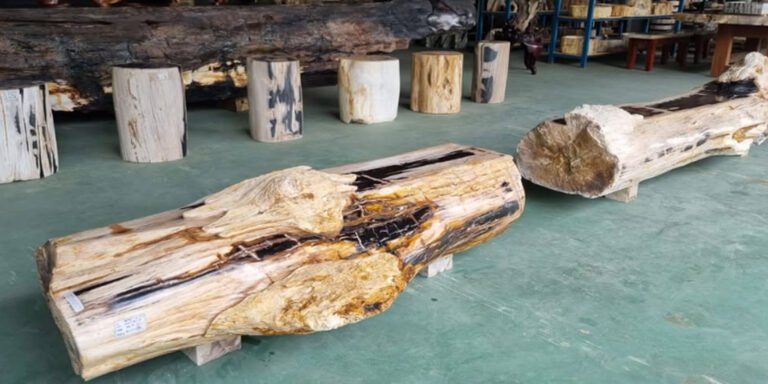
The fossilized remains found in Indonesia provide a treasure trove for paleontologists. These specimens often reveal the internal structure of ancient hardwoods, which can sometimes be identified even after millions of years of mineralization. Unlike coal, which is carbonized, petrified wood retains the original growth rings, knots, and bark textures of the tree.
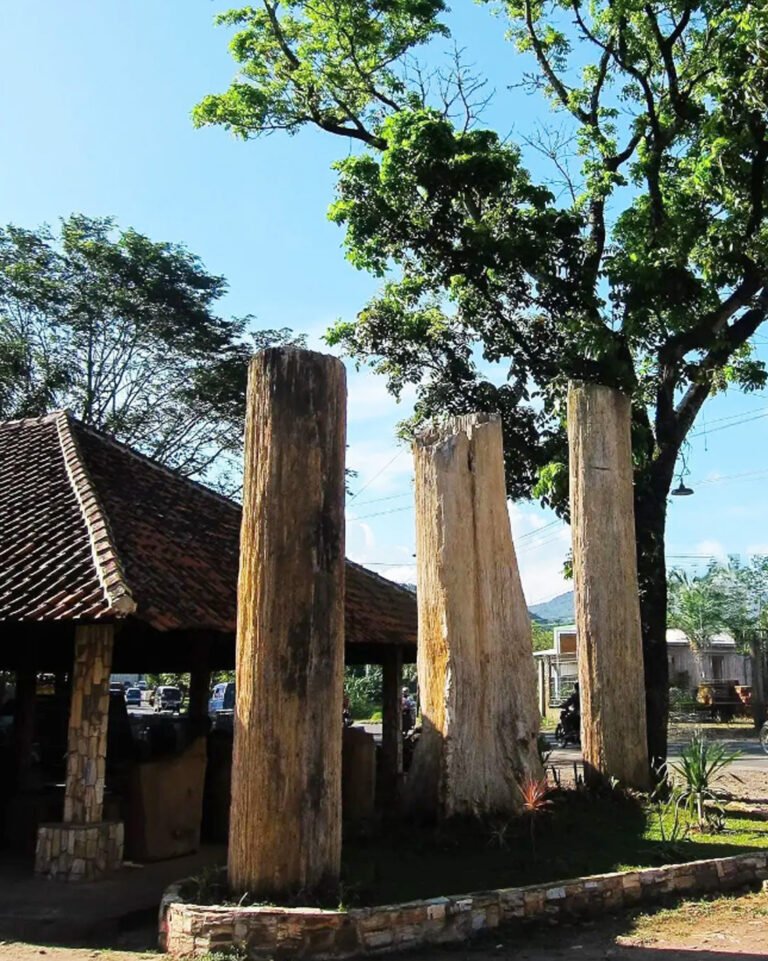
When you acquire a piece of high-quality petrified wood, you are essentially observing a snapshot of a forest that dominated the landscape long before human existence. The sheer size of some of the logs recovered suggests that these ancient trees were giants of their time, comparable to the majestic hardwoods found in today’s tropical rainforests.
Preserving History Through Craftsmanship
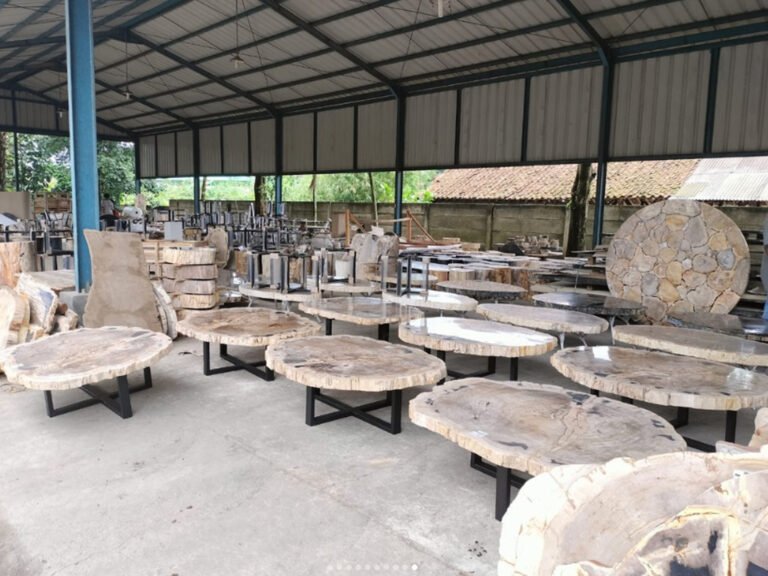
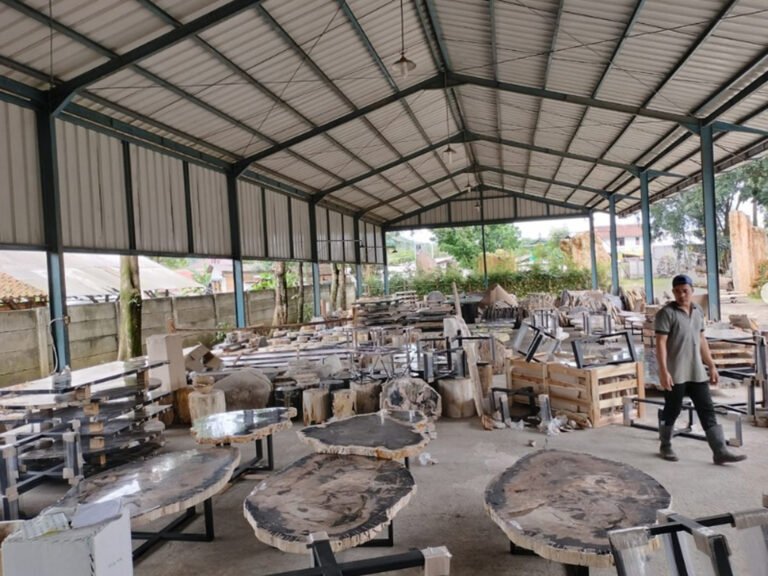
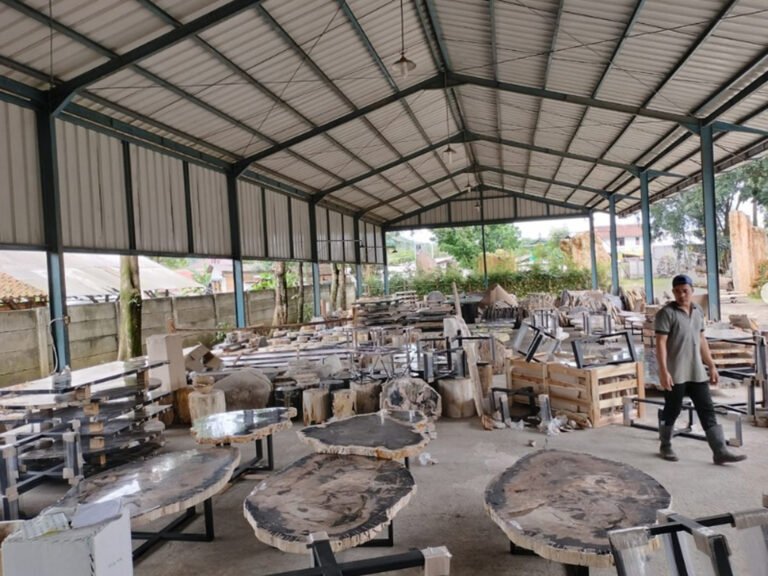
At Java Petrifiedwood, we treat every slab and sculpture with the respect its history deserves. The transition from a buried, raw fossil to a refined piece of furniture is a meticulous process. By understanding the nature of the ancient forest material, our artisans can better highlight the natural grains and mineral inclusions that make every piece a unique narrative of history.
If you are looking to incorporate this deep history into your own space, learn more about how Indonesian artisans carve petrified wood by hand to preserve the integrity of these ancient fossils while creating functional art for contemporary homes.
FAQ: Understanding Ancient Fossilized Wood
| How old is most Indonesian petrified wood? | The majority of these fossils date back millions of years, often spanning from the Miocene epoch. |
| Does the location of the ancient forest affect the wood’s appearance? | Yes. Differences in volcanic mineral content and sediment composition in different regions result in distinct color palettes and crystalline structures. |
| Is all petrified wood found in forests? | Most originated in ancient forest floors, though they were often relocated over millions of years by geological forces like river systems and landslides. |
Are you interested in acquiring a piece of history for your next design project? Explore our collection of premium, authentic Indonesian petrified wood products at Java Petrifiedwood and let us help you find the perfect piece that bridges the gap between prehistoric nature and modern luxury.