

Petrified Wood Colors and What They Mean
The Science Behind Petrified Wood Colors
Petrified wood is more than just a fossil; it is a stunning piece of natural art. For collectors and interior designers, one of the most captivating aspects of this material is its vast spectrum of colors. Unlike traditional timber, which relies on the pigments of the living tree, the colors found in petrified wood are a direct result of the chemical environment during the permineralization process. As organic matter is replaced by silica over millions of years, specific minerals trapped in groundwater seep into the wood cells, creating a permanent, stone-like display of color.
Understanding these variations is key for anyone looking to invest in the geological story of Indonesian petrified wood. Each piece tells the tale of the ancient minerals that were present during the fossilization of the original tree, making every specimen a unique geological fingerprint.
Mineral Origins: Why Does It Look That Way?
The color palette of petrified wood is determined by the presence of trace elements and minerals during the fossilization process. When you examine a specimen, you are looking at a snapshot of ancient geochemistry.
- Iron Oxides: These are responsible for the most common and sought-after colors, including reds, yellows, and browns. Higher concentrations of iron typically result in intense, warm tones.
- Manganese: Often responsible for shades of pink, orange, or deep black, manganese oxides create striking contrasts within the wood grain.
- Copper and Chromium: These minerals are often associated with rare, cooler tones like greens or blues, though these colors are significantly less common than earth tones.
- Silica (Quartz): Pure silica is clear or white. However, it often acts as the host for other minerals, resulting in translucent, glass-like sections that allow light to penetrate the surface.
Common Colors and Their Interpretations
While the aesthetic appeal is subjective, many collectors associate specific hues with the character of the wood. For those choosing high-quality petrified wood from Indonesia, color consistency and vibrancy are major indicators of value.
| Color | Primary Mineral Cause | Aesthetic Appeal |
|---|---|---|
| Red & Orange | Iron Compounds | Energetic, warm, and highly sought after for focal pieces. |
| Black & Dark Gray | Carbon or Manganese | Sophisticated, bold, and excellent for modern minimalist designs. |
| White & Clear | Pure Silica / Quartz | Clean, crystalline, and offers a premium, gemstone-like finish. |
| Yellow & Tan | Iron Oxides | Natural, earthy, and blends well with organic interior styles. |
The Impact of Polishing on Color Perception
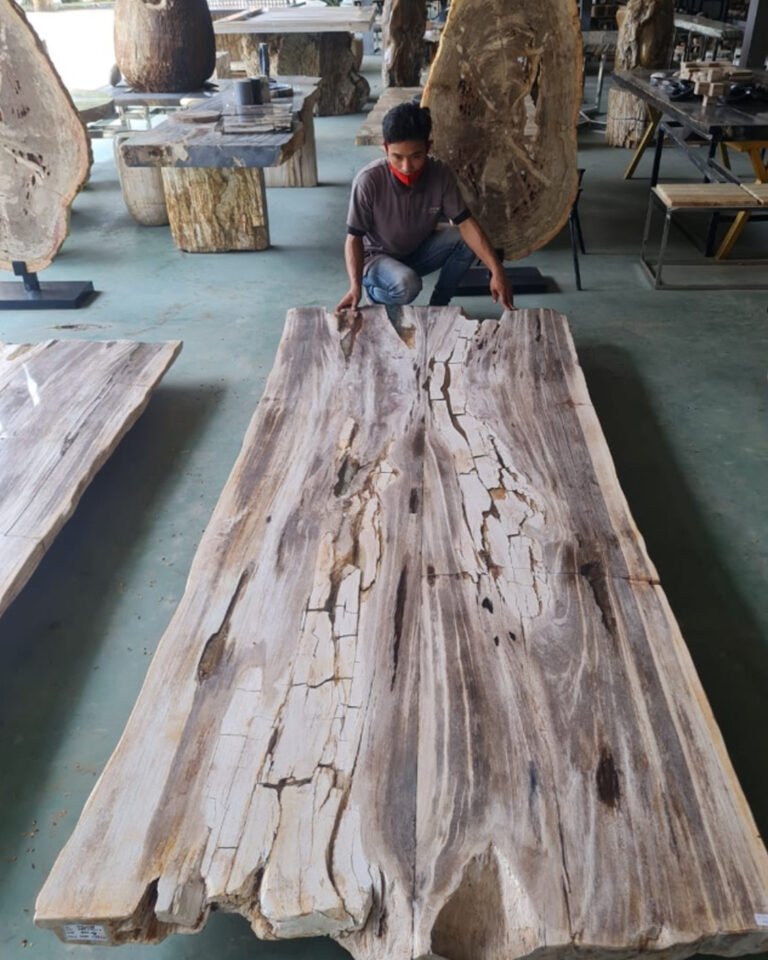
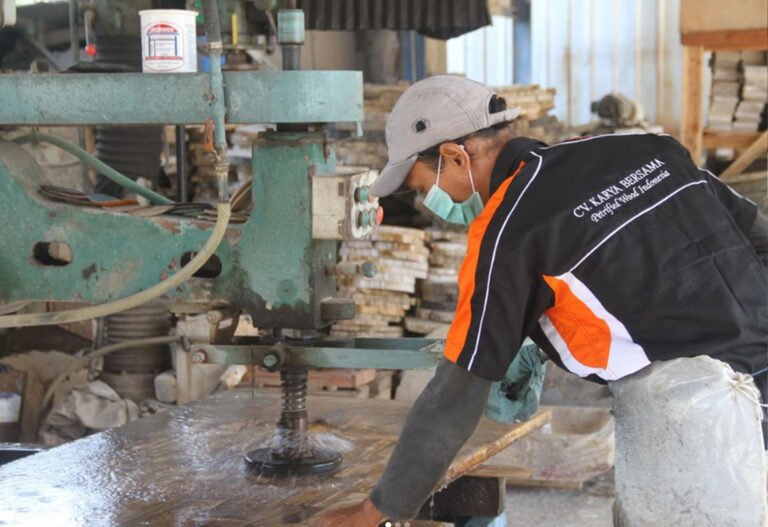
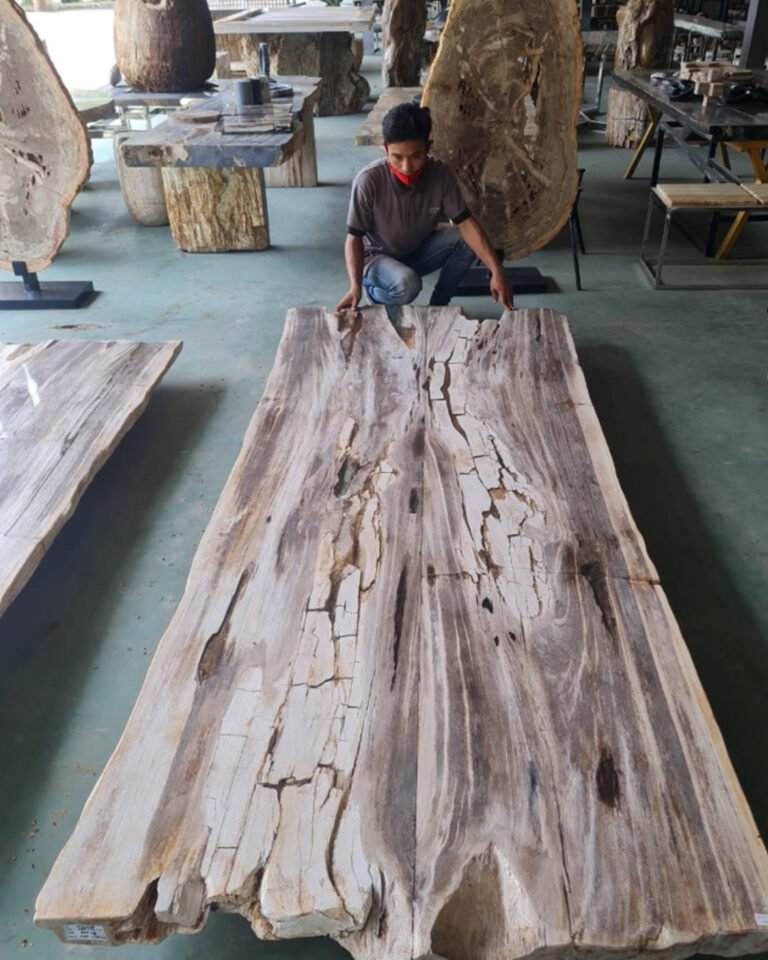
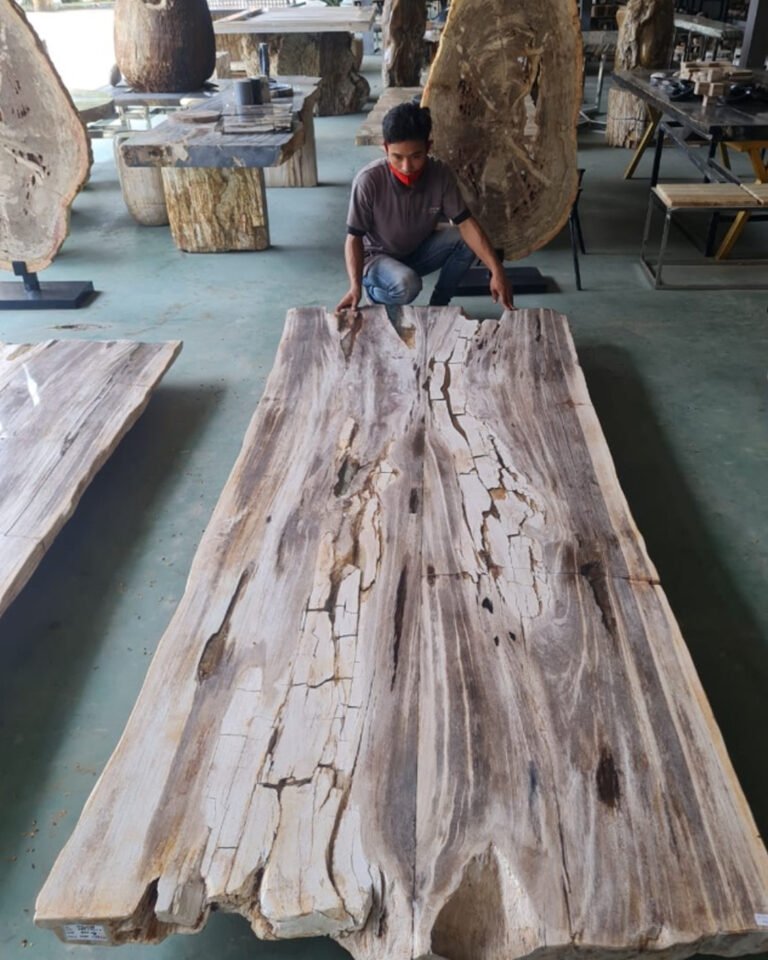
The way a piece is finished significantly changes how we perceive its color. Raw petrified wood often appears dull or matte, which can hide the depth of the mineral inclusions. How petrified wood is cut, polished, and finished is a critical step in bringing these hidden colors to the surface. Professional high-gloss polishing removes the surface oxidation and allows light to interact with the internal crystal structure, making the reds deeper and the whites more brilliant.
When selecting a centerpiece, always view the material under natural light. This provides the most accurate representation of the specimen’s true coloration, ensuring that the piece complements your space exactly as intended.
Frequently Asked Questions
Are bright colors in petrified wood always natural?
Yes, the colors are inherent to the mineral composition of the specimen. However, ensure you are buying from a reputable source, as some inferior products may be artificially enhanced or stained. Always look for natural depth and complexity in the color patterns.
Does the color of petrified wood affect its durability?
No, the color does not change the physical properties of the petrified wood. Whether it is deep black or bright red, the material remains essentially a fossilized rock composed of silica, maintaining its incredible hardness and durability.
Can I find blue or green petrified wood in Indonesia?
While rare, you can sometimes find specimens with hints of green or blue. These are highly prized for their rarity, but the vast majority of Indonesian petrified wood follows the spectrum of browns, reds, blacks, and whites due to the unique volcanic geology of the region.
How should I display my piece to best show off its color?
To highlight the vibrant colors, use warm, directed LED lighting. Avoid direct, harsh sunlight for extended periods, as it may cause uneven dust accumulation, though it won’t typically fade the actual mineral colors themselves.
Bring the Beauty of Ancient Earth to Your Space
The diverse colors of Indonesian petrified wood offer endless possibilities for interior design, from rustic accents to high-end luxury centerpieces. At Java Petrifiedwood, we specialize in sourcing and finishing the finest specimens that showcase the most stunning natural color variations. Whether you are an interior designer or a private collector, explore our collection to find a piece that resonates with your aesthetic. Contact our team today to learn more about our current inventory and custom sourcing options.
3 Comments