

The Art of Crafting Petrified Wood Tables in Indonesia
The Unique Beauty of Petrified Wood Tables
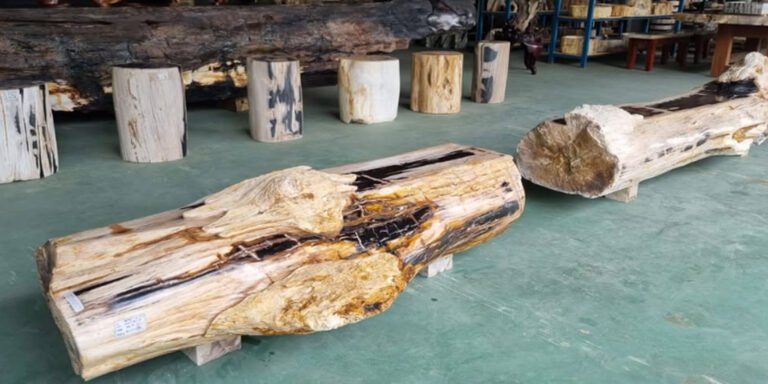
Petrified wood is a natural wonder, a form of fossilized wood transformed over millions of years into stone. The vibrant colors, intricate grain patterns, and ancient origins make petrified wood a prized material, especially in the world of luxury furniture. In Indonesia, artisans have perfected the craft of turning these ancient treasures into stunning tables that blend natural history with exceptional craftsmanship.
A Brief Overview of Indonesian Petrified Wood
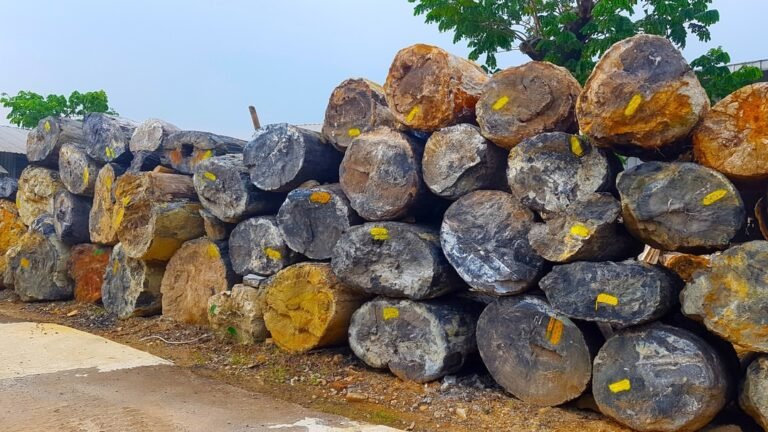
Indonesia is recognized as one of the richest sources of petrified wood in the world. The country’s volcanic history and lush prehistoric forests provided ideal conditions for the petrification process. Large deposits are frequently found on the islands of Java and Sumatra, where fossilized logs lay buried for millions of years before being unearthed by miners and artisans.
How Petrified Wood Forms
Petrification occurs when trees are buried by volcanic ash or sediment, protecting them from decay. Over millennia, groundwater saturated with minerals like silica, quartz, and agate permeates the wood, replacing organic matter cell by cell until only stone remains—but with the wood’s structure perfectly preserved. This creates a one-of-a-kind aesthetic for every slab used in a petrified wood table.
The Artistic Process: From Forest to Table
1. Responsible Sourcing
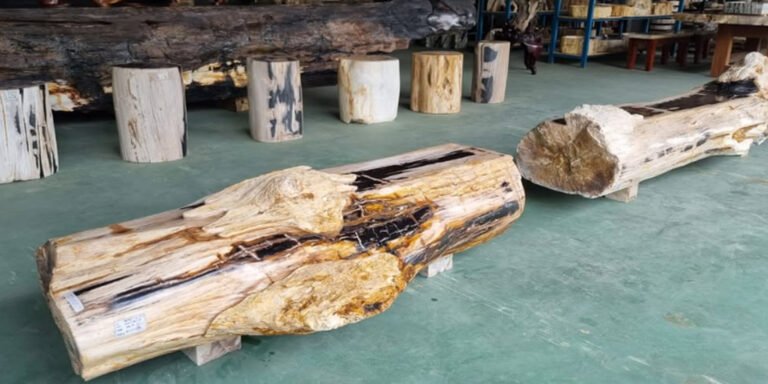
Crafting Indonesian petrified wood tables begins with ethically sourcing raw petrified wood. Miners excavate ancient logs from riverbeds and dormant volcanic areas, adhering to strict environmental regulations to preserve nature and maintain the integrity of local ecosystems.
2. Selection and Inspection
Once excavated, each piece of petrified wood is carefully inspected. Artisans seek logs and slabs with interesting colors, grain patterns, and structural integrity. This initial selection process ensures only the highest-quality pieces become the centerpiece of a luxury table.
3. Cutting and Shaping
Petrified wood is exceptionally hard—ranking 7 on the Mohs scale, comparable to quartz—so advanced diamond saws and specialized tools are required. Artisans cut slabs to the desired thickness, preserving as much of the natural edge and features as possible to showcase the wood’s original contours.
4. Polishing and Finishing
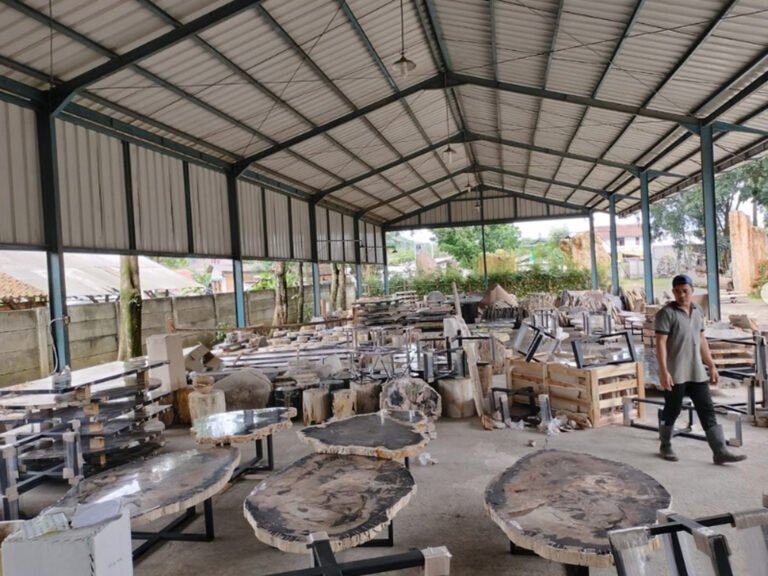
Skilled workers hand-polish each slab to reveal its vibrant colors and mirror-like gloss. Multiple grits of diamond pads gradually smooth the surface before polishing compounds give it a distinctive luster. While some clients prefer a high-gloss finish, others opt for a matte look or maintain areas of natural texture for a raw, organic feel.
5. Design and Assembly
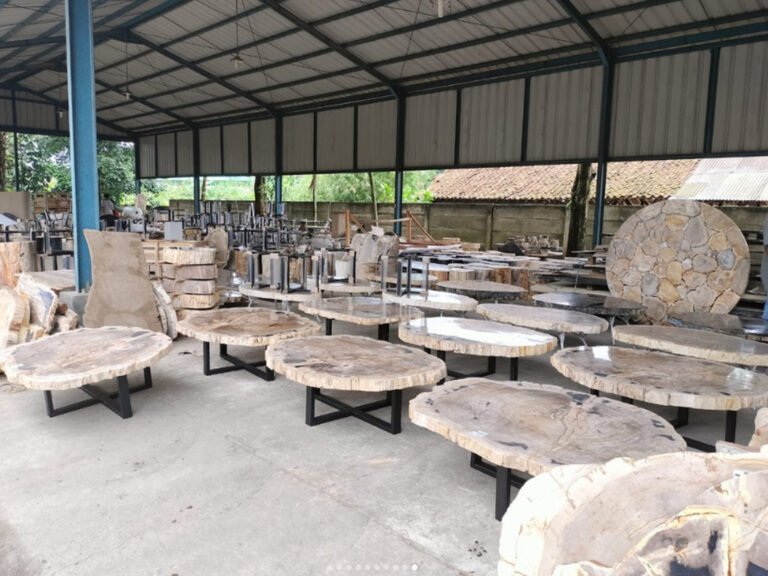
Designing a petrified wood table involves blending rustic beauty with functional design. Bases may be made of iron, stainless steel, teak, or other fine materials that complement the stone. The table top is carefully mounted to ensure stability and elegance. Custom shapes, such as round or live-edge freeforms, allow each table to be truly unique.
6. Quality Control and Export
Before shipping, every table undergoes stringent quality control, checking for cracks, stability, and finishing details. As Indonesia is a leading exporter, tables are expertly crated for international transport, ensuring they reach clients worldwide in pristine condition.
Why Indonesian Petrified Wood Tables Are Highly Prized
Beyond their breathtaking appearance, Indonesian petrified wood tables offer several unique benefits:
- Natural Exclusivity: No two slabs are ever the same, making each table truly one-of-a-kind.
- Timeless Durability: Petrified wood’s density and hardness make it highly resistant to scratches and staining.
- Eco-Conscious Luxury: Using ancient fossilized wood rather than freshly cut timber supports sustainable luxury and environmental preservation.
- Cultural Significance: Indonesian artisans bring generations of expertise, infusing modern designs with traditional touches.
Integrating Petrified Wood Tables Into Modern Decor
Designers and homeowners worldwide value Indonesian petrified wood tables for their striking ability to become a room’s focal point. Their fusion of organic texture and ancient origin makes them ideal for:
- Luxury dining tables
- Statement coffee tables
- Sculptural side tables
- Corporate conference tables
- Outdoor patio features (with proper sealing)
Each table invites conversation, bridging art, earth science, and home décor in one singular piece.
Customization Opportunities
Many Indonesian petrified wood table manufacturers, including renowned exporters, offer custom design services. Clients can choose desired slab sizes, shapes, finishes, and base materials. This level of personalization ensures each commission meets the client’s vision and fits perfectly in its intended space.
Maintaining and Caring for Petrified Wood Tables
Petrified wood is relatively low-maintenance. To preserve its sheen and longevity:
- Clean with a soft, damp cloth and avoid acidic or abrasive cleaners.
- Protect high-gloss finishes from frequent exposure to moisture or heat.
- Refrain from placing heavy or sharp objects on the table to avoid chips.
With mindful care, these tables will last lifetimes and serve as functional heirlooms.
Conclusion
The art of crafting petrified wood tables in Indonesia is a harmonious mix of natural history, artisan skill, and modern design. Each table is not simply furniture, but a celebration of geological time and human ingenuity. This makes Indonesian petrified wood tables a preferred choice for buyers seeking beauty, durability, and an authentic piece of earth’s distant past.
3 Comments