
Sourcing Petrified Wood: What to Look for in Indonesian Suppliers
Introduction
Petrified wood from Indonesia is prized across the globe for its unique beauty, range of colors, and fossilized patterns that tell the story of nature’s artistry through the ages. Sourcing petrified wood, whether for interior design, furniture, collectibles, or construction, requires a careful selection of reliable suppliers. For international buyers, identifying the right Indonesian petrified wood suppliers can ensure consistent quality, ethical procurement, and smooth export processes. In this guide, we will explore the most important aspects to look for when sourcing petrified wood from Indonesia and why these elements matter for your business.
Why Indonesian Petrified Wood?
Indonesia boasts some of the richest deposits of petrified wood in the world, most notably in regions such as Java, Sumatra, and Kalimantan. The rainforest environment, mineral-rich volcanic soil, and geological history contribute to the varied colors and exceptional hardness of Indonesian petrified wood. These materials are highly sought after for their quality and are widely used in luxury furniture, decorative pieces, high-end flooring, countertops, and even art.
Factors to Consider When Sourcing Petrified Wood
1. Quality and Authenticity
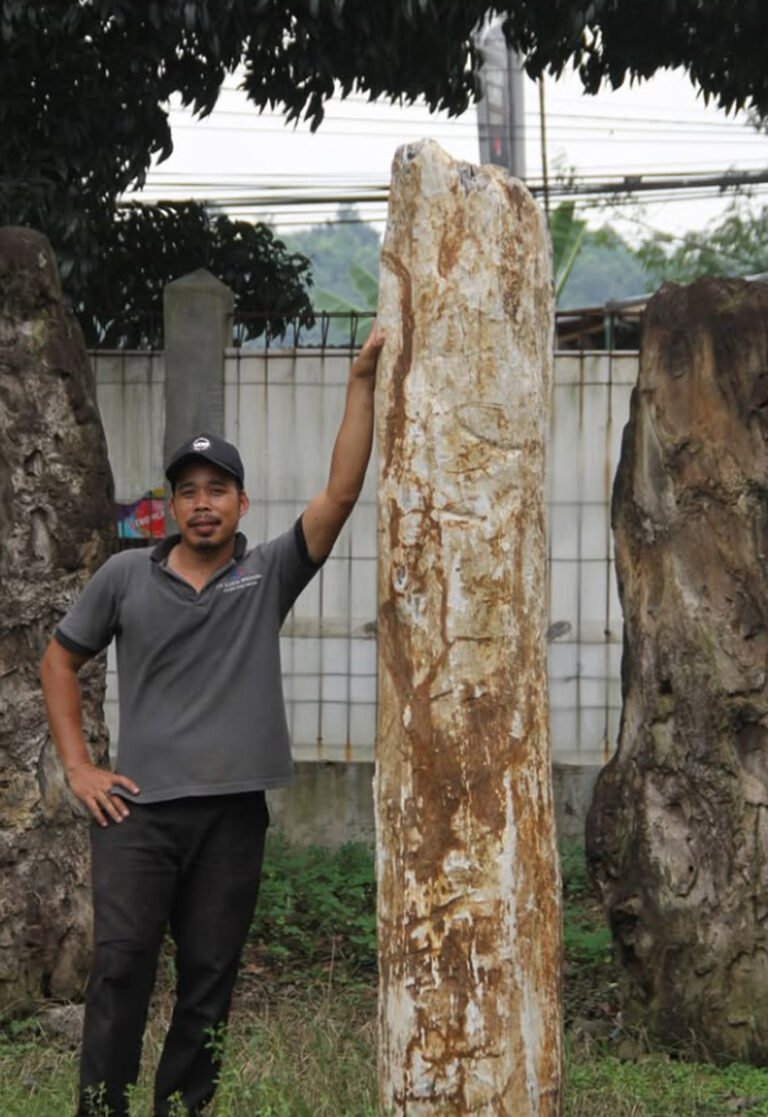
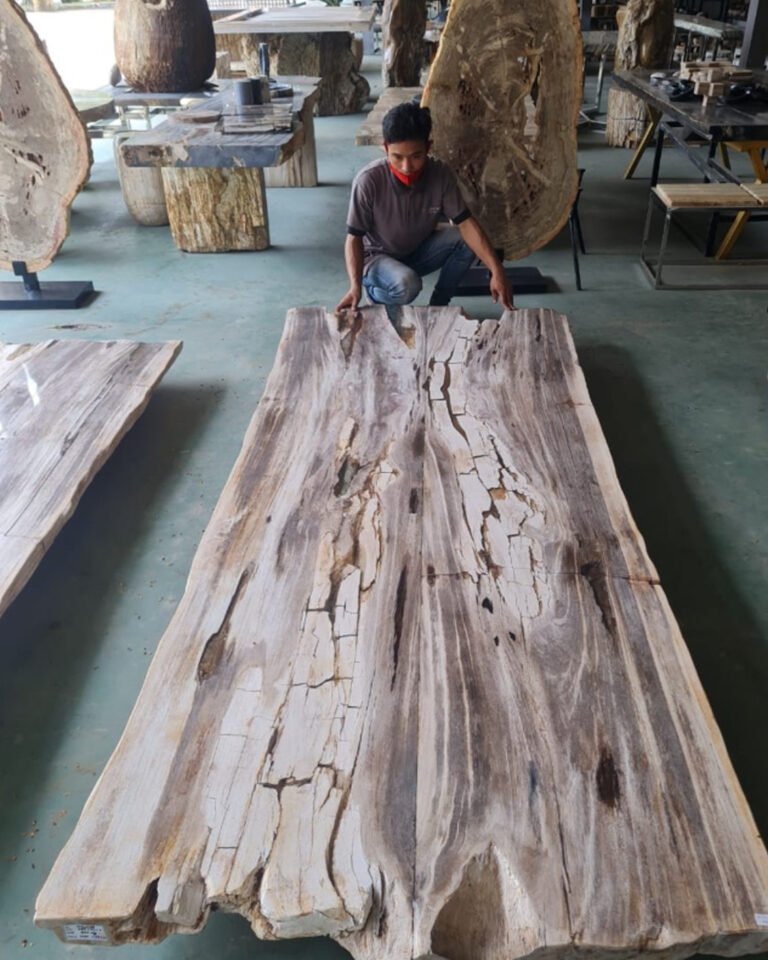
The first and foremost aspect to assess is the quality and authenticity of the petrified wood. Genuine petrified wood should show a clear fossilized wood structure, with visible tree rings and grain preserved in stone. International buyers should ask for detailed photographs, close-up images of the texture, and if possible, request samples to inspect firsthand. Key indicators of quality include:
- Color and pattern: Vivid natural colors (browns, reds, yellows, blues) and well-preserved grain patterns.
- Density and hardness: Authentic petrified wood is heavy and extremely hard, making it suitable for durable applications.
- Finish: Suppliers should offer smooth finishes without cracks, chips, or artificial fillers.
2. Ethical Sourcing and Legality
Responsible sourcing is increasingly important for international buyers. Indonesia regulates the mining and export of petrified wood to prevent illegal extraction and protect its natural heritage. When considering suppliers, verify:
- That they hold all necessary government permits and follow Indonesia’s regulations for petrified wood export.
- They support sustainable and ethical sourcing practices, such as rehabilitation of mining sites and fair labor conditions.
- They provide transparent documentation that traces the origin of the material.
3. Supplier Reputation and Experience
It is critical to work with reputable suppliers who have a proven track record of serving international clients and delivering high-quality petrified wood consistently. Consider these steps:
- Look for supplier profiles on business directories, trade platforms, and industry associations.
- Check reviews and testimonials from past buyers, particularly those in your country or industry.
- Ask for references and contact details of prior customers who can share their experiences.
4. Product Range and Customization
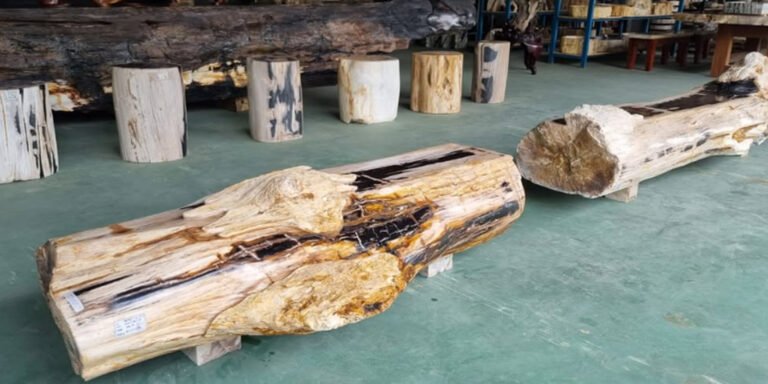
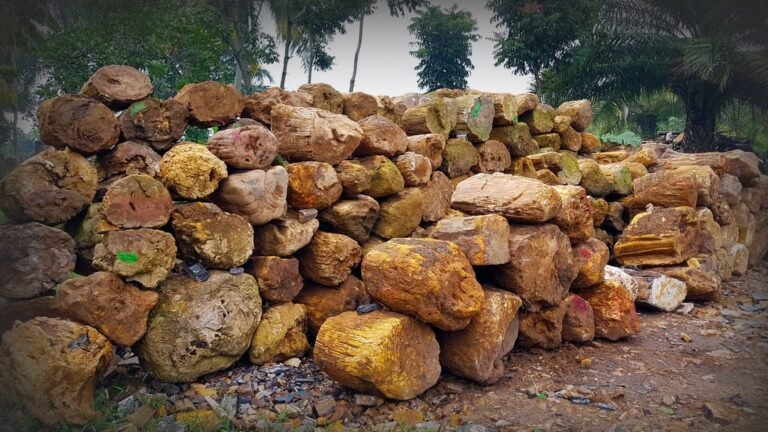
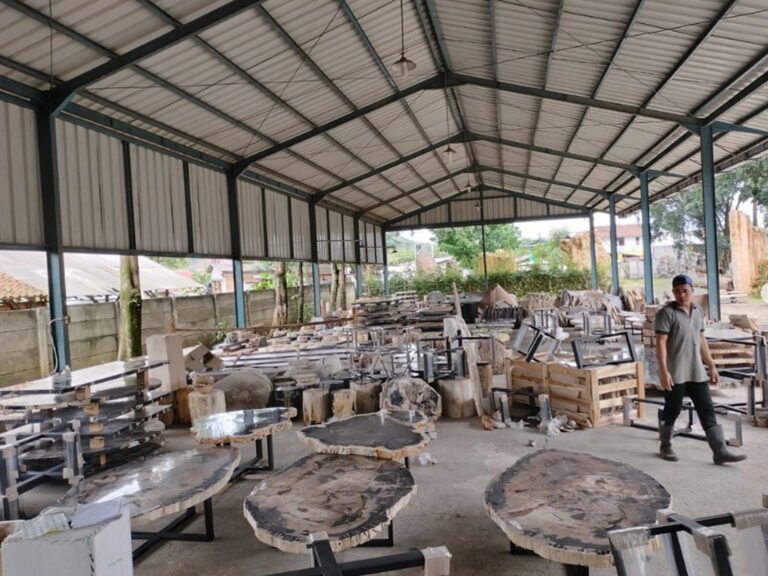
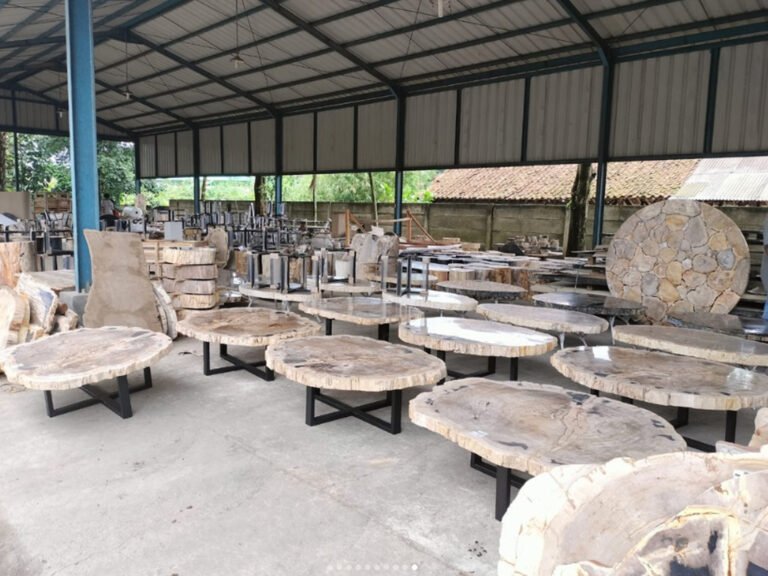
Diverse product offerings allow buyers to source everything from raw petrified wood boulders to finished slabs, tiles, sinks, tables, sculptures, and custom furniture. Leading Indonesian suppliers will often offer:
- Various sizes, shapes, and polishing options.
- Custom fabrication to fit buyer specifications.
- Value-added services such as design consultation or product prototyping.
5. Certifications and Testing
Request documentation such as mineral composition tests, authenticity certificates, and health/safety reports, especially for applications in hospitality or residential projects. International exporters may also comply with ISO standards and provide inspection reports that ensure the petrified wood meets international expectations.
6. Packing, Shipping, and Logistics
Petrified wood is dense and often shipped in bulk or as large pieces; proper packing and logistics are essential to prevent damage. Leading Indonesian suppliers should:
- Offer secure wooden crating, padding, and weatherproofing for sea or air transport.
- Organize and manage customs documentation and export permits.
- Provide timelines for production, packing, and estimated delivery.
How to Vet and Select Indonesian Petrified Wood Suppliers
1. Communication and Responsiveness
The initial contact with a supplier can reveal much about their professionalism. Reliable suppliers reply promptly, provide detailed information, and are open to video calls, virtual tours, or sharing real-time updates about your order.
2. Site Visits and Factory Audits
For larger orders or long-term relationships, arrange for site visits or third-party factory audits. This allows you to verify working conditions, inspect inventory firsthand, and ensure compliance with legal and ethical standards. Many Indonesian suppliers welcome international visitors and can arrange viewing appointments or digital walk-throughs.
3. Secure Payments and Contracts
Negotiate clear contracts that outline payment terms, order specification, delivery times, shipping responsibilities, and dispute resolution. Use internationally recognized payment methods and consider escrow services or letters of credit for larger transactions. Ensure the supplier can issue proforma invoices and provide regular shipping updates.
Benefits of Working with Top Indonesian Petrified Wood Suppliers
- Access to Premium Quality: Indonesia supplies some of the world’s finest petrified wood, renowned for its durability and beauty.
- Custom Solutions: Suppliers can create custom furniture or art pieces to fit unique international buyer needs.
- Scalable Orders: From small decorative items to bulk containers for major projects, flexible volume is available.
- International Standards: Experienced exporters meet international safety, ethical, and quality standards.
Conclusion
Sourcing petrified wood from Indonesia can be a rewarding investment for international buyers. By evaluating suppliers for authenticity, ethics, experience, customization options, and robustness in logistics, you can secure high-value products with lasting appeal. Always prioritize transparent communication, verify legal compliance, and build relationships with suppliers who share your commitment to quality and responsibility. This approach not only protects your business interests but also ensures you contribute positively to Indonesia’s sustainable petrified wood industry.
5 Comments