
How Old Is Indonesian Petrified Wood?
The Geological Mystery of Indonesian Petrified Wood
For collectors, designers, and geology enthusiasts, one of the most common questions regarding these stunning natural artifacts is: How old is Indonesian petrified wood? Determining the exact age of petrified wood is a complex scientific endeavor, but we can gain a clear understanding by examining the geological context of the Indonesian archipelago.
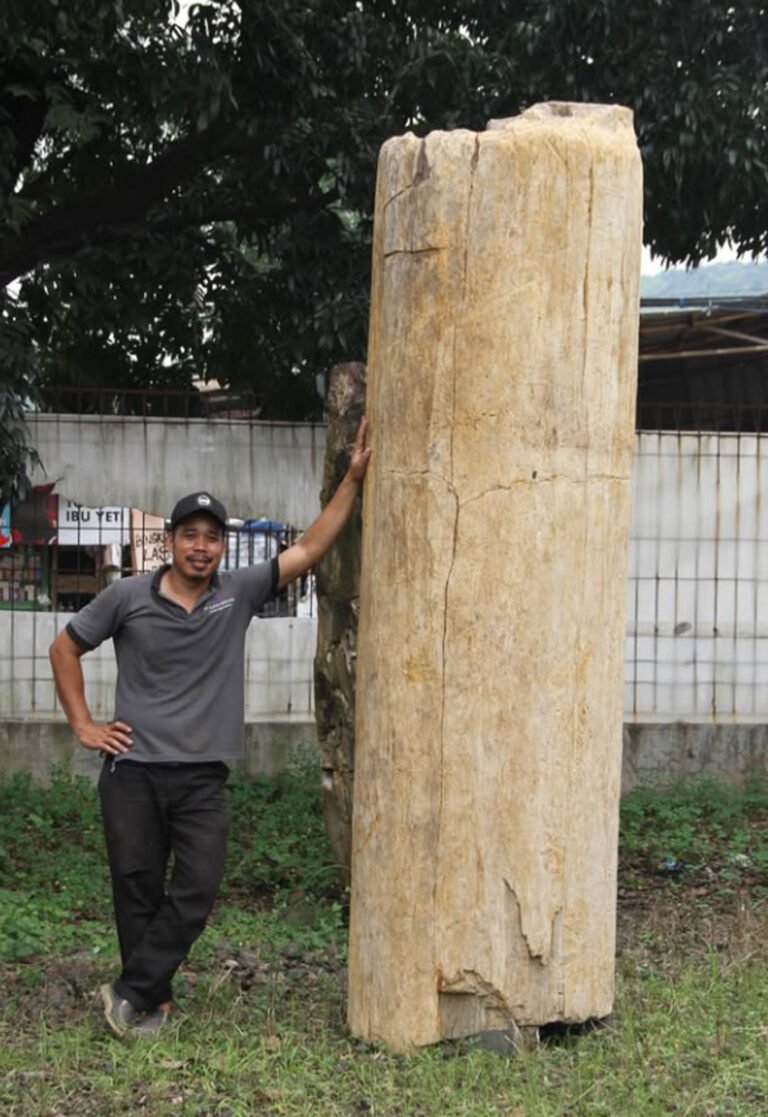
Indonesian petrified wood generally dates back to the Neogene period, specifically between 2 million and 20 million years ago. This extensive timeframe encompasses the Miocene and Pliocene epochs, a period marked by intense volcanic activity that played a critical role in the mineralization process of ancient forests.
The Process: Turning Ancient Forests into Stone
To understand the timeline, it is essential to recognize that petrification is not an overnight transformation. It is a slow, methodical replacement of organic material by silica-rich minerals. You can learn more about this transition in our detailed guide on how millions of years turn wood into stone. When volcanic eruptions covered vast forest landscapes in ash and sediment, the resulting high-pressure, oxygen-deprived environment prevented the wood from decaying in the traditional sense.
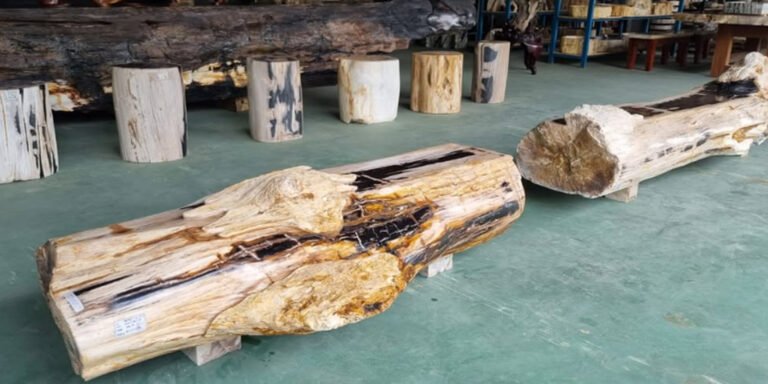
Instead, groundwater saturated with minerals like silica, iron, and manganese seeped into the cellular structure of the buried wood. Over millions of years, these minerals crystallized, perfectly preserving the original woody structure. The vibrant colors often seen in Indonesian specimens—ranging from deep reds and oranges to blacks and greys—are a direct result of these specific minerals deposited during the petrification window.
Geology and Volcanism in Indonesia
Indonesia is home to one of the most active volcanic belts on Earth. This unique geological landscape provides the ideal conditions for the creation of fossilized wood. While we can look at the general era of formation, it is important to understand that not all petrified wood specimens from a single location were buried at the exact same moment. The geological story of Indonesian petrified wood is essentially a layered history of environmental shifts and volcanic cycles.
Timeline Breakdown
| Epoch | Approximate Age | Geological Context |
|---|---|---|
| Miocene | 5 to 23 million years ago | Period of heavy volcanic activity and shifting landmasses. |
| Pliocene | 2.5 to 5 million years ago | Cooling climate and continued mineral-rich sediment deposits. |
Why Age Matters for Collectors
For those interested in interior design and investment, the age of the piece adds a layer of prestige and historical significance. When you source high-quality materials from experts, you are acquiring a piece of history that has survived tens of millions of years. Understanding that these objects have been preserved through such immense timeframes explains their incredible durability. If you are curious about the technical aspects, check out our insights on the strength and durability of petrified wood.
Because the process requires such specific, long-term conditions, each piece of petrified wood is unique. Whether used in luxury furniture or as an art installation, these materials offer a narrative of ancient ecosystems that no longer exist, brought into the modern home.
Conclusion
Indonesian petrified wood serves as a physical record of the Earth’s ancient past, with most specimens dating back millions of years to the Miocene and Pliocene epochs. As a premier supplier of these natural treasures, Java Petrifiedwood is dedicated to providing authentic, ethically sourced pieces that showcase the beauty of this geological marvel. Are you looking to incorporate a piece of deep history into your next project? Contact our team at Java Petrifiedwood today to explore our curated collection.
Frequently Asked Questions (FAQ)
- Is all Indonesian petrified wood the same age?
No. While most of it stems from the Miocene and Pliocene eras, variations in local volcanic activity and geological strata mean that individual pieces can vary in age by millions of years. - How do scientists determine the age of petrified wood?
Scientists typically use radiometric dating on the volcanic ash layers that surround the petrified wood to establish a reliable timeframe for the formation. - Does the age affect the quality of the petrified wood?
Not necessarily. Quality is usually determined by the completeness of the mineralization process and the aesthetic beauty of the colors and patterns, rather than the specific age of the specimen. - Why is Indonesian petrified wood so well-preserved?
The combination of heavy volcanic ash, which creates an airtight seal, and high levels of dissolved silica in the local groundwater creates the perfect environment for near-perfect fossilization.