

How Millions of Years Turn Wood Into Stone
The Geological Mystery of Petrified Wood
Have you ever wondered how a towering forest giant from a prehistoric era transforms into a solid, heavy, and gemstone-like object? The phenomenon of petrification is one of nature’s most patient and intricate processes. Unlike standard fossils, which often leave behind only an imprint, petrified wood preserves the entire structure of the original tree at a cellular level, creating a unique material that is prized by collectors and designers worldwide.
Understanding how petrified wood forms requires looking back millions of years. It is a slow, complex journey that turns organic matter into mineralized stone without destroying the intricate patterns of the original wood grain.
The Step-by-Step Transformation Process
The transformation of wood into stone typically occurs through a process called permineralization. This occurs under very specific conditions that are rarely met in the modern world.
- Rapid Burial: For petrification to begin, the wood must be quickly buried by sediment, such as volcanic ash, mud, or silt. This burial prevents the wood from decaying by protecting it from oxygen and microorganisms that would normally break down organic fibers.
- Mineral-Rich Solutions: Over time, groundwater laden with dissolved minerals—most commonly silica (silicon dioxide)—seeps through the sediment and into the pores of the buried wood.
- Cellular Replacement: As the original organic material (cellulose and lignin) slowly decays, the mineral-rich water fills the empty spaces. The silica molecules precipitate out of the solution, gradually replacing the cell walls with minerals.
- Crystallization: Over millions of years, the minerals harden, effectively casting the tree’s internal anatomy in stone. Because different minerals provide different chemical compositions, the final result often features a stunning array of colors, from deep reds and browns to vibrant yellows and blues.
The Role of Volcanic Activity in Indonesia
Indonesia is home to some of the world’s most significant deposits of this ancient material, largely due to the archipelago’s intense volcanic history. The high concentration of silica-rich volcanic ash deposited during eruptions in the Cenozoic era created the perfect environment for rapid burial and subsequent fossilization. Exploring Indonesian petrified wood and its connection to volcanoes highlights why this region consistently produces such high-quality specimens, often found with remarkably preserved bark and ring details.
Why Every Piece Is Unique
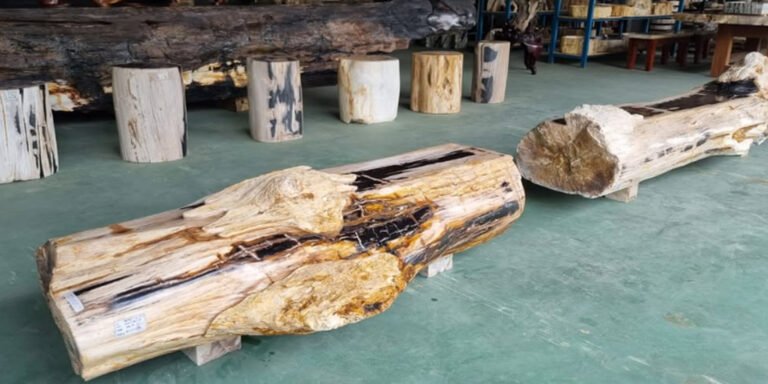
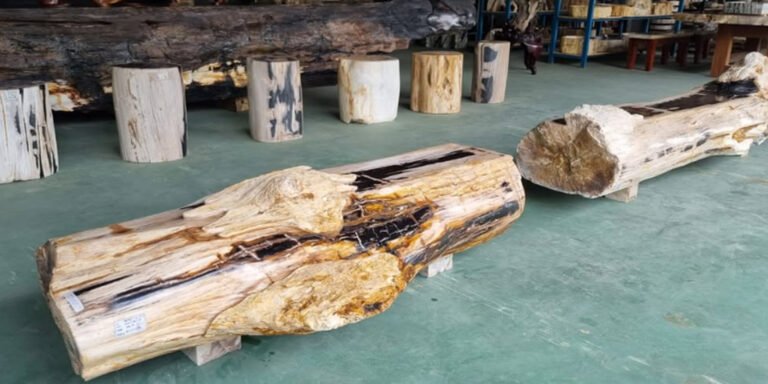
Because the environment and the specific minerals present during the permineralization process vary even within a single deposit, no two pieces of petrified wood are ever the same. Some pieces may undergo a slower process, allowing for more detailed preservation of the growth rings, while others might interact with iron or manganese, resulting in distinct color variations. This diversity is why petrified wood colors and what they mean is such a frequent topic of interest for those seeking to incorporate these natural sculptures into their interior design.
From Geology to Functional Art
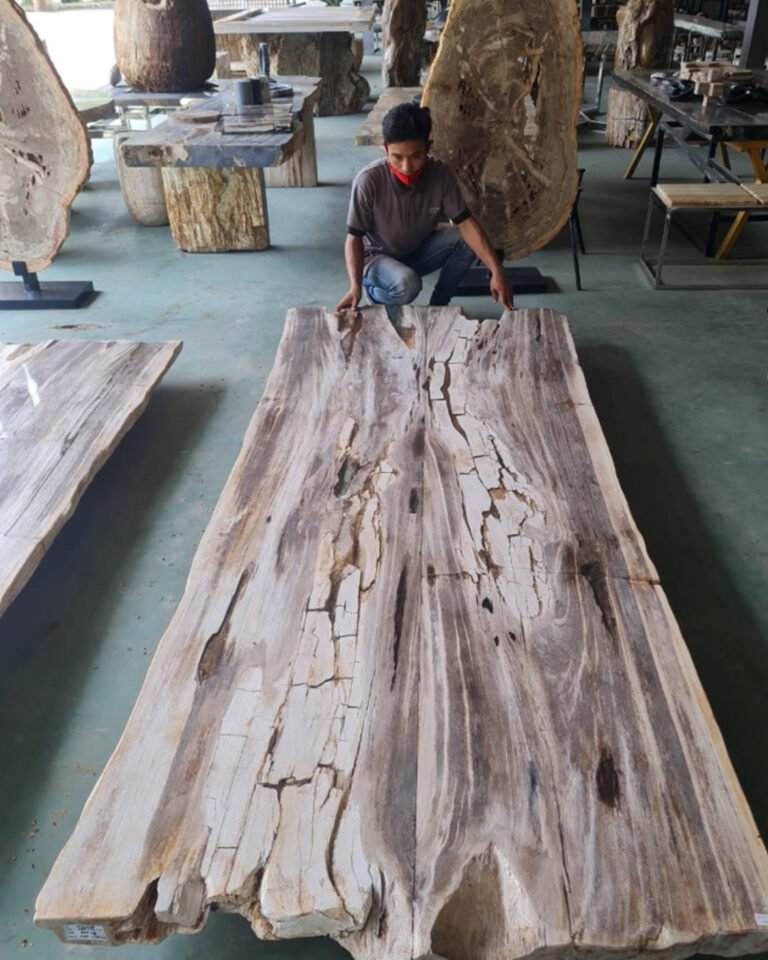
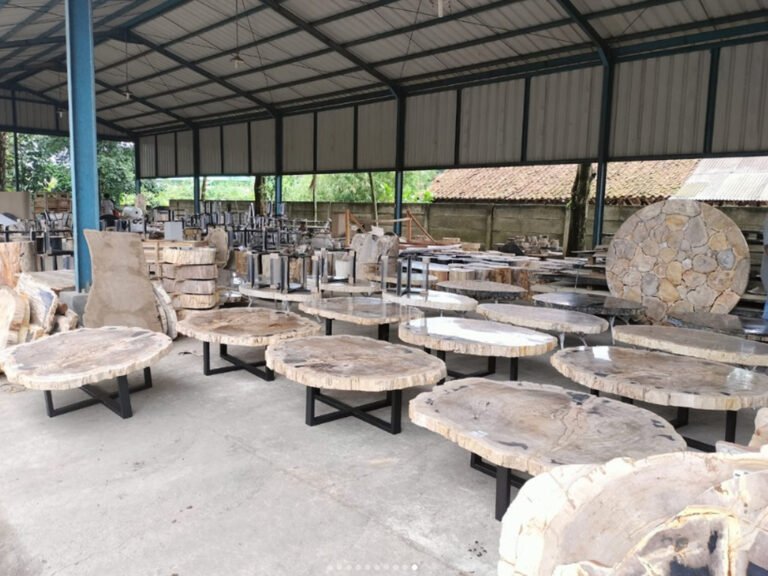
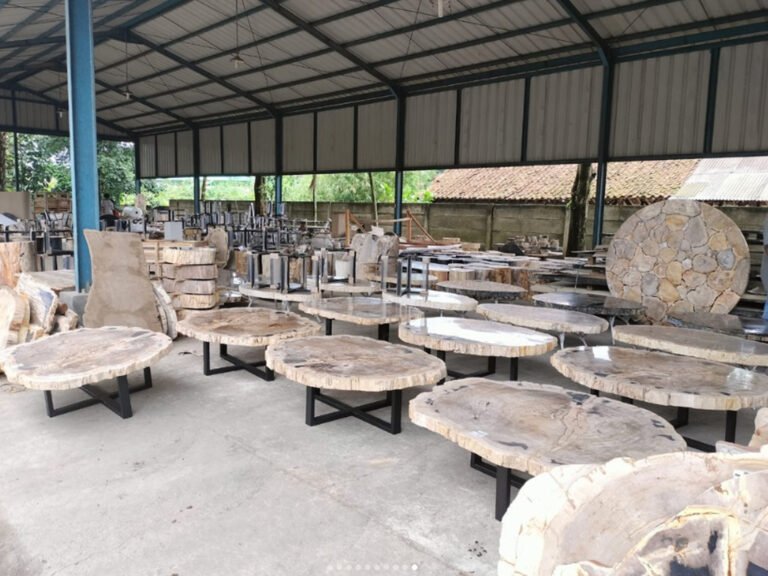
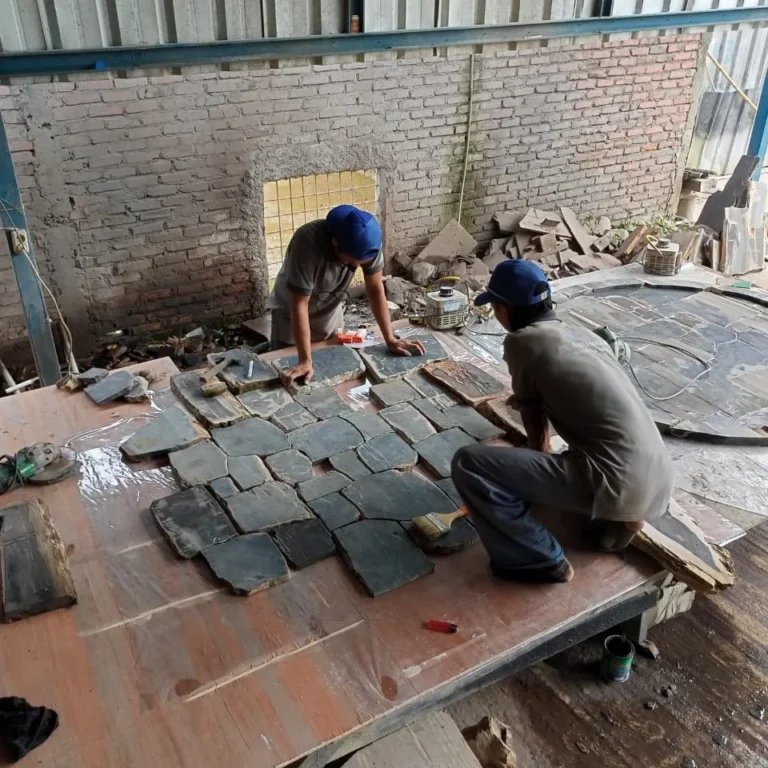
Once extracted, this ancient material undergoes a transformation of its own. Expert artisans take the raw, stone-like logs and utilize specialized cutting and polishing techniques to reveal the hidden beauty within. While the geological process took millions of years, the final human-led processing ensures that the strength and aesthetic value of the wood are preserved for modern use, ranging from luxury furniture to architectural accents.
FAQ
Q: How long does it take for wood to petrify?
A: The process is not instantaneous; it requires millions of years of consistent geological conditions, including stable burial in mineral-rich environments, to fully replace the wood cells with silica.
Q: Does the wood turn into stone entirely?
A: Yes, through permineralization, the organic cellular structure is replaced by minerals, resulting in a fossil that is as hard and durable as stone.
Q: Is all petrified wood the same color?
A: No. The color of petrified wood depends on the minerals present in the groundwater during the fossilization process. For example, iron creates reds and yellows, while manganese can produce blacks and purples.
Q: Why is Indonesian petrified wood so highly regarded?
A: Indonesia’s unique geological history, characterized by massive volcanic activity, has created ideal conditions for high-quality, dense, and beautifully colored fossilized wood that is perfect for high-end decor.
Enhance Your Space with Nature’s History
Petrified wood represents a marriage between ancient geological history and timeless interior design. At Java Petrifiedwood, we specialize in sourcing and finishing the finest specimens from Indonesia. If you are looking to bring the unparalleled strength and beauty of prehistoric stone into your home or commercial project, we are here to help. Contact our team at Java Petrifiedwood today to discuss our collection and find the perfect piece for your needs.
2 Comments