
The Beauty of Indonesia Petrified Wood: A Complete Guide
Introduction to Indonesia Petrified Wood
Petrified wood from Indonesia has gained global recognition for its remarkable beauty, durability, and artistic value. Whether showcased as exclusive décor, luxurious tabletops, or prized collectibles, this fascinating material continues to captivate interior designers and collectors around the world. But what makes Indonesian petrified wood so special? This comprehensive guide will reveal its natural origins, unique features, and why it is increasingly popular in international markets.
What is Petrified Wood?
Petrified wood is a type of fossilized remains of terrestrial vegetation, formed when trees buried under volcanic ash or sediment transform through a process called permineralization. Over millions of years, organic material is replaced with various minerals, mostly silica, preserving the original structure and patterns of the wood.
How Does Petrified Wood Form?
When a tree is quickly buried under volcanic ash or mud, it is protected from decay. Groundwater, rich in dissolved minerals, flows through the sediments and into the plant’s cells. Over time, these minerals, particularly silica (quartz), gradually replace the organic material, cell by cell. This slow process can take millions of years, resulting in a beautifully preserved rock that mirrors the structure and even color patterns of the original wood.
The Unique Qualities of Indonesian Petrified Wood
Indonesia is home to some of the world’s most visually stunning petrified wood specimens. Found mainly in Java, Kalimantan, and Sumatra, the variety and quality are exceptional. Here’s what sets Indonesian petrified wood apart:
- Vivid Colors and Patterns: Due to the high mineral content in volcanic soil, Indonesian petrified wood often features rich, vibrant colors—ranging from warm browns and golds to cool blues and greens.
- High Density and Durability: The intense geologic processes produce stone of great strength, making it suitable for both decorative and functional applications.
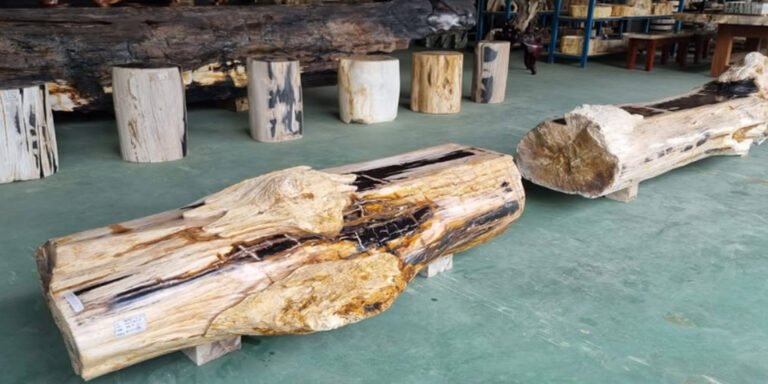
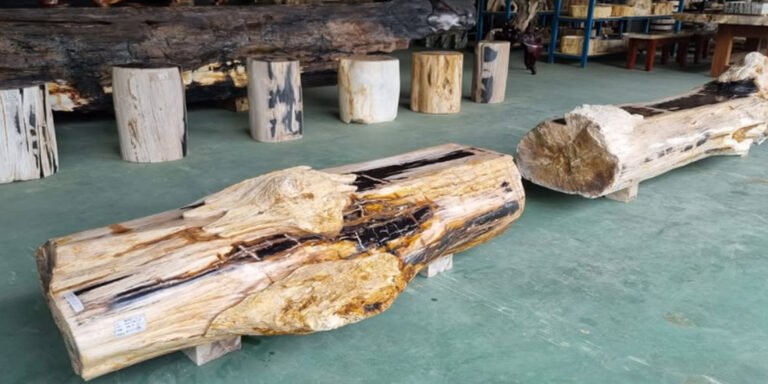
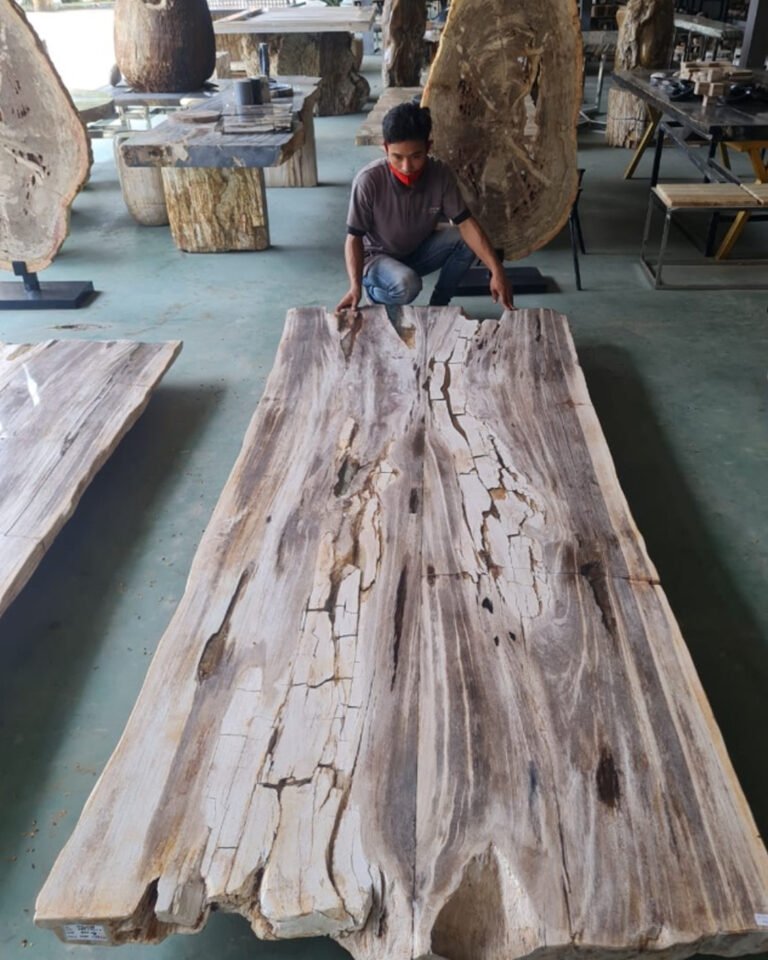
- Distinct Grain Preserved: The material retains the intricate grain and ring patterns of the original wood, offering a truly organic and tactile beauty.
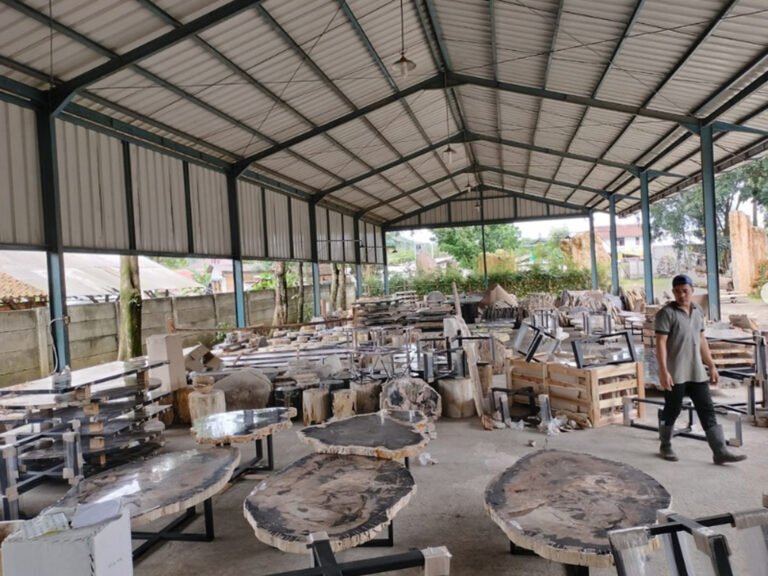
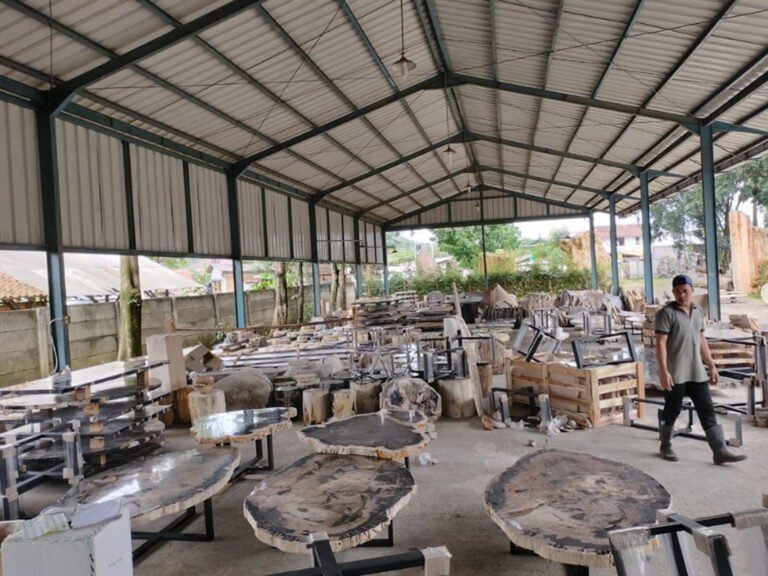
- Size Variety: Some Indonesian petrified logs can be massive, allowing for dramatic furniture pieces or large sculptures.
Formation Sites and Origins
The most significant petrified wood deposits in Indonesia are found in Java, particularly East Java, where volcanic activity millions of years ago provided ideal conditions. Additional sources include Kalimantan (Borneo) and parts of Sumatra. Collectors and suppliers often select stone from these regions for its superior quality, color, and craftsmanship potential.
Petrified Wood Uses: From Collectibles to Contemporary Décor
Indonesian petrified wood is prized for both its historical significance and modern applications. Here are some of the most popular uses:
Luxury Furniture and Tabletops
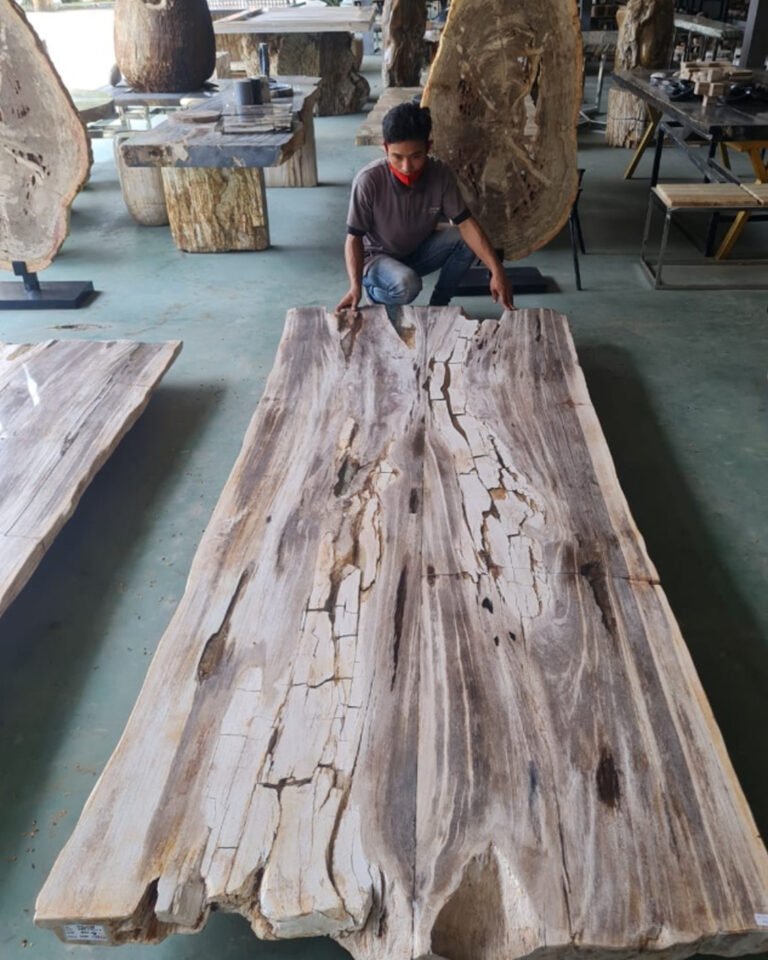
One of the most sought-after uses is in the creation of stunning tabletops, coffee tables, and side tables. Designers appreciate the combination of ancient history and contemporary appeal.
Art and Sculpture
Artists and sculptors often choose pieces with unique color bands or striking features to create breathtaking works of art or focal points in gardens and homes.
Interior Design Elements
Petrified wood slices, bases for lamps, and decorative accents are staples in upscale interior design projects, especially those favoring natural luxury and organic aesthetics.
Jewelry and Collectables
Polished petrified wood pieces are also cut and crafted into unique jewelry or cherished as part of mineral and gemstone collections worldwide.
How to Identify Genuine Indonesian Petrified Wood
With its increased popularity, it’s important to verify authenticity when purchasing. Key identifiers include:
- Weight and Density: Genuine petrified wood is much heavier than ordinary wood.
- Color Patterns: Natural color variations, grains, and organic shapes are positive indicators.
- Surface Feel: Polished petrified wood feels cool and smooth; natural specimens may show roughness but are still hard to the touch.
- Supplier Reputation: Purchase from established Indonesian petrified wood suppliers with transparent sourcing and export processes.
Why Indonesia Leads the Global Petrified Wood Market
Indonesia’s geological history, rich volcanic soil, and abundance of ancient forests make it uniquely positioned in the worldwide petrified wood trade. Reasons for its leadership include:
- Exceptional Diversity: A wide range of species and volcanic influences creates diversity in color, size, and form.
- Ethical Sourcing: Many producers in Indonesia focus on responsible collection and export, supporting both the environment and local communities.
- Expert Craftsmanship: With generations of skill in stone and woodwork, Indonesian artisans bring out the natural beauty in every piece.
Tips for Buying Indonesian Petrified Wood
- Know Your Source: Choose reputable exporters or suppliers who provide clear provenance and quality assurance.
- Consider the Application: For furniture, larger and thicker slabs are preferable. Art pieces may value unique shapes or coloration.
- Inspect Quality: Look for cracks, repairs, or artificial pigments; genuine pieces maintain their natural beauty and strength.
- Understand Value Drivers: Size, rarity of color, and clarity of grain all impact the market price.
Care and Maintenance of Petrified Wood
This ancient stone is extremely durable, but proper care ensures its luster remains for generations:
- Clean with a Damp Cloth: Avoid harsh chemicals; gentle cleaning protects the polished surface.
- Avoid Excessive Sunlight: Prolonged exposure may fade certain mineral colors over time.
- Handle with Care: While strong, large pieces can be heavy and may chip if dropped.
The Enduring Beauty of Indonesia Petrified Wood
From its formation millions of years ago to its place in modern homes and galleries, Indonesian petrified wood exemplifies nature’s artistry frozen in time. Whether you are a passionate collector, a designer in search of uniqueness, or an investor scouting for rare mineral assets, Indonesian petrified wood stands as a testament to the power and beauty of the natural world.
Frequently Asked Questions
- What makes Indonesian petrified wood different from others?
- Indonesian petrified wood stands out for its vivid color variations, excellent preservation, and vast sizes available due to unique volcanic and mineral conditions in regions like Java, Kalimantan, and Sumatra.
- Is petrified wood from Indonesia ethically sourced?
- Many leading Indonesian suppliers adhere to ethical sourcing, focusing on legal collection and supporting local communities, though it’s always best to ask for provenance and certifications when purchasing.
- How can I tell if my petrified wood is genuine?
- Check for natural weight, visible organic grain, varied mineral colors, and avoid pieces with unnatural paint or lightweight feel. Buying from reputable Indonesian petrified wood suppliers increases authenticity assurance.
- Can petrified wood be used outdoors?
- Yes, petrified wood’s strength and resistance make it suitable for outdoor installations such as garden features, though preserving color intensity may require some protection from direct sunlight.
- How should I care for my petrified wood furniture or art?
- Simply clean with a soft damp cloth, avoid abrasive cleaners, and shield from excessive sunlight to keep the material looking its best.