
Petrified Wood vs. Traditional Wood: Which One is Right for Your Home?
Introduction
Choosing the right material for your home’s furniture and décor is a decision that impacts not only aesthetics but also durability, maintenance, and sustainability. Two fascinating materials often considered are petrified wood and traditional wood. Each has unique qualities and appeals to different tastes and requirements. In this article, we compare petrified wood and traditional wood in terms of aesthetics, durability, maintenance, cost, and environmental impact, to help you determine which one is right for your home.
What is Petrified Wood?
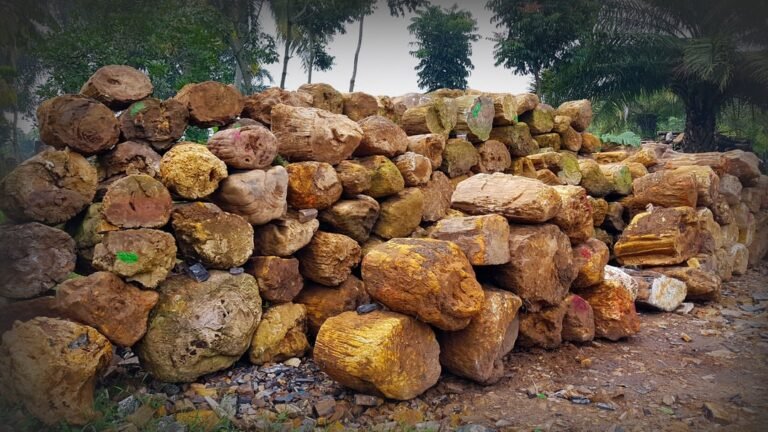
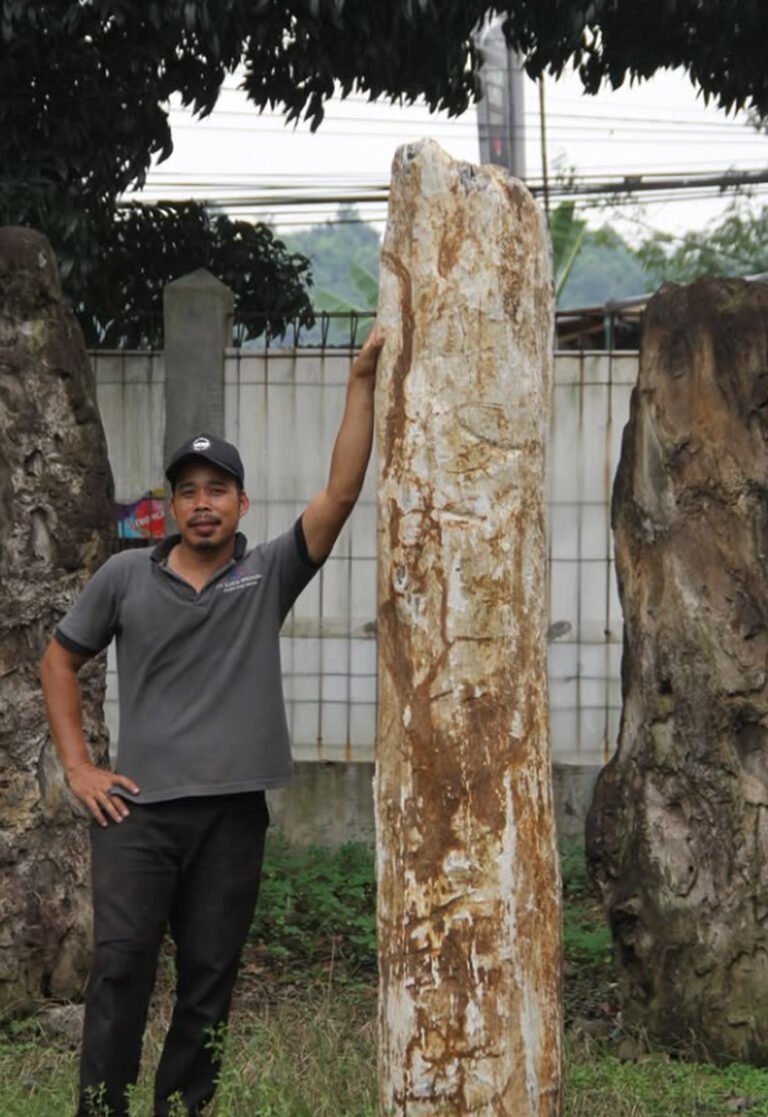
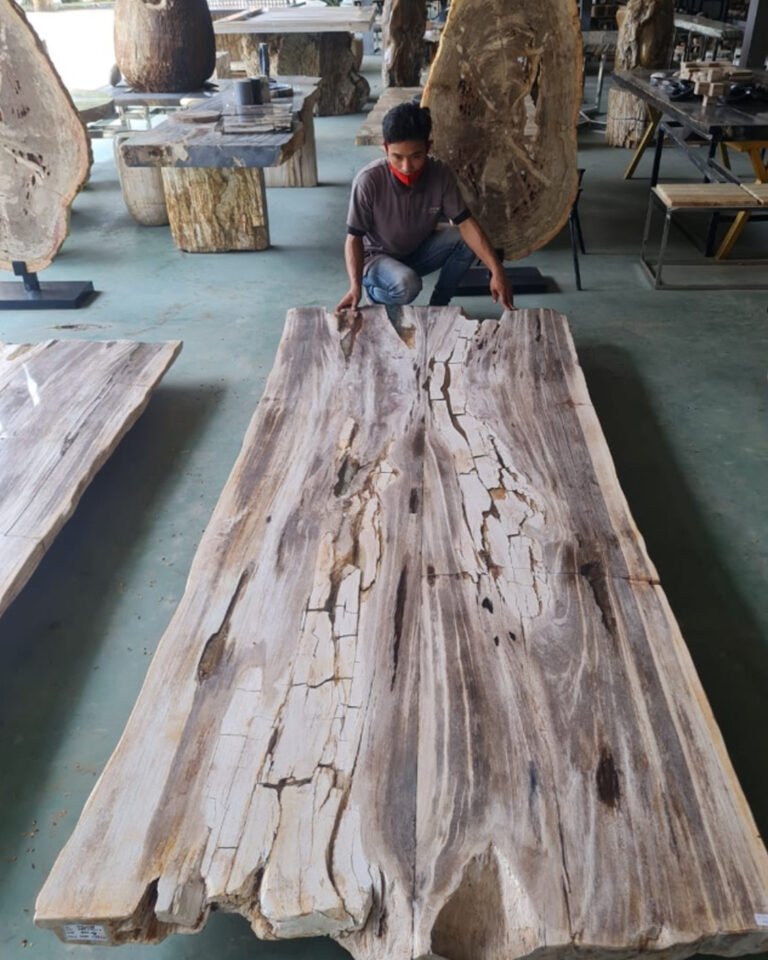
Petrified wood is a type of fossilized wood that has turned to stone over millions of years through the process of permineralization. Minerals such as silica, calcite, and quartz replace organic wood fibers, creating a material that retains the wood’s original structure but has the hardness and appearance of natural stone. With vibrant colors and distinct markings, petrified wood makes a unique and striking addition to any space.
What is Traditional Wood?
Traditional wood comes from harvested trees and has been used for centuries in homes around the world. It is a versatile, renewable resource with a wide array of types, grain patterns, and finishes, ranging from softwoods like pine and fir to hardwoods like oak, teak, and mahogany. Traditional wood fits many design styles from classic to contemporary.
Petrified Wood vs. Traditional Wood: Key Differences
Aesthetics and Style
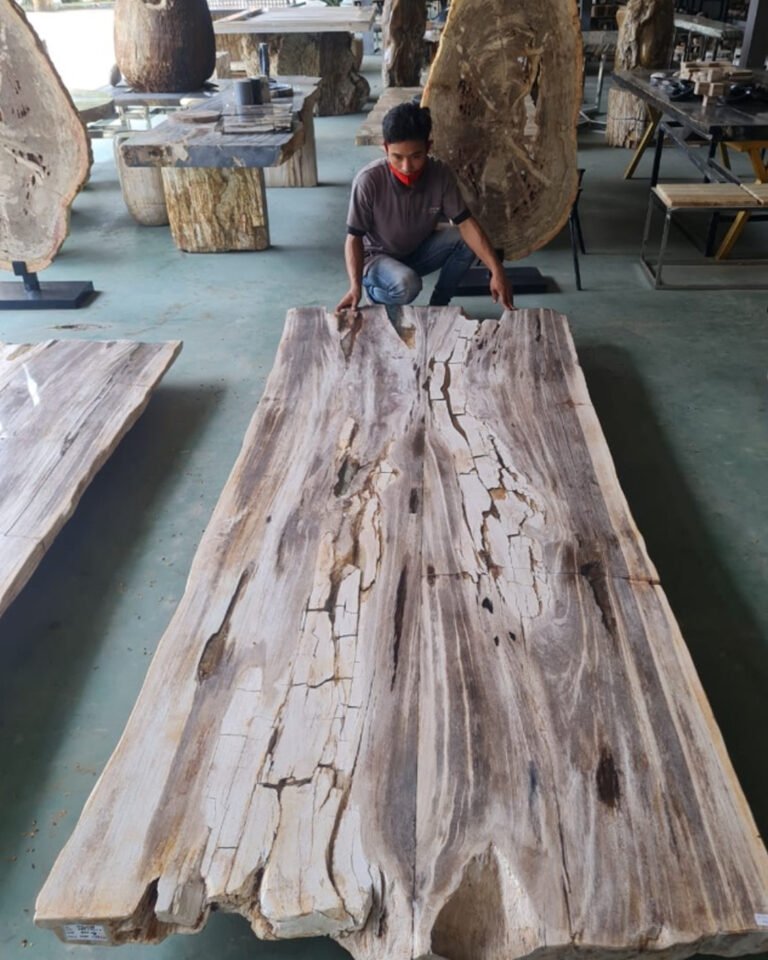
- Petrified Wood: Each piece is truly unique, with dramatic colors, marbling, and crystal-like features. It is often used as accent tables, countertops, or decorative pieces. Its look is sophisticated and works especially well in luxury, modern, or eclectic interiors.
- Traditional Wood: Offers a warm, organic feel and matches a wide variety of design schemes. Wood grains, stains, and finishes are more predictable and can be tailored to specific tastes or décor themes, from rustic to minimalistic.
Durability and Longevity
- Petrified Wood: Exceptionally hard and resistant to scratches, stains, heat, and moisture. Since it is essentially stone, it is ideal for high-use surfaces and outdoor areas. With minimal care, petrified wood pieces can last for generations with their beauty intact.
- Traditional Wood: While many hardwoods are durable, wood is generally more susceptible to scratches, dents, moisture damage, and temperature fluctuations. Regular maintenance is required to preserve its appearance, and lifespan depends on species and care.
Maintenance Requirements
- Petrified Wood: Very low-maintenance; simply clean with a damp cloth. It does not require polishing, waxing, or special treatments. Being non-porous, it resists staining and microbial growth.
- Traditional Wood: Needs regular care such as dusting, oiling, or polishing to protect the finish. Spills must be wiped up immediately to prevent stains, and exposure to sunlight or moisture can cause warping, fading, or splitting.
Sustainability and Environmental Impact
- Petrified Wood: Each piece is a finite, naturally occurring fossil, making it rare and valuable. Most petrified wood used in furnishings is ethically sourced and harvested from controlled locations to protect geological heritage. It is a sustainable choice when sourced responsibly.
- Traditional Wood: When harvested from managed forests, wood is renewable and biodegradable. However, illegal logging or poor forestry practices can lead to habitat loss and deforestation. Look for certified sustainable wood sources (such as FSC-certified products) for eco-conscious furnishing choices.
Cost and Investment Value
- Petrified Wood: Typically more expensive due to its rarity, longevity, and intricate natural beauty. Pieces of petrified wood can increase in value over time and often become heirloom items or collectible décor.
- Traditional Wood: Offers a broad range of prices. Some species, like oak or maple, are very affordable, while exotic or rare woods can be costly. Traditional wood furnishings generally appreciate less in value compared to petrified wood.
Popular Uses in Home Settings
Petrified Wood Applications
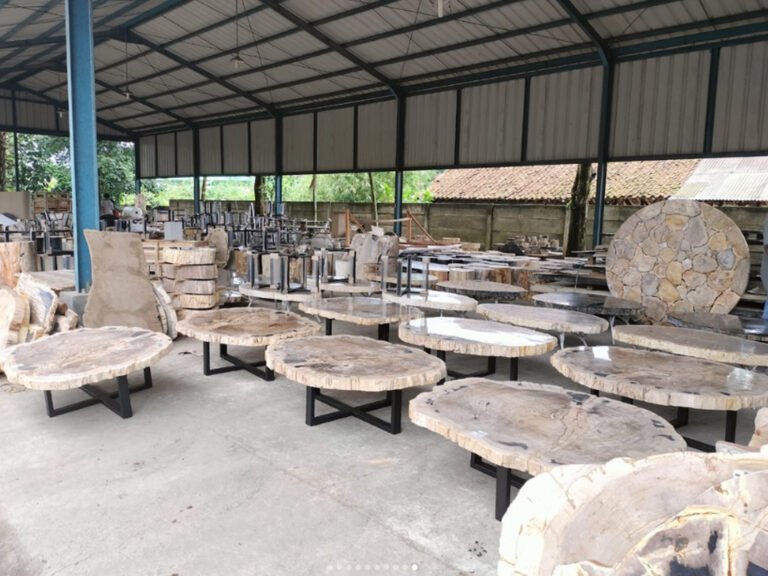
- Accent tables (side, coffee, or console tables)
- Countertops and vanity tops
- Decorative sculptures and sinks
- Wall art and bookends
- Outdoor furniture and landscaping pieces
Traditional Wood Applications
- Dining tables and chairs
- Cabinets and shelving
- Flooring and wall panels
- Doors and window frames
- Bed frames and bedroom furniture
How to Decide: Choosing What’s Right for Your Home
The decision between petrified wood and traditional wood depends on your personal style, budget, and the intended use of the furniture or décor. Here are some tips to help you choose:
- For Statement Pieces: Opt for petrified wood if you desire a one-of-a-kind, luxurious statement item that is both art and functional furniture.
- For Everyday Practicality: Choose traditional wood for classic, functional pieces you plan to use daily, like dining tables or cabinetry.
- For Outdoors or High-Traffic Areas: Consider petrified wood for its resilience to weather, stains, and scratches.
- For Sustainability: Both can be sustainable, but check for eco-certifications for traditional wood and ethical sourcing for petrified wood.
- For Budget: Traditional wood offers more affordable options, while petrified wood suits buyers looking to invest.
Combining Petrified Wood and Traditional Wood
Blending both materials allows you to enjoy the best of both worlds. For example, use petrified wood coffee tables as a focal point alongside classic wooden chairs and flooring. Mixing textures and materials creates visual interest and adds depth to your home décor.
Conclusion
Both petrified wood and traditional wood bring unique advantages and character to your home. Petrified wood is unparalleled in strength, rarity, and artistic beauty, ideal for bold statement pieces. Traditional wood’s versatility, warmth, and familiarity work for many functional needs and décor styles. Ultimately, the best choice depends on your priorities and vision. Whichever material you choose, invest in quality and sustainability for a beautiful home that stands the test of time.