
Petrified Wood Price Guide: Factors Affecting Cost Per Pound/Kilogram
Petrified Wood Price Guide: Factors Affecting Cost Per Pound/Kilogram
Petrified wood draws global interest from collectors, interior designers, and jewelry makers alike. Its ancient origins and natural beauty have made it a prized material, yet prices vary significantly. Understanding what influences the value of petrified wood per pound or kilogram is essential for both new buyers and seasoned collectors. In this guide, we explore every factor that can affect petrified wood pricing to help you make informed purchasing decisions.
What Determines Petrified Wood Price?
The price of petrified wood is the result of many intersecting factors, each contributing to its overall value in the market. These factors include rarity, color, size, quality, location of origin, aesthetics, and market demand. Let’s examine each factor in detail to understand how it influences cost per unit weight.
1. Rarity and Type of Petrified Wood
Not all petrified wood is created equal. Ancient forests in different parts of the world fossilized under unique conditions, creating dramatic variations:
- Rarity of Species: Certain species, such as Araucarioxylon arizonicum from Arizona or ancient palm wood from Indonesia, are highly sought after and command premium prices due to their rarity.
- Fossilization Factors: Unique mineralization processes—such as the presence of rare minerals like opal or jasper—increase both color diversity and overall value.
2. Origin: Geographic Location
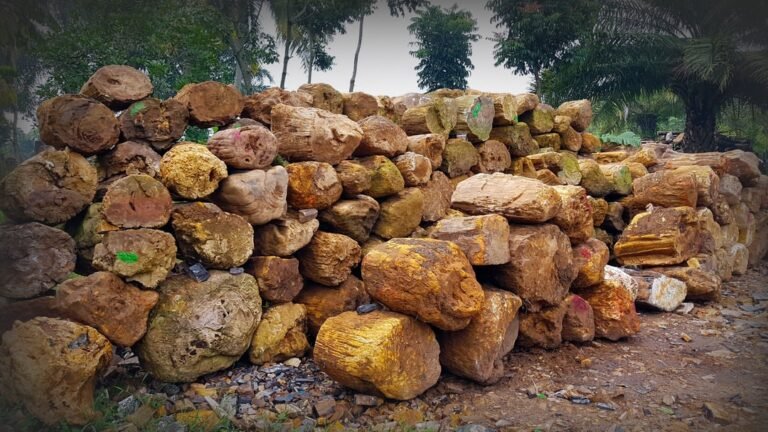
Where petrified wood is found also influences cost. Indonesian petrified wood is renowned for its striking coloration and large, well-preserved logs. Wood from classic locations like Arizona or Madagascar, each with distinct visual traits, can have very different market values. Transportation costs, export regulations, and market access in the country of origin additionally shape final prices for buyers abroad.
3. Size and Weight
In the market, petrified wood is often sold by weight—either per pound or kilogram. Larger, flawless specimens are rarer and more difficult to extract, making them more expensive per unit weight. However, small pieces or fragments, especially with vibrant colors or unusual shapes, can also fetch high prices for jewelry or decorative use.
4. Quality: Color, Clarity, and Texture
Key quality indicators play a significant role in pricing:
- Color: Vivid colors or unusual color combinations—reds, blues, purples, golds—are rarer and more valuable. Uniform colors such as brown or gray are typically less expensive.
- Clarity and Preservation: Well-preserved cellular structure, clear ring pattern, and minimal cracks or blemishes enhance value.
- Texture and Polish: A fine polish or smooth finish, enhancing visual appeal, can increase market price.
5. Shape and Aesthetic Appeal
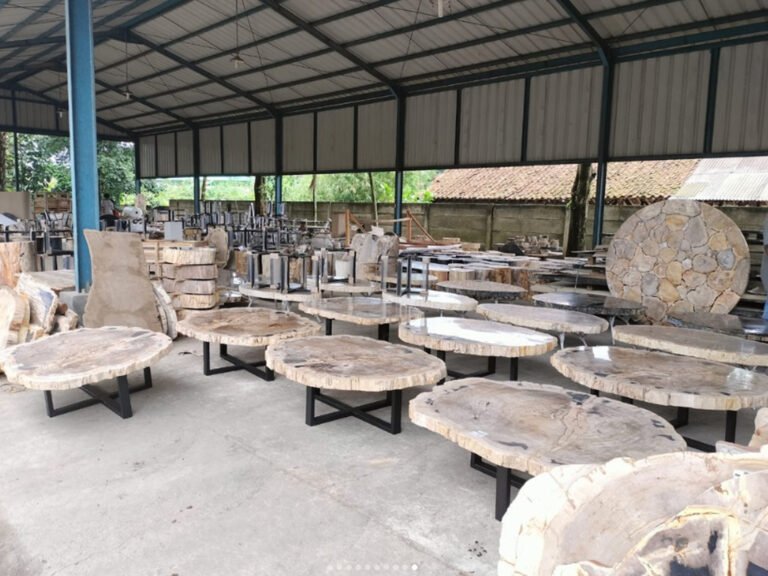
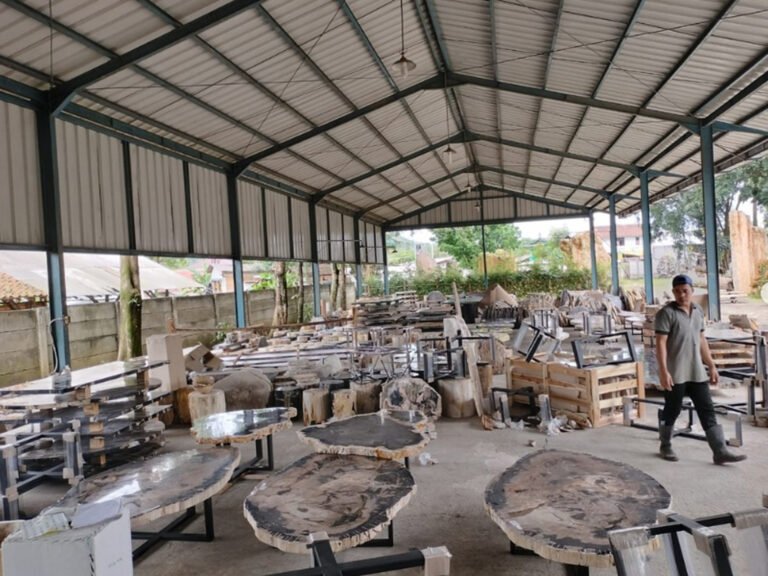
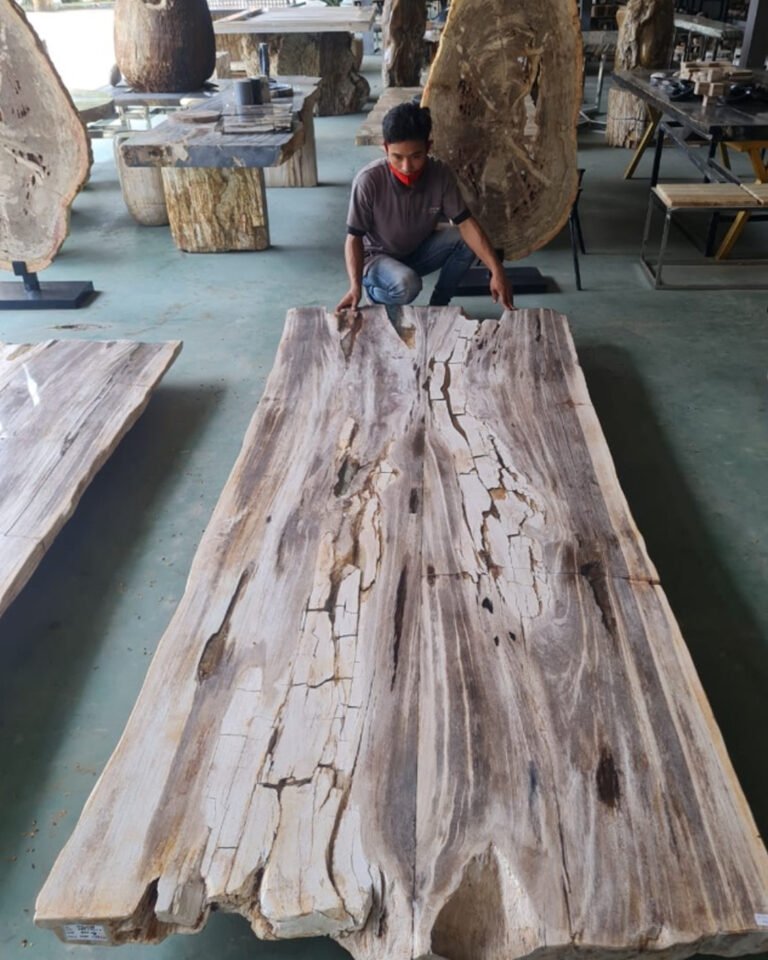
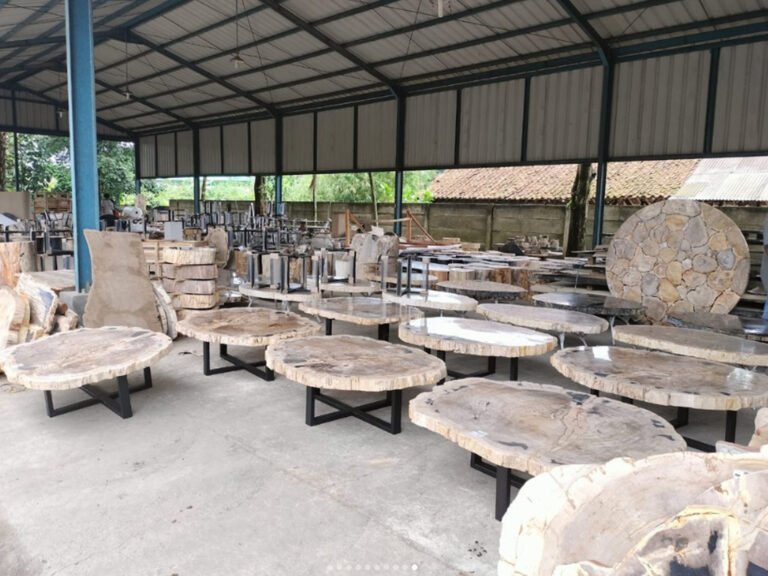
Slices, slabs, or rounds showing beautiful grain and annual rings are in demand for decorative art and tabletops. Intricate root sections or unusual shapes are highly valued for their uniqueness, often fetching higher prices than more regular forms.
6. Market Demand and Trends
Petrified wood prices fluctuate with global market trends. Increasing interest in natural stone furniture and luxury home decor has elevated prices for larger slabs and designer pieces worldwide. Limited supply from popular regions—or export bans—can temporarily boost prices.
7. Treatments and Enhancements
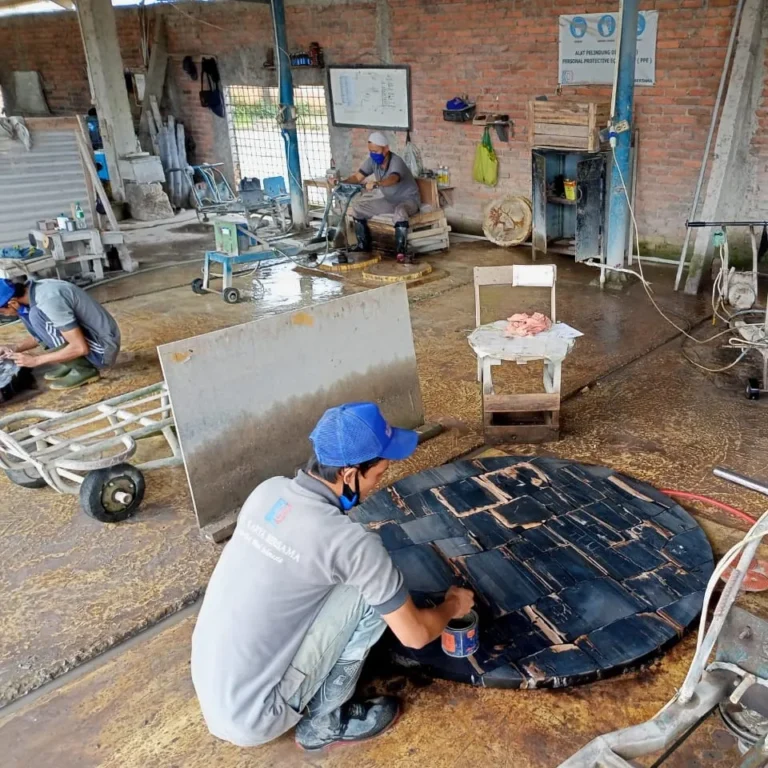
Petrified wood may undergo processes such as dyeing, polishing, or stabilization to improve appearance or durability. While high-quality natural pieces fetch premium prices, enhanced pieces are often more affordable but may be less desirable to serious collectors.
How Much Does Petrified Wood Cost Per Pound or Kilogram?
Pricing can vary enormously depending on the above factors and the intended use. Here is a general range:
- Unprocessed Pieces: Common varieties may start from $2–$10 per pound ($4–$22 per kg).
- Premium Quality: Large, colorful pieces or rare origins can range from $20–$50 per pound ($44–$110 per kg), while exceptional items may reach much higher prices at auction.
- Slabs and Polished Rounds: These can command $30–$100 per pound or more, especially for use in decorative arts and interior design.
- Jewelry-Grade Pieces: Small, vividly colored fragments graded for jewelry may sell for up to $100 per kilogram or more, depending on quality and uniqueness.
Keep in mind, transportation, finishing, and import/export fees also contribute to the end price for international buyers.
Comparing Petrified Wood From Different Regions
Some countries are renowned for the unique characteristics of their petrified wood:
- Indonesia: Known for large logs, multi-colored patterns, and high-quality polish. Indonesian petrified wood is highly valued in international markets.
- United States: Arizona’s Petrified Forest is famous for its rainbow hues, but collecting here is strictly regulated to preserve resources.
- Madagascar: Notable for vibrant color diversity and affordable prices due to abundant supply.
- Brazil and Argentina: Classic sources of fossilized wood with attractive coloration.
Buying Tips: Getting the Best Value for Your Money
- Research Suppliers: Look for reputable dealers offering authentic, ethically sourced petrified wood.
- Inspect Before Purchase: Examine pieces for cracks, repairs, or artificial treatments. Request provenance if origin is important to you.
- Understand Grading: Learn about grading criteria and how they affect price.
- Ask for Photos/Videos: For online or international purchases, request high-resolution images or video walkarounds.
- Factor in Shipping: Heavy pieces can increase delivery costs considerably.
International Trade and Regulations
Some countries restrict the export of petrified wood to protect their heritage or environment. Ensure your purchase complies with local and international regulations to avoid confiscation or penalties. Licensed exporters, such as those specializing in Indonesian petrified wood, provide documentation for hassle-free importation.
The Future of Petrified Wood Pricing
As global demand for natural luxury decor and collectibles rises, high-quality petrified wood is likely to appreciate in value—especially rare or highly aesthetic specimens. New discoveries and emerging markets may influence prices in coming years. Buyers seeking long-term value should prioritize rarity, provenance, and high quality in their acquisitions.
Conclusion
Petrified wood takes millions of years to form and displays an incredible variety of beauty and color from around the world. When purchasing, remember that rarity, location, size, quality, shape, and market dynamics all play significant roles in determining price per pound or kilogram. Start your journey as an informed buyer, and you’ll be better equipped to find both beauty and value in your petrified wood investments.