
How to Clean and Care for Petrified Wood Furniture Safely
Introduction
Petrified wood furniture is a statement of timeless elegance, combining natural history and modern luxury in captivating ways. As one of the most unique natural materials, petrified wood brings ancient beauty and distinctive charm to homes and offices worldwide. However, maintaining this beauty requires proper cleaning and care techniques that preserve its fossilized splendor without damage. In this article, we’ll explore the safest and most effective ways to clean and care for petrified wood furniture, ensuring your treasured pieces remain brilliant for generations.
Understanding Petrified Wood Furniture
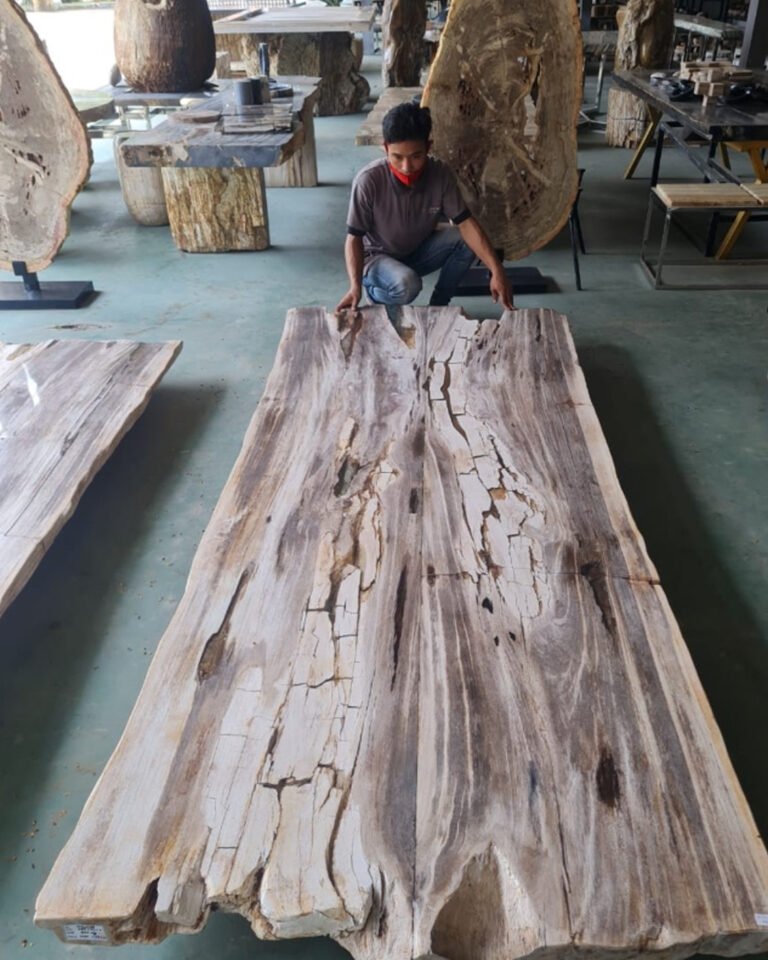
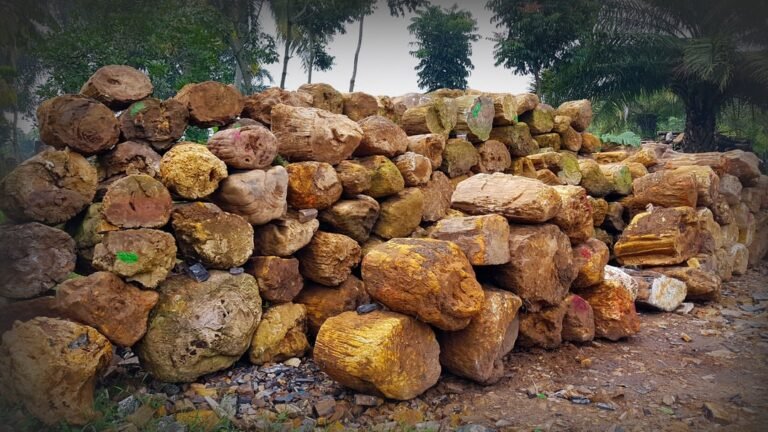
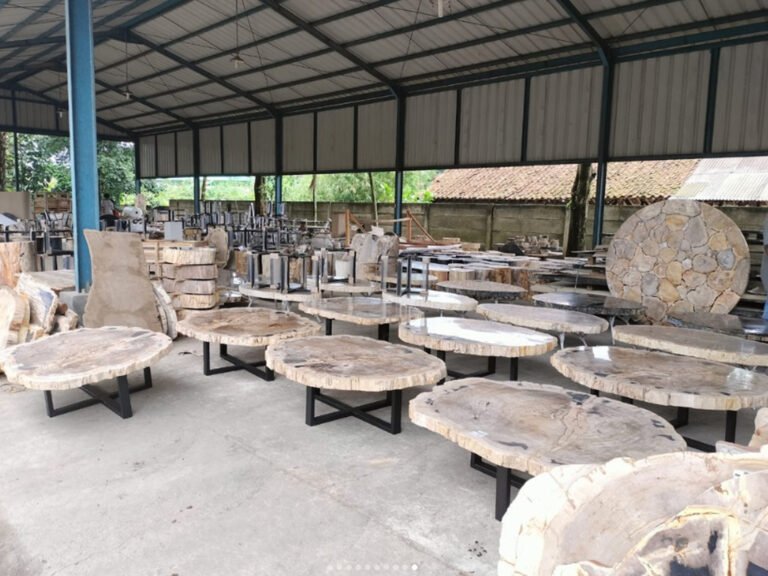
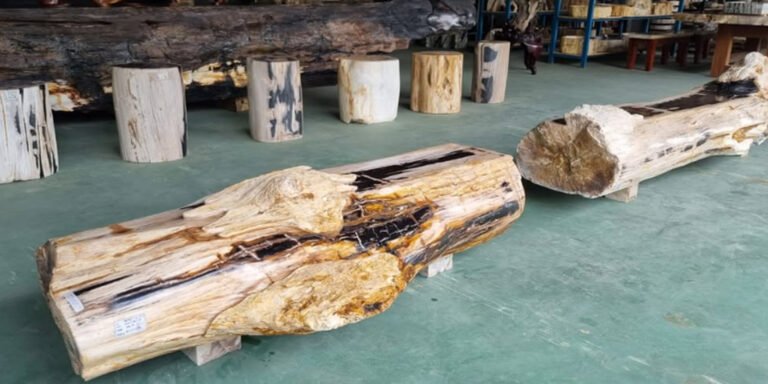
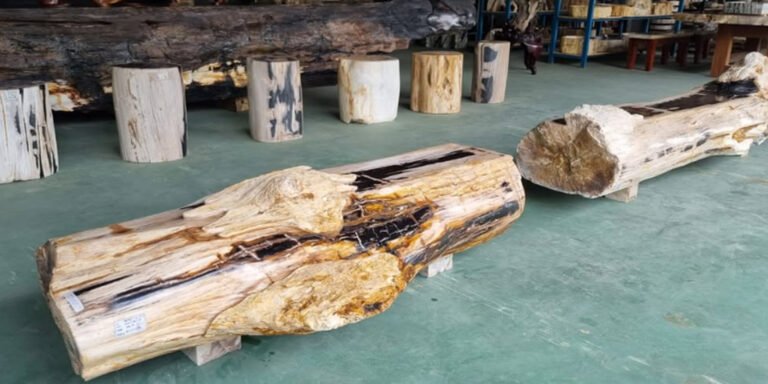
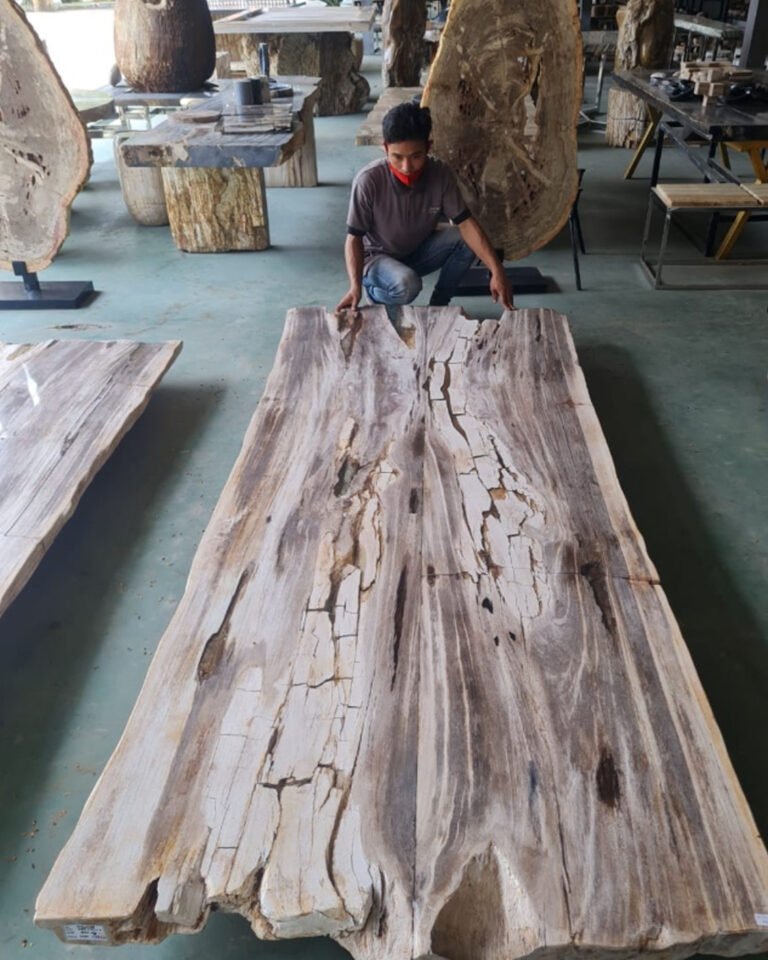
Petrified wood is essentially fossilized wood that has gone through a process called permineralization, where minerals such as quartz replace organic material in the wood over millions of years. The result is a striking material as hard as stone yet retaining the intricate grain of the original tree. Typical uses include side tables, coffee tables, countertops, stools, and decorative slabs.
Why Special Care Is Needed
Though petrified wood is extremely durable, it can still be sensitive to harsh chemicals, abrupt temperature changes, and abrasive materials. To maintain the natural polish and intricate textures, a gentle and informed approach is key.
Safe Cleaning Methods for Petrified Wood Furniture
1. Dust Regularly and Gently
Dust can dull the natural luster of your petrified wood furniture. Use a soft, dry microfiber or lint-free cloth to wipe surfaces weekly. Avoid feather dusters, which can scratch or leave residues.
2. Use Mild Cleaners
Never use harsh chemical cleaners, acidic or alkaline solutions, or bleach. Instead, mix a few drops of gentle pH-neutral dish soap with warm water. Dampen a soft cloth with the solution – never soak the petrified wood itself.
- Wipe the furniture surface gently.
- Rinse the cloth in clean water and wipe again to remove any soapy residue.
- Immediately dry the surface with a new, soft cloth.
3. Avoid Excess Moisture
Excess moisture can seep into natural cracks or crevices, potentially weakening the structure over time. Always use a slightly damp cloth, not a wet one. Stand-alone water spills should be wiped up at once.
Stain Removal
If you encounter stains, such as from food, beverages, or oils, address them promptly:
- Blot the area with a clean, dry cloth to absorb as much as possible.
- Use a mild soap solution as described above.
- For stubborn stains, lightly buff with a melamine foam sponge (Magic Eraser-type), but test in an inconspicuous spot first.
- Never use abrasive pads, steel wool, or scrubbing powders.
Protective Maintenance
1. Sealants and Surface Protection
Many petrified wood furniture pieces come pre-sealed with a clear resin or stone sealer to protect against stains and etching. If your piece is unsealed or you notice dulling, consult a professional about applying a stone-safe sealer. Do not attempt to wax or use wood polish designed for traditional wooden furniture.
2. Use Coasters and Mats
Always place coasters under glasses and cups, and mats or trivets under hot dishes. Although petrified wood tolerates heat better than regular wood, rapid, localized temperature changes may cause cracks or ring marks in the finish.
3. Protect from Direct Sunlight
Prolonged exposure to direct sunlight can cause slight fading or temperature stress. Display furniture out of harsh sunlight, or use window treatments to filter UV rays.
4. Careful Placement
To prevent accidental chips or cracks, position petrified wood furniture away from high-traffic areas, child play zones, or places where objects might fall or bump into them.
Long-Term Care Tips
Professional Maintenance
For intricate repairs, deep cleaning, or resealing, always consult a professional who has experience with stone and fossilized materials. Antiques and valuable pieces may require specialist conservation.
Avoiding Common Mistakes
- Do not use vinegar, lemon, or other acidic cleaners.
- Avoid ammonia-based cleaning products.
- Never use commercial polish, wax, or oil designed for wood or marble.
- Don’t drag objects with sharp bases across surfaces.
Best Products to Use
- pH-neutral stone soap available at hardware or bathroom supply stores.
- Microfiber cleaning cloths – essential for scratch-free cleaning.
- Stone-safe surface sealers for professional reapplication.
Enhancing the Beauty of Petrified Wood Furniture
Occasionally, gently buff the surface using a soft, dry cloth to enhance its natural glow. Avoid over-polishing. Appreciate unique features such as fossilized bark patterns, mineral streaks, and crystallized textures, which should not be hidden under heavy treatments or waxes.
Conclusion
With attentive, gentle care and the right cleaning strategy, your petrified wood furniture will continue to impress for decades. Embrace the history in every piece, and remember—less is often more when it comes to cleaning fossilized wonders.
FAQs
- Can I use everyday wood polish on petrified wood furniture?
No, most wood polishes and waxes are not designed for petrified or fossilized wood and can leave residue or cause dulling. Use stone-safe products instead. - How do I know if my petrified wood furniture is sealed?
You can check by placing a few drops of water on the surface. If the water beads up, it is likely sealed. If it soaks in, consider professional sealing. - Is it safe to use disinfectant sprays on petrified wood?
Most household disinfectant sprays are too harsh for petrified wood. Stick with gentle, pH-neutral cleaners and only use disinfectants if labeled safe for stone surfaces. - What should I do if my petrified wood table develops a crack?
Avoid using glue or fillers yourself. Contact a professional experienced with stone or petrified wood repairs for the best results. - Can petrified wood furniture be used outdoors?
Some well-sealed pieces may be suitable for outdoor use in mild climates, but extreme weather, temperature shifts, and moisture can damage even fossilized pieces. Indoor use is best unless the piece is designed for outdoor conditions.