

Best Finishes for Petrified Wood Furniture
Introduction to Petrified Wood Furniture
Petrified wood furniture has become a symbol of luxury and timeless elegance in interior design. Every piece, formed through the natural process of wood fossilization, features unique mineral patterns that turn simple furniture into art. However, to truly showcase the natural beauty and ensure the longevity of petrified wood furniture, choosing the right finish is essential. This article explores the best finishes for petrified wood furniture, why they matter, and how to use them to maximize both beauty and durability.
Why Finishing Matters for Petrified Wood
While petrified wood is incredibly dense and durable thanks to its mineralization, its surface can still benefit significantly from proper finishing. The right finish will enhance color, protect against stains or scratches, and make cleaning much easier. Without appropriate finishing, even this stone-hard material can lose its luster over time or become vulnerable to damage from improper care or environmental factors.
Popular Finishes for Petrified Wood Furniture
Choosing the right finish involves balancing aesthetics, functionality, and ease of maintenance. Here are the most popular finishes used by professionals and manufacturers of high-end petrified wood furniture:
1. Clear Resin Sealer
Clear resin sealers are the most common choice for petrified wood furniture. These sealers soak into the pores and fine cracks of the stone, creating a tough, glossy barrier. This finish:
- Enhances the stone’s natural color and veining.
- Provides waterproof and stain-resistant protection.
- Makes cleaning and maintenance nearly effortless.
2. Polished Wax Finish
For clients who prefer a softer, more natural sheen, high-quality stone waxes are often applied after an initial sealing coat. A wax finish offers:
- A subtle sheen that showcases the unique mineral details of the wood.
- A tactile, warm feel under hand compared to high-gloss finishes.
- Basic water resistance and protection from minor spills.
Regular application is recommended to maintain this look.
3. Oil-Based Finishes
Some petrified wood pieces are finished with penetrating oils designed for stone surfaces, such as mineral oil or products specially formulated for fossilized woods. These oils:
- Deepen the colors and reveal the intricate patterns within the wood.
- Are less glossy but offer a rich, natural appearance.
- Require periodic reapplication, especially in dry or heavily used environments.
Use stone-specific oils to avoid any discoloration or sticky residue.
4. High-Gloss Polyurethane or Epoxy
For a mirror-like presentation commonly seen in luxury petrified wood tables and countertops, a high-gloss polyurethane or epoxy finish may be chosen. These finishes:
- Create an ultra-durable, glassy surface that protects against scratches and spills.
- Magnify the color contrasts and details of the petrified wood.
- Are ideal for statement pieces in high-use areas, like dining or coffee tables.
However, these can be more difficult to repair if scratched and can sometimes appear too artificial for those who prefer a more natural look.
Comparing Finish Types: Pros and Cons
| Finish Type | Look | Durability | Maintenance |
|---|---|---|---|
| Clear Resin Sealer | Glossy, color-enhancing | High | Low |
| Polished Wax | Soft, natural sheen | Moderate | Moderate (reapply) |
| Oil-Based | Rich, subdued luster | Moderate | Moderate to High (reapply) |
| Polyurethane/Epoxy | Mirror-like, high gloss | Very High | Low to Moderate |
How to Choose the Best Finish for Your Needs
When selecting a finish, consider the following factors:
- Usage: Will the piece be in a high-traffic area? Opt for high-durability finishes like resin or polyurethane.
- Design Style: Contemporary spaces may benefit from glossy finishes, while rustic or classic interiors often suit natural or waxed looks.
- Maintenance Commitment: Some finishes need periodic care; clear resins and polyurethanes are the lowest maintenance.
- Personal Taste: Decide whether you prefer a glassy, mirrored look or something more subtle and natural to the touch.
Expert Tips for Applying and Maintaining Finishes
- Always clean the surface thoroughly before applying any finish.
- Test your chosen product on an inconspicuous area first to ensure compatibility with your specific petrified wood type.
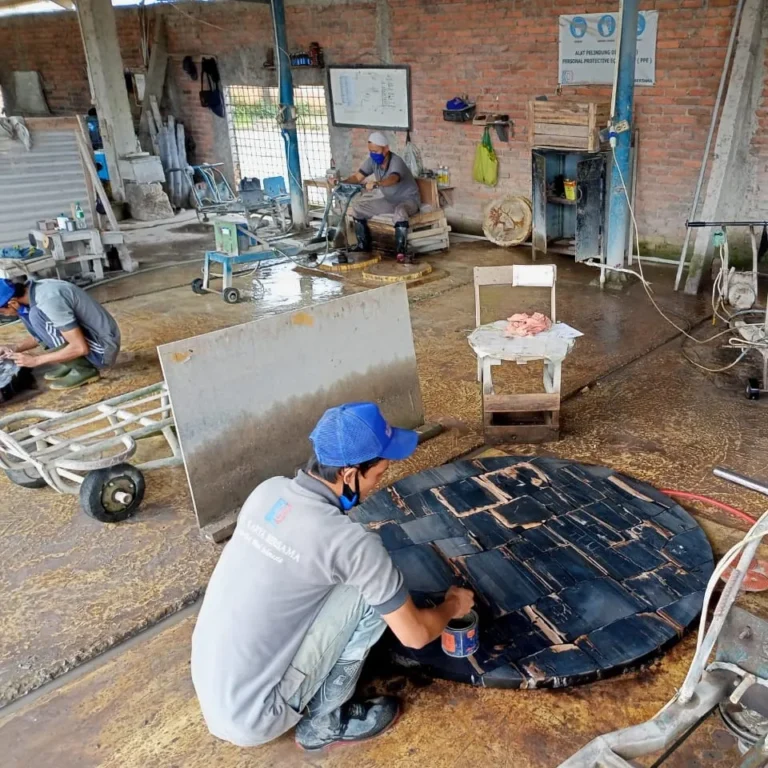
- Apply in multiple thin, even coats; buff or polish as recommended by the manufacturer.
- Avoid harsh chemicals or abrasive tools during regular cleaning. Use a soft damp cloth and gentle stone cleaner.
- Reapply waxes or oils as needed, following the recommended schedule for your environment and furniture use.
Common Mistakes to Avoid
- Applying generic wood finishes not intended for stone or mineralized wood; these can lead to dullness or sticky surfaces.
- Using acidic or ammonia-based cleaners, which may etch or dull the finish layer.
- Skipping regular cleaning or reapplication for finishes that require ongoing care.
- Failing to protect the finished surface from excessive heat or direct sunlight, which may degrade certain polymer-based finishes over time.
Conclusion: Enhancing and Protecting Your Investment
Choosing the right finish for your petrified wood furniture is an investment in both its beauty and its durability. Whether you seek a glowing centerpiece for your home or a subtle, timeless accent, matching the finish to your style and lifestyle will bring out the best in your petrified wood. Work with reputable suppliers and consult with finishing experts, especially for large or valuable pieces, to maintain and protect these irreplaceable works of natural art.
FAQ: Best Finishes for Petrified Wood Furniture
- What is the most durable finish for petrified wood furniture?
High-gloss polyurethane or epoxy finishes are the most durable, offering superior protection against scratches, stains, and spills. - How often should I reapply wax or oil to my petrified wood furniture?
Typically, every 6-12 months, depending on the finish type, usage, and environmental conditions. - Can you use regular wood sealers on petrified wood furniture?
No, it is best to use sealers and finishes formulated for stone or fossilized wood to avoid dullness or chemical reactions. - Do all finishes change the color of petrified wood?
Most finishes will enhance and deepen the color of petrified wood, making mineral patterns more vivid, but they should not significantly alter its inherent beauty if applied properly. - What maintenance is required after finishing?
Use soft, damp cloths for cleaning, avoid harsh chemicals, and reapply any maintenance finishes like wax or oil according to the manufacturer’s instructions.
One Comment