How the Indonesian Petrified Wood Industry Works
Overview of the Indonesian Petrified Wood Industry
The Indonesian petrified wood industry is a sophisticated sector that bridges natural history with modern interior design and luxury architecture. Indonesia is globally recognized as one of the most prolific sources of high-quality fossilized wood, largely due to its unique volcanic geology. Understanding how this industry functions is essential for international buyers, designers, and collectors who seek to integrate these ancient treasures into their projects.
The journey from the ground to a finished, export-ready masterpiece involves multiple stages: sourcing, selection, precision cutting, and meticulous finishing. For those looking to source responsibly, it is important to understand how to source petrified wood directly from Indonesia to ensure that you are working with established entities that prioritize both quality and professional handling of these delicate materials.
The Sourcing and Extraction Process
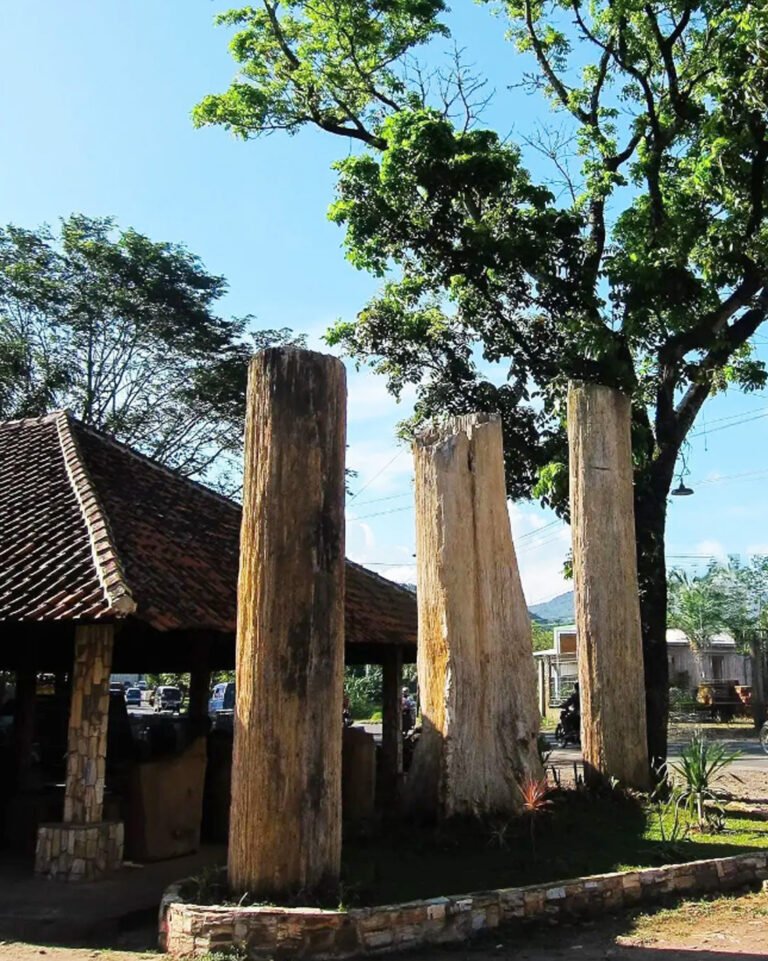
Petrified wood in Indonesia is typically sourced from specific regions with rich volcanic histories. The extraction process is delicate, as large, intact specimens are highly sought after. Local workers and suppliers often work in collaboration with landowners to identify deposits where the wood has been preserved under volcanic ash for millions of years.
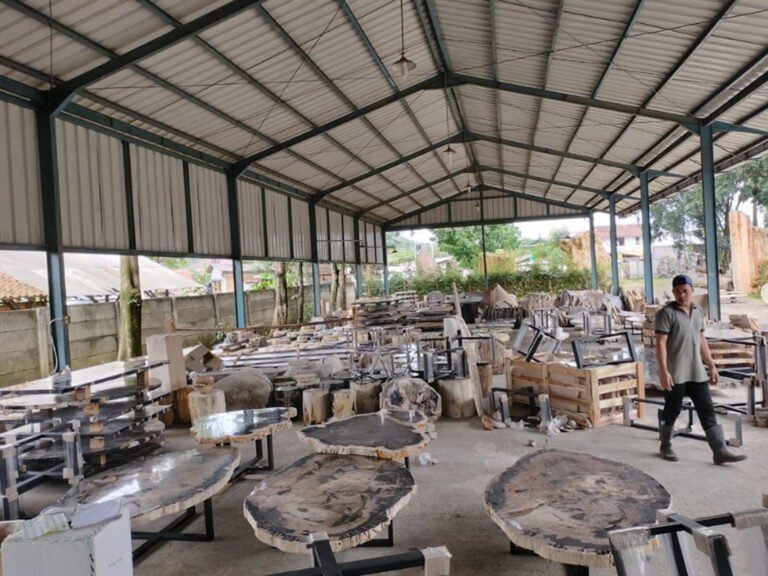
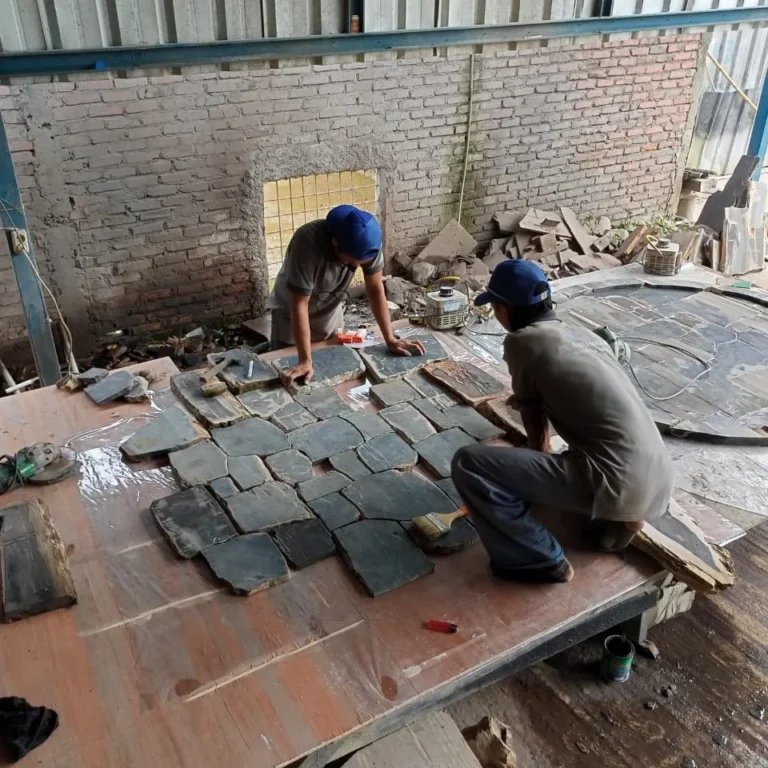
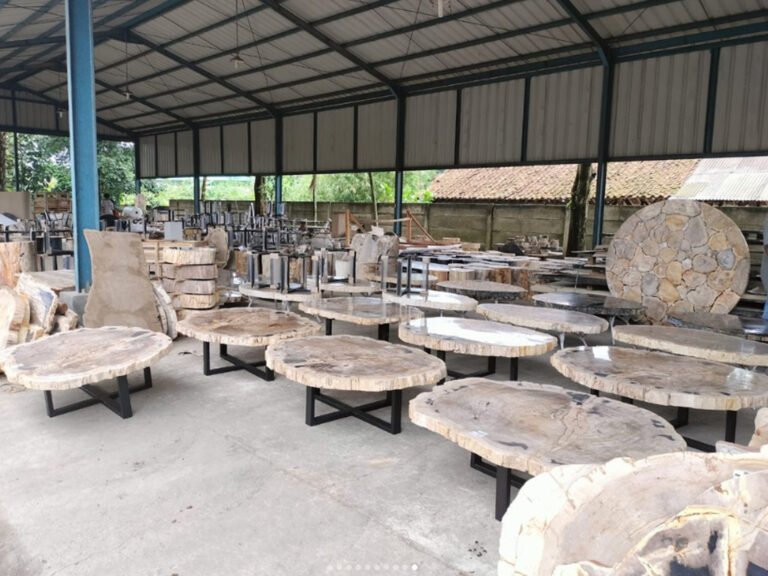
Once raw pieces are extracted, they are transported to regional workshops. Unlike mining minerals that are processed chemically, fossilized wood requires manual assessment. Each piece is unique, meaning the industry relies heavily on the expertise of local artisans to determine the potential of a raw log—whether it should be kept as a sculpture, sliced into slabs for tables, or used for decorative tiles.
Processing and Craftsmanship
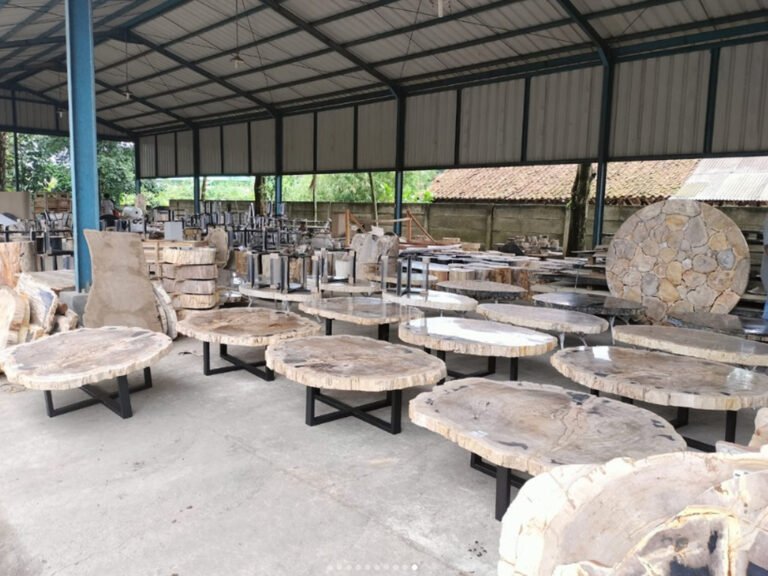
The transformation of raw fossilized wood into a luxury product is a labor-intensive endeavor. Because petrified wood is extremely hard—often measuring 7 on the Mohs scale—standard woodworking tools are insufficient. The industry utilizes diamond-tipped cutting machinery and specialized polishing equipment.
- Slicing: Large logs are cut into slabs using heavy-duty industrial saws. The orientation of the cut is vital to reveal the most striking grain patterns and mineral inclusions.
- Stabilization: If the wood has natural voids or cracks, artisans may use professional-grade resins to stabilize the stone without compromising its structural integrity.
- Polishing: Multiple stages of grinding and buffing are required to achieve a high-gloss finish that highlights the vibrant colors produced by minerals like iron, manganese, and silica.
Those unfamiliar with these stages often wonder about the structural state of the material. For example, learning about natural cracks in petrified wood: what buyers should know can help in setting realistic expectations during the procurement process.
Exporting and Global Logistics
The final pillar of the Indonesian petrified wood industry is the export supply chain. Because these items are heavy and fragile, packaging is an art form in itself. Professional suppliers invest in custom-built wooden crates, shock-absorbent materials, and precise labeling to ensure that products arrive at their international destination in pristine condition.
Export documentation, including certificates of origin and customs declarations, is standard practice for reputable exporters. When choosing a partner, buyers are encouraged to verify credentials to ensure a seamless international trade experience. As noted in industry guides regarding petrified wood exporters in Indonesia: what international buyers should know, transparency in logistics and grading is a hallmark of a professional supplier.
Quality Standards and Grading
The industry uses a subjective yet highly experienced grading system. Factors such as color intensity, the presence of “bark” texture, clarity of the internal grain, and the size of the piece influence its market value. A premium piece is usually defined by a complete lack of structural decay and a polished surface that is free of pits or dull patches.
FAQ
- Is the Indonesian petrified wood industry regulated?
Yes, the industry operates under national trade and export regulations. Reputable suppliers ensure that all products follow legal standards for export, including proper documentation for international shipping.
- How long does it take to prepare an order?
The lead time depends on the volume and the level of customization required. Since much of the work is artisanal, precision finishing takes time, especially for large furniture pieces.
- Can I request custom dimensions for a petrified wood slab?
Most manufacturers offer custom cutting and polishing services based on the dimensions of the raw material available in their inventory.
- Why is petrified wood so expensive to ship?
Petrified wood is essentially solid stone. Its high density translates to significant weight, requiring specialized handling and freight services to ensure safe international transport.
Partner with Java Petrifiedwood
Understanding the complexity of the Indonesian petrified wood industry is the first step toward a successful acquisition. At Java Petrifiedwood, we combine deep geological knowledge with professional craftsmanship to provide our global clients with the highest quality fossilized wood products. Whether you are an interior designer or a retailer, our team is ready to assist you in finding the perfect pieces for your collection. Contact us today to learn more about our current inventory and shipping capabilities.