Natural Cracks in Petrified Wood: What Buyers Should Know
Understanding Natural Cracks in Petrified Wood
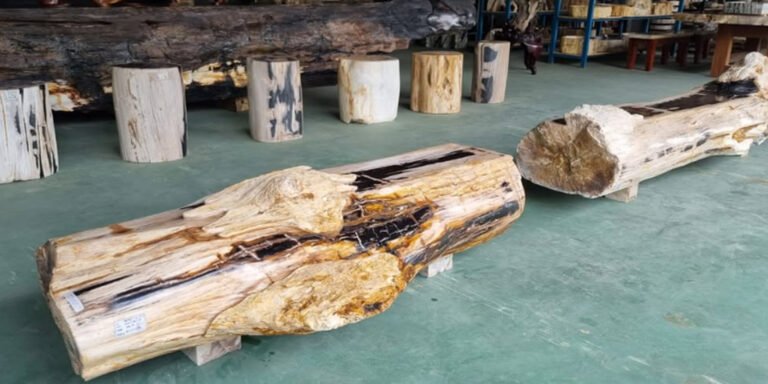
For collectors, interior designers, and luxury furniture buyers, Indonesian petrified wood represents a remarkable intersection of nature and time. As an ancient material that has undergone a long process of permineralization, it is common for buyers to notice surface lines or fissures. It is essential to understand that natural cracks in petrified wood are often inherent characteristics rather than signs of inferior quality or structural failure.
When wood turns into stone, the internal cellular structure is replaced by minerals like silica over millions of years. This transformation, while making the material incredibly dense and durable, does not create a perfectly monolithic block. The geological forces that formed these fossils often leave behind beautiful, organic variations that define the history of the specimen.
Why Do These Cracks Occur?
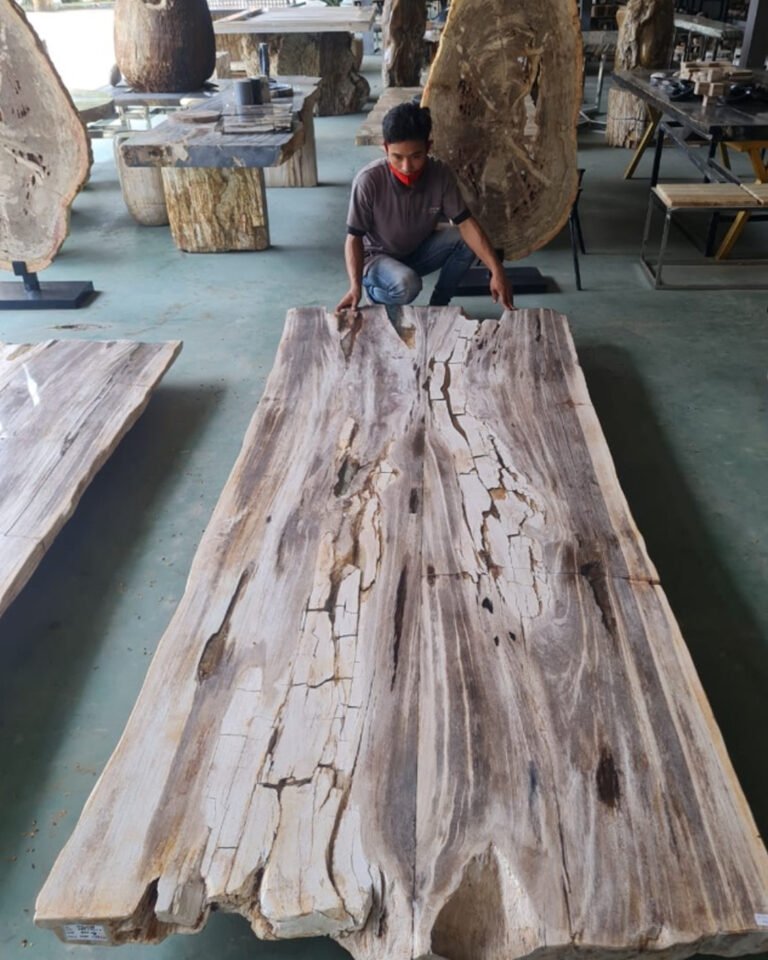
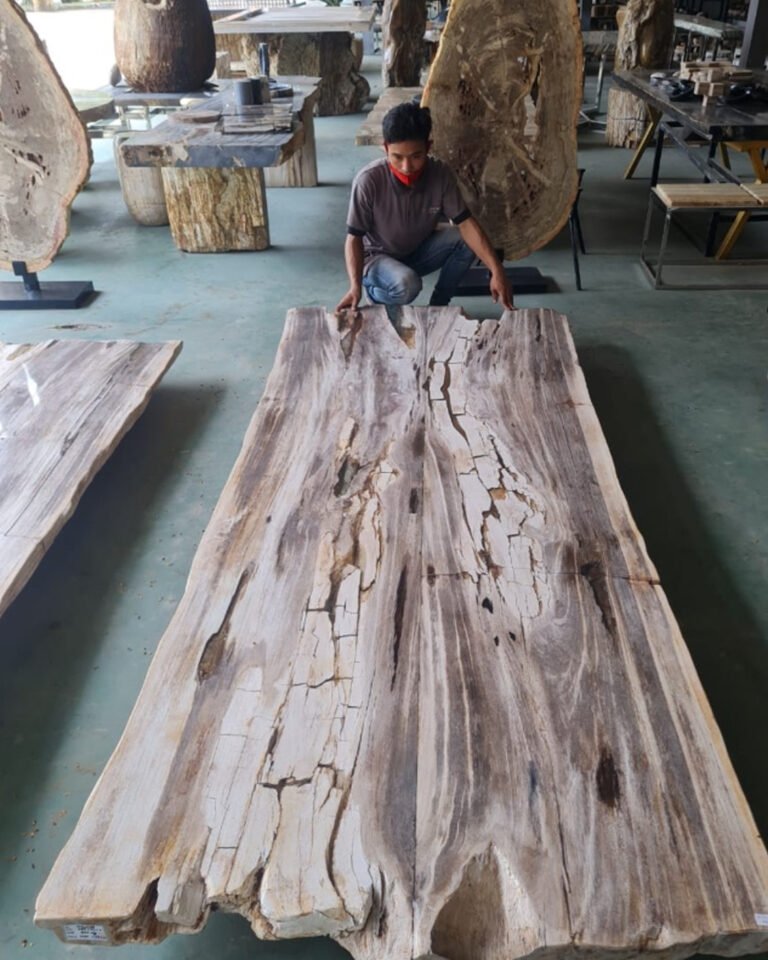
The fossilization process involves immense pressure and geological shifting. As the geological formation of petrified wood in Indonesia progressed, the cooling of volcanic materials and seismic activity created stress within the wood. These natural stresses manifest as hairline fractures or deeper crevices. Furthermore, because every piece of petrified wood is unique, these markings act as “fingerprints” that tell the story of the ancient environment in which the tree grew and died.
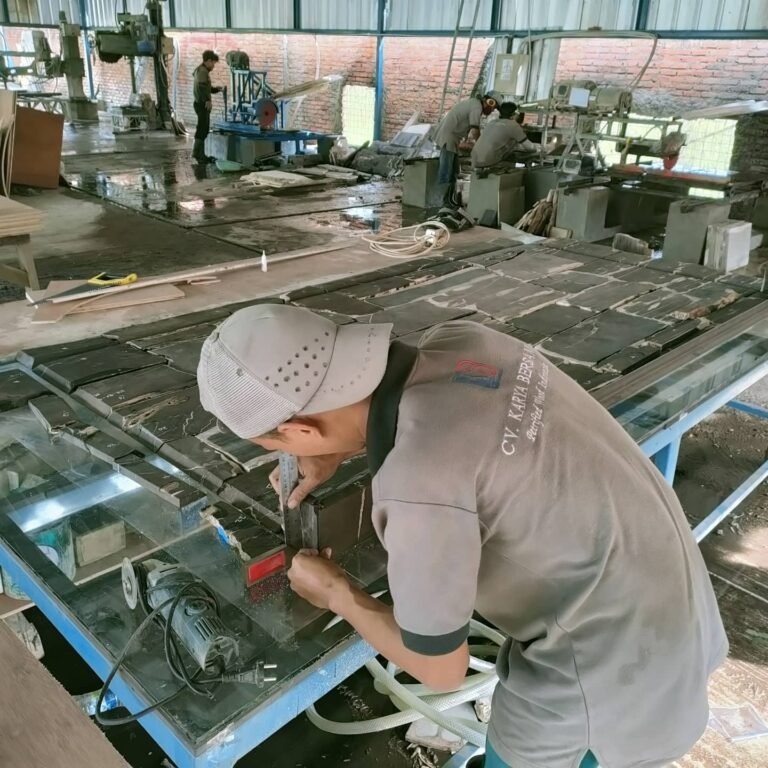
When professionals cut, polish, and finish raw petrified wood, they work around these features. High-quality craftsmanship involves filling significant gaps with natural resins or matching stone dust to ensure the structural integrity of the piece while preserving the aesthetic appeal of these natural lines.
Distinguishing Natural Features from Structural Damage
Discerning between an inherent aesthetic feature and a structural compromise is a skill that comes with experience. Here is how you can evaluate the quality of a piece:
- Surface Texture: If a crack feels smooth and polished, it is likely a natural inclusion that was stabilized during the finishing process.
- Coloration: Natural cracks often contain different mineral deposits, such as iron or manganese, which show up as contrasting colors within the fissure. This adds to the beauty of the piece.
- Stability: A professional supplier will ensure that even pieces with natural voids are stabilized so they do not grow over time. If a piece feels solid and the ‘crack’ does not show signs of flaking or loose edges, it is typically a stable, natural characteristic.
Are These Imperfections a Concern for Buyers?
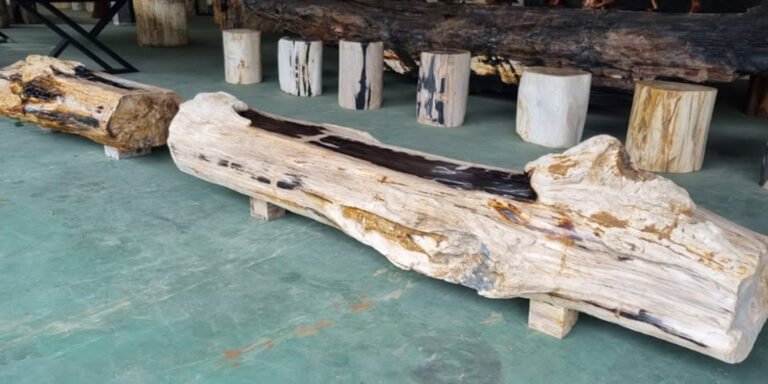
Many high-end buyers actually seek out pieces with distinct natural features. These fissures often showcase the internal grain patterns that are otherwise invisible. Learning how to understand the grain patterns of petrified wood allows you to appreciate how these cracks often follow the natural growth lines of the ancient tree. Rather than viewing them as flaws, consider them as evidence of the material’s authenticity.
When purchasing for large-scale projects, such as luxury dining tables or architectural slabs, communication with your supplier is key. Ask about the filling techniques used. A reputable manufacturer will disclose any stabilization work performed, ensuring you know exactly what you are investing in.
Maintaining Your Petrified Wood
Because petrified wood is essentially stone, it is extremely low-maintenance. Regardless of whether a piece has natural fissures, simple care routines will keep it looking pristine for generations. Use a soft, damp cloth for regular cleaning and avoid harsh chemicals. The density of the material makes it highly resistant to everyday wear, and natural inclusions do not weaken the long-term utility of the furniture or decor.
Conclusion
Natural cracks are part of the allure of authentic Indonesian petrified wood. They are physical reminders of the millions of years of geological history locked within the stone. By choosing to embrace these features, you add a layer of depth and character to your interior spaces that mass-produced materials simply cannot replicate.
Are you looking for premium-quality, professionally finished petrified wood for your next project? Contact the Java Petrifiedwood team today to discuss our current inventory and learn more about our commitment to sourcing and craftsmanship excellence.