Why Every Piece of Petrified Wood Is Different
The Allure of Individuality in Petrified Wood
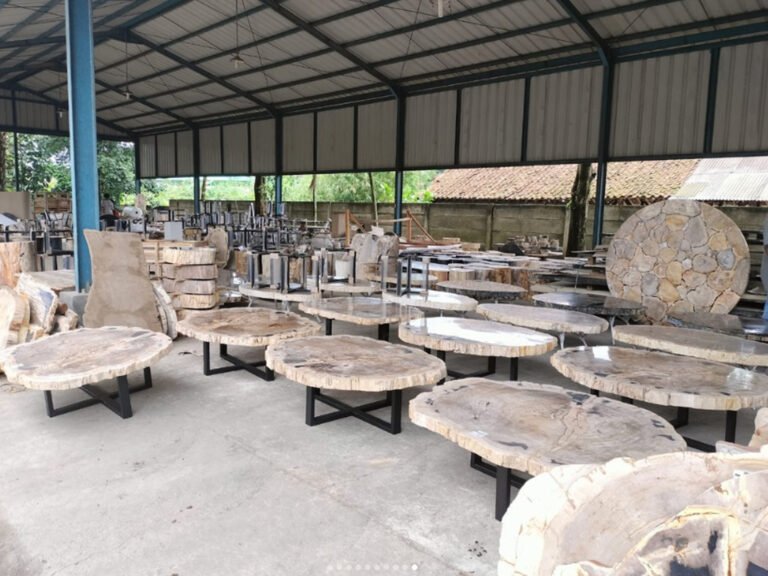
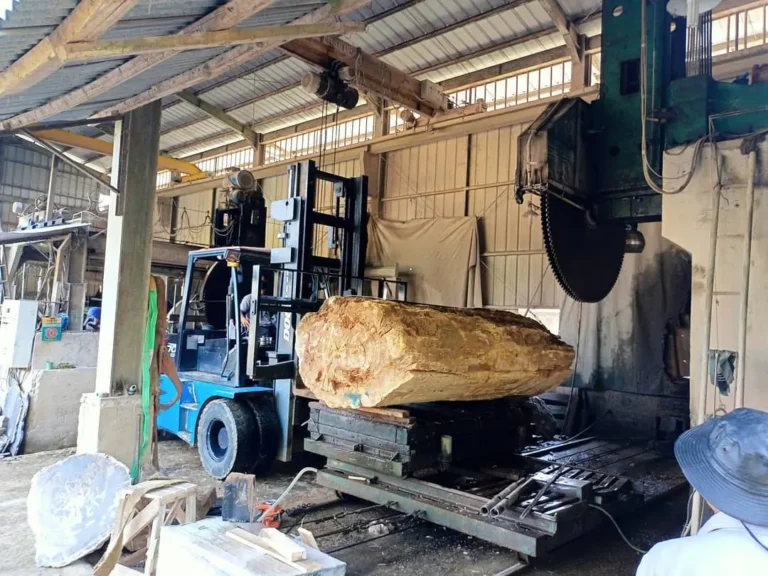
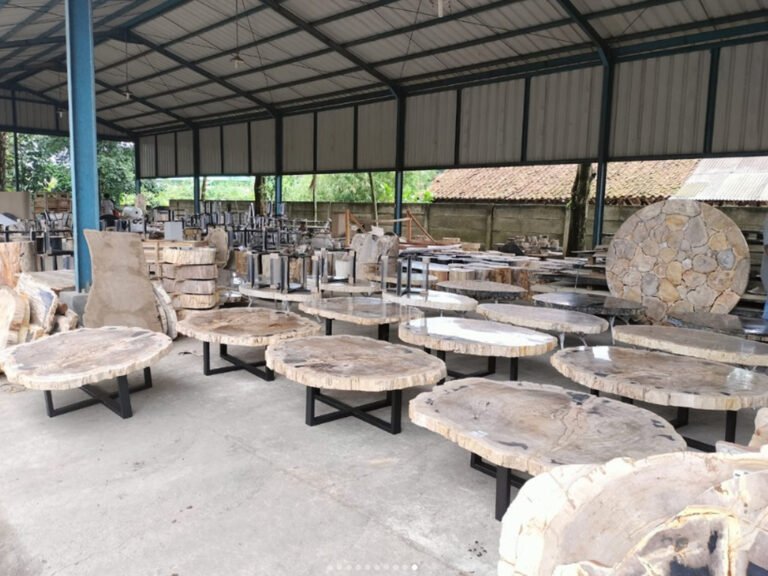
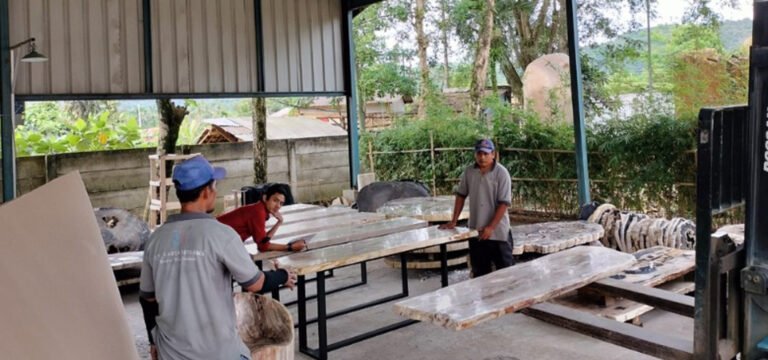
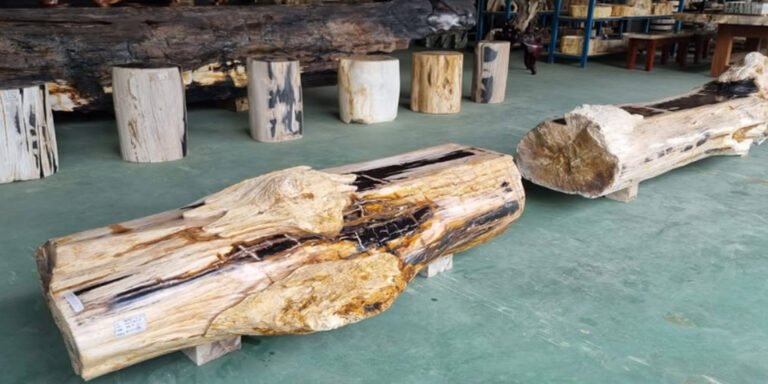
For collectors, interior designers, and luxury furniture enthusiasts, petrified wood holds an unmatched appeal. One of the most common questions we receive at Java Petrifiedwood is: why does every single piece look so distinct? Whether you are looking at a polished slab, a raw log, or a custom-made pedestal, no two specimens are ever identical. This individuality is not a result of human intervention; it is a masterpiece of geological time.
To truly appreciate these pieces, one must understand that petrified wood is the result of a long, complex process of fossilization where organic matter is replaced by minerals at a cellular level. As we explore in our guide on how minerals replace organic wood during fossilization, this chemical replacement is subject to countless environmental variables, each leaving a permanent mark on the finished stone.
The Role of Ancient Botany
The journey of a piece of petrified wood begins in an ancient forest. Different species of trees have different internal structures, densities, and grain orientations. When these ancient trees were buried under layers of volcanic ash or sediment, their original botanical characteristics—such as the tight rings of a hardwood or the wider structure of a conifer—formed the initial blueprint for the fossil. Because the natural world is not uniform, the growth patterns of these ancient forests were inherently varied, contributing to the first layer of uniqueness in every specimen.
Mineral Composition and Color Variation
The most striking reason for the diversity in petrified wood is the mineral-rich groundwater that seeps through the burial site. As silica, iron, manganese, and other minerals permeate the wood, they act as pigments. The specific concentration of these minerals depends on the local geological conditions, which can change within just a few meters of distance. This is why you might find one piece with deep black obsidian-like tones and another nearby filled with vibrant reds or yellows. For a deeper look at how these elements influence appearance, read about why Indonesian petrified wood has different colors and patterns.
Geological Pressure and Movement
The earth is constantly shifting, and tectonic activity plays a crucial role in how a piece of petrified wood finally appears when it is uncovered. Throughout millions of years, pressure and heat can cause the material to fracture, heal, and compress in unpredictable ways. This creates unique features like agate-filled cracks, quartz crystal pockets, or distorted grain patterns that have been twisted by geological stress. These “imperfections” are often the most prized features for high-end decor, as they prove the natural origin of the stone.
Why This Matters for Your Project
When selecting pieces for interior design or furniture, understanding this inherent diversity is essential. You are not just buying a piece of wood or stone; you are acquiring a unique geological timeline. Whether you are interested in petrified wood slab tables or smaller decorative items, the fact that no two pieces are the same ensures that your home will feature a one-of-a-kind masterpiece that cannot be replicated.
Key Factors That Influence Uniqueness:
- Species Origin: The original wood grain of the ancient tree.
- Mineral Seepage: The chemical makeup of groundwater during the fossilization process.
- Geological Stress: The amount of pressure and seismic activity the wood endured.
- Age: The duration of the permineralization process.
Frequently Asked Questions
Can I find two pieces of petrified wood that match perfectly?
Because petrified wood is a natural product, it is impossible to find two pieces that are identical in color, grain, or mineral composition. While we can select pieces that have similar aesthetics or come from the same site to create a cohesive look, every specimen remains unique.
Does the location where the wood was found change its appearance?
Yes. Different regions in Indonesia have different volcanic histories and mineral soil profiles, which leads to distinct color palettes and fossilization quality in the wood found in those specific areas.
Is the uniqueness of a piece a sign of its quality?
Yes, often the most unique pieces—those with rare color combinations or crystal inclusions—are highly sought after by collectors and command a higher value in the market.
Find Your Unique Masterpiece
At Java Petrifiedwood, we take pride in sourcing and processing only the finest, most unique Indonesian petrified wood. Whether you are a designer searching for a standout centerpiece or a collector looking for a rare addition, we invite you to explore our collection of hand-finished, high-quality specimens. Contact us today to learn more about our current inventory and how we can help you select the perfect, one-of-a-kind piece for your space.