Petrified Wood Slab Prices in Indonesia
Understanding Petrified Wood Slab Prices in Indonesia
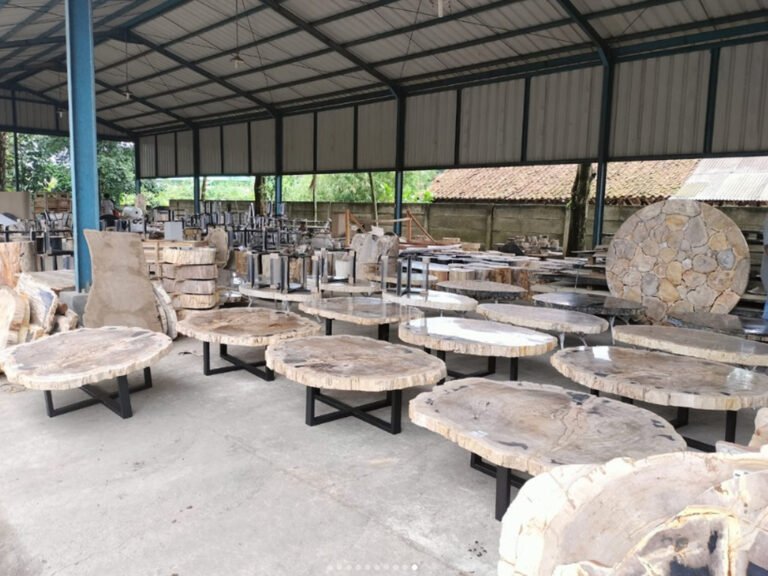
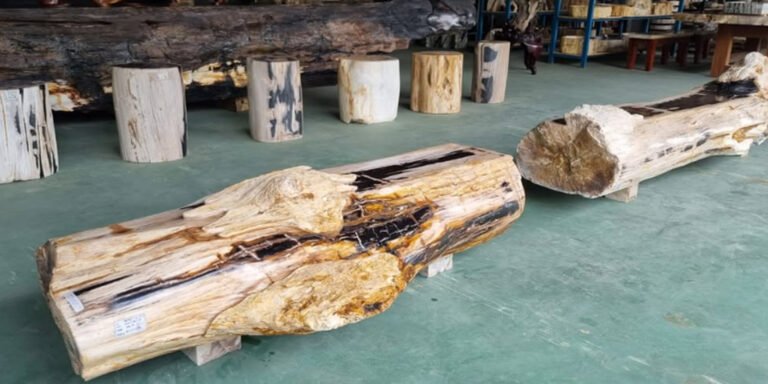
For interior designers, collectors, and furniture retailers, sourcing materials from Indonesia often leads to the question: why does the cost of petrified wood vary so significantly? Determining petrified wood slab prices in Indonesia requires an understanding that these items are not mass-produced commodities, but rather unique geological artifacts. Each slab represents millions of years of mineralization, making every piece distinct in its aesthetic and structural properties.
When you explore the market, you will notice that prices are rarely standardized. Instead, they fluctuate based on a variety of technical and aesthetic criteria. By familiarizing yourself with the core factors that impact these costs, you can make more informed decisions during the procurement process.
Key Determinants of Pricing
Several variables contribute to the final price tag of a fossilized wood slab. Understanding these will help you gauge whether the asking price reflects the true quality of the material:
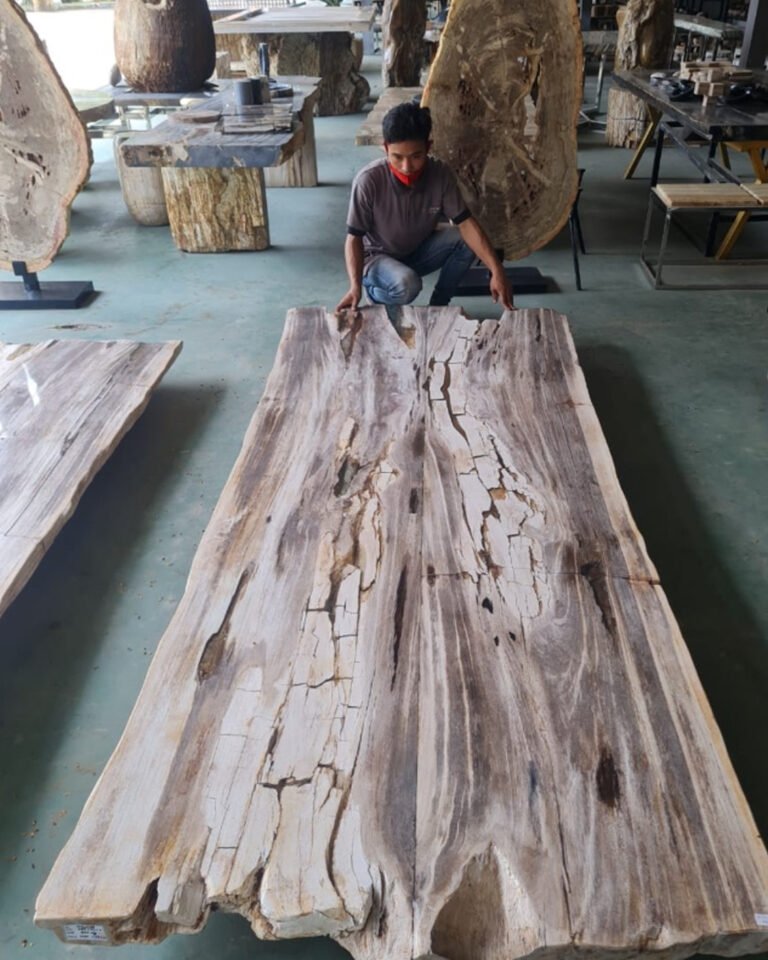
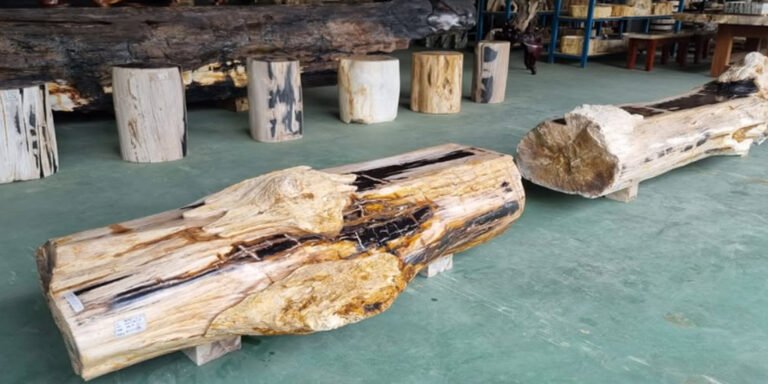
- Dimensions and Thickness: Larger, continuous slabs are significantly rarer than smaller sections, which drives up the price due to the difficulty of sourcing and processing large, unbroken logs.
- Color Intensity and Rarity: While brown and black are common, slabs featuring vibrant reds, yellows, or rare inclusions often command a premium. You can learn more about how size, color, pattern, and density affect petrified wood value to better understand your investment.
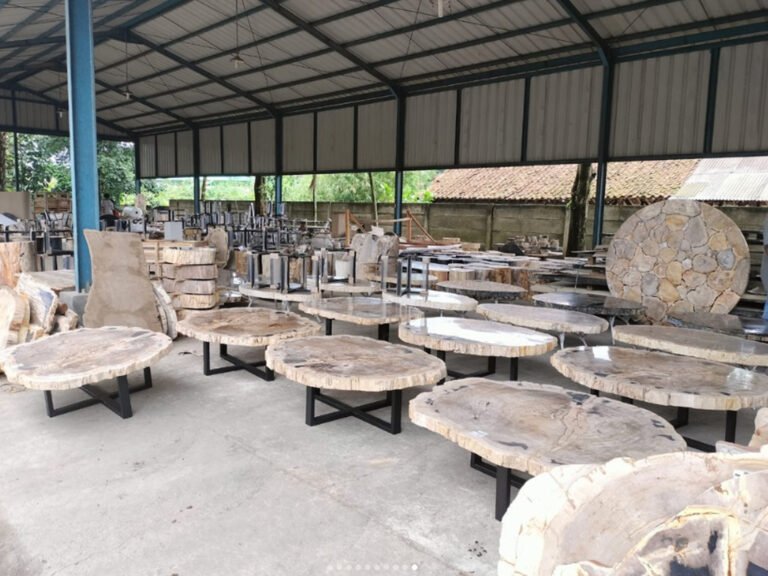
- Surface Quality: The skill involved in cutting and polishing a slab is immense. A perfectly flat, mirror-polished surface requires advanced machinery and artisanal expertise, which adds to the labor cost.
- Structural Integrity: Slabs that require minimal restoration (filling of natural voids or cracks) are generally more expensive because they showcase the stone’s original, pristine state.
The Role of Processing and Finishing
The price of a slab is not just about the raw material; it is about the transformation from a rough fossil log into a functional piece of art. How petrified wood is cut, polished, and finished significantly impacts the final value. A slab that has been stabilized and polished to a high-gloss finish will naturally be priced higher than a raw, unfinished piece. Furthermore, professional suppliers in Indonesia invest heavily in export-grade packaging to ensure these heavy items arrive at their destination without damage, which is a cost factor often overlooked by first-time buyers.
Strategic Sourcing for International Buyers
If you are looking to purchase slabs for commercial projects or retail, it is essential to work with reputable manufacturers who prioritize transparency. The market for Indonesian petrified wood wholesale prices is complex, but working directly with established suppliers ensures that you are receiving authentic products that meet high quality and durability standards. Avoid choosing based on the lowest price alone, as this can often lead to purchasing inferior material that may crack or crumble over time.
Conclusion
Investing in Indonesian petrified wood is about more than just buying a table or a decorative piece; it is about acquiring a piece of natural history. By focusing on the craftsmanship, the quality of the mineral replacement, and the reputation of the supplier, you ensure that your investment maintains its beauty and value for generations to come.
Are you looking for premium-grade slabs for your next project? At Java Petrifiedwood, we specialize in sourcing and finishing the finest fossilized wood from the Indonesian archipelago. Contact us today to discuss your specific requirements and receive professional guidance on selecting the perfect piece.