Petrified Wood Value: Size, Color, Pattern, and Density
Understanding What Drives Petrified Wood Value
For collectors, designers, and enthusiasts, understanding the intrinsic worth of a geological masterpiece like petrified wood is essential. While every piece tells a story of millions of years of transformation, not all specimens are valued equally in the international market. The value of petrified wood is determined by a complex interplay of physical and aesthetic attributes, primarily size, color, pattern, and density.
Indonesian petrified wood, in particular, is highly sought after due to its incredible mineral diversity and unique preservation. When evaluating a piece, industry professionals look beyond the surface to understand the geological and craftsmanship factors that elevate a raw fossil into a premium investment-grade item.
The Role of Size in Appraisal
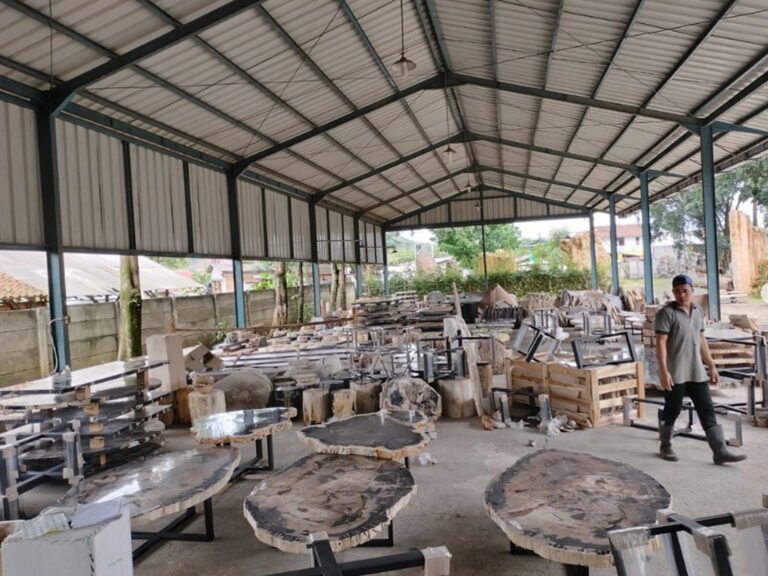
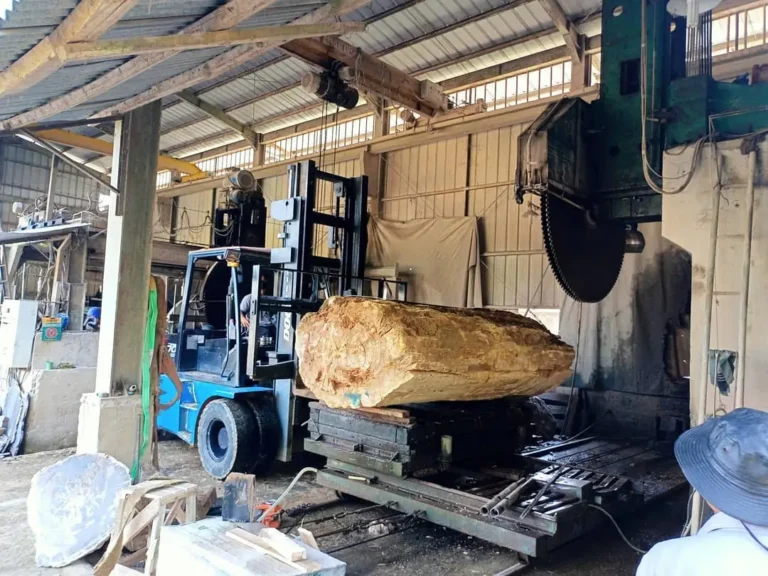
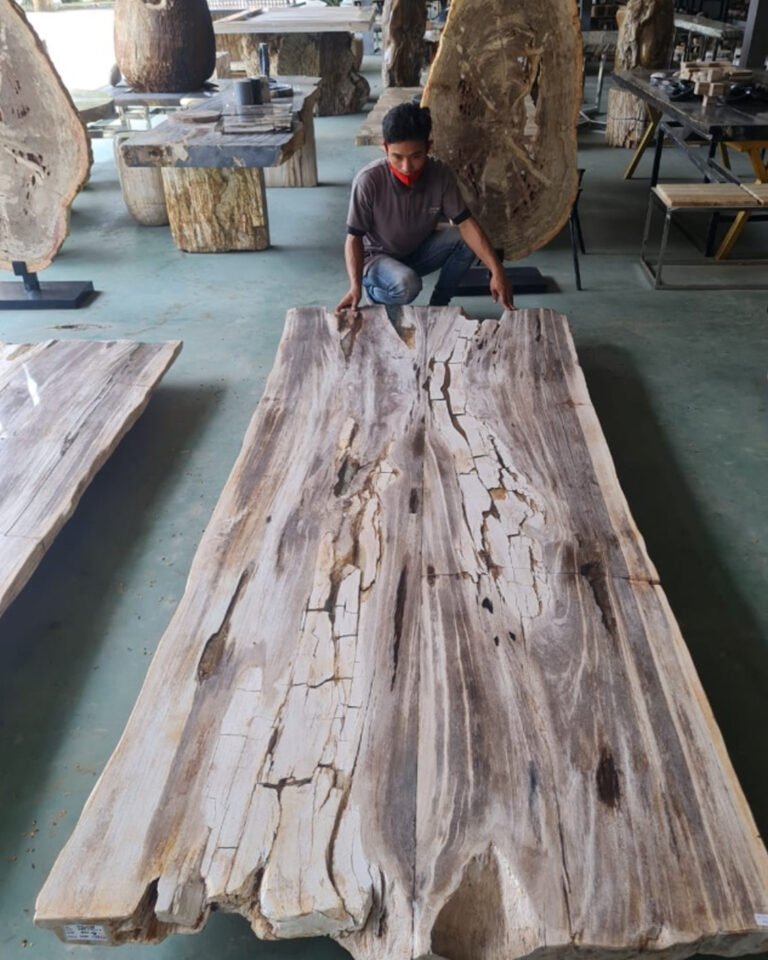
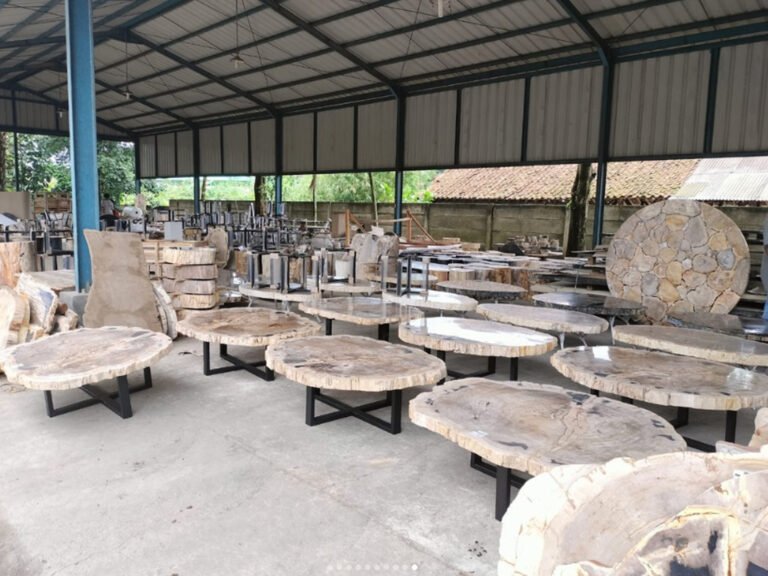
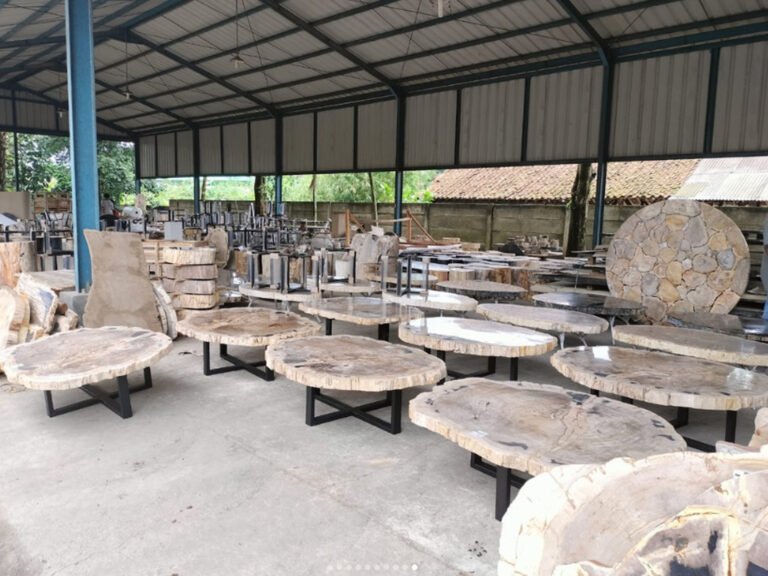
In the world of fossilized wood, size often dictates application and rarity. Large, unbroken logs or massive slabs are significantly harder to find and even more difficult to extract and process without damage. A monolithic piece that retains its structural integrity over a large surface area command a premium price because it can be used for high-end furniture, such as petrified wood coffee tables or statement centerpieces.
Color and Patterns: The Aesthetic Premium
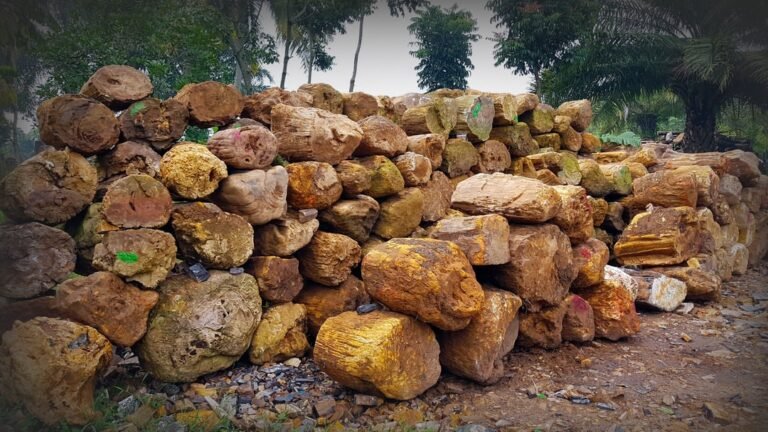
The visual appeal of petrified wood is perhaps the most immediate factor for buyers. During the petrification process, minerals such as iron, manganese, and copper replace organic material, creating a vibrant palette of colors. While common brown or grey specimens are beautiful, rare color combinations significantly increase a piece’s value.
- Vibrant Hues: Specimens displaying blues, deep reds, or multi-colored interiors are considered rare and command higher prices.
- Intricate Grain Patterns: The clarity of the original tree ring structures, knots, and bark textures adds to the artistic value. A well-defined, intricate pattern suggests a high level of mineral replacement and distinct geological history.
Understanding these variables helps collectors determine how to grade Indonesian petrified wood effectively. The more vivid the color and the more distinct the pattern, the more likely the piece is to be categorized as a collector’s grade.
The Importance of Density and Quality
Density is a hallmark of high-quality fossilized wood. A dense, well-petrified specimen feels heavy and solid, indicating that the organic fibers were thoroughly replaced by silica or other minerals over millions of years. High density typically results in a superior finish during the polishing process, allowing the stone to achieve a glass-like luster.
If a piece has significant voids, soft spots, or extensive fracturing, its structural stability is compromised, which lowers its value. When sourcing or purchasing, it is important to understand that while natural characteristics like natural cracks in petrified wood are normal, extreme fragility is a sign of lower quality.
Summary of Valuation Factors
| Factor | Value Driver |
|---|---|
| Size | Large, intact slabs are rare and preferred for luxury furniture. |
| Color | Vivid, rare, and high-contrast colors increase aesthetic value. |
| Pattern | Visible growth rings and unique inclusions enhance visual interest. |
| Density | High mineral density allows for better polishing and longevity. |
Conclusion: Selecting Your Petrified Wood
Investing in petrified wood is an investment in natural history. Whether you are looking for a singular decorative accent or high-quality material for a commercial project, balancing these four factors will ensure you choose the best pieces. If you are seeking premium-grade materials, Java Petrifiedwood offers a wide selection of ethically sourced and masterfully finished items that cater to international design standards. Contact us today to learn more about our collection and how we can support your specific project requirements.