Why Some Petrified Wood Pieces Are More Expensive Than Others
The Value Behind Petrified Wood: Understanding Price Variation
For collectors, designers, and luxury furniture enthusiasts, petrified wood is more than just a decorative element; it is a piece of geological history. However, when exploring the market, you may notice significant price disparities between two seemingly similar pieces. Understanding why some petrified wood pieces are more expensive than others requires a look at the interplay between natural rarity, technical processing, and the aesthetic appeal of the final product.
Petrified wood pricing is rarely arbitrary. It is a reflection of a complex journey that begins millions of years ago and culminates in the hands of skilled artisans. If you are curious about what defines the worth of these organic stone treasures, consider these primary factors.
The Role of Geological Rarity and Coloration
One of the most significant factors influencing price is the visual quality of the specimen. While most petrified wood is brown or grey, exceptional pieces feature vibrant, rare colors caused by specific mineral deposits during the fossilization process. Pieces containing high concentrations of quartz, chalcedony, or rare mineral inclusions exhibit a glassy luster and a vibrant color palette, which significantly increases their market value.
As discussed in our guide on multicolor petrified wood from Indonesia, specimens that feature a rainbow of hues or intense saturation are highly sought after by collectors. The more unique the color pattern, the more expensive the piece typically becomes due to the scarcity of such high-grade specimens in their natural state.
Size, Shape, and Structural Integrity
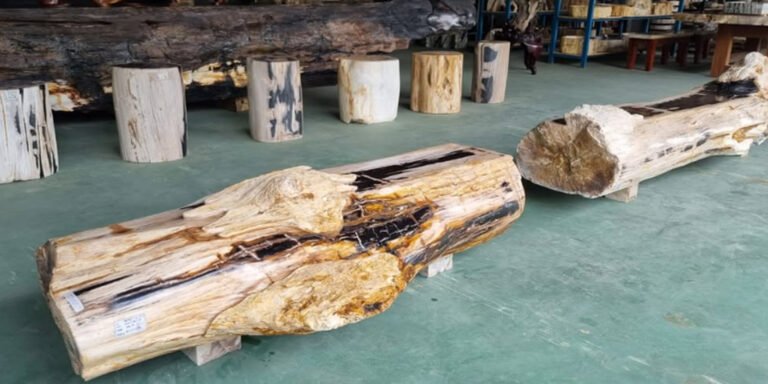
The physical dimensions of a piece are an obvious driver of cost, but it is not just about size; it is about the shape and the condition of the fossil. A large, intact log or a perfectly sliced, massive slab is significantly harder to source and process than smaller fragments. Large slabs often require specialized machinery and extreme care during the cutting phase to avoid structural failure.
Furthermore, when assessing what makes a premium petrified wood slab, buyers must consider the integrity of the piece. Specimens that are free from major fissures or artificial fillers command higher prices. The cost reflects the difficulty of finding a large, high-quality, and crack-free specimen that can stand the test of time as a functional piece of furniture.
Processing, Finishing, and Craftsmanship
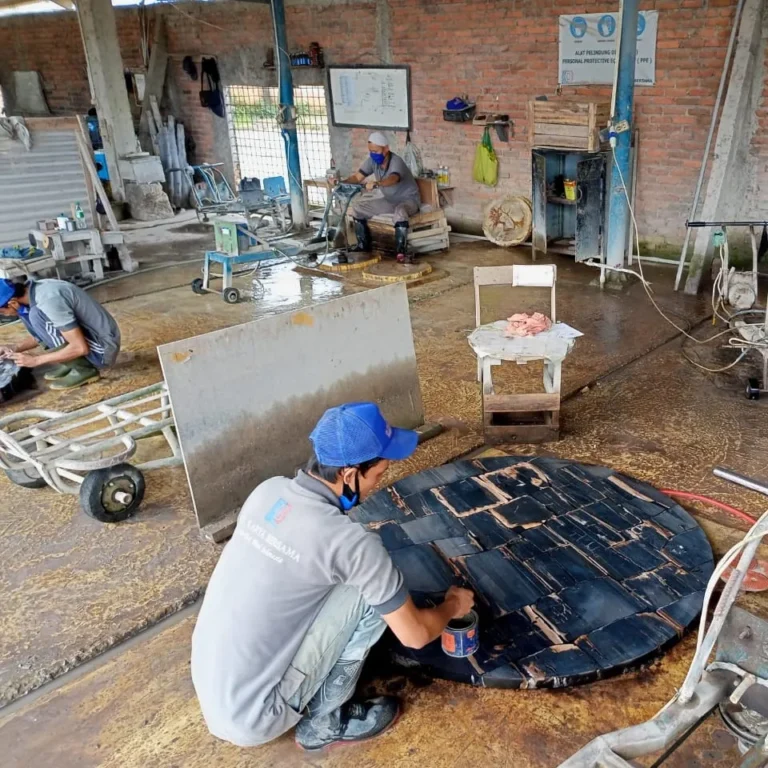
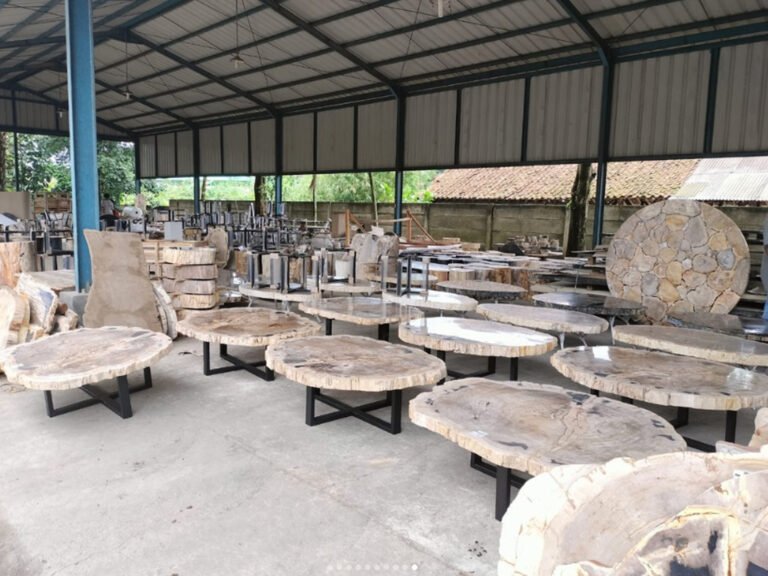
Beyond the raw geological value, the amount of labor invested into the piece is a major component of its final price tag. Transforming a rugged, naturally found log into a polished interior masterpiece involves intensive labor. Cutting, grinding, and polishing petrified wood is a difficult task due to the material’s extreme hardness.
Artisans must use diamond-tipped tools and spend countless hours achieving a mirror-like finish. As noted in our overview of how petrified wood is cut, polished, and finished, the level of precision in the final surface reflects the expertise of the workshop. A perfectly polished piece that reveals the intricate details of the ancient wood grain without sacrificing the natural beauty of the stone is a hallmark of high-end craftsmanship.
The Impact of Global Demand and Sourcing
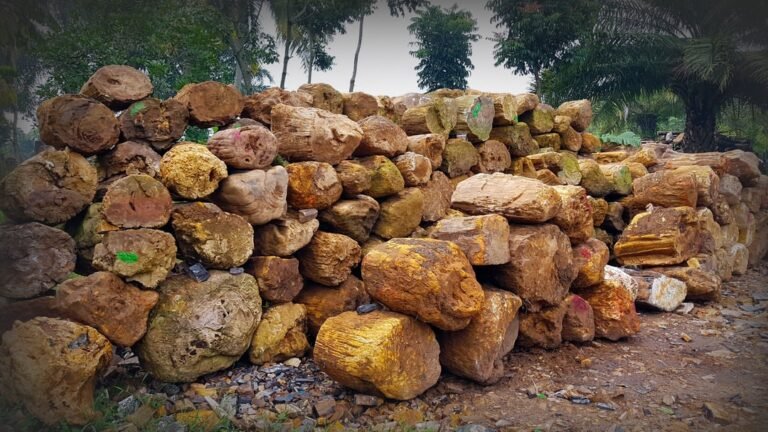
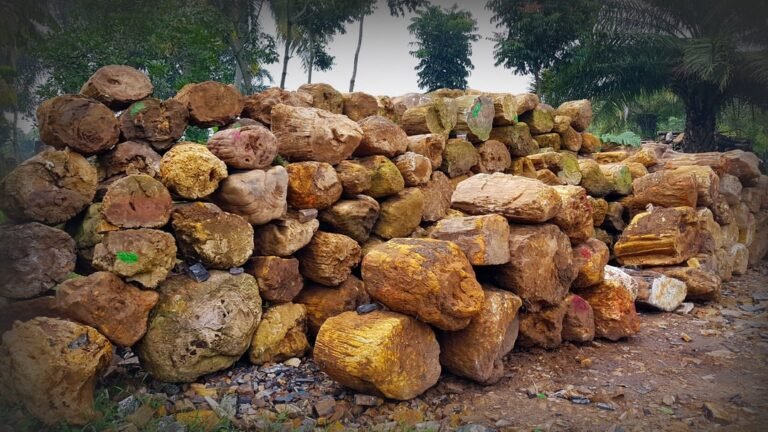
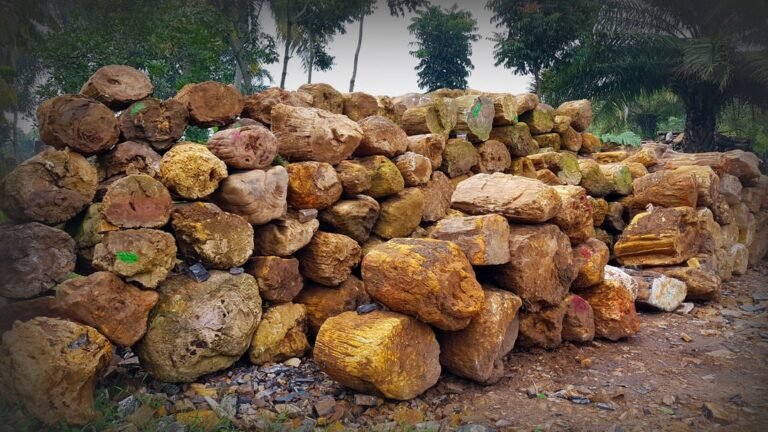
Finally, market logistics play a crucial role. Sourcing authentic, high-quality material from remote regions in Indonesia requires extensive logistics and ethical considerations. The rarity of specific deposit types, combined with the costs of export documentation and safe international shipping for heavy, fragile items, contributes to the overall investment value of the product.
When you purchase from a reputable source, you are not just paying for the stone; you are paying for the security of knowing the piece has been professionally handled, graded, and prepared for its journey to your home.
Conclusion
If you are looking to invest in a statement piece for your home or project, prioritize quality over price. Whether it is the mesmerizing color patterns or the sheer scale of the piece, the most expensive items are often those that exhibit the rarest combinations of geological history and expert human finishing. At Java Petrifiedwood, we specialize in selecting and processing the finest specimens for our clients worldwide.
Are you ready to find the perfect piece for your collection? Explore our curated selection of premium petrified wood products and discover the unique beauty that only millions of years can create.