
Multicolor Petrified Wood from Indonesia Explained
The Allure of Multicolor Petrified Wood from Indonesia
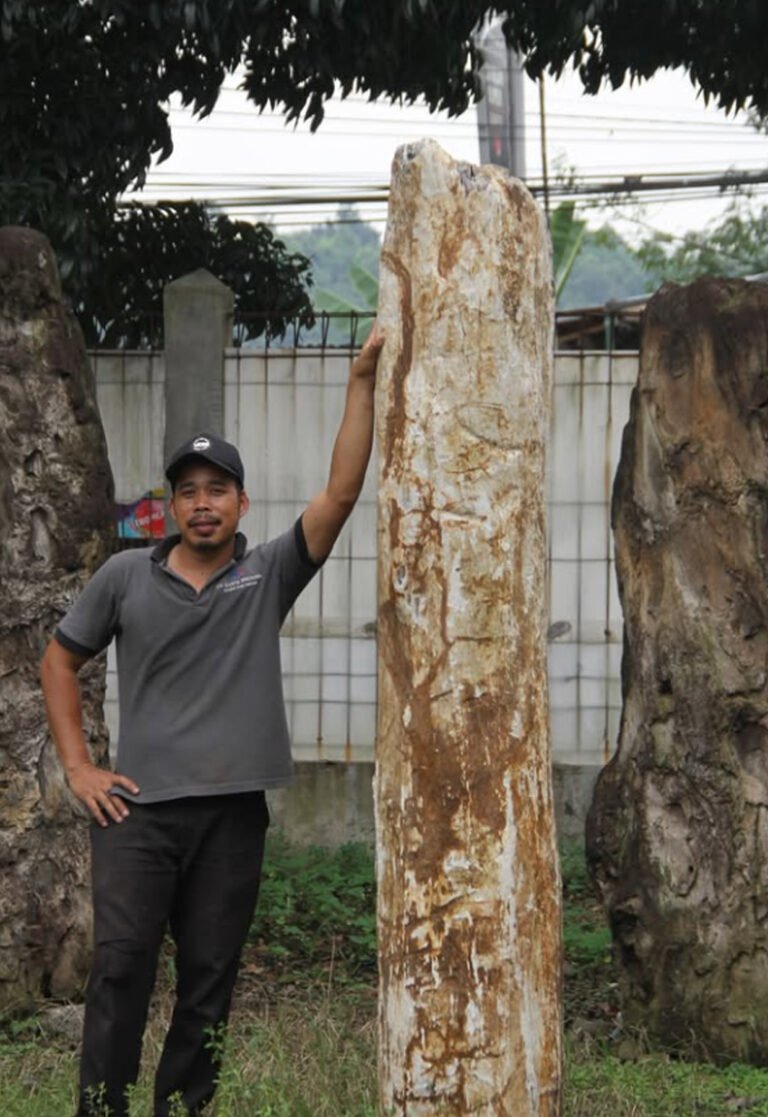
Indonesia is globally recognized as one of the most prolific sources of high-quality fossilized wood. Among the various types discovered, multicolor petrified wood from Indonesia stands out as a true masterpiece of nature. These unique specimens feature a vibrant spectrum of colors captured within the petrified remains of ancient trees, creating aesthetic patterns that are impossible to replicate in synthetic materials.
Unlike monochromatic fossils, multicolor specimens result from a complex interaction between organic material and a variety of mineral-rich groundwater over millions of years. Understanding why Indonesian petrified wood has different colors and patterns is essential for collectors and designers who want to appreciate the geological journey of these stones.
How Natural Colors Are Formed
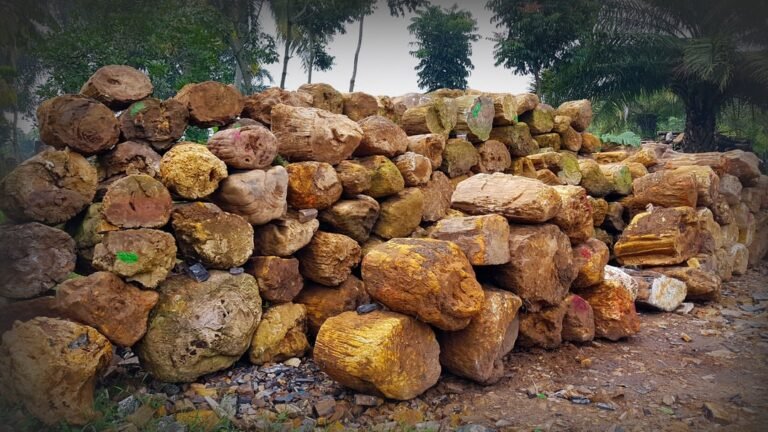
The breathtaking colors found in Indonesian petrified wood are a direct reflection of the chemical elements present during the fossilization process. As organic matter decomposes, minerals infiltrate the cell structures, essentially turning wood into stone through a process known as permineralization.
- Iron oxides: Often responsible for shades of red, orange, and yellow.
- Manganese and Cobalt: Frequently create deep blues and purples.
- Copper and Chromium: Can contribute to green hues.
- Carbon: Typically results in dramatic black or charcoal gray patterns.
When multiple minerals are present within the same deposit, the resulting specimen displays a swirling mixture of these colors, leading to the highly prized multicolor variety. This natural variation is exactly what makes what gives petrified wood its natural colors, transforming a simple trunk into a piece of geological art.
Why Designers Seek Out Multicolor Specimens
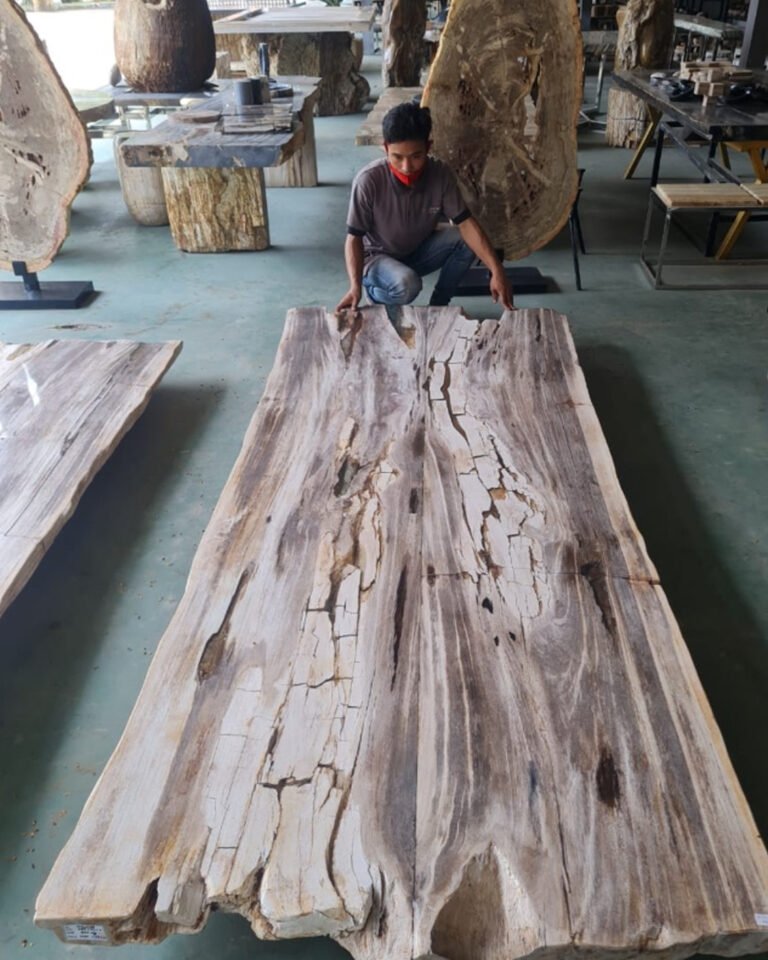
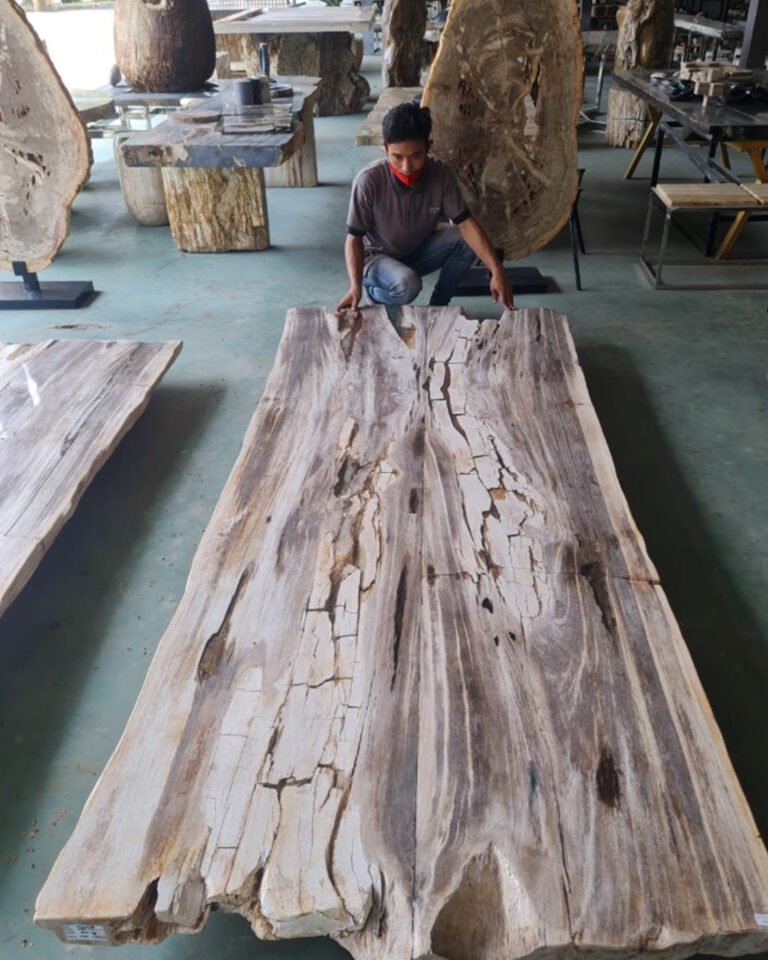
In the world of interior design and luxury architecture, multicolor petrified wood is in high demand for its ability to serve as a focal point. Because each piece is unique, designers often use these slabs for statement furniture, such as coffee tables, kitchen islands, or custom art installations. The contrast between the organic, wood-like grain and the vibrant mineral colors adds depth and luxury to any space.
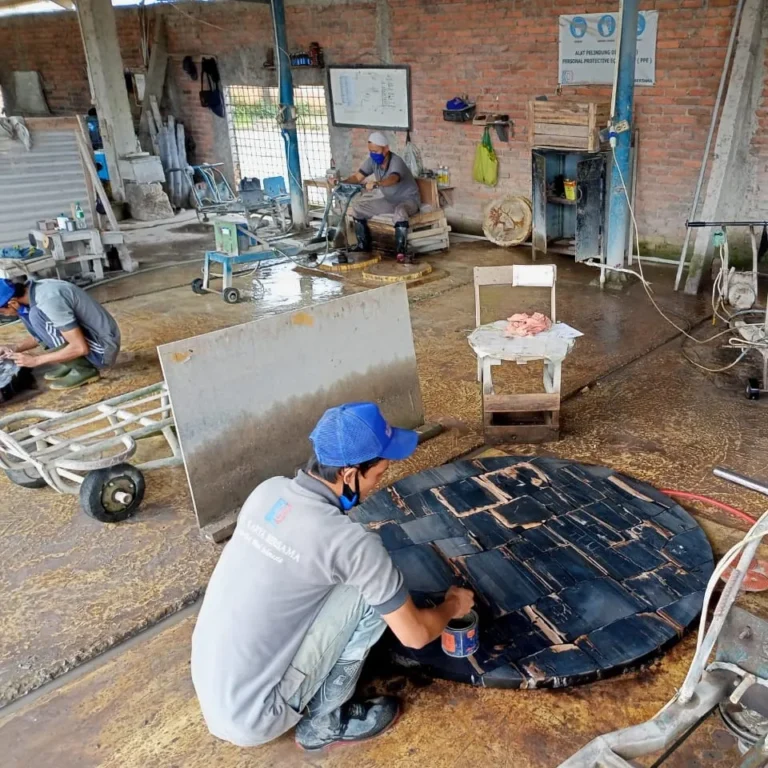
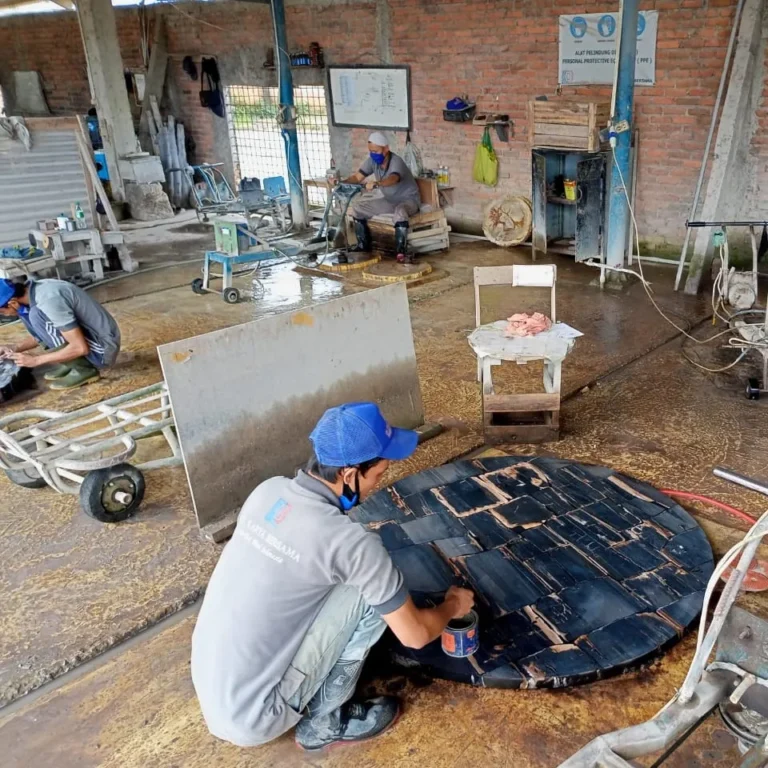
For those looking to incorporate these stones into their projects, it is important to understand the how petrified wood is cut, polished, and finished. Proper processing is required to reveal the hidden beauty of the multicolor layers, ensuring that the stone’s natural luster and intricate patterns are fully visible for high-end applications.
Practical Tips for Collectors
When evaluating multicolor petrified wood, collectors should look for crisp, distinct color transitions and high mineral density. Quality specimens are often heavy and exhibit a glass-like finish when properly polished. If you are a buyer or a decorator, always consider the setting where the stone will be displayed. Direct sunlight can highlight the vivid colors, while subtle ambient lighting can emphasize the deep, earthy tones of the mineral inclusions.
Conclusion
Multicolor petrified wood from Indonesia is more than just a decorative material; it is a permanent record of Earth’s ancient geological activity. Its vibrant hues and complex patterns continue to inspire designers, architects, and collectors worldwide. Whether used in furniture or as a centerpiece, these stones provide a timeless connection to the past.
Are you looking for a unique, one-of-a-kind piece to enhance your interior design project? At Java Petrifiedwood, we specialize in high-quality, ethically sourced, and expertly finished Indonesian petrified wood. Contact our team today to explore our current collection and find the perfect multicolor specimen for your home or business.