
What Gives Petrified Wood Its Natural Colors?
The Science Behind the Vibrant Palette of Petrified Wood
One of the most captivating aspects of petrified wood is its incredible spectrum of colors. From deep, earthy browns and blacks to vibrant reds, oranges, yellows, and even subtle blues and greens, no two pieces are exactly alike. But have you ever wondered what gives petrified wood its natural colors? The answer lies in the intricate geological process that takes place over millions of years.
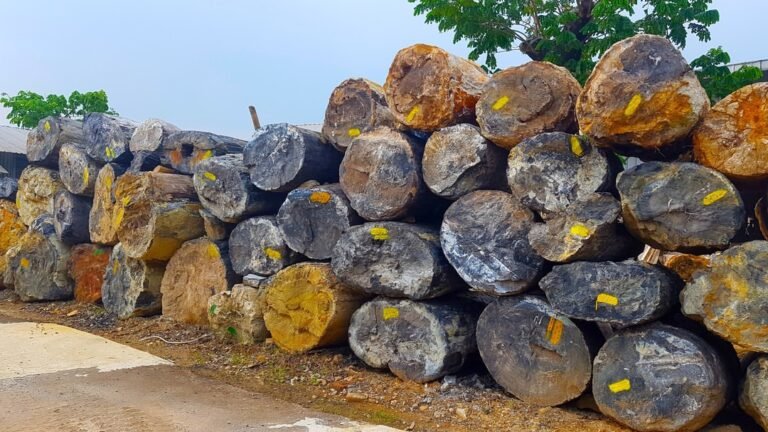
When an ancient tree is buried under volcanic ash or sediment, it is deprived of oxygen, which prevents it from rotting. Over time, groundwater rich in dissolved minerals seeps through the wood’s cellular structure, how minerals replace organic wood during fossilization is a process of slow infiltration where silica replaces the original organic material, eventually turning the wood into stone.
The Role of Trace Minerals in Coloration
The specific colors we see in a finished specimen are determined by the chemical composition of the minerals present in the groundwater at the time of burial. As these mineral-rich solutions flow through the wood, they act like natural dyes, staining the silica. Because Indonesian regions often feature high levels of volcanic activity, the soil composition is uniquely rich in diverse elements that contribute to these vibrant hues.
Common Minerals and Their Associated Colors
Different elements act as pigments, creating the distinct color profiles that collectors and designers love. Here is how various minerals influence the appearance of petrified wood:
| Mineral | Resulting Color(s) |
|---|---|
| Iron Oxides | Red, Brown, Yellow, Orange |
| Manganese | Black, Pink, Violet |
| Copper | Blue, Green |
| Carbon | Black, Grey |
| Cobalt | Blue |
Understanding these elements helps clarify what minerals are found in Indonesian petrified wood and why our material often showcases such dramatic contrast and depth. Iron, being one of the most abundant elements in the earth’s crust, is largely responsible for the most common warm tones found in many specimens.
Why Variation Exists Within a Single Piece
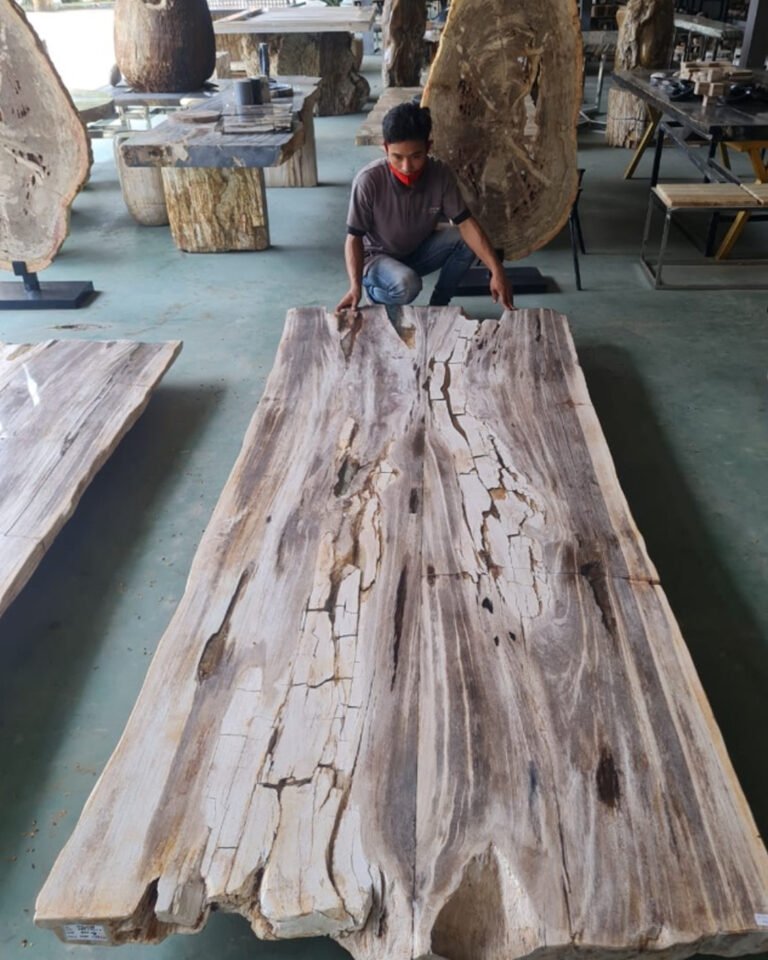
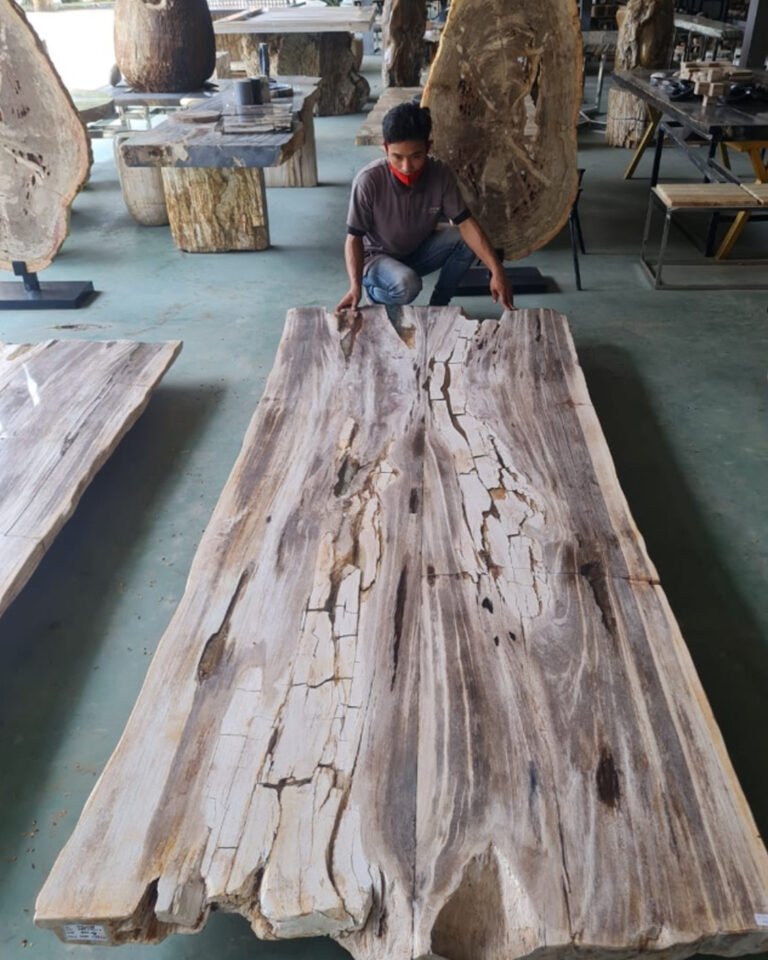
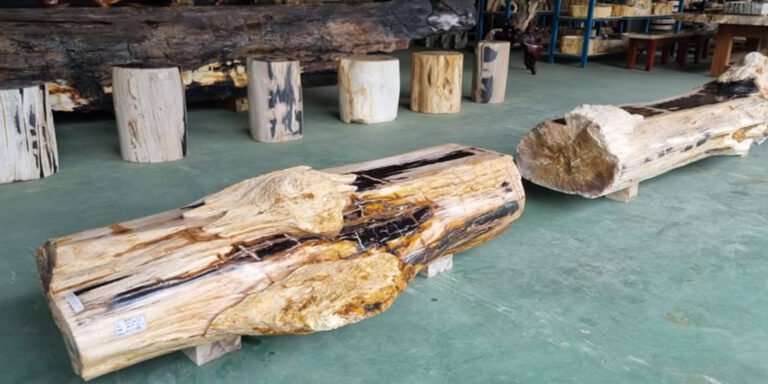
You may have noticed that a single slab of petrified wood often displays multiple colors, swirls, and bands. This happens because the groundwater composition is rarely static over the millions of years the fossilization process requires. As environmental conditions shifted, the mineral content of the water circulating through the tree changed, creating unique “growth rings” of color.
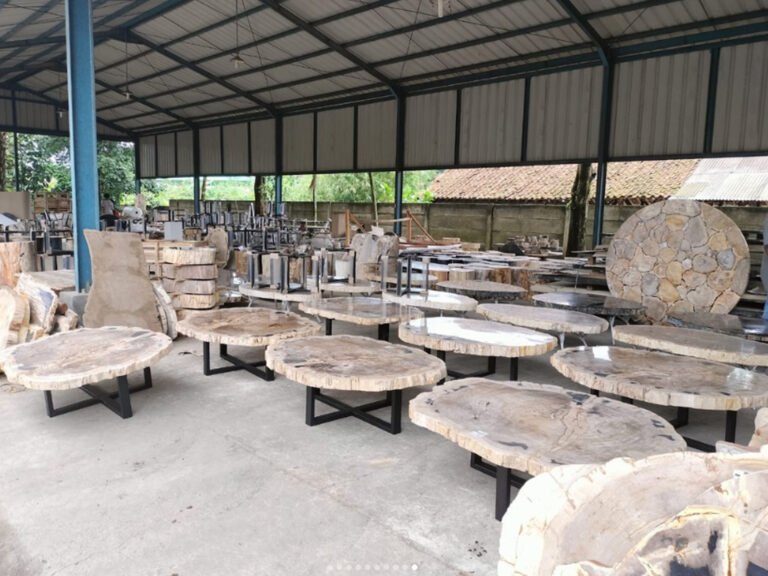
This natural artistry is why petrified wood is highly sought after for high-end interior design. When the wood is cut, polished, and finished, these internal colors are revealed in their full glory, transforming a piece of ancient history into a functional, aesthetic masterpiece. To learn more about the beauty and rarity of these pieces, you can explore why why Indonesia has some of the world’s most interesting petrified wood for luxury projects.
Maintaining the Beauty of Natural Colors
Once the fossilization process is complete and the wood is extracted, it requires expert craftsmanship to highlight its natural palette. At Java Petrifiedwood, we specialize in selecting only the finest raw materials and employing traditional polishing techniques to ensure the vibrant, natural colors of the stone remain intact for decades to come.
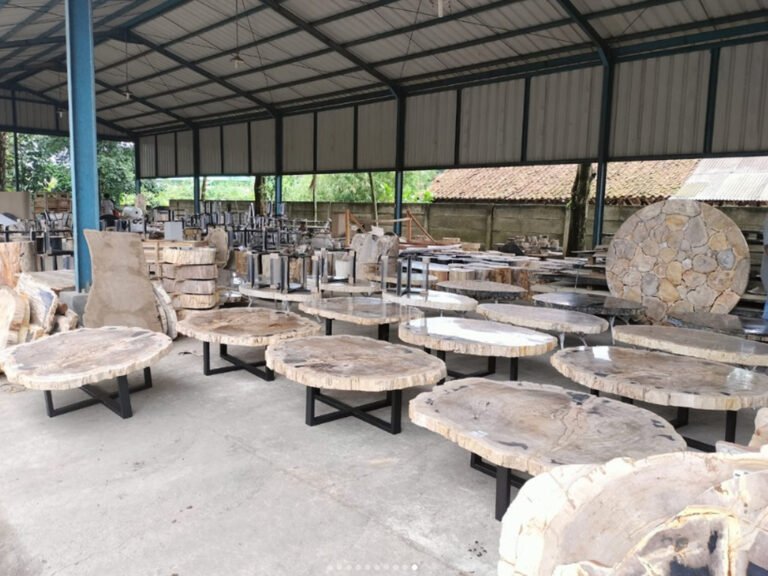
Whether you are looking for a statement coffee table or a unique sculpture, the colors in our inventory reflect the genuine geological history of the Indonesian landscape. If you are interested in sourcing premium pieces for your next project, our team is ready to assist you with a curated selection that fits your specific design requirements.
Frequently Asked Questions (FAQ)
- Are the colors in petrified wood natural?
Yes. All colors in authentic petrified wood are the result of natural mineral deposits that occurred during the fossilization process over millions of years. - Why does some petrified wood look like wood while others look like glass?
The appearance often depends on the type of minerals that replaced the wood. Chalcedony or quartz replacement often results in a more translucent, glassy look, while other minerals may maintain a more matte, opaque finish. - Does sunlight fade the colors of petrified wood?
No, petrified wood is extremely durable. Because it is essentially a stone (silica), it is resistant to UV radiation and will not fade like organic wood. - Can I find blue petrified wood?
Blue is one of the rarer colors, usually caused by traces of cobalt or copper. It is highly valued for its scarcity and aesthetic appeal in luxury decor.
Are you ready to enhance your space with the timeless beauty of authentic Indonesian petrified wood? Contact us at Java Petrifiedwood to view our latest collection and discover the perfect piece for your home or commercial design.