
Blue Petrified Wood from Indonesia: Is It Natural?
Understanding the Mystery of Blue Petrified Wood
For collectors and interior designers, the allure of Indonesian petrified wood lies in its incredible variety of colors and textures. Among these, blue hues are perhaps the most debated and sought after. Many prospective buyers often ask: is blue petrified wood from Indonesia natural? To answer this, we must look at the geological processes that transform ancient timber into stone.
Generally, the colors found in petrified wood are a direct result of the mineral-rich solutions that permeated the wood during the fossilization process. While iron, manganese, and carbon typically produce common colors like red, brown, and black, the presence of more specific trace elements can lead to rarer color variations.
The Science Behind Fossilized Wood Colors
The formation of petrified wood is a complex process where organic material is replaced by silica, quartz, or other minerals over millions of years. You can read more about how minerals replace organic wood during fossilization to understand the underlying geological mechanism. Because these minerals are deposited under varying conditions in different environments, the resulting spectrum is broad.
It is important to note that truly vibrant, solid blue petrified wood is exceptionally rare in nature. When people encounter specimens labeled as “blue,” they are often observing subtle, cool-toned tints—such as slate grey, muted teal, or faint cerulean—resulting from specific mineral inclusions like copper or trace amounts of cobalt. In most cases, these colors are muted, blending seamlessly into the wood’s natural grain and texture rather than appearing as a solid, artificial paint-like color.
Authenticity and Identification
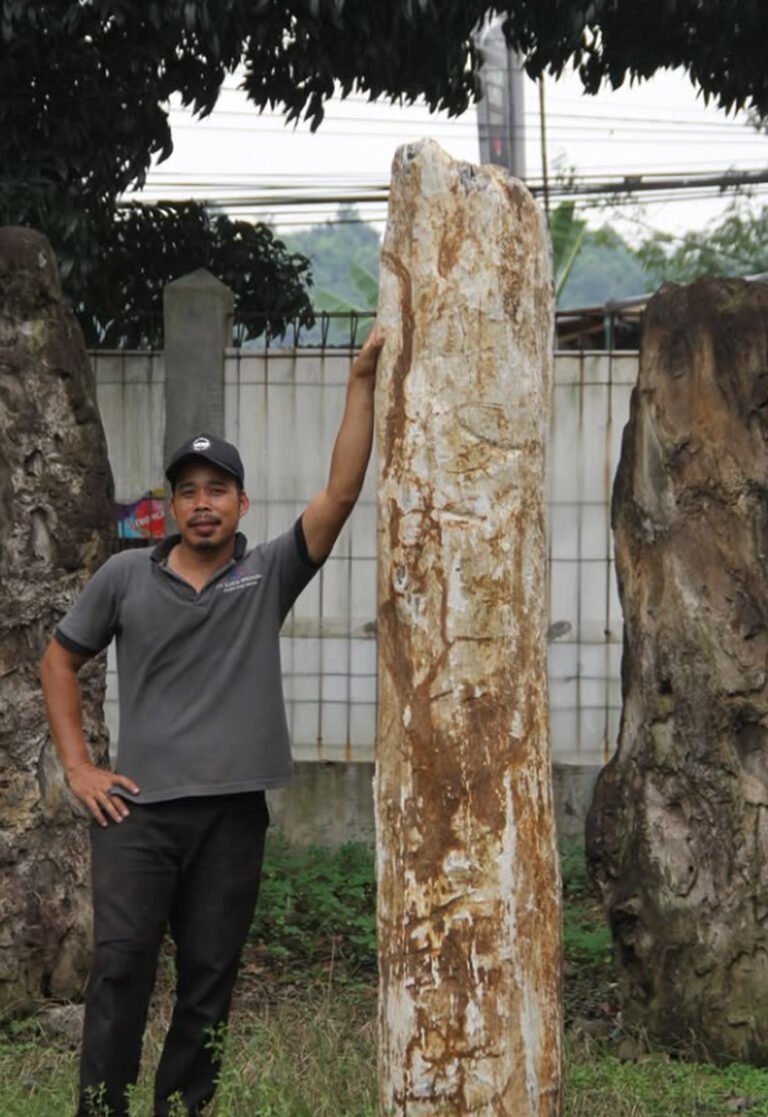
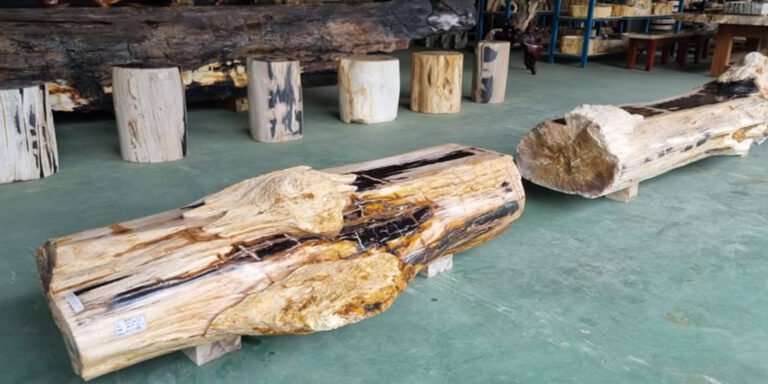
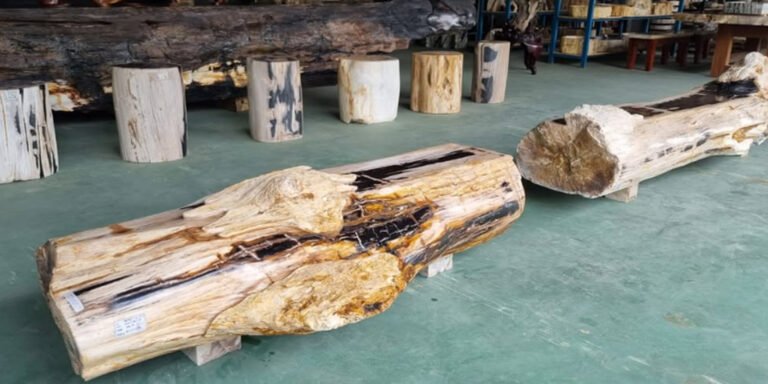
When purchasing rare colors of fossilized wood, it is essential to work with reputable suppliers. Authentic petrified wood will always show the cellular structure of the original tree—growth rings, knots, and bark textures should be visible upon close inspection. To learn more about identifying high-quality pieces, check out our guide on how to spot rare types of Indonesian petrified wood.
Key Indicators of Natural Petrified Wood:
- Weight and Density: Petrified wood is essentially stone. It should feel heavy and cold to the touch.
- Visible Grain: Even in dark or multi-colored specimens, the woody structure should remain discernable.
- Surface Imperfections: Natural fossils often feature small vugs (cavities) lined with quartz or agate crystals.
- Consistency: Natural coloring typically flows with the grain rather than sitting on top of the surface.
Applications in Interior Design
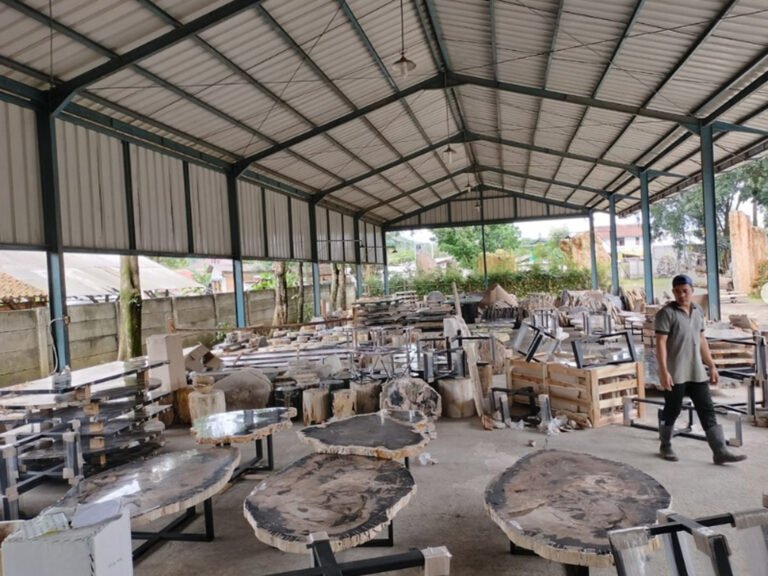
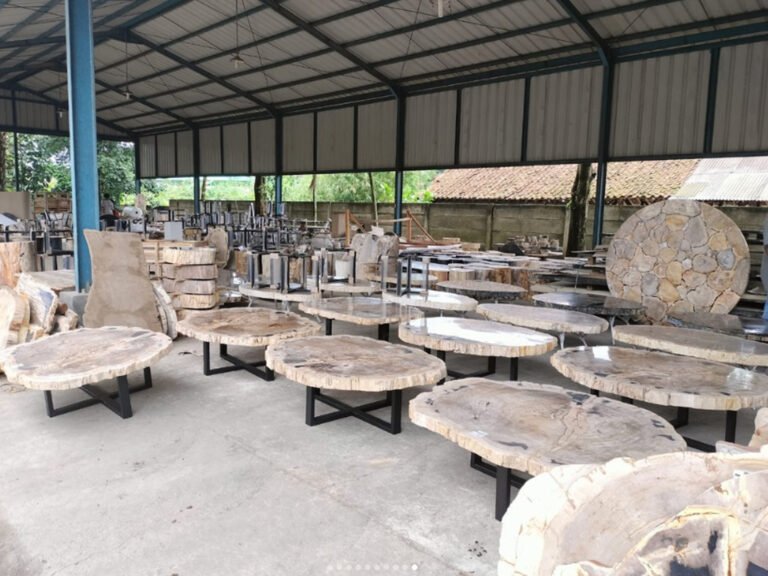
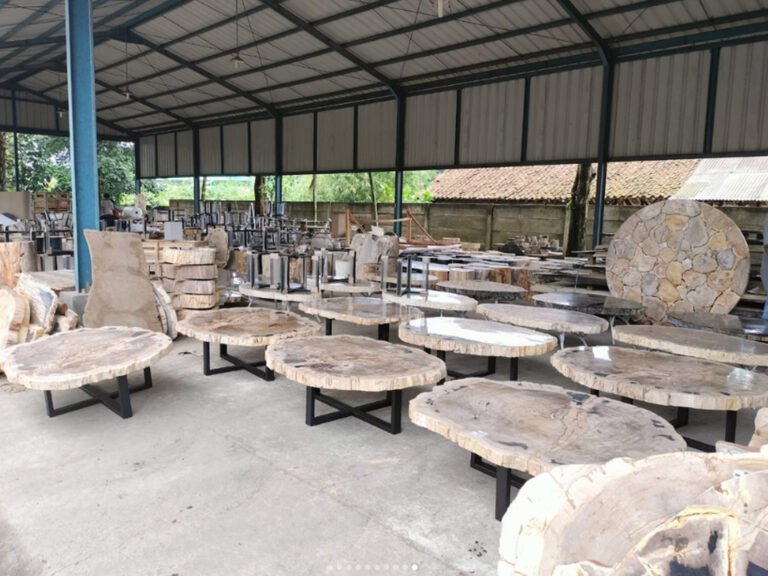
Whether the specimen has a rare blue tint or more traditional earthy tones, petrified wood serves as a stunning centerpiece in modern architecture and design. Because of its incredible durability, it is a preferred material for high-end furniture, such as statement dining tables, sinks, and sculptures. Its history adds a layer of depth that modern synthetic materials simply cannot replicate.
If you are looking to incorporate these unique geological treasures into your own luxury project, feel free to contact Java Petrifiedwood. We specialize in sourcing and finishing premium, authentic specimens that tell the story of Indonesia’s ancient forests.