

The Most Common Colors of Indonesian Petrified Wood
Understanding the Diverse Palette of Indonesian Petrified Wood
One of the most captivating aspects of Indonesian petrified wood is the incredible variety of colors displayed within a single piece. From deep, earthy tones to vibrant, unexpected hues, these natural masterpieces serve as functional art in modern interior design. Understanding why these colors manifest can help collectors and designers select the perfect pieces for their specific aesthetic needs.
The color spectrum of fossilized wood is not random; it is a direct result of the mineral-rich volcanic ash and groundwater that permeated the wood during the fossilization process over millions of years. As the organic material decayed, minerals replaced the cellular structure, effectively creating a stone replica of the original tree.
The Most Common Colors Found in Nature
While every piece is unique, certain colors appear more frequently due to the prevalence of specific minerals in the Indonesian archipelago’s geological history. Below are the most common colors you will encounter when sourcing high-quality pieces:
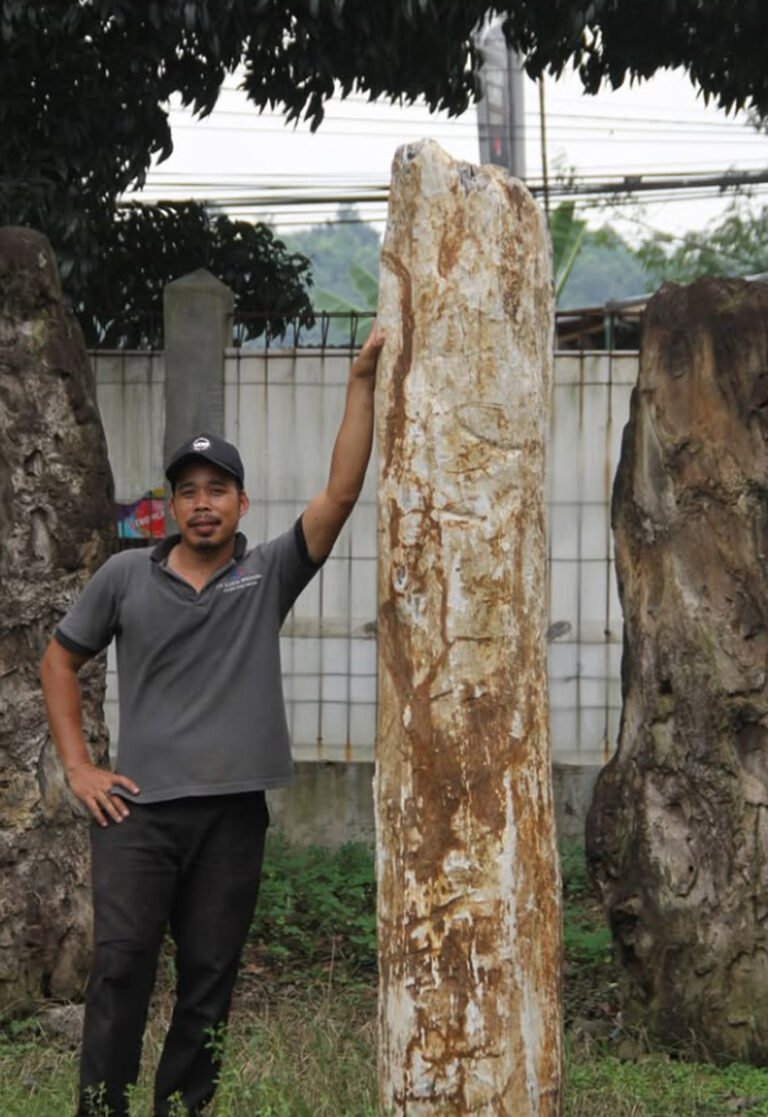
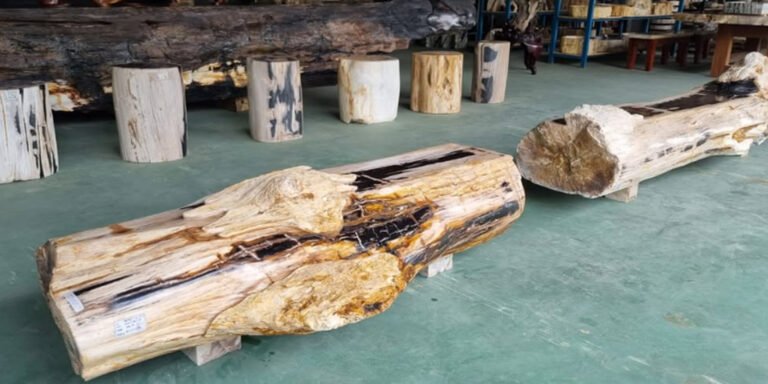
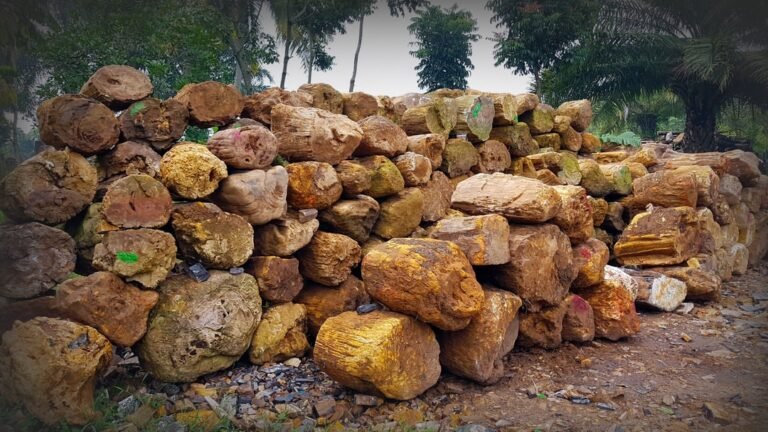
- Brown and Tan: These are the most common colors in petrified wood, usually resulting from the presence of iron oxides (rust) and manganese. These warm tones blend seamlessly into rustic and traditional home decor.
- Black and Grey: Often caused by high concentrations of carbon or iron sulfides. These darker pieces offer a sophisticated, modern look, making them ideal for minimalist architecture and luxury furniture.
- Cream and White: These lighter shades are frequently associated with silica-rich environments. They provide a beautiful contrast against dark wood furniture or stone flooring.
- Red and Orange: Less common but highly sought after, these vibrant colors indicate the presence of iron oxide minerals that were highly oxidized during the fossilization process.
Factors Influencing Color Intensity
It is important to note that the depth and saturation of these colors depend on several factors. The porosity of the original wood species, the speed of mineralization, and the local groundwater chemistry all play a role in the final appearance. Because of these complex variables, even two pieces from the same region can look vastly different.
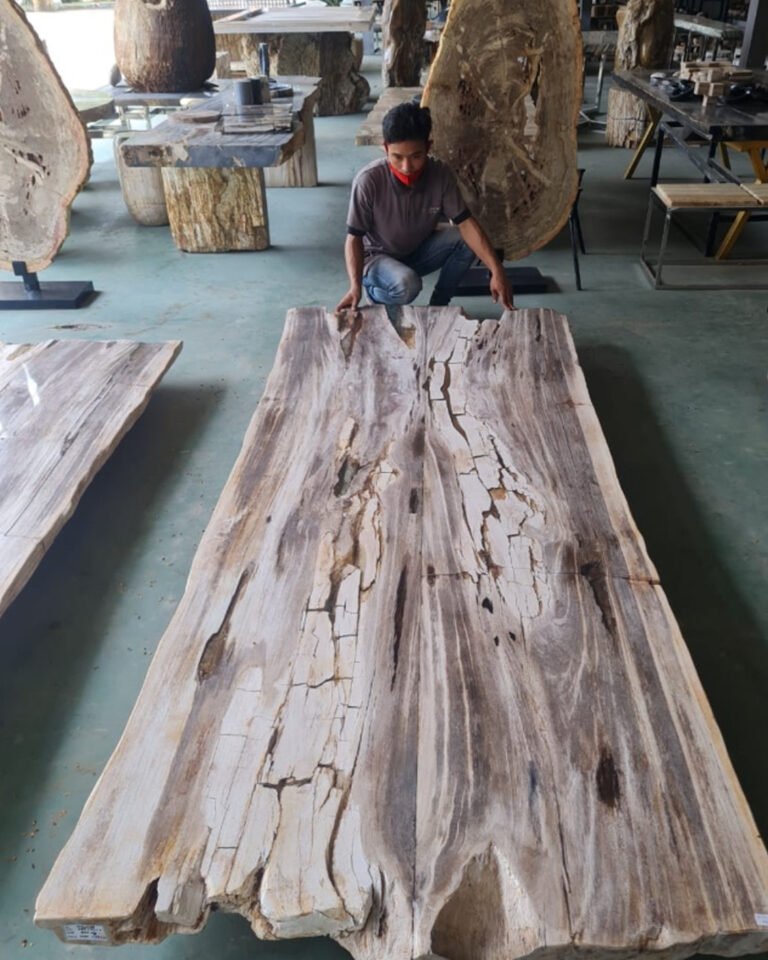
When selecting a centerpiece, such as a large petrified wood slab table, observe how the color transitions occur. High-quality pieces often display “growth rings” preserved in sharp, multi-colored bands, which add significant aesthetic value and texture to any interior space.
Practical Tips for Collectors and Buyers
If you are looking to purchase these items for a commercial or residential project, consider the following:
- Lighting Matters: Display your petrified wood in areas with natural light or strategic spotlights to fully capture the depth of the minerals and the intricate patterns.
- Polishing Effects: A professional finish, whether matte or high-gloss, will significantly change how the colors are perceived. A high-gloss polish often makes darker colors appear deeper and more saturated.
- Mix and Match: Don’t be afraid to combine different color profiles. A collection of diverse shades can create a more dynamic visual experience than a monochromatic set.
Bring Nature Into Your Home
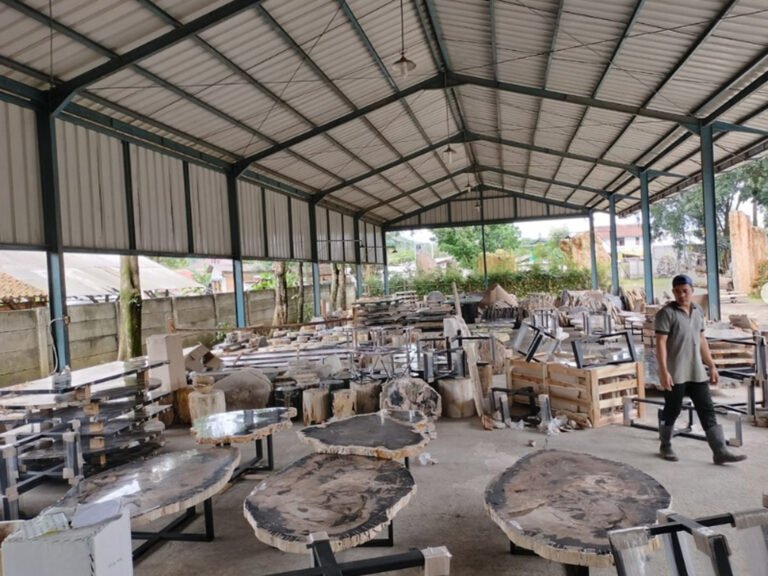
Whether you prefer the dramatic contrast of black and white or the warmth of classic brown, Indonesian petrified wood offers a unique durability and beauty that is unmatched by other materials. As a leading supplier, Java Petrifiedwood provides a curated selection of authentic pieces, each showcasing the distinct, vibrant colors that define the world’s most beautiful fossilized wood. Contact our team today to explore our current inventory and find the perfect addition to your design project.
Frequently Asked Questions (FAQ)
- Are the colors of petrified wood natural? Yes, the colors are 100% natural, formed by various minerals like iron, manganese, and silica during the fossilization process over millions of years.
- Does sunlight affect the color of petrified wood? Unlike some organic materials, petrified wood is essentially stone and is highly resistant to fading from sunlight, making it a perfect material for both indoor and outdoor use.
- Can I request specific color schemes? While we cannot change nature, we can help you select pieces from our inventory that align with your desired color palette and interior design goals.
- Which colors are considered the rarest? Vibrant reds, deep purples, and sometimes translucent crystal-infused sections are generally considered rarer and more valuable for high-end collector pieces.
4 Comments