

What Makes Indonesian Petrified Wood So Dense?
The Extraordinary Density of Indonesian Petrified Wood
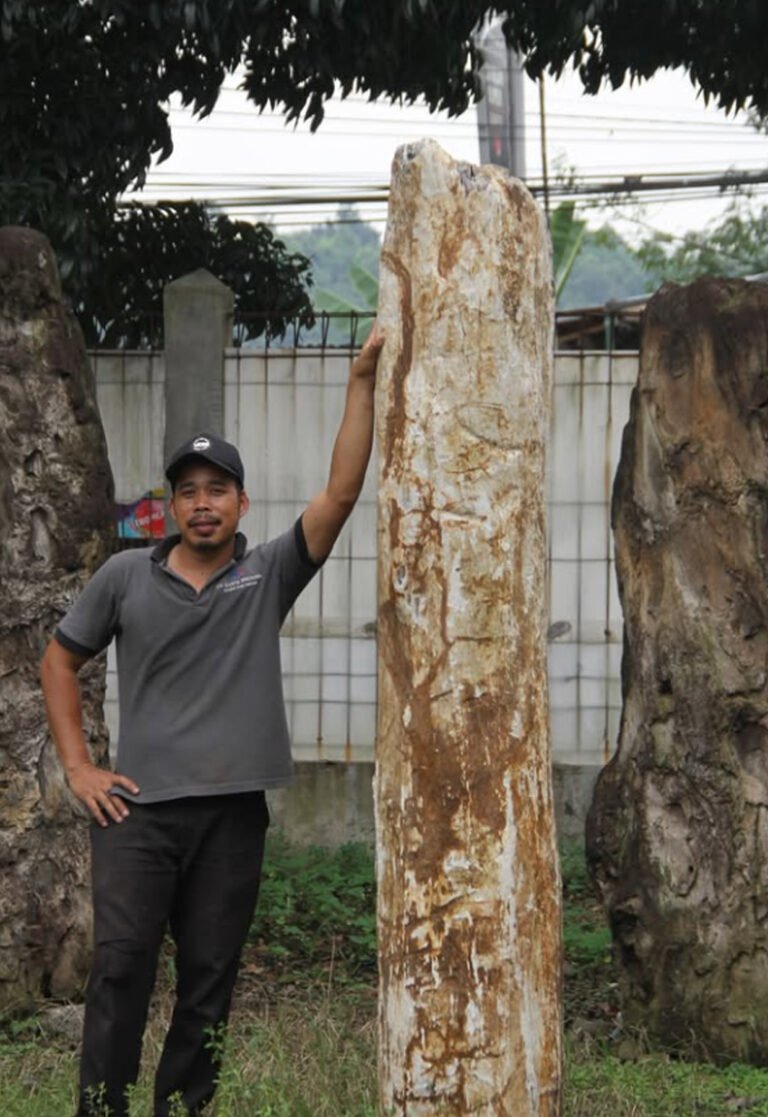
Indonesian petrified wood is world-renowned not only for its vibrant colors and intricate patterns but also for its remarkable structural integrity and density. For architects, interior designers, and collectors, understanding the weight and hardness of this material is essential when selecting pieces for high-end applications. But what exactly contributes to this unique density?
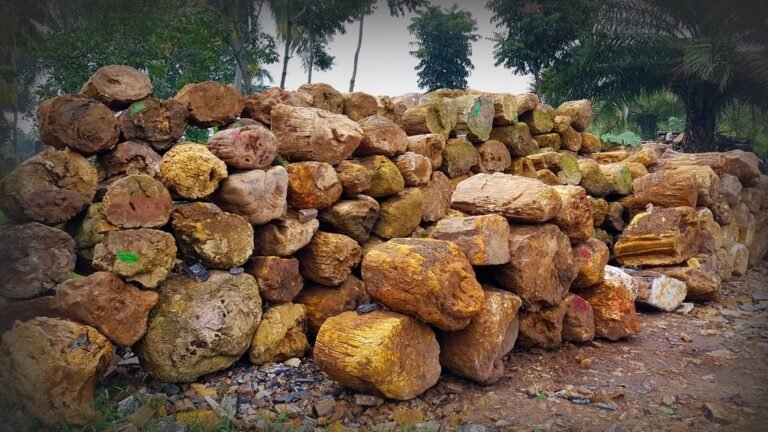
The density of petrified wood is a direct result of millions of years of geological transformation. Unlike organic wood, which is porous and relatively lightweight, petrified wood is essentially stone. The transition from timber to fossil involves a sophisticated molecular replacement process that leaves behind a dense, crystalline structure.
The Science of Mineralization
The process of permineralization is the primary driver of density. When ancient trees were buried under layers of volcanic ash and sediment, they were shielded from decay. Over millions of years, silica-rich groundwater seeped into the wood’s cellular structure. You can learn more about how minerals replace organic wood during fossilization, which explains the microscopic level of this replacement.
As the minerals—most commonly quartz and chalcedony—precipitated out of the water, they filled the voids left by decomposing cellulose and lignin. This process does not just coat the wood; it infiltrates the very cells, creating a rock-hard composite. Because silica is significantly denser than organic wood fibers, the resulting fossil becomes extremely heavy and resistant to physical weathering.
Volcanic Activity and Increased Hardness
Indonesia’s geological history is heavily influenced by volcanic activity, which played a crucial role in creating such dense material. The abundance of volcanic ash provided the necessary silica and minerals to facilitate a rapid yet complete fossilization process. The heat and pressure exerted by overlying sediment layers further compressed the material, contributing to its durability. For a deeper dive into this phenomenon, explore how volcanic activity helped create Indonesian petrified wood and its long-term impact on the final product.
Comparing Density to Other Materials
To better understand why Indonesian petrified wood is so dense, it helps to compare it to conventional materials used in interior design. Petrified wood typically ranks between 6.5 and 7 on the Mohs scale of mineral hardness, making it as hard as industrial quartz.
| Material | Approximate Density |
|---|---|
| Organic Oak Wood | 0.7 g/cm³ |
| Standard Marble | 2.7 g/cm³ |
| Indonesian Petrified Wood | 2.6 – 2.9 g/cm³ |
As illustrated above, petrified wood is significantly denser than the organic wood it once was. Its weight is often surprising to those encountering it for the first time, which is why professionals must account for this weight when planning for flooring, table bases, or wall claddings.
Why Density Matters for Durability
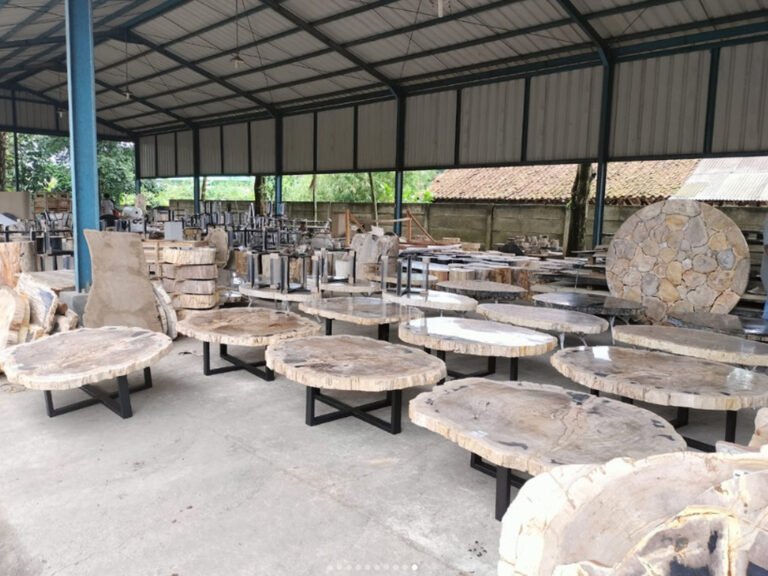
The high density of Indonesian petrified wood makes it an ideal choice for luxury furniture. It is virtually immune to the rot, insect damage, and warping that plague conventional wood. Furthermore, its density allows it to be polished to a mirror-like finish, showcasing the depth and clarity of its internal patterns. This is why many designers choose it for long-lasting, timeless installations that are meant to endure for generations.
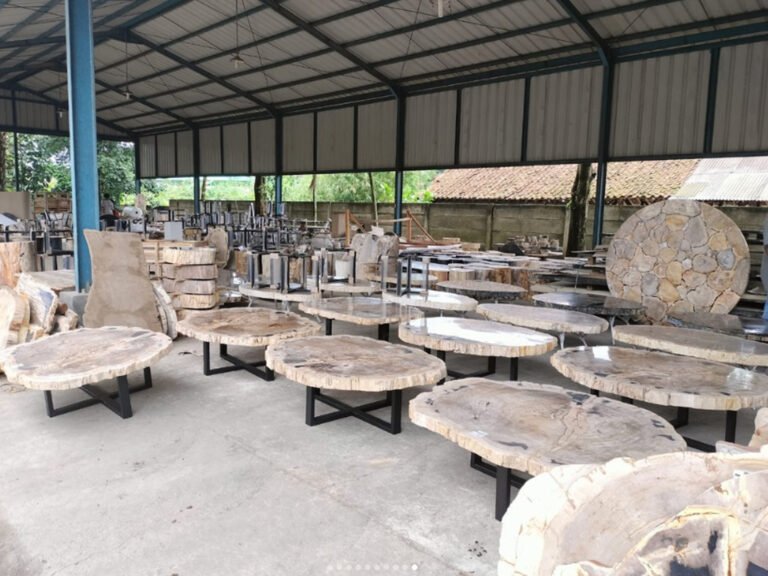
If you are considering incorporating this durable material into your next project, understanding its physical properties is the first step. You can see how these traits translate into design by exploring our collection of the best petrified wood coffee table designs.
Frequently Asked Questions
Does the density of petrified wood affect its color?
While density is a structural property, the minerals that contribute to that density (like iron, manganese, or cobalt) are also responsible for the vibrant colors found in the stone. A more complete mineralization process often results in both higher density and more vivid color displays.
Is all petrified wood equally dense?
Not necessarily. The density can vary depending on the original wood species and the quality of the mineral replacement. Some pieces may contain minor vugs or crystalline pockets, which can slightly affect the overall weight of a specific specimen.
How does the weight affect shipping and handling?
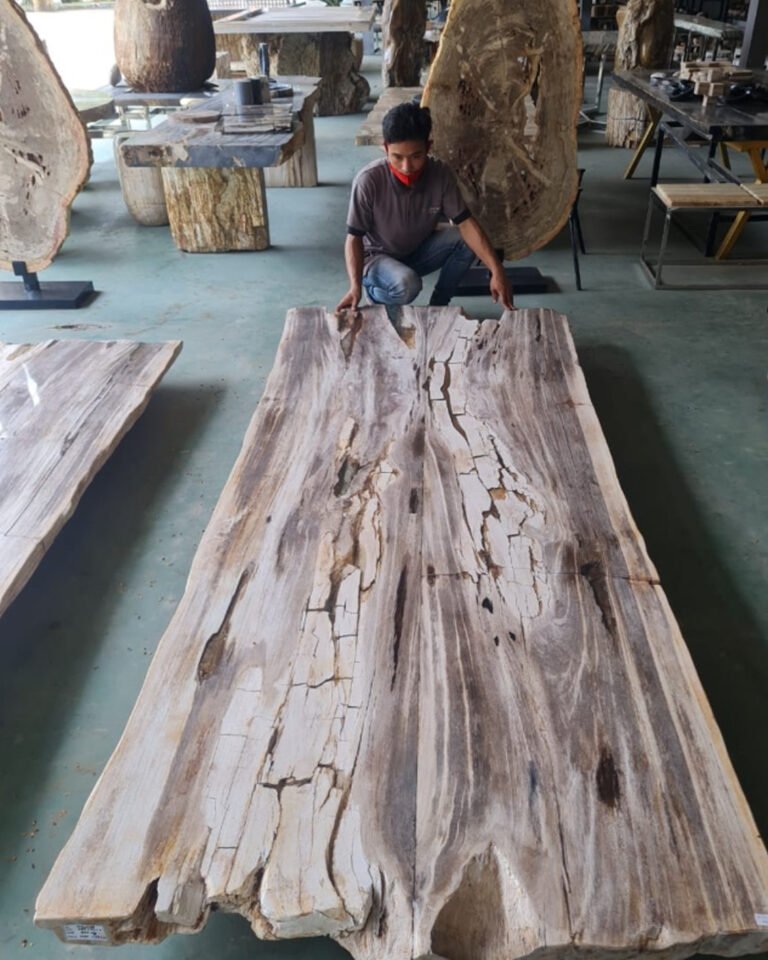
Because of its extreme density, Indonesian petrified wood requires professional crating and logistics. Whether you are ordering a single slab or a custom furniture piece, it is vital to work with suppliers who have experience in handling heavy, fragile cargo.
Discover the Quality of Java Petrifiedwood
The remarkable density and beauty of our petrified wood are a testament to the geological wonders of Indonesia. At Java Petrifiedwood, we specialize in sourcing and finishing only the highest-quality fossilized wood, ensuring that every piece retains its structural integrity and aesthetic brilliance. If you are looking to integrate the strength and timeless appeal of petrified wood into your home or commercial space, contact our team today to discuss your requirements.
One Comment