

How Hard Is Indonesian Petrified Wood?
Understanding the Hardness of Indonesian Petrified Wood
For those interested in natural stone decor, one of the most common questions revolves around the durability of the material. When asking, how hard is Indonesian petrified wood, the answer lies in its unique geological journey. Unlike organic wood, which is soft and prone to decay, petrified wood is essentially stone that has replaced organic cellular structures over millions of years.
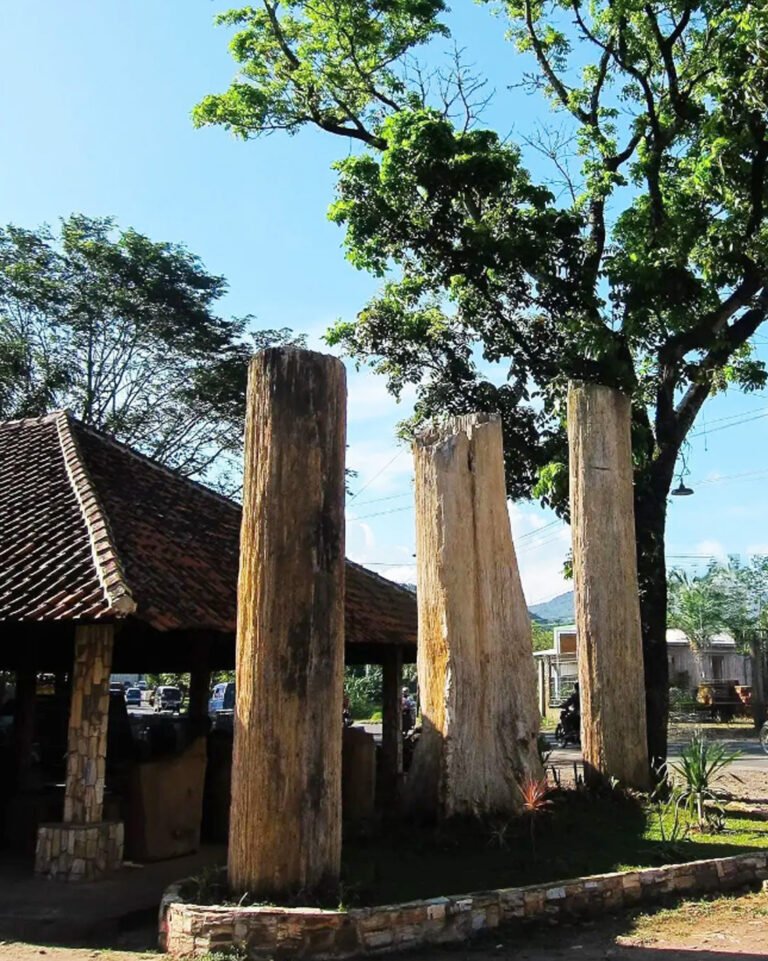
Through the process of permineralization, silica-rich groundwater permeates the wood, depositing minerals that solidify within the original fiber structure. This transformation results in a material that is incredibly dense and durable. To understand the physical characteristics of these pieces, it is helpful to look at how millions of years turn wood into stone, locking in strength that stands the test of time.
The Mohs Hardness Scale and Petrified Wood
In geological terms, hardness is measured using the Mohs scale, which ranks minerals from 1 (softest) to 10 (hardest). Because petrified wood is primarily composed of quartz (silica), it typically falls between 6.5 and 7 on the Mohs scale. This makes it significantly harder than marble and comparable to glass or hardened steel.
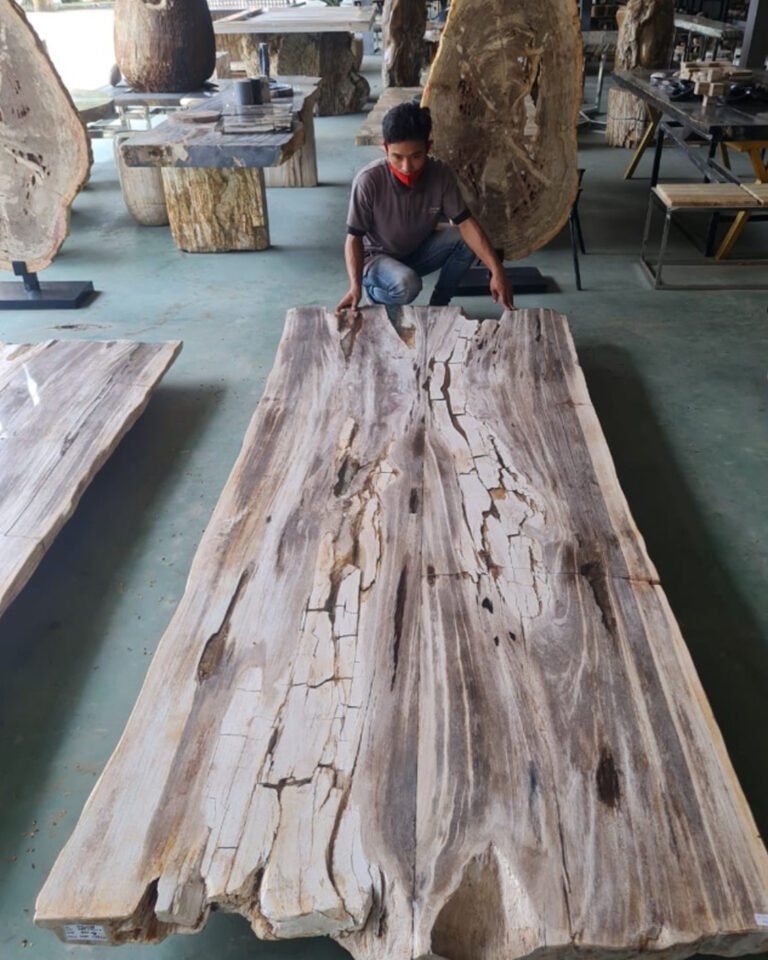
This high level of hardness is exactly why it is a favored material for the long-term durability of petrified wood furniture. When properly cut and polished, the surface can withstand daily wear, making it an excellent choice for luxury tabletops, sinks, and architectural accents.
Factors Influencing Density and Durability
While most petrified wood shares similar baseline hardness, the exact density can vary based on several factors:
- Mineral Composition: The presence of different minerals like iron, manganese, or copper, which often define the colors, can slightly alter the final density.
- Original Tree Species: The cellular density of the parent tree affects how thoroughly the silica replaces the organic matter.
- Environmental Conditions: The specific pressure and temperature during the fossilization process determine the structural integrity of the stone.
Readers interested in why certain pieces exhibit exceptional density should explore what makes Indonesian petrified wood so dense to better understand why it remains a premier material for global exporters.
Practical Applications for Hard Materials
Because of its impressive hardness, Indonesian petrified wood is not just a collector’s item; it is a functional asset. Its resistance to scratching and heat makes it a superior alternative to softwoods or even some types of soft stone. In high-traffic areas, such as restaurants or luxury villas, the resilience of this material ensures that its aesthetic beauty remains intact even after years of use.
Care and Maintenance for Hard Stone Surfaces
Despite its hardness, petrified wood should still be treated with care to maintain its high-gloss finish. Since the surface is essentially a mineral compound, it reacts well to standard stone care practices. Avoid using harsh acidic cleaners, and instead opt for pH-neutral soap and water. By following these simple maintenance steps, you ensure that the natural luster and intricate patterns of the wood remain vivid for generations.
Conclusion
Indonesian petrified wood is remarkably hard, ranking high on the Mohs scale, which confirms its status as a premium, long-lasting material for interior design. Whether you are looking for a statement piece or a functional surface, the structural integrity of this fossilized treasure provides peace of mind along with unmatched natural beauty.
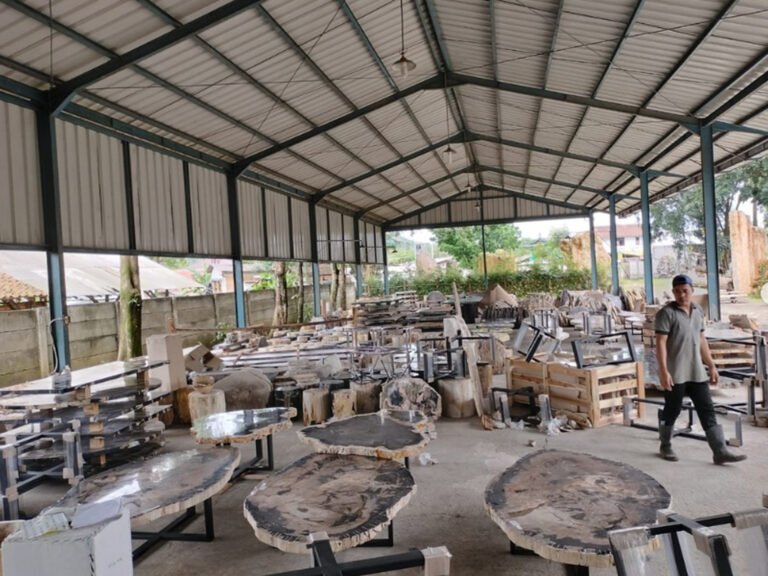
At Java Petrifiedwood, we specialize in sourcing and finishing the finest pieces of fossilized wood from Indonesia. If you are looking to integrate these durable, natural masterpieces into your next interior project, contact our team to discuss our current collection and export options.
Frequently Asked Questions
Is petrified wood harder than granite?
Petrified wood and granite are very similar in hardness, both generally falling between 6 and 7 on the Mohs scale. They are both exceptionally durable and resistant to most daily wear and tear.
Can petrified wood be scratched?
While it is very hard, it is not indestructible. It can be scratched by materials with a higher hardness rating, such as diamond or industrial-grade tools. However, for standard household use, it is highly resistant to surface damage.
Does the hardness of petrified wood affect its price?
Generally, the hardness is a given property of the material. The price is more often determined by the size, color quality, and the level of craftsmanship required to cut and polish the specimen to a perfect finish.
Is it suitable for outdoor use?
Yes, because of its hardness and mineral-based composition, it is highly weather-resistant and can be used in outdoor landscaping or garden furniture, provided it is polished and sealed correctly.
One Comment