

What Is the Density of Indonesian Petrified Wood?
Understanding the Density of Indonesian Petrified Wood
When collectors, interior designers, and architects consider sourcing Indonesian petrified wood, one of the most common technical questions involves its weight and density. Unlike organic timber, which has a predictable cellular structure and relatively low density, petrified wood is essentially a stone replica of ancient flora. Its density is a defining characteristic that influences everything from shipping logistics to its suitability for heavy-duty furniture applications.
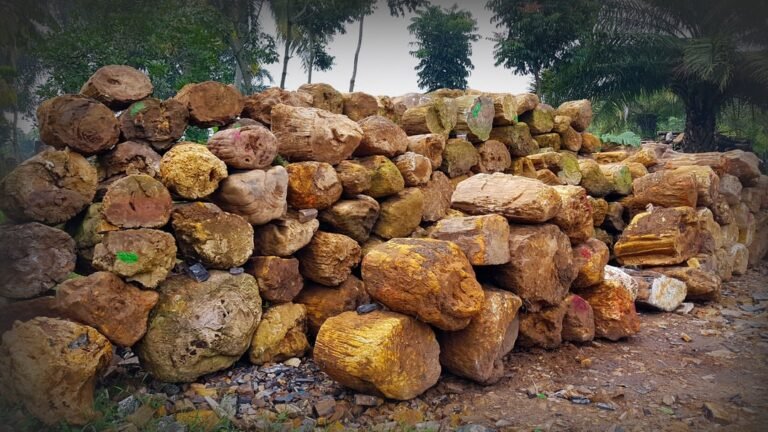
The density of petrified wood is primarily determined by the mineralization process. During fossilization, silica-rich groundwater permeates the wood, replacing organic cells with minerals such as quartz, chalcedony, and opal. This transformation results in a material that is significantly denser than its original wooden form.
Why Density Varies in Fossilized Wood
There is no single “universal” density for all petrified wood, even within the Indonesian archipelago. The density of a specific specimen is influenced by several geological factors:
- Mineral Composition: Specimens impregnated with heavier minerals like iron oxides will naturally be denser than those composed primarily of lighter quartz or silica deposits.
- Porosity of the Original Wood: Different species of ancient trees have different cellular structures. Wood that was naturally more compact before fossilization often results in a more solid and dense stone.
- Degree of Silicification: Incomplete mineralization can leave microscopic voids within the structure, slightly lowering the overall density compared to a fully solidified, high-grade specimen.
For those interested in the physical properties of these materials, it is helpful to look at how hard is Indonesian petrified wood, as hardness and density are closely related properties that contribute to the material’s legendary durability.
Practical Implications of High Density
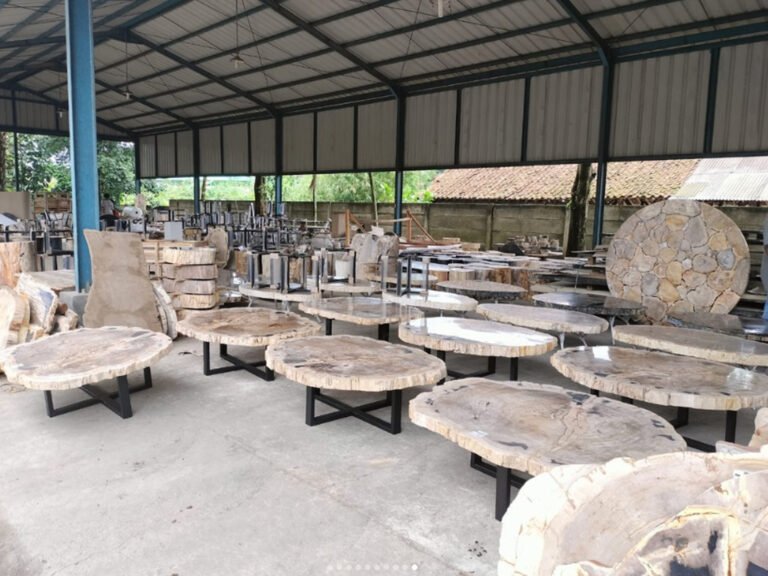
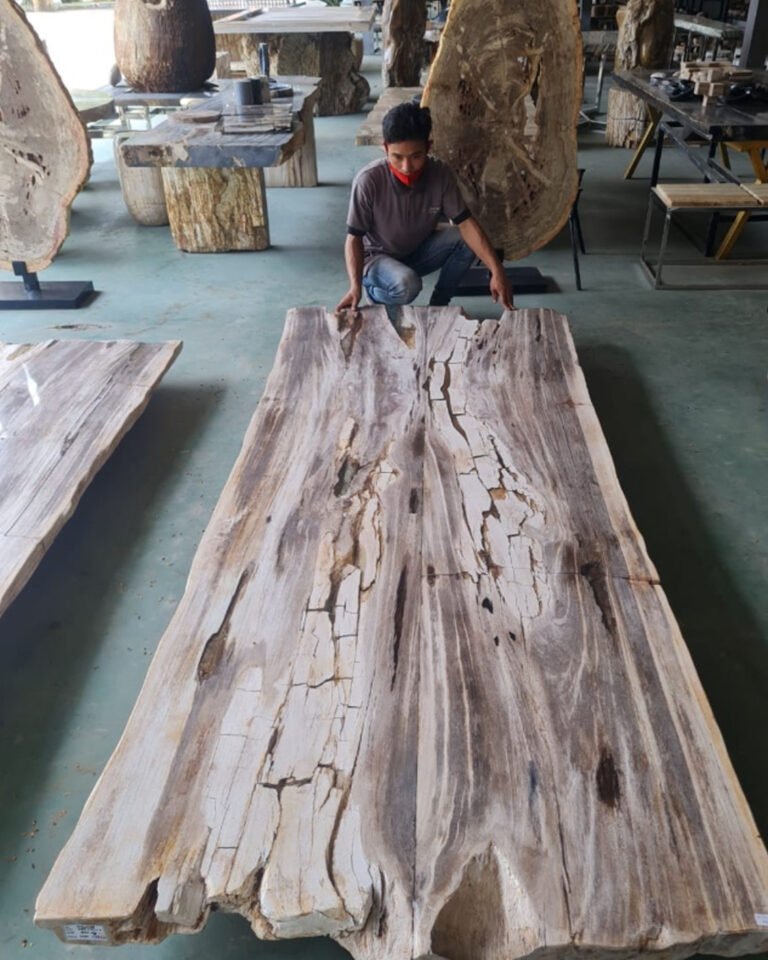
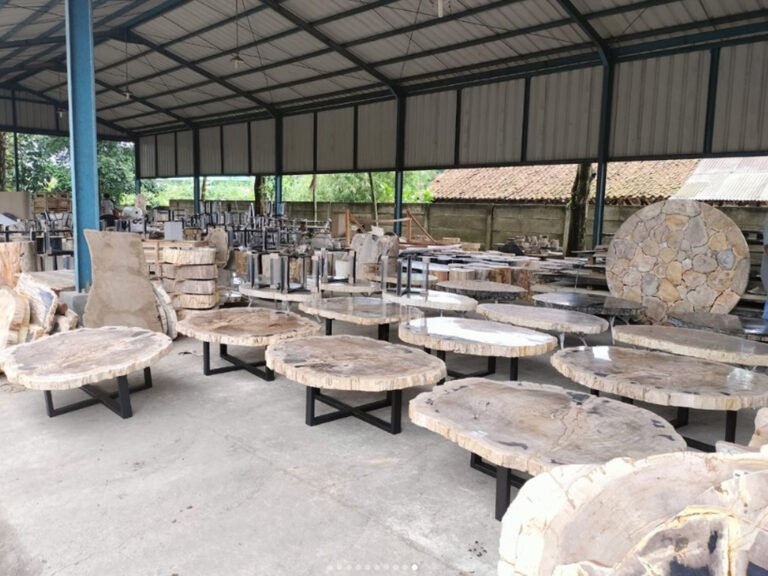
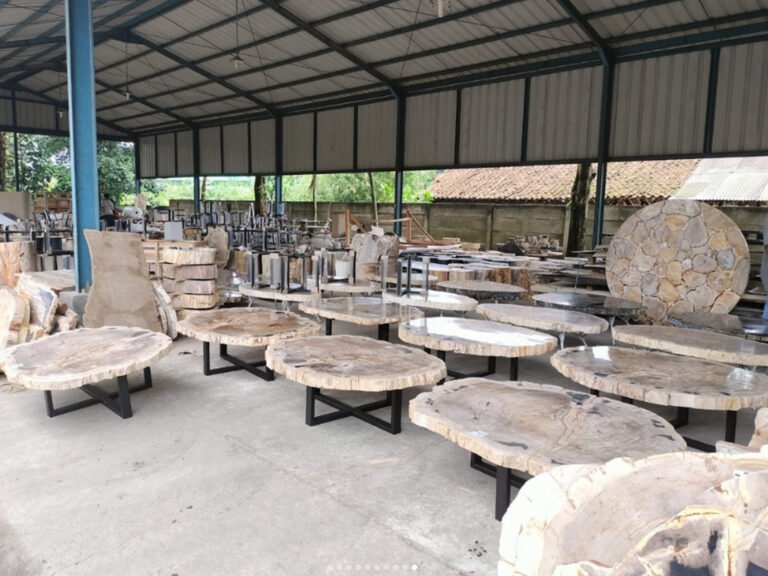
The high density of Indonesian petrified wood makes it an incredibly resilient material. While this adds to the challenge of transportation and installation, it also makes it a superior choice for luxury interior design. A petrified wood slab table, for example, is not only an aesthetic statement but a piece that will last for generations due to its stone-like composition.
When working with these pieces, professionals must account for the weight. Because petrified wood is essentially stone, it requires specialized handling and support structures. Whether you are creating a custom countertop, a pedestal for art, or an outdoor landscape feature, knowing the weight capacity of your flooring or furniture base is essential to prevent structural damage.
Comparing Density Across Different Specimens
| Feature | Typical Characteristic |
|---|---|
| Specific Gravity | Generally ranges from 2.5 to 2.8 |
| Composition | Predominantly Silicon Dioxide (SiO2) |
| Durability | Extremely high, resistant to rot and termites |
| Material Behavior | Functions more like granite or marble than wood |
Understanding these technical aspects helps in choosing the right type of stone for specific projects. If you are planning a long-term investment or a luxury commercial build, recognizing that the material is high-density will help you plan for appropriate structural load-bearing requirements.
Sourcing Quality Petrified Wood
At Java Petrifiedwood, we specialize in providing high-quality, authentic Indonesian fossilized wood. Our expertise allows us to assist you in selecting the perfect pieces for your design needs, ensuring you get the specific color, pattern, and density required for your project. If you are ready to incorporate this timeless natural wonder into your home or commercial space, our team is here to guide you through the process.
Contact us today to discuss your requirements and discover how our premium selection can elevate your next project.
One Comment